
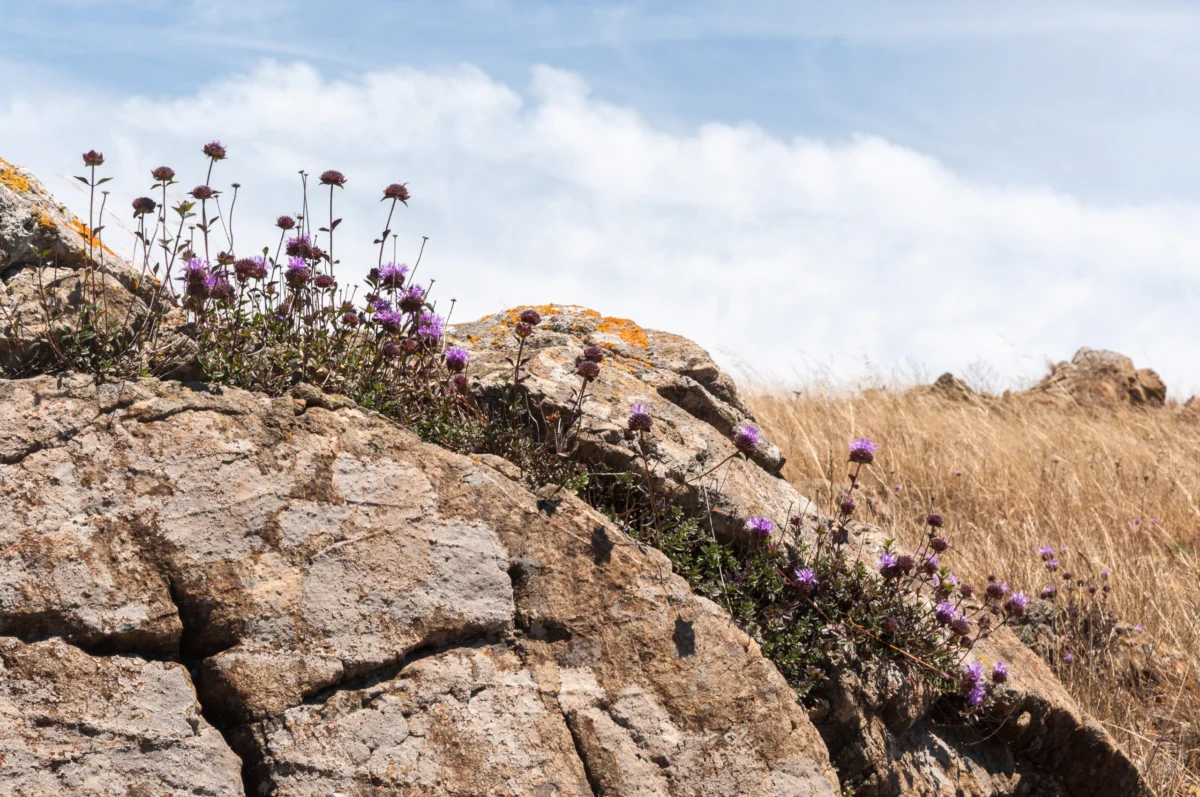
Most avid birders and nature enthusiasts are drawn to the vibrant tapestry of avian species and lush vegetation that define the Bay Area’s ecological richness, often overlooking the very foundation beneath their feet. However, the spectacular biological diversity above ground is inextricably linked to the complex geological story unfolding below. Geological diversity typically underpins ecologically rich areas, with the underlying bedrock dictating critical life conditions such as water movement, soil composition, nutrient availability, and the topography that influences plant growth. In Marin County, the unique geological setting, particularly the widespread presence of serpentine soils, creates an environment so distinctive that it fosters an unparalleled array of rare and endemic plant and animal species, making it a critical hotspot for biodiversity research and conservation.
The Genesis of Serpentine: A Geological Anomaly
Serpentine, often identifiable by its distinctive blue-green hue, forms from the hydration and metamorphism of ultramafic rocks, primarily peridotite, which are remnants of oceanic crust and the Earth’s upper mantle. These rocks are brought to the surface through complex tectonic processes, particularly during subduction and obduction events where oceanic plates are forced beneath or over continental plates. In California, these processes have been active for millions of years, contributing to the state’s dramatic geological landscape. The Great Valley Ophiolite, for instance, a large segment of oceanic crust and upper mantle, is a significant source of serpentine rocks across the state. As these rocks weather, they create a unique type of soil that presents an extraordinary set of challenges and opportunities for life.
The resulting serpentine soils are notoriously difficult for most plant life. They are highly erodible, leading to thin, rocky soil layers that struggle with water retention, a critical drawback in California’s Mediterranean climate characterized by long, dry summers. Chemically, serpentine soils are rich in heavy metals such as nickel, chromium, and cobalt, which are toxic to many plants, inhibiting growth and organic matter accumulation. Simultaneously, they are severely deficient in essential primary plant nutrients like potassium, magnesium, and crucially, calcium, which are vital for basic physiological functions such as nutrient uptake and photosynthesis. This extreme chemical imbalance and poor physical structure create an environment that is largely inhospitable to conventional flora.
A Paradox of Life: Endemism on Toxic Soils
Despite these seemingly insurmountable challenges, the nutrient-poor and heavy metal-laden substrate of serpentine soils has become an unlikely haven for a remarkable array of rare endemic species, particularly grasses and wildflowers. This phenomenon, known as serpentine endemism, represents one of nature’s most compelling evolutionary paradoxes. While most generalist invasive species, adapted to thrive in a wide range of environments, find these heavy, dry, metallic soils intolerable, a select group of native California plants has evolved specialized mechanisms to not only tolerate but flourish in these conditions. These unique environments thus act as natural refugia, largely undisturbed by the aggressive proliferation of invasive species that threaten much of California’s iconic biodiversity.
The statistics underscore the ecological significance: although serpentine soils constitute only about one percent of California’s land area, they support a staggering ten percent of the state’s endemic flora. A comprehensive 2009 study published in ResearchGate identified over 200 serpentine endemic plant taxa, highlighting the profound impact of this unique geological feature on plant evolution. These plants have developed an array of unique physical, chemical, biological, and temporal adaptations to withstand the harsh growing conditions. Some species employ sophisticated mechanisms to block the accumulation of toxic heavy metals, while others have evolved highly efficient calcium uptake systems to compensate for its scarcity. Many serpentine plants exhibit stunted growth above ground, directing most of their energy into developing dense, extensive root systems to anchor themselves and efficiently extract scarce resources. Research, such as a study referenced in faculty.washington.edu, suggests that many of these adaptations have evolved independently across different species over extended evolutionary timelines, showcasing convergent evolution under extreme environmental pressure.
Diverse Serpentine Niches Across California
Within the broader category of serpentine soils, several distinct natural environments can form, each supporting unique biological communities. These include serpentine grasslands, barrens, chaparral, and even rare wetlands. While these niches are uncommon across North America, California, possessing the continent’s largest expanse of serpentine soils, hosts all these diverse serpentine communities.
Serpentine barrens are among the rarest and most extreme of these communities. Defined by their rocky, open character, lack of woody growth, and sparse herbaceous cover, these barrens are simultaneously harsh and exceptionally conducive to the growth of rare endemic species. Mount Tamalpais in Marin County stands out as an exemplary location to observe these unique plant communities. Here, visitors can witness thriving populations of species like the Mount Tamalpais Bristly Jewelflower (Streptanthus glandulosus ssp. pulchellus), Tiburon Buckwheat (Eriogonum caninum), Marin Navarretia (Navarretia rosulata), and Tamalpais Jewelflower (Streptanthus batrachopus), alongside other rare endemics adapted to different soil substrates.
Marin County offers additional opportunities to encounter these remarkable serpentine endemics. Ring Mountain, for example, hosts the seemingly otherworldly Tiburon Mariposa Lily (Calochortus tiburonensis), which grows exclusively on a single sloped serpentine outcropping on the preserve, found nowhere else in the world. This critically endangered lily is often found in close proximity to other regional endemics such as serpentine reedgrasses, serpentine wheatgrass, Tiburon buckwheat, Tiburon paintbrush, and Marin dwarf flax, creating a micro-ecosystem of extreme rarity. These sites are not merely botanical curiosities but living laboratories for understanding evolutionary processes and the resilience of life.
Invertebrate Life: Hidden Dwellers of Serpentine
The unique conditions of serpentine soils also foster a distinct array of invertebrate species, many of which are endemic to these specific habitats in the Marin area. One such fascinating creature is the Tiburon microblind harvestman (Microcina tiburon), a tiny, spider-like arachnid closely related to the more common Daddy Long Legs. This elusive, sightless creature navigates the subterranean realms of serpentine grasslands, emerging only at night and exclusively when moisture levels are high, a testament to its highly specialized adaptations to the serpentine environment.
Another serpentine dweller is the Muir’s hairstreak butterfly (Callophrys muiri), an elusive, coin-sized insect whose life cycle is intricately tied to serpentine flora. It lays its eggs exclusively on two species of serpentine-endemic cypresses, highlighting a co-evolutionary relationship where the butterfly’s survival is directly dependent on these specialized plants. Similarly, the iconic Bay Checkerspot butterfly (Euphydryas editha bayensis), endemic to the San Francisco Bay Area, relies heavily on natural communities found on serpentine soils for its breeding grounds, feeding on host plants like dwarf plantain and owl’s clover that thrive in these harsh conditions. The survival of these delicate insect populations is a direct indicator of the health and integrity of their serpentine habitats.
Serpentine’s Role in Avian Ecology and the Pacific Flyway
The influence of geological diversity extends beyond flora and invertebrates, profoundly impacting avian populations. Complex and varied landscapes, such as those shaped by serpentine soils, support a greater diversity of species with differing habitat needs. The rare flora that flourish on serpentine soils play an unusual and critical role in the broader ecosystem, offering unique habitats and food sources to endemic invertebrates and, in turn, providing sustenance and shelter for various bird species that have coevolved with these environments.
Serpentine grasslands, in particular, serve as vital habitats for many native Californian birds. Species such as the majestic Golden Eagle (Aquila chrysaetos), the vibrant Eastern Bluebird (Sialia sialis), the camouflaged Horned Lark (Eremophila alpestris), and the elusive Grasshopper Sparrow (Ammodramus savannarum) depend on these grasslands for foraging, nesting, and shelter. The open landscapes and unique plant communities offer specific prey items and structural diversity not found in other habitats.
Furthermore, while California boasts fewer endemic bird species compared to its plant kingdom, it is a crucial breeding ground for more bird species than any other region in the United States. Consequently, the availability of sufficient and diverse habitats is paramount for supporting not only resident populations but also the broad array of migratory birds that utilize the state. The varied serpentine environments across the Bay Area and the broader state—including serpentine barrens, grasslands, and chaparral—are integral stopover and foraging sites for avian travelers along the great Pacific Flyway. This vast migratory corridor stretches from Alaska down to Patagonia, making the unique ecological niches provided by serpentine soils indispensable for the continental-scale movement and survival of countless bird species.
Conservation Imperatives and Expert Perspectives
The profound ecological value of serpentine ecosystems underscores a critical conservation imperative. These habitats, while naturally resilient to many common invasive species, face significant threats from human activities, including urbanization, quarrying, and altered fire regimes. Climate change also poses a growing risk, potentially exacerbating drought conditions and stressing already fragile plant communities.
"Serpentine soils represent an unparalleled natural laboratory for studying evolution under extreme environmental conditions," states Dr. Alistair Finch, a leading botanist specializing in California’s endemic flora. "The fact that such a small percentage of California’s landscape harbors such a disproportionately high number of endemic species makes these areas critically important for biodiversity conservation. Protecting these unique habitats is not just about saving individual species; it’s about preserving unique evolutionary pathways and the resilience of life itself."
Conservation efforts in Marin County and across California involve a multi-pronged approach. Land trusts, such as the Marin County Open Space District and various private conservation organizations, play a vital role in acquiring and managing serpentine lands. Research institutions are actively studying these ecosystems to better understand their complex dynamics and inform conservation strategies. Restoration projects focus on removing non-native species from adjacent areas to prevent encroachment and mitigating human impacts.
However, challenges persist. Public awareness of the hidden value of serpentine soils remains relatively low compared to more visually dramatic landscapes. "Engaging the public is key," explains Sarah Jenkins, a park ranger at Mount Tamalpais State Park. "When people understand that the seemingly barren patches of land are actually teeming with rare and unique life, their appreciation and willingness to support conservation efforts grow exponentially. We encourage visitors to look closely, to understand that the ‘rocks beneath’ are just as vital as the ‘birds above’."
Looking Ahead: Appreciating the Unseen Foundation
Understanding the geological history and ongoing presence of serpentine in areas like Marin County profoundly enriches our appreciation of the beautiful flora and fauna that thrive upon it. This spring, as the Bay Area awakens with the chirping of songbirds and the vibrant blankets of orange and yellow wildflowers, emblematic of California’s beatific seasonal beauty, take a moment to observe. Keep an eye out for the subtle blue-green hues of California’s state rock, serpentinite, and challenge yourself to identify any of the rare endemic species that stubbornly reside in its rocky, nutrient-poor soils. Their resilience and unique adaptations are a powerful reminder of nature’s ingenuity and the interconnectedness of all life, from the deep geological past to the vibrant ecosystems of the present. The silent story told by the rocks beneath is a crucial chapter in the ongoing narrative of California’s unparalleled biodiversity, a story that demands our attention, respect, and protection for generations to come.
