
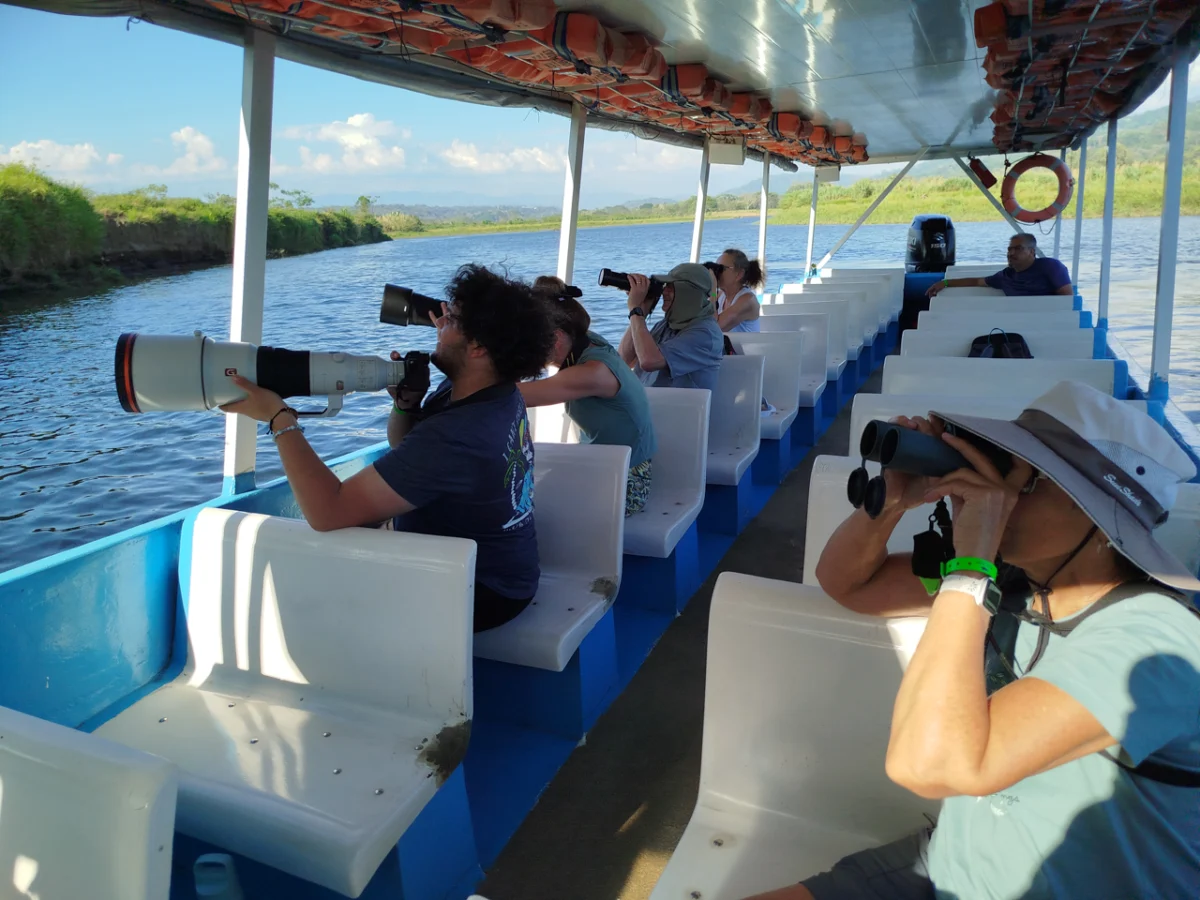
The conclusion of a comprehensive 11-day avian expedition across Costa Rica has highlighted the country’s enduring status as a primary hub for global birding and ecological research. Covering a diverse range of habitats—from the Pacific lowlands and the Talamanca highlands to the volcanic regions of Arenal and the Caribbean-slope rainforests—the tour provided a scientific and recreational cross-section of one of the world’s most biodiverse nations. This year’s itinerary documented hundreds of species, including several globally threatened and endemic birds, reinforcing the critical importance of Costa Rica’s protected area network.
Geographic and Ecological Scope of the Expedition
Costa Rica, despite occupying only 0.03% of the Earth’s landmass, is home to nearly 5% of the planet’s total biodiversity. The recent Sampler tour was designed to navigate this "biogeographic land bridge," moving through various life zones. The expedition commenced in the Central Valley, transitioned to the Pacific’s tropical dry-to-wet transition forests, ascended into the high-altitude paramo of the Talamanca Range, and finally descended into the humid Caribbean lowlands.
The expedition’s success is attributed to the strategic timing and the selection of "hotspots" that serve as critical stopovers for migratory species and permanent residences for regional endemics. Data collected during the tour contributes to a broader understanding of species distribution and the health of specific ecosystems, particularly in areas like the Tárcoles River estuary and the Arenal Observatory.
Phase I: The Pacific Lowlands and the Carara Transition Zone
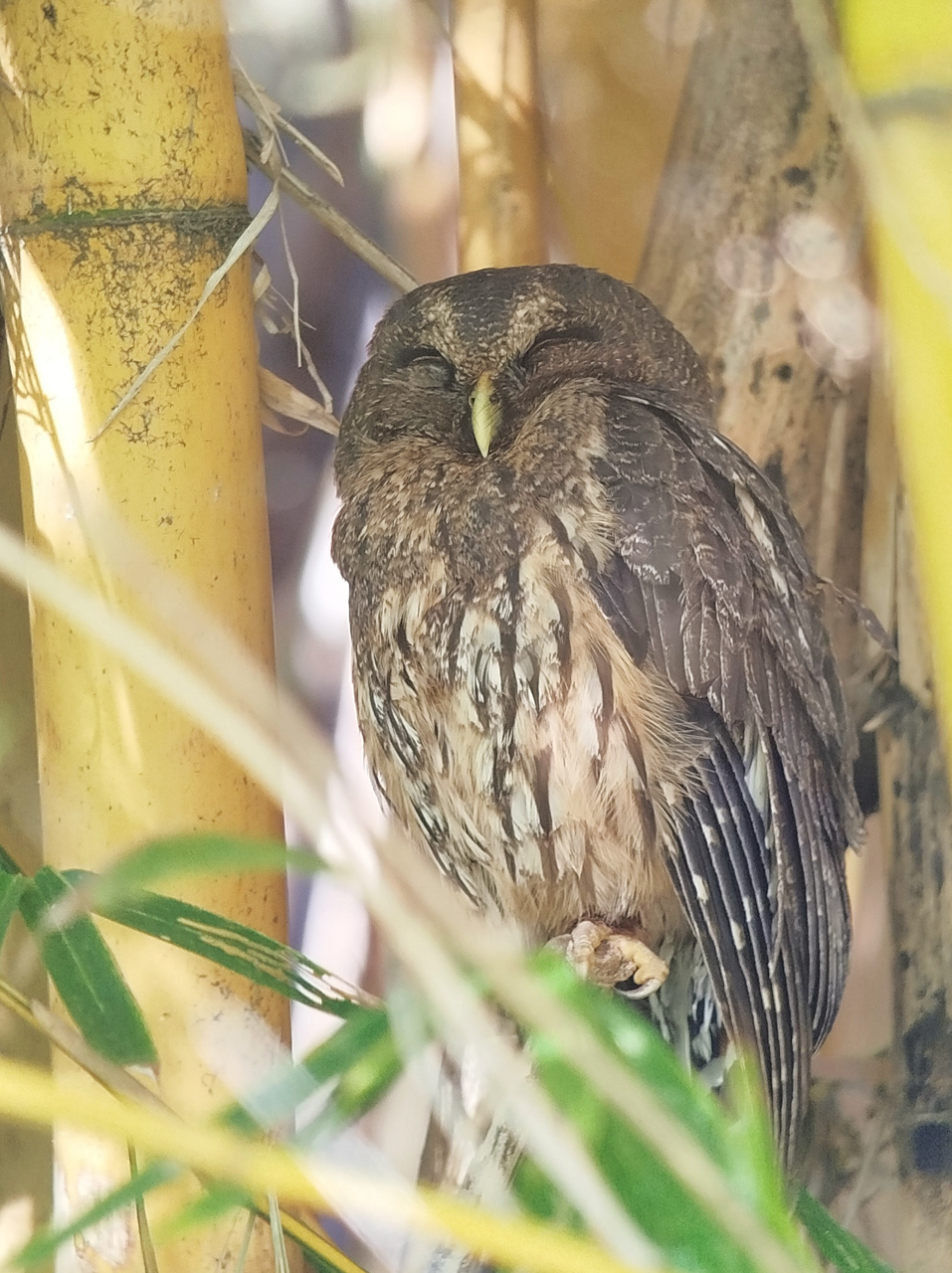
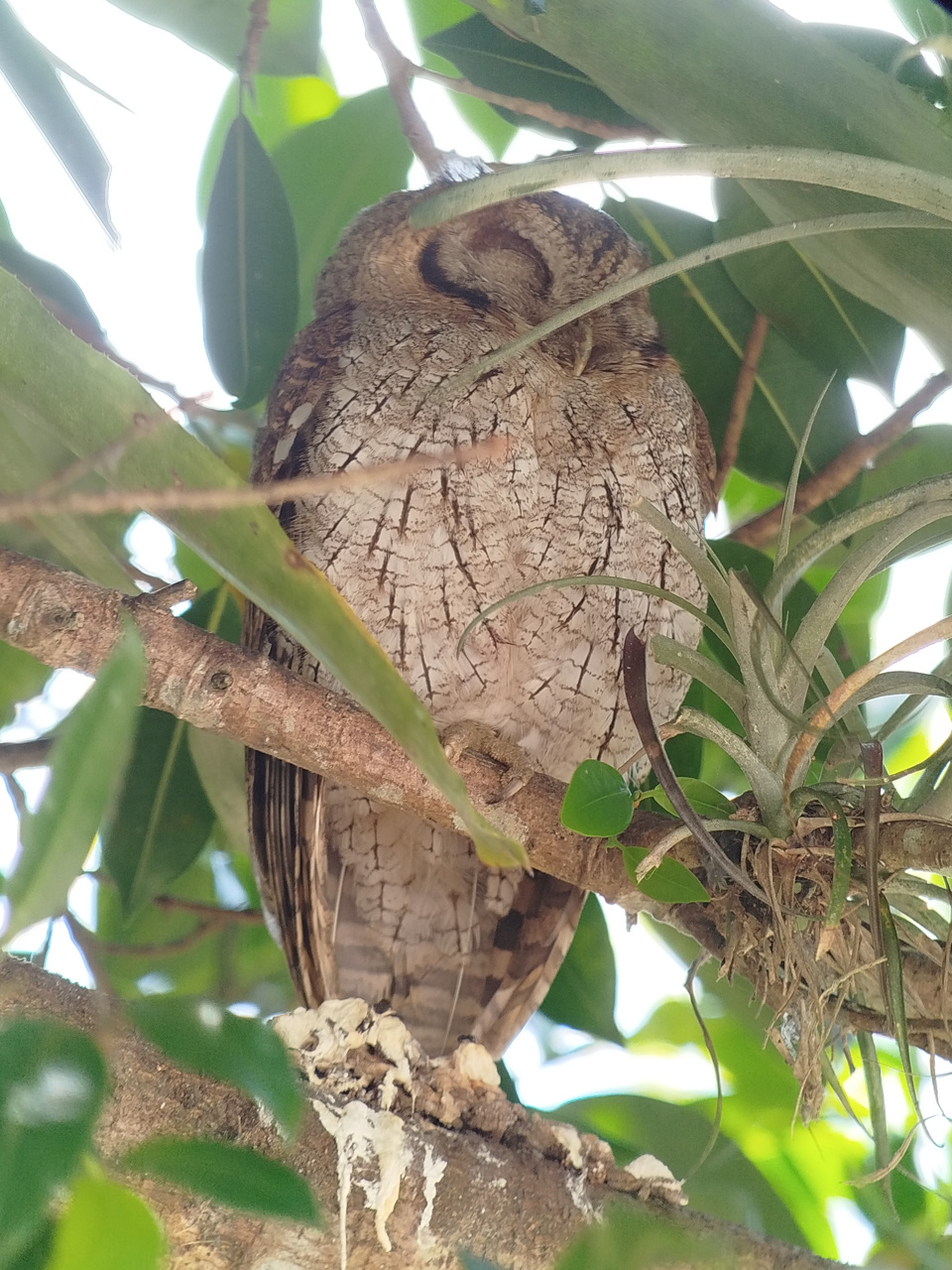
The first leg of the journey focused on the Pacific coast, a region characterized by a mix of dry forest and humid rainforest. Following an initial survey of the San José suburbs, where the group recorded the national bird, the Clay-colored Thrush (Turdus grayi), and the Mottled Owl (Strix virgata), the expedition moved toward the Tárcoles River.
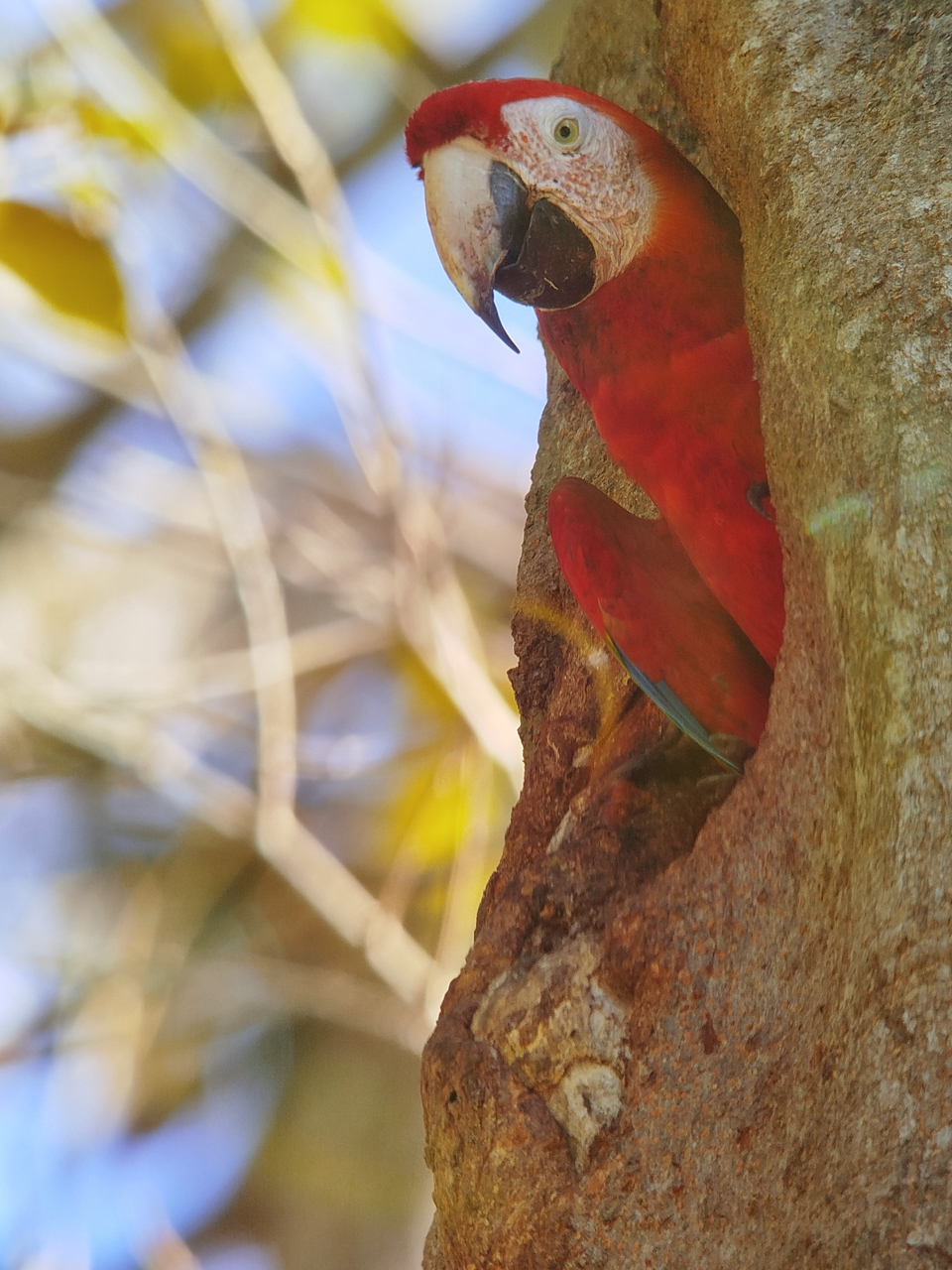
The Tárcoles River basin is an ecological crossroads. The group documented the Mangrove Hummingbird (Amazilia boucardi), a species endemic to Costa Rica and currently listed as Near Threatened by the IUCN due to habitat loss within mangrove ecosystems. The presence of the Scarlet Macaw (Ara macao) in significant numbers—with one flock exceeding 30 individuals—serves as a testament to the success of local conservation efforts that have rebounded the Pacific population of these psittacines over the last three decades.
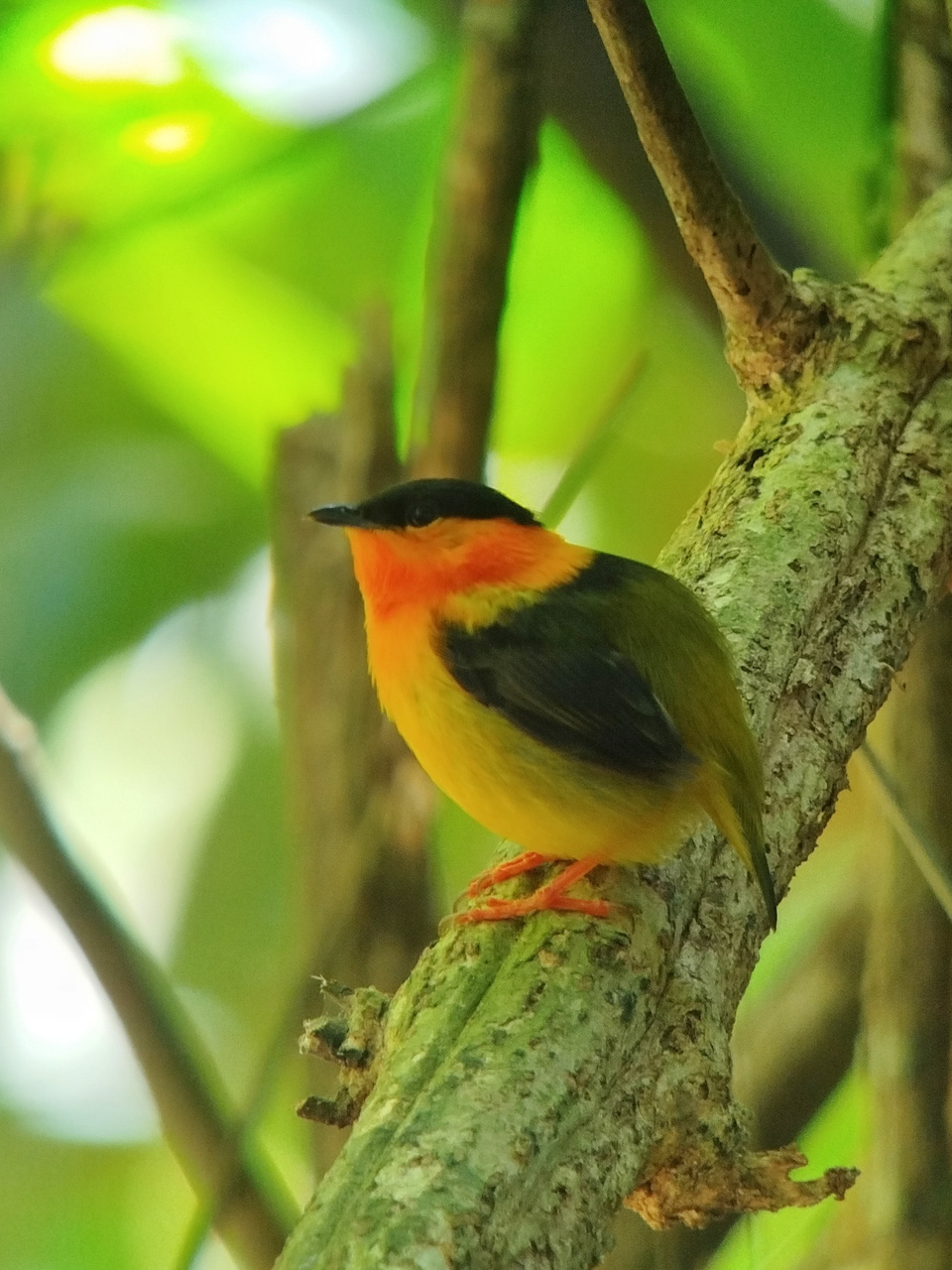
In Carara National Park, the group conducted intensive surveys along the Sendero La Meandrica and Quebrada Bonita trails. These areas are vital for observing "lekking" behavior, particularly in the Orange-collared Manakin (Manacus aurantiacus). Other significant observations included the Great Curassow (Crax rubra) and the Royal Flycatcher (Onychorhynchus coronatus), the latter known for its spectacular but rarely seen flamboyant crest.
Phase II: The Talamanca Highlands and the Search for Endemics
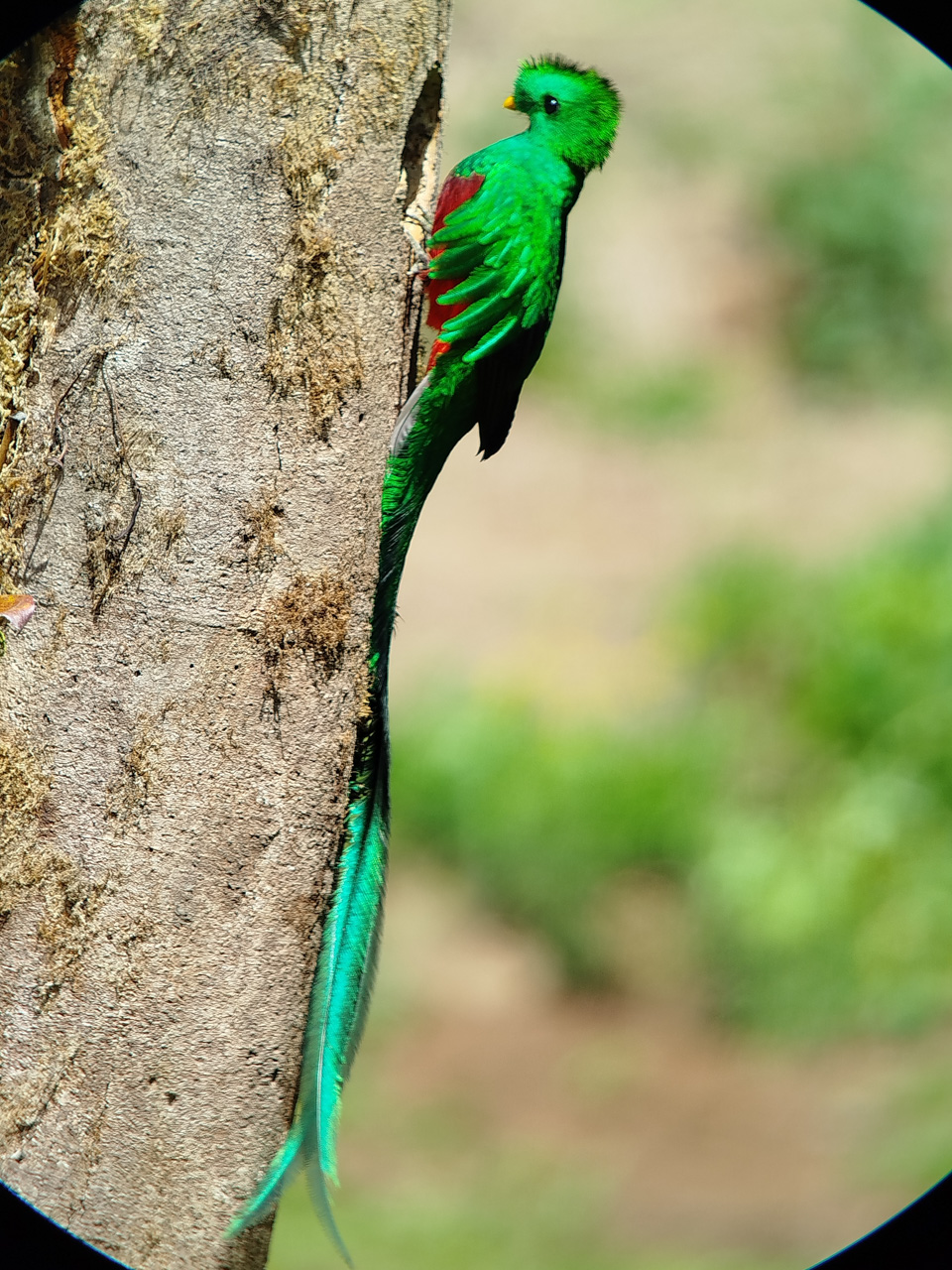
The mid-point of the tour involved an ascent into the Talamanca Mountains, a region defined by oak forests and high-altitude paramo. This area is essential for the study of regional endemics shared only with western Panama. The primary target for the group was the Resplendent Quetzal (Pharomachrus mocinno), a bird of immense cultural and ecological significance. The group successfully located a male specimen, providing an opportunity to observe the species’ dependence on the wild avocado trees (Aguacatillo) that dominate these cloud forests.
At the highest elevations, near Cerro Buenavista (approximately 3,400 meters above sea level), the expedition recorded the Volcano Junco (Junco vulcani), a species restricted to the treeless paramo of the highest peaks. The Paraíso Quetzal Lodge provided further data on highland hummingbirds, recording up to 21 Fiery-throated Hummingbirds (Panterpe insignis) at a single station. These high-altitude ecosystems are considered among the most vulnerable to climate change, as rising temperatures force species to move higher until no habitat remains.
Phase III: The Central Valley and Volcanic Corridors
The expedition then moved toward the Cartago region and the Orosi Valley. A notable highlight in this sector was the observation of 18 Hook-billed Kites (Chondrohierax uncinatus) soaring simultaneously near Culebra Brenes. This species is typically elusive and solitary; such a large concentration is an infrequent occurrence that suggests a significant local abundance of their primary prey—tree snails.
The journey continued north to the Arenal Observatory Lodge, situated on the flanks of the Arenal Volcano. This location serves as a critical corridor between the highland forests and the Caribbean lowlands. The group recorded the Ornate Hawk-Eagle (Spizaetus ornatus), a powerful forest raptor that requires large tracts of undisturbed primary forest to survive. The presence of such apex predators is often used by biologists as an indicator of a healthy, functioning ecosystem.
Phase IV: Caribbean Lowlands and the La Selva Biological Station
The final stage of the tour took place at the Estación Biológica La Selva in the Caribbean lowlands. Operated by the Organization for Tropical Studies (OTS), La Selva is one of the most important sites for tropical research in the world. The expedition’s findings here were headlined by the Agami Heron (Agamia agami), a reclusive species often referred to as the "forest heron" due to its preference for shaded, secluded watercourses.
The group also confirmed the presence of the Great Green Macaw (Ara ambiguus). This species is currently classified as Critically Endangered, with a global population estimated at fewer than 1,000 mature individuals. Its presence in the Caribbean lowlands is tied to the Dipteryx oleifera (Almendro) tree, which provides both nesting sites and a primary food source. The sighting underscores the necessity of trans-boundary conservation efforts to protect the remaining biological corridors used by these birds.
Supporting Data and Conservation Status
The 11-day tour successfully logged a significant percentage of Costa Rica’s total avian diversity. Preliminary counts suggest the group identified over 300 species through visual and auditory confirmation.
| Species Category | Key Species Observed | Conservation Status (IUCN) |
|---|---|---|
| Psittacines | Great Green Macaw | Critically Endangered |
| Psittacines | Scarlet Macaw | Least Concern (Recovering) |
| Trochilidae | Mangrove Hummingbird | Near Threatened |
| Trogonidae | Resplendent Quetzal | Near Threatened |
| Ardeidae | Agami Heron | Vulnerable (Regional Concern) |
| Accipitridae | Ornate Hawk-Eagle | Near Threatened |
The data gathered by such tours is frequently uploaded to citizen science platforms like eBird, which provides researchers with real-time information on avian populations and migration patterns. This information is vital for the Costa Rican Ministry of Environment and Energy (MINAE) in determining land-use policies and protected area boundaries.
Economic and Social Implications of Birding Tourism
The Sampler tour highlights the significant economic impact of ecotourism on the Costa Rican economy. According to the Costa Rican Tourism Institute (ICT), birdwatching is a high-yield tourism sector, with participants typically staying longer and spending more in rural communities than traditional "sun and sand" tourists.
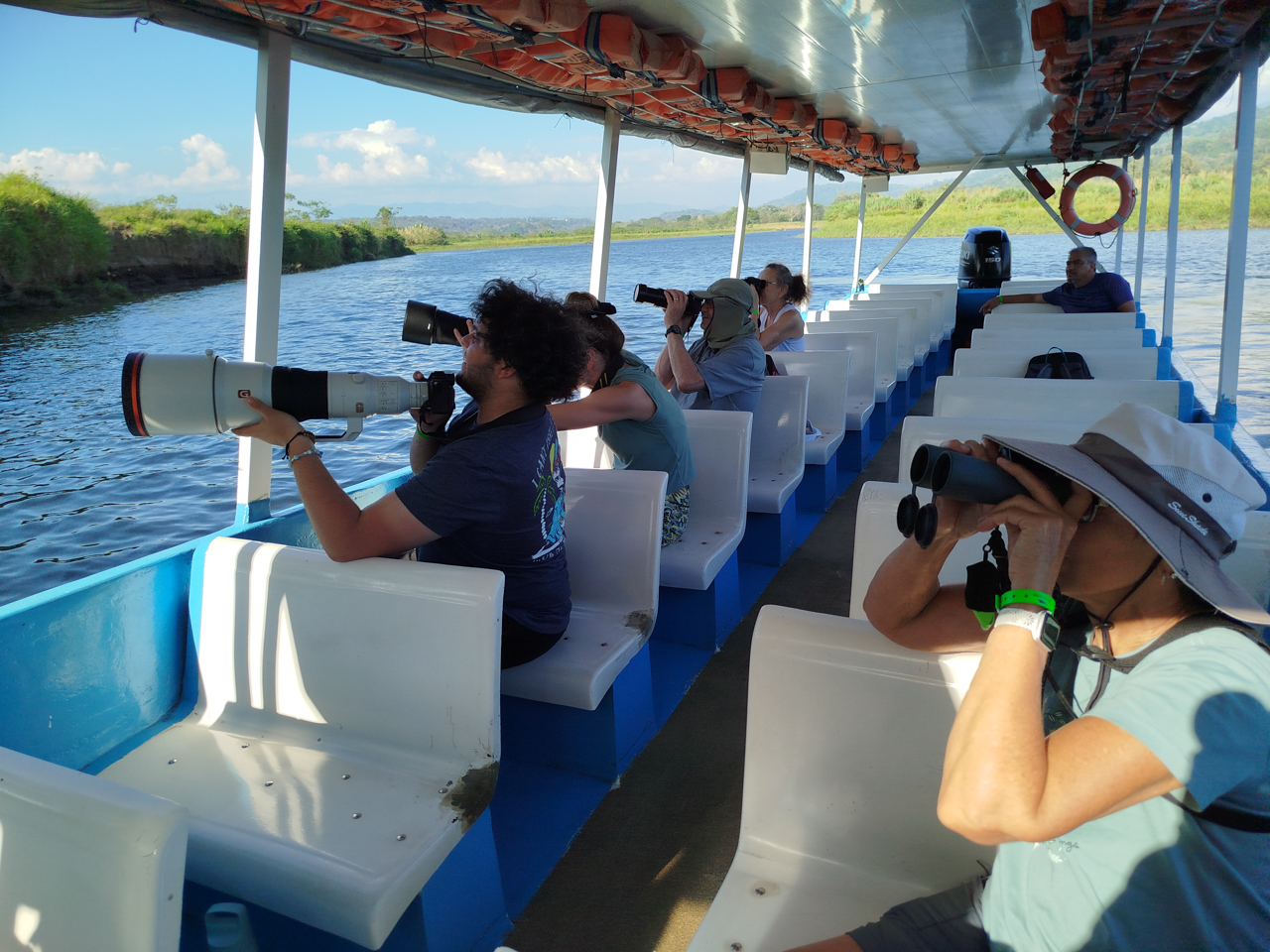
Local lodges, such as Hotel Quelitales and Paraíso Quetzal Lodge, represent a model of sustainable development where private land ownership is leveraged for conservation. By providing habitat for rare species, these establishments create a direct financial incentive for forest preservation over agricultural conversion. The "Group Photo" at the end of the tour represents a demographic of international travelers whose financial contributions support local guides, park rangers, and hospitality staff in remote regions.
Broader Implications and Future Outlook
The success of the 11-day expedition reinforces the necessity of biological corridors. Species like the Resplendent Quetzal and the Great Green Macaw do not remain within the static boundaries of national parks; they require altitudinal migration paths and connected forest fragments to survive seasonal changes in food availability.
As habitat fragmentation continues to threaten Neotropical biodiversity, the role of organized birding expeditions becomes increasingly important. These tours not only document the presence of rare species but also raise international awareness and funding for conservation initiatives. The findings from this year’s Sampler tour suggest that while many populations remain stable due to Costa Rica’s aggressive environmental protections, the continued monitoring of endangered species like the Great Green Macaw remains a priority for the international scientific community.
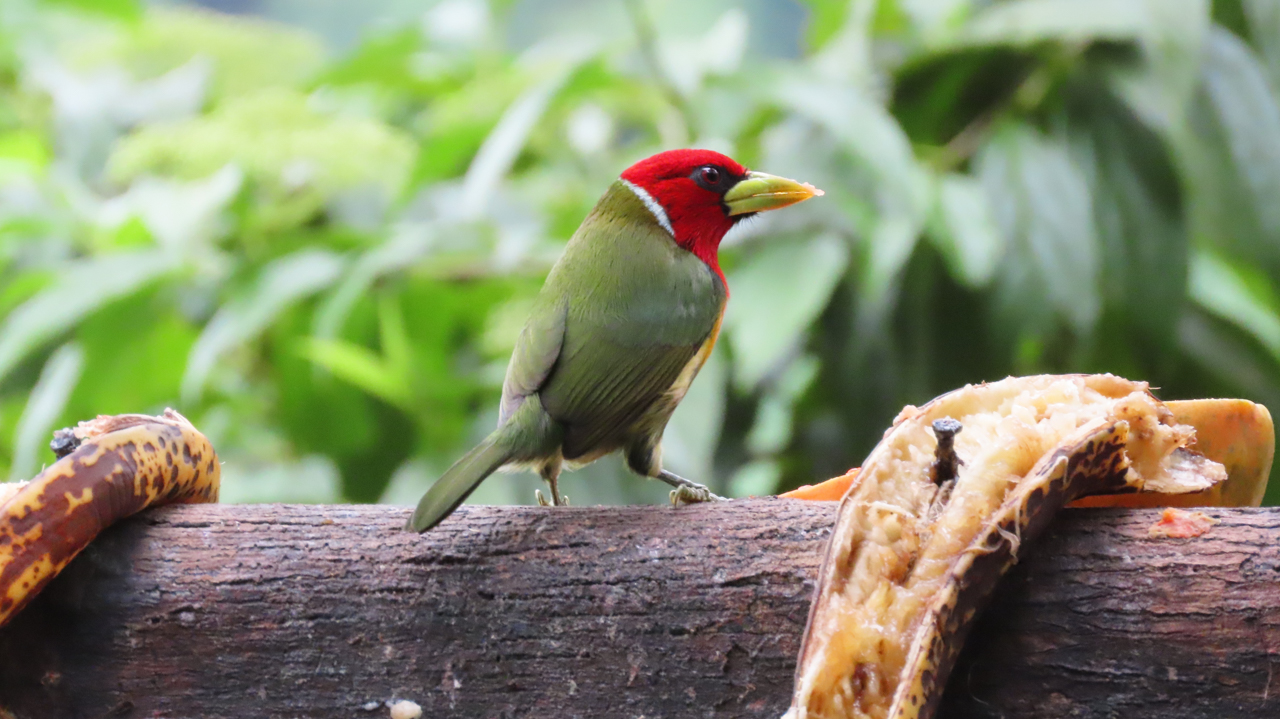
The expedition concluded with a final stop at the Cinchona hummingbird gallery, a site that was famously rebuilt after the 2009 earthquake. The presence of the Red-headed Barbet (Eubucco bourcierii) and the Emerald Toucanet at the feeders served as a reminder of the resilience of both the wildlife and the people of Costa Rica. The group departed San José on March 23, having completed a circuit that serves as a benchmark for Neotropical birding and conservation assessment.
