
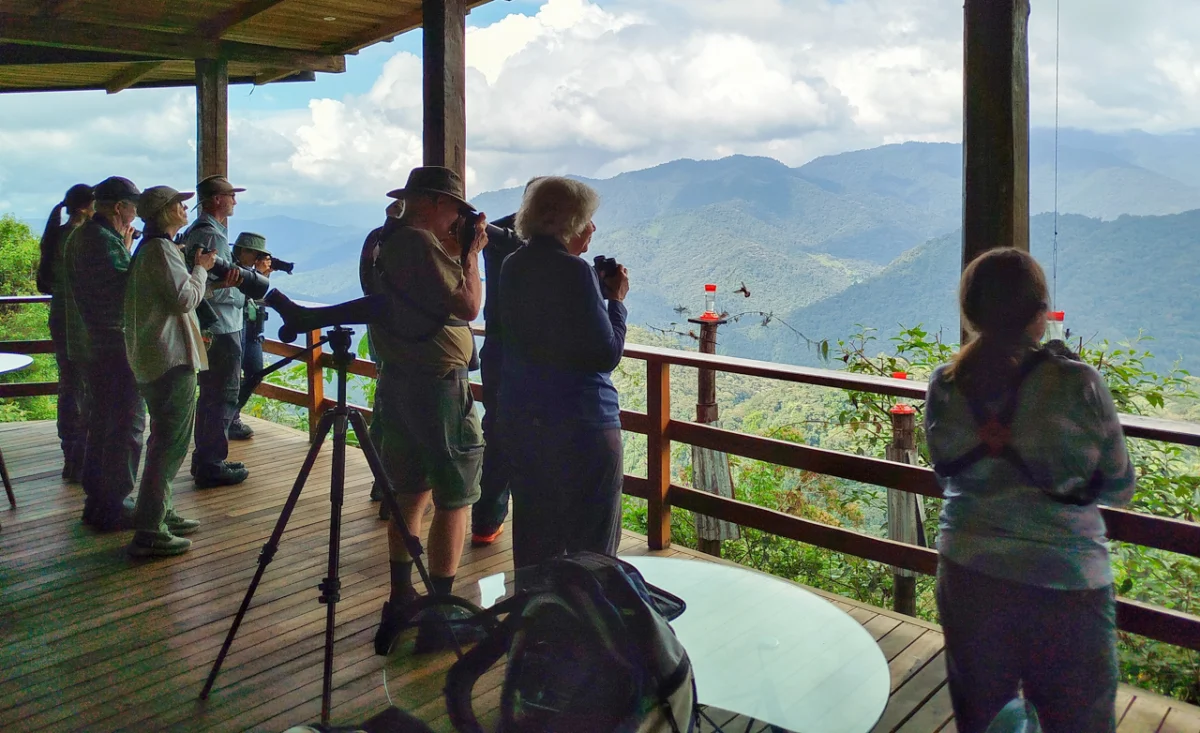
Ecuador has once again demonstrated its status as a premier global destination for ornithological study and ecotourism following a 17-day expedition that recorded 556 distinct bird species. The journey, which spanned from late March to mid-April, traversed a complex transect of the Ecuadorian landscape, beginning in the dry inter-Andean valley of Puembo, ascending the high-altitude páramo of Papallacta, and descending through the Chocó cloud forests and Amazonian foothills before concluding in the deep rainforest of the Sani Isla community. Led by ornithological experts Ernesto Carman and a team of local specialists, the expedition provided a comprehensive survey of the country’s avian diversity and highlighted the critical role of community-led conservation in preserving these fragile habitats.
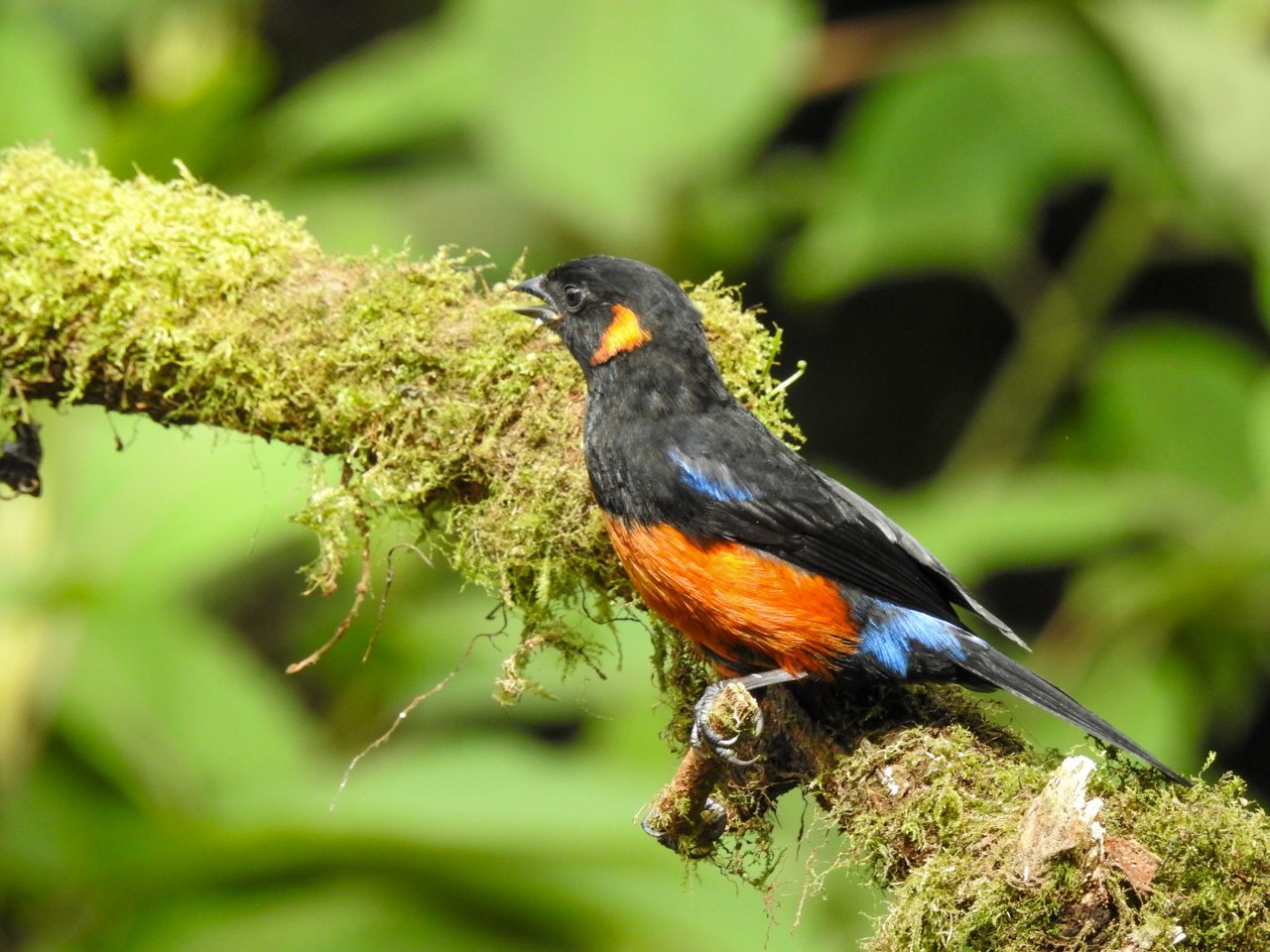
Ecological Overview and the Chocó Bioregion
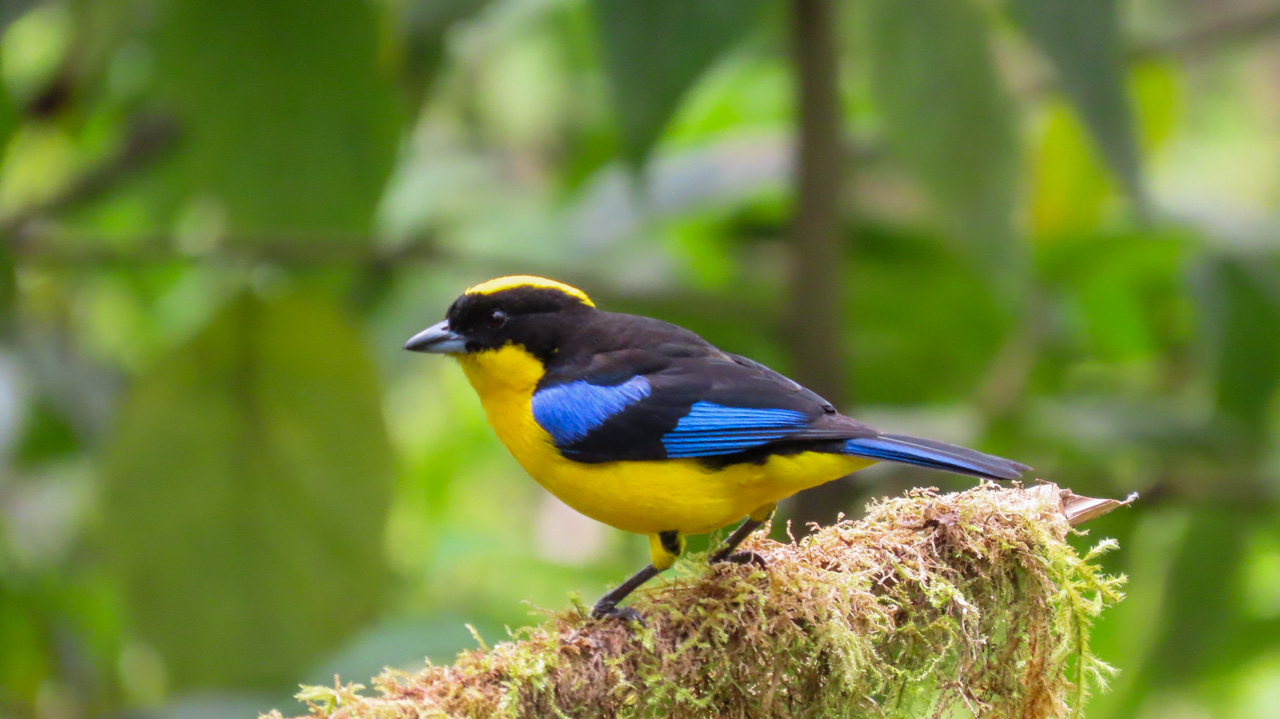
The expedition commenced on March 30 in Quito, serving as a staging point for a descent into the western slope’s Chocó cloud forest. The Chocó-Andean corridor is recognized by conservationists as one of the most biodiverse regions on Earth, characterized by high levels of endemism due to its isolation from the Amazon basin by the Andean cordillera.
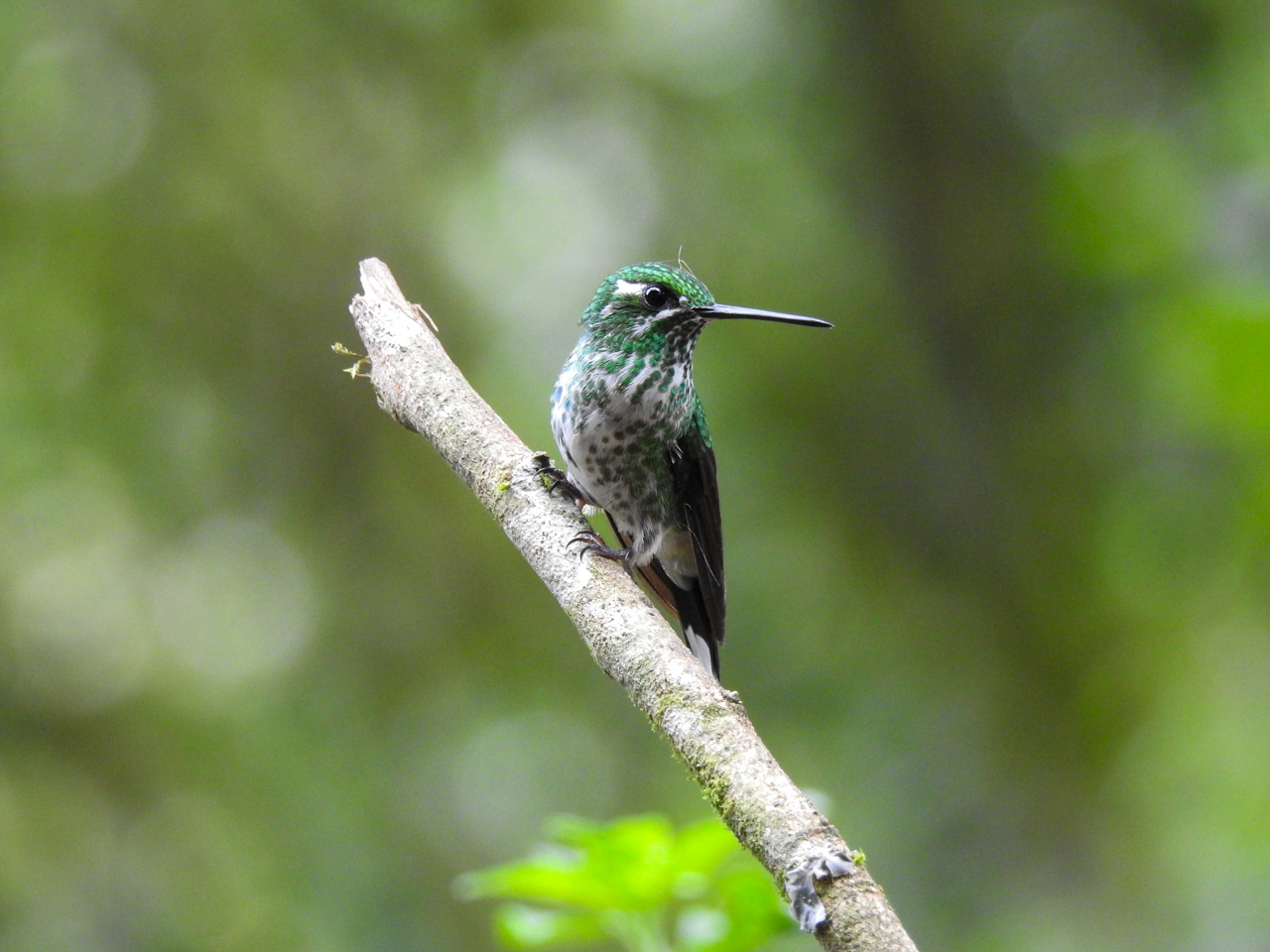
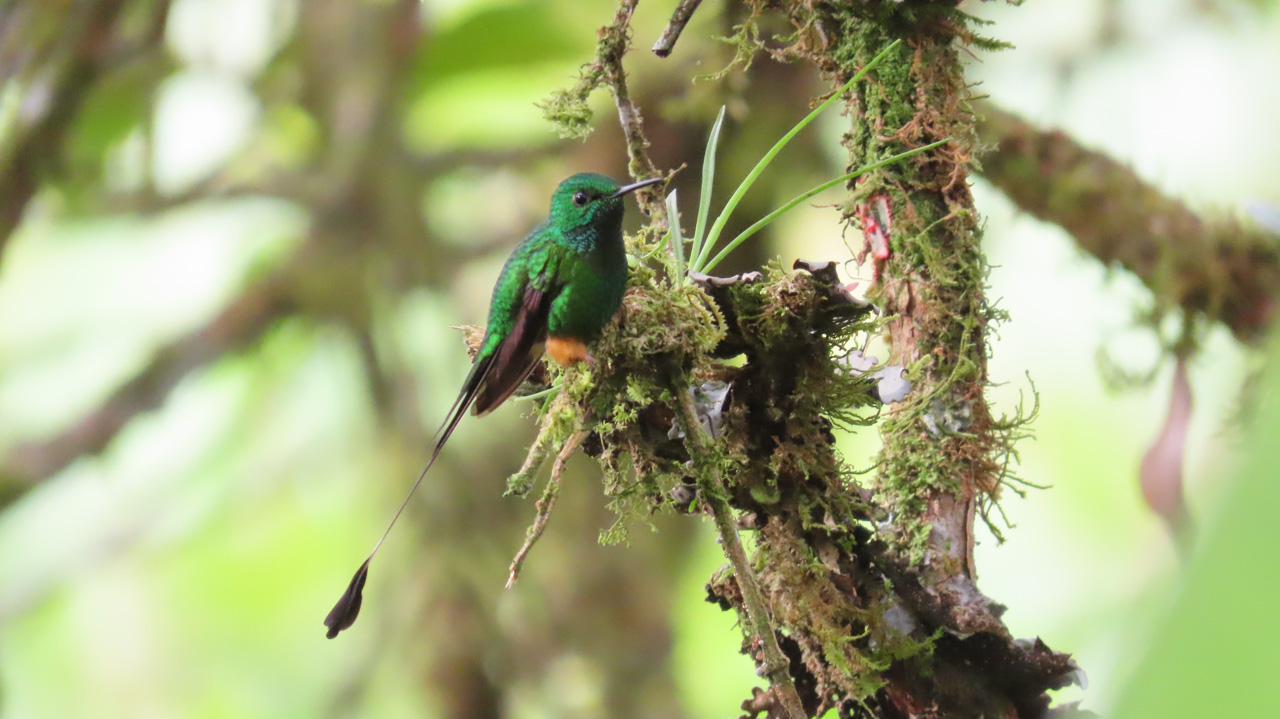
Between March 31 and April 3, the group focused on the Sachatamia Lodge and surrounding reserves such as Zuro Loma. Observations at these altitudes (approximately 2,000 to 3,000 meters) revealed highly specialized species including the Sword-billed Hummingbird (Ensifera ensifera), the only bird species with a bill longer than its body, adapted specifically for feeding on long, tubular flowers like Passiflora mixta.
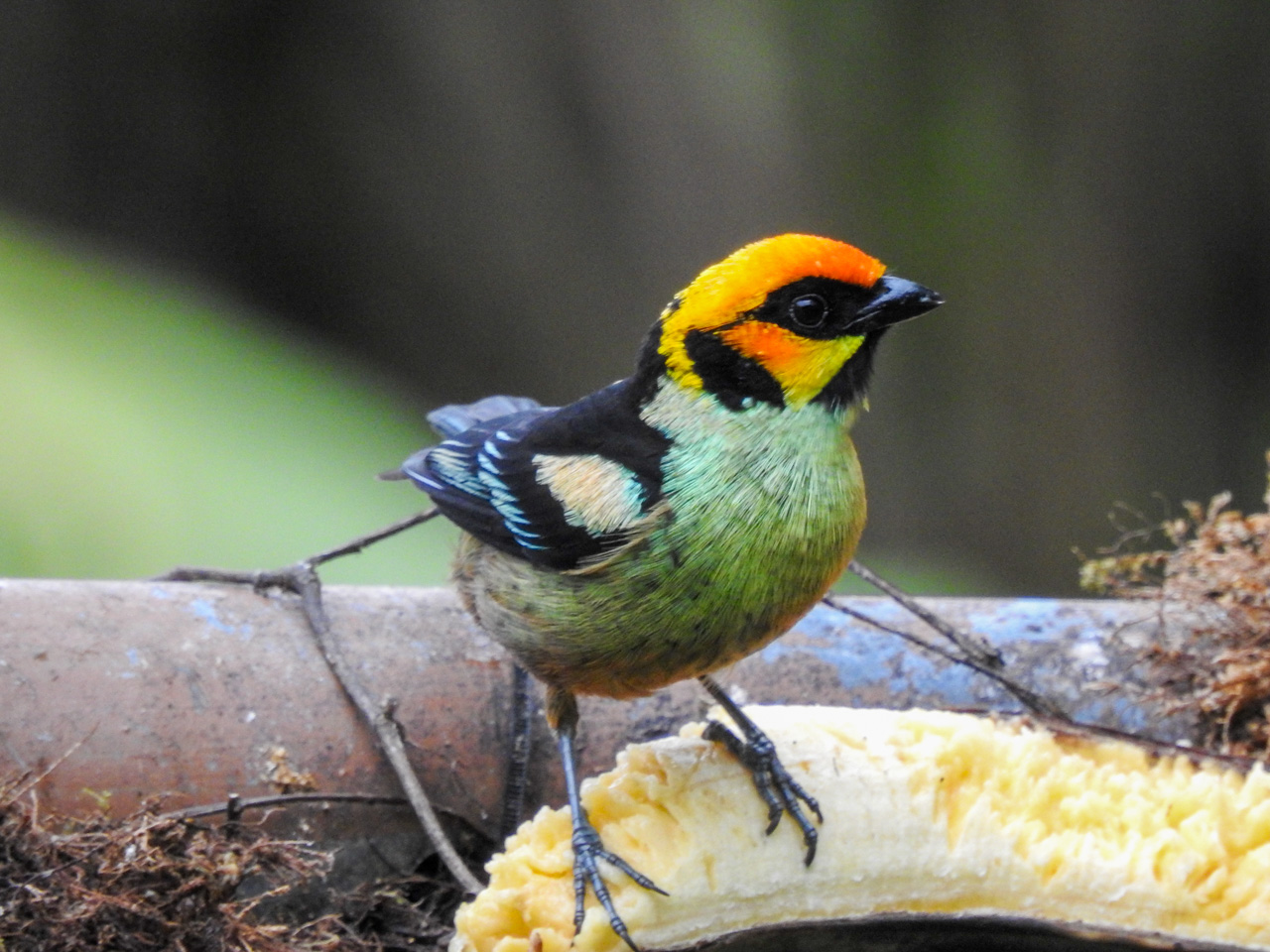
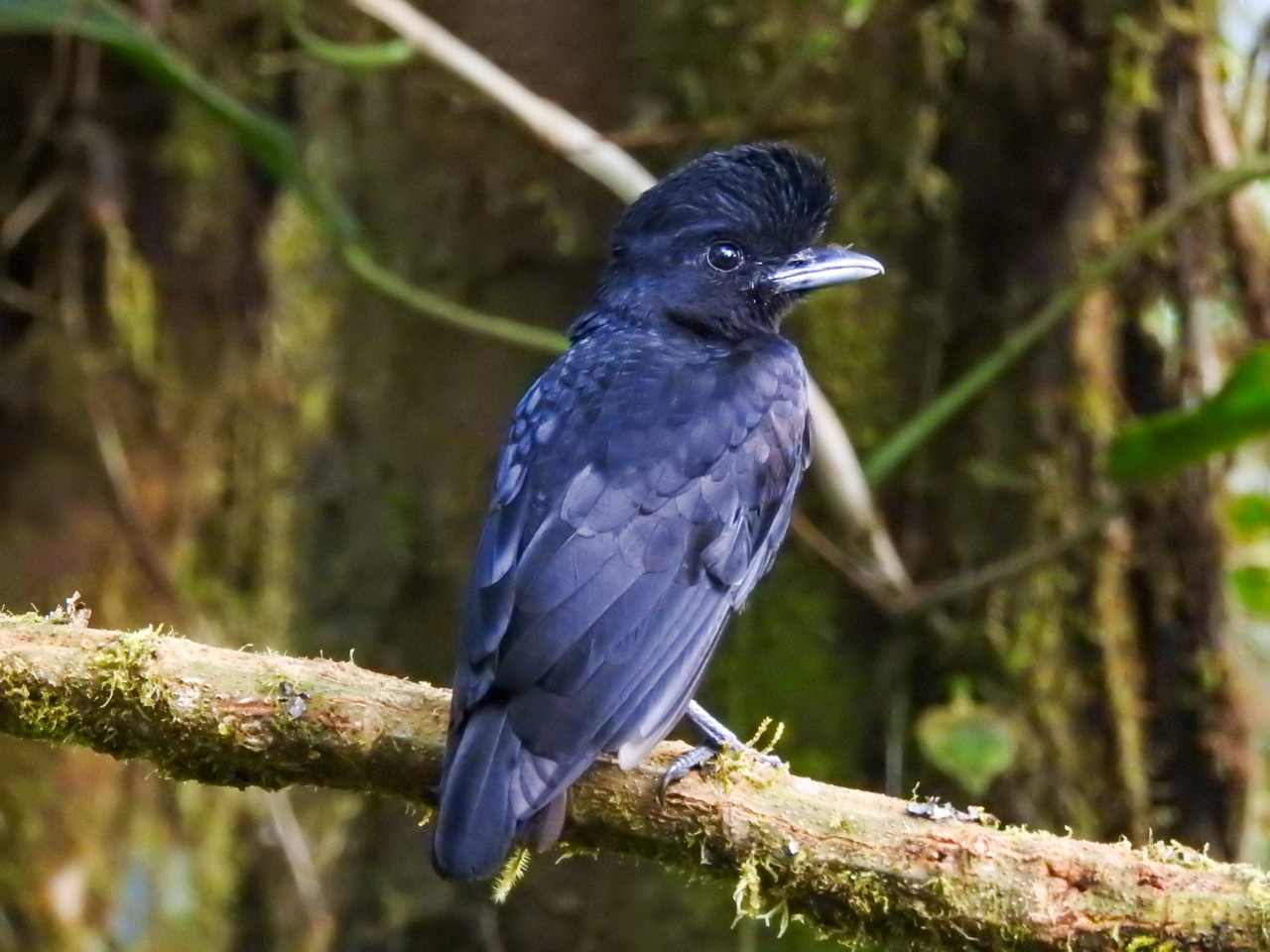
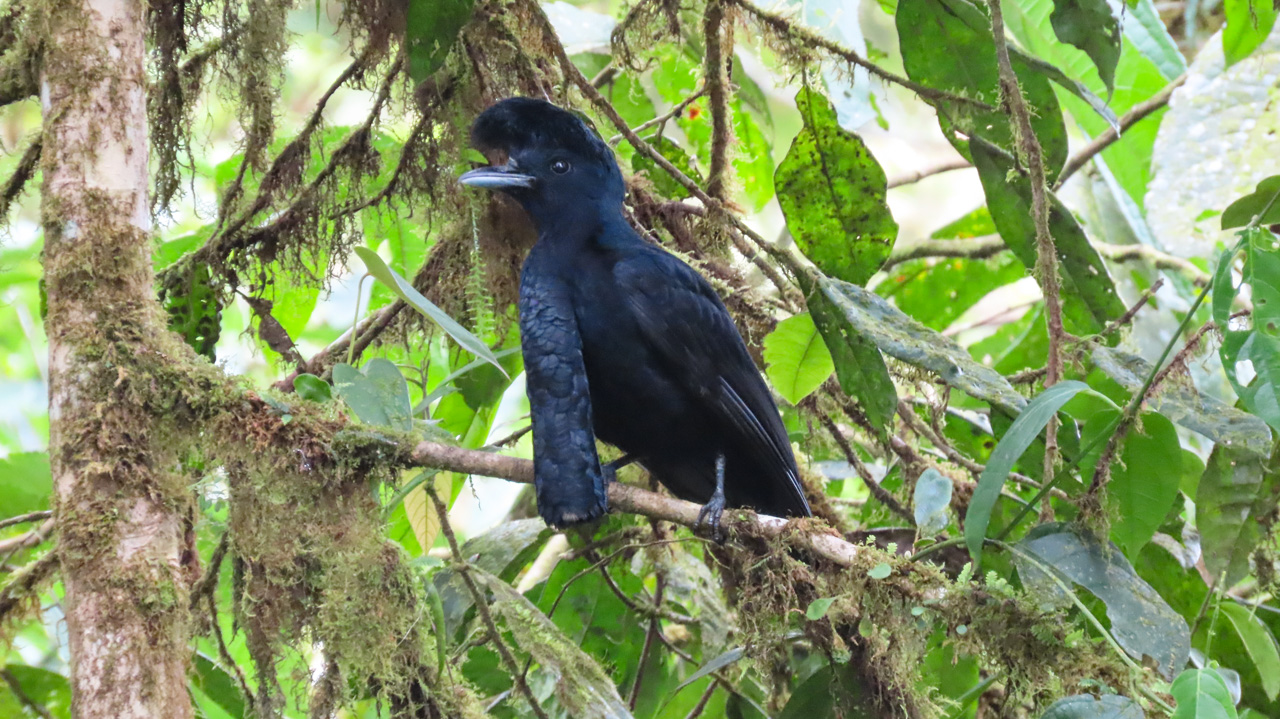
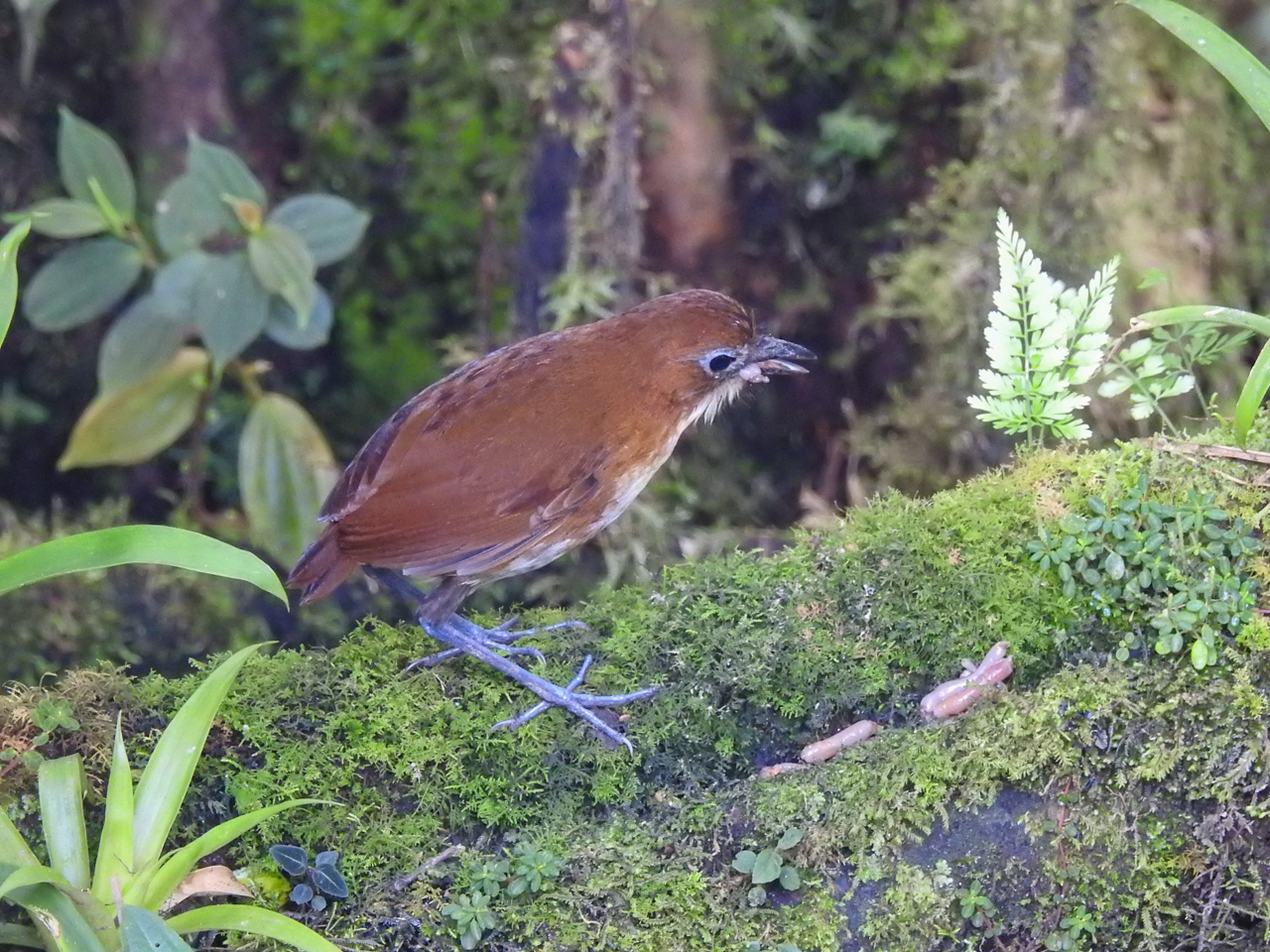
A significant highlight of the western phase was the visit to Refugio Paz de las Aves. This site is internationally renowned for the work of Don Ángel Paz, a former logger who pioneered the practice of habituating elusive antpittas to human presence using worm feeders. The expedition successfully documented the Yellow-breasted Antpitta, a species typically noted for its extreme shyness. This segment of the tour emphasized the economic viability of "bird-based" conservation, where local landowners find greater financial stability in preserving standing forests for international observers than in traditional extractive industries.
High-Altitude Surveys and the Andean Crossing
The transition from the western slopes to the eastern Andes involved a dramatic shift in both temperature and oxygen levels. On April 3 and 4, the expedition moved through the Calacalí region toward the Papallacta radio antennas, situated within the Reserva Ecológica Cayambe-Coca. At elevations exceeding 4,300 meters, the flora shifts to the tundra-like páramo, dominated by cushion plants and Polylepis trees.
Despite the harsh conditions, the group recorded the Rufous-bellied Seedsnipe and the Andean Condor (Vultur gryphus). The condor is currently listed as Critically Endangered within Ecuador, with recent census data suggesting fewer than 150 individuals remain in the wild. A sighting of a pair drifting over the ridgeline provided valuable confirmation of the species’ continued presence in the Cayambe-Coca corridor.
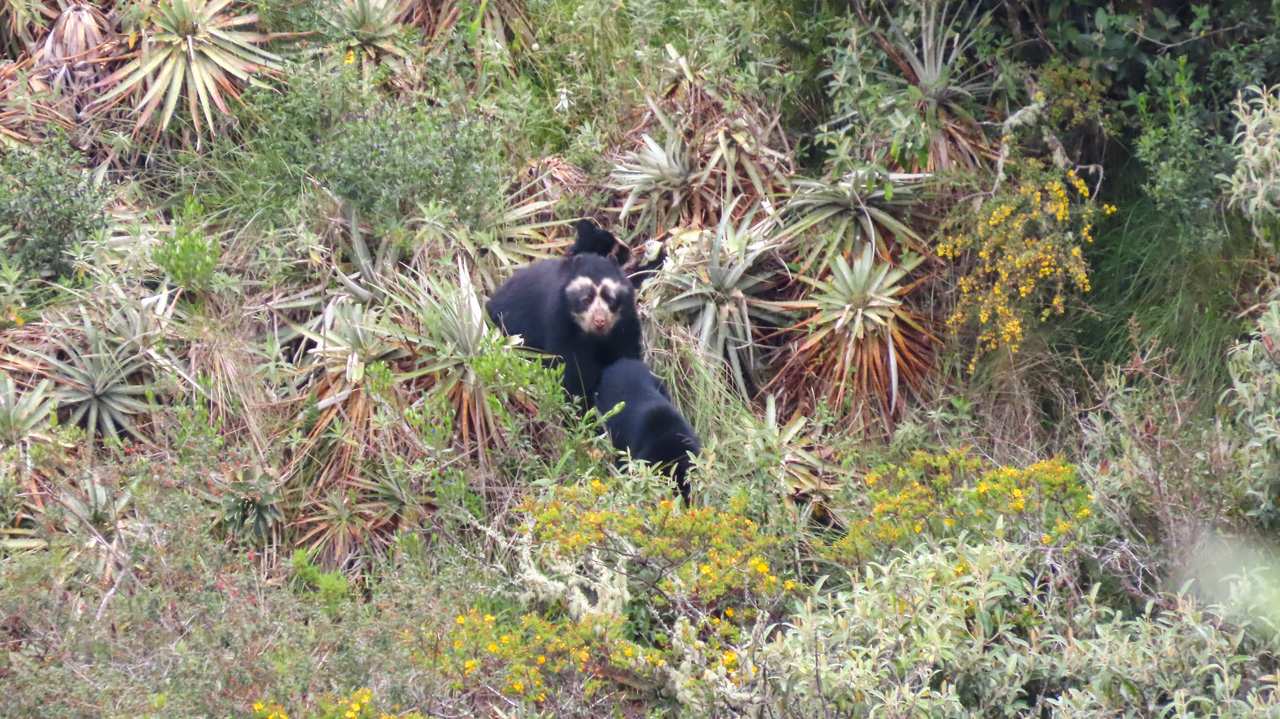
In a rare mammalian encounter, the group also documented a female Andean Bear (Tremarctos ornatus), also known as the Spectacled Bear, with two cubs. This species is the only bear native to South America and is classified as Vulnerable by the IUCN. The observation of the bears feeding on achupalla (Puya plants) highlights the importance of maintaining high-altitude biological corridors that allow large mammals to move between protected areas.
Eastern Slope Cloud Forests and Foothill Biodiversity
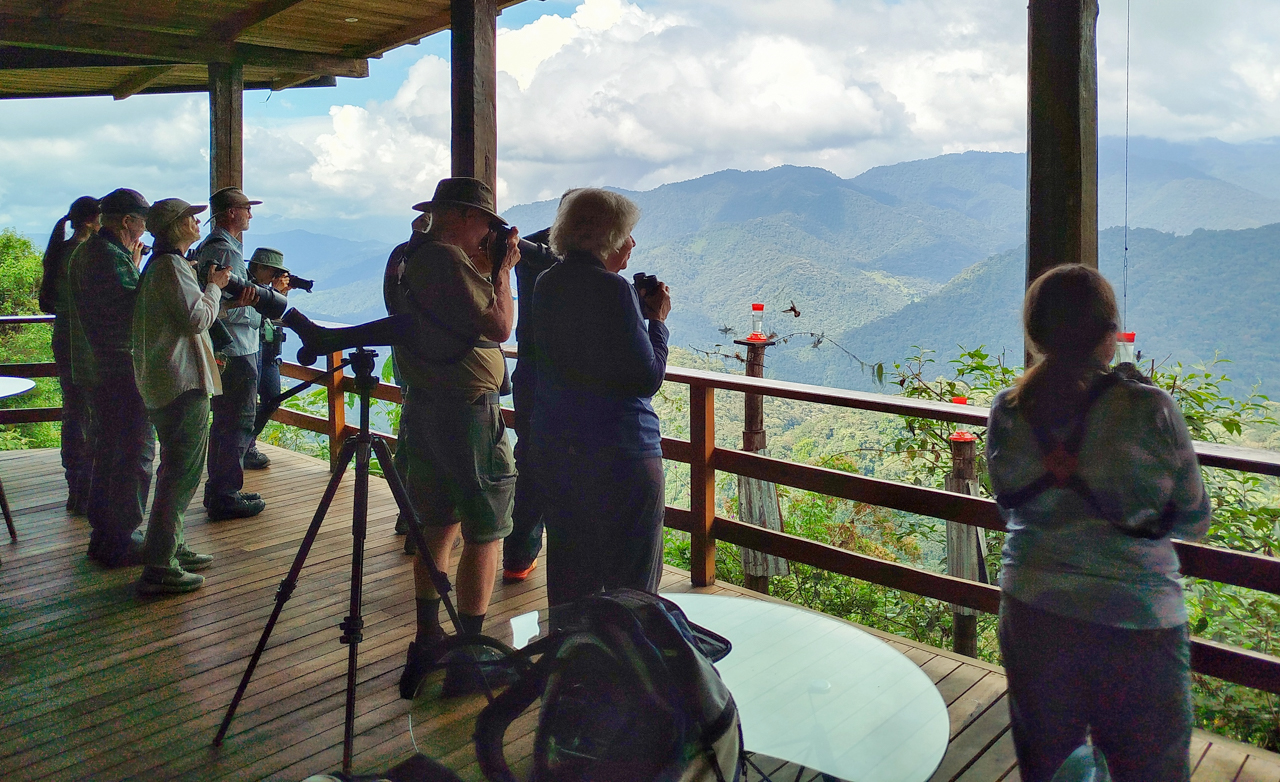
Descending the eastern slope, the expedition arrived at Guango Lodge and Cabañas San Isidro, situated in the temperate and subtropical cloud forests. This region acts as a moisture trap for clouds rising from the Amazon, resulting in a moss-draped environment with an exceptionally high density of hummingbird species.
At San Isidro, the expedition focused on the "San Isidro Owl," an as-yet-undescribed population of Black-banded Owl that exhibits distinct vocalizations and plumage variations compared to lowland populations. The presence of such birds underscores the ongoing nature of taxonomic discovery in the Andes. Furthermore, the documentation of the Black-and-chestnut Eagle (Spizaetus isidori) was noted as a significant event. As a large forest raptor that requires extensive primary forest, its presence is a biological indicator of a healthy, intact ecosystem.
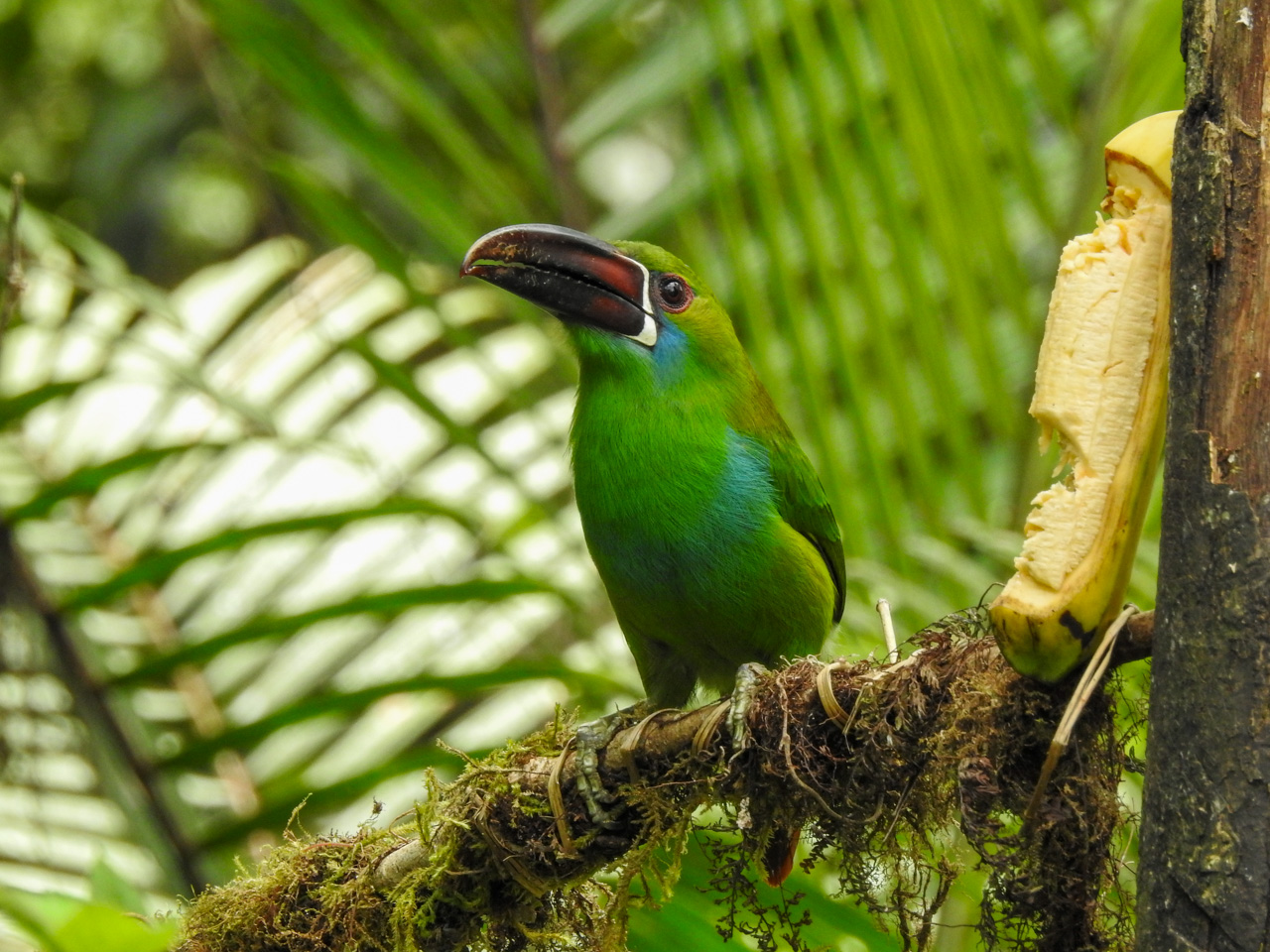
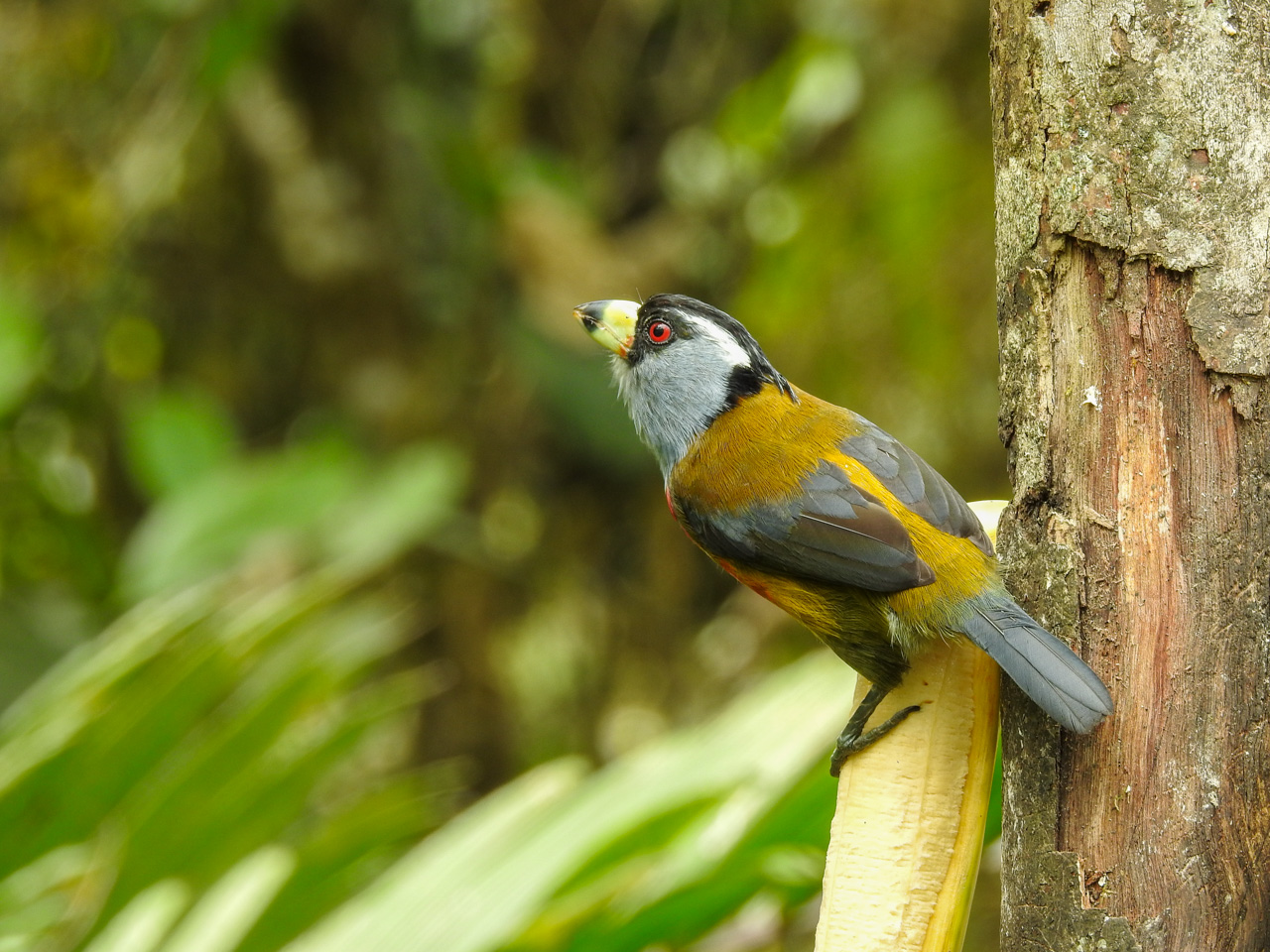
The journey continued into the foothills of Sumaco, where the WildSumaco Lodge serves as a transition zone between the mountains and the lowlands. The "foothill" belt (800 to 1,500 meters) is often cited as the most species-rich zone in the tropics. Here, the team collaborated with Byron Gualavisí, a local guide involved in the Amarún Pakcha community project. This initiative combines cultural research with forest protection, demonstrating how indigenous knowledge and modern conservation can intersect to protect lekking sites for species like the Andean Cock-of-the-rock.
Deep Amazonian Stewardship at Sani Isla
The final leg of the expedition (April 10–14) took place in the Amazonian lowlands at Sani Lodge. Unlike many commercial operations, Sani Lodge is entirely owned and managed by the Kichwa community of Sani Isla. The community’s territory encompasses 40,000 hectares of primary rainforest, which they have legally protected against oil exploration and industrial logging.
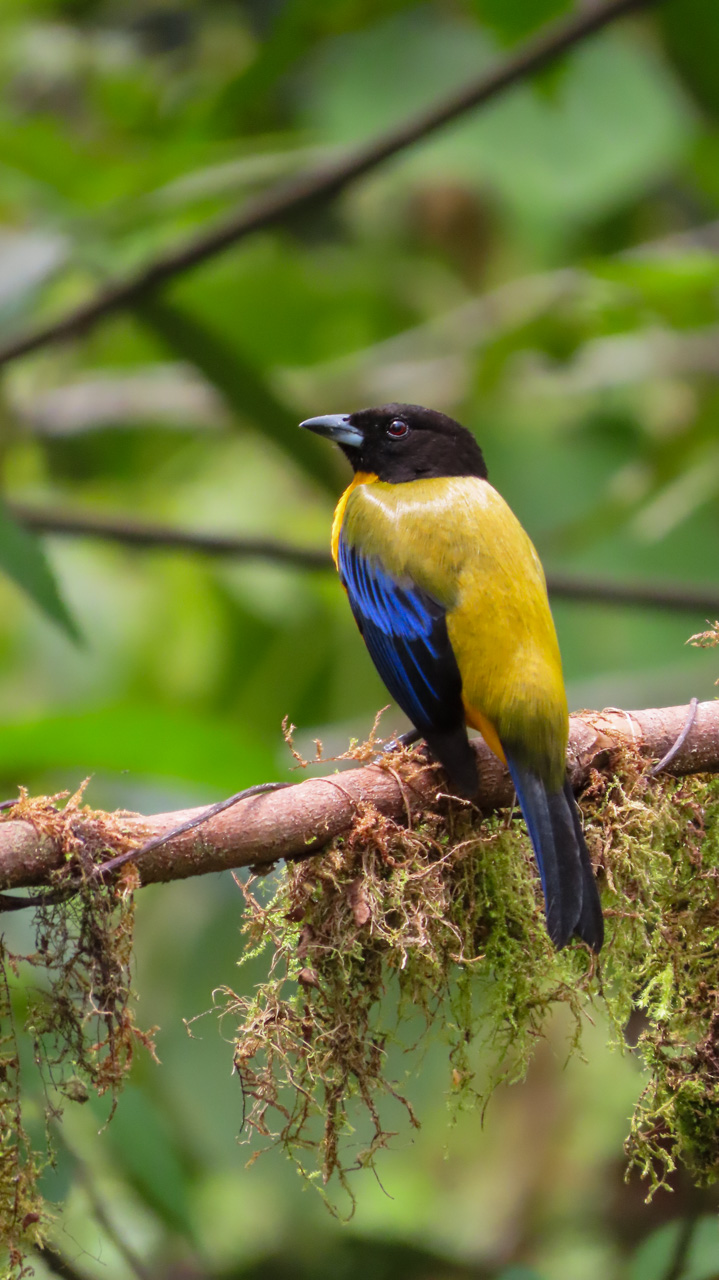
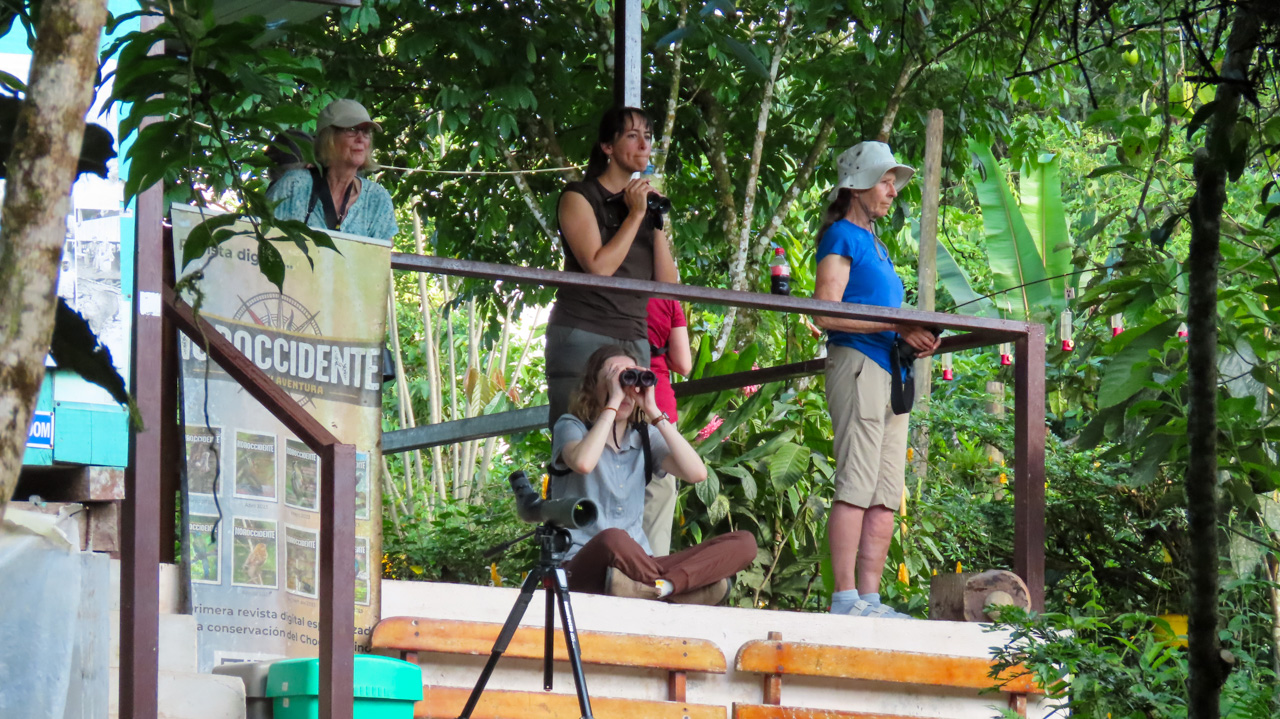
Operating from a 30-meter canopy tower built into a giant Ceiba tree, the expedition recorded canopy specialists such as the Spangled Cotinga and multiple species of aracaris. The use of canopy towers is essential for Amazonian research, as a significant percentage of rainforest biodiversity never descends to the forest floor.
The Sani Isla phase also included surveys of the "black-water" lagoon and the Napo River. The group documented the Hoatzin (Opisthocomus hoazin), a bird of ancient lineage that possesses a specialized digestive system similar to that of ruminants, allowing it to ferment leaves. The expedition also noted the presence of the Arapaima (Arapaima gigas), one of the world’s largest freshwater fish, which surfaces periodically to breathe air—a prehistoric adaptation to the oxygen-depleted waters of Amazonian oxbow lakes.
Supporting Data and Conservation Implications
The final tally of 556 species represents approximately one-third of the total bird species recorded in Ecuador, achieved in just over two weeks. This density of sightings is a testament to the country’s "Megadiverse" status. According to data from BirdLife International, Ecuador has more bird species per square kilometer than any other country in the world.
The economic impact of such expeditions is substantial. By utilizing seven different lodges and employing over a dozen local guides and community members, the expedition contributed directly to the local "green" economy. Statements from the guides at Sani and WildSumaco emphasized that international interest in birding provides the primary financial justification for preventing deforestation in their respective regions.
Conclusion and Final Observations
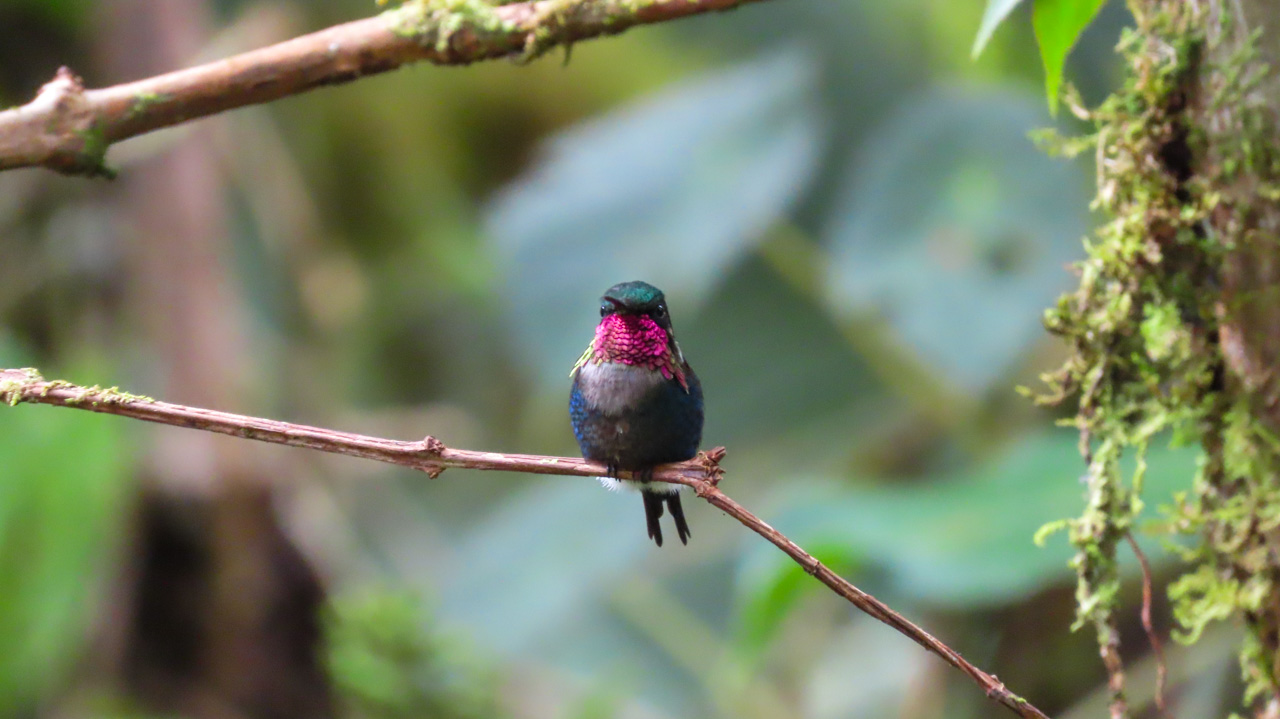
The expedition concluded on April 14 with a final survey at Tambo Cóndor, where a male Andean Condor was observed at close range on a cliff face, along with the Giant Hummingbird (Patagona gigas), the largest member of the Trochilidae family.
The 17-day transect provided several key takeaways for the scientific and conservation communities:
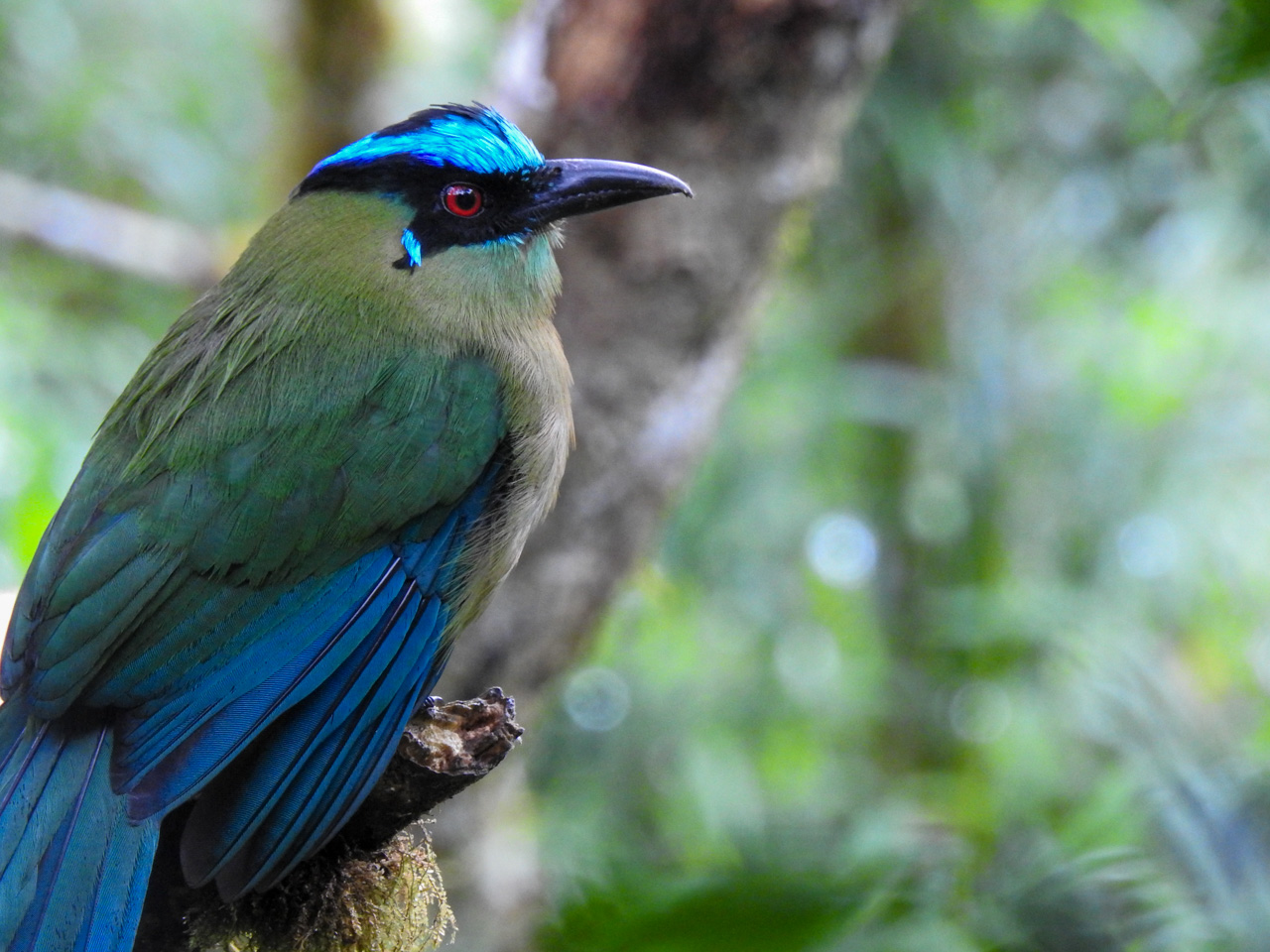
- The Efficacy of Private Reserves: Private and community-owned reserves (such as Zuro Loma and Sani Isla) are providing critical refuges for species that are increasingly threatened in state-run parks due to encroachment.
- Community-Based Models: The Sani Isla model proves that indigenous-led ecotourism can be a competitive and sustainable alternative to extractive industries in the Amazon.
- The Importance of Vertical Transects: Protecting single locations is insufficient; conservation must address the entire altitudinal gradient to allow for species migration and climate change adaptation.
As habitat loss continues to accelerate globally, the data collected during this 17-day survey serves as both a biological snapshot of Ecuador’s current health and a reminder of the immense natural heritage that remains at stake. The expedition’s success was attributed not only to the diversity of the landscape but also to the collaborative efforts of local "whisperers"—guides whose life work is the protection and study of their local avian populations.
