
A multi-day ornithological survey across Southern Florida has concluded with significant observations of rare and endemic species, underscoring the region’s critical role as a global avian sanctuary. Led by experienced field guides and involving a group of dedicated conservation enthusiasts, the expedition traversed over 600 miles of diverse terrain, including mangrove swamps, pine flatwoods, scrubby oak-pine forests, and remote maritime keys. The expedition recorded dozens of high-priority species, ranging from the federally threatened Florida Scrub-Jay to rare pelagic visitors in the Dry Tortugas, providing a contemporary snapshot of the health and diversity of Florida’s bird populations during the spring migration window.
Initial Observations in the Mangrove Ecosystems of Lee County
The survey commenced at the J. N. "Ding" Darling National Wildlife Refuge (NWR) on Sanibel Island. Spanning more than 6,400 acres, this refuge constitutes a significant portion of the largest undeveloped mangrove ecosystem in the United States. Mangroves serve as essential nurseries for marine life and vital nesting grounds for wading birds. During the initial phase of the survey, the team identified 47 distinct species within the refuge’s boundaries.
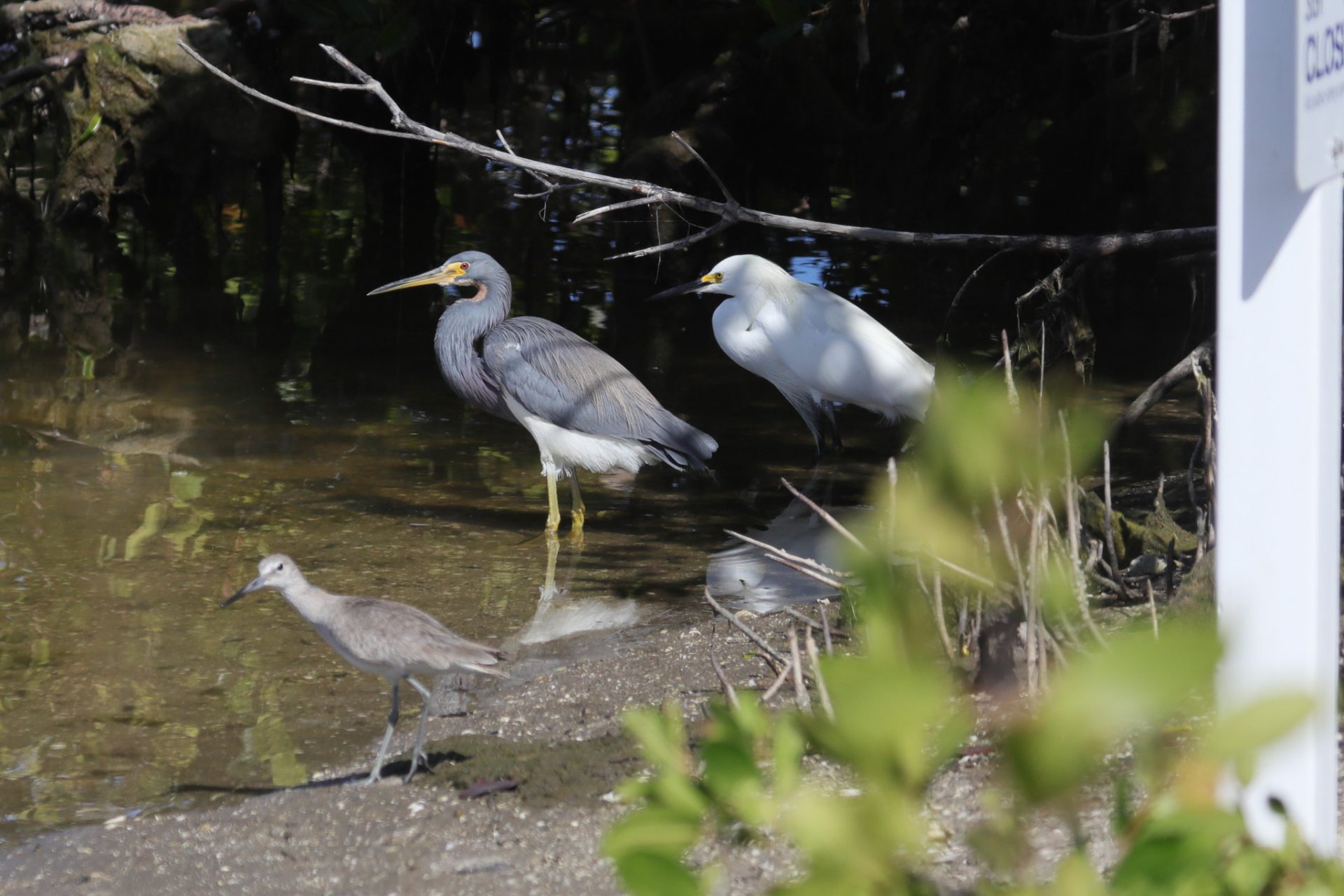
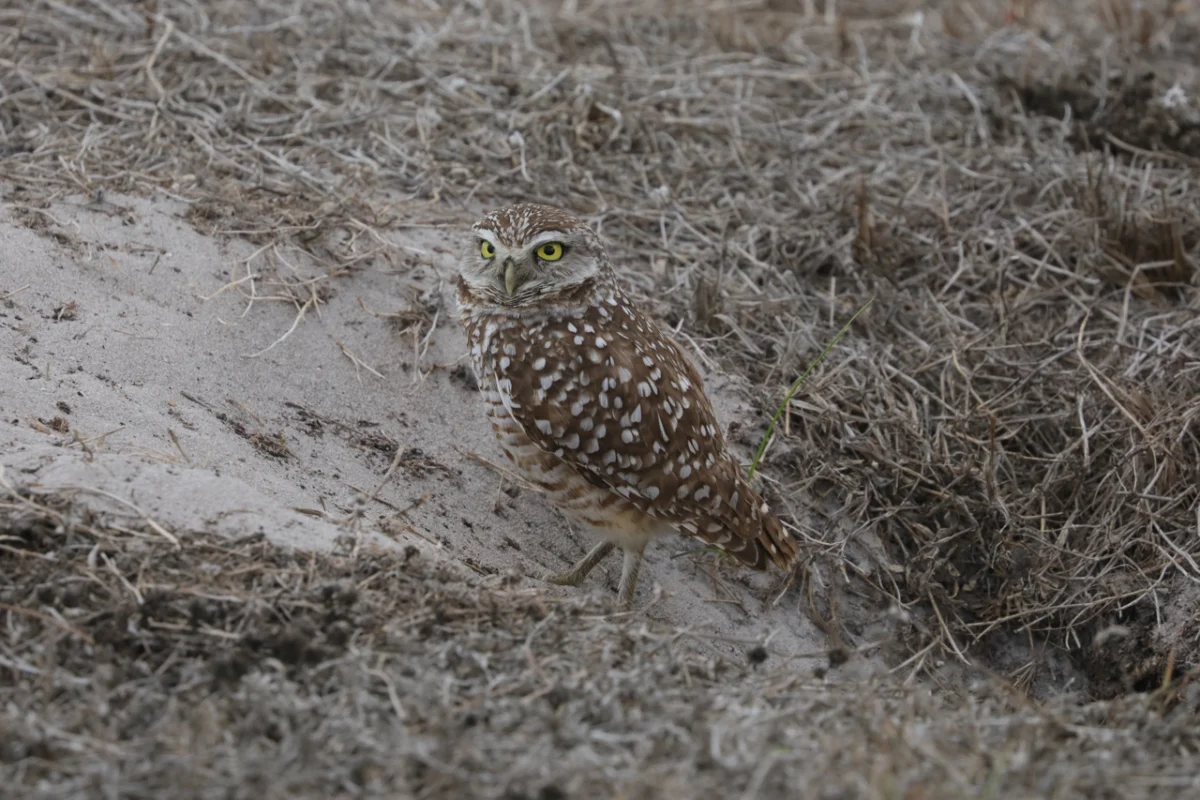
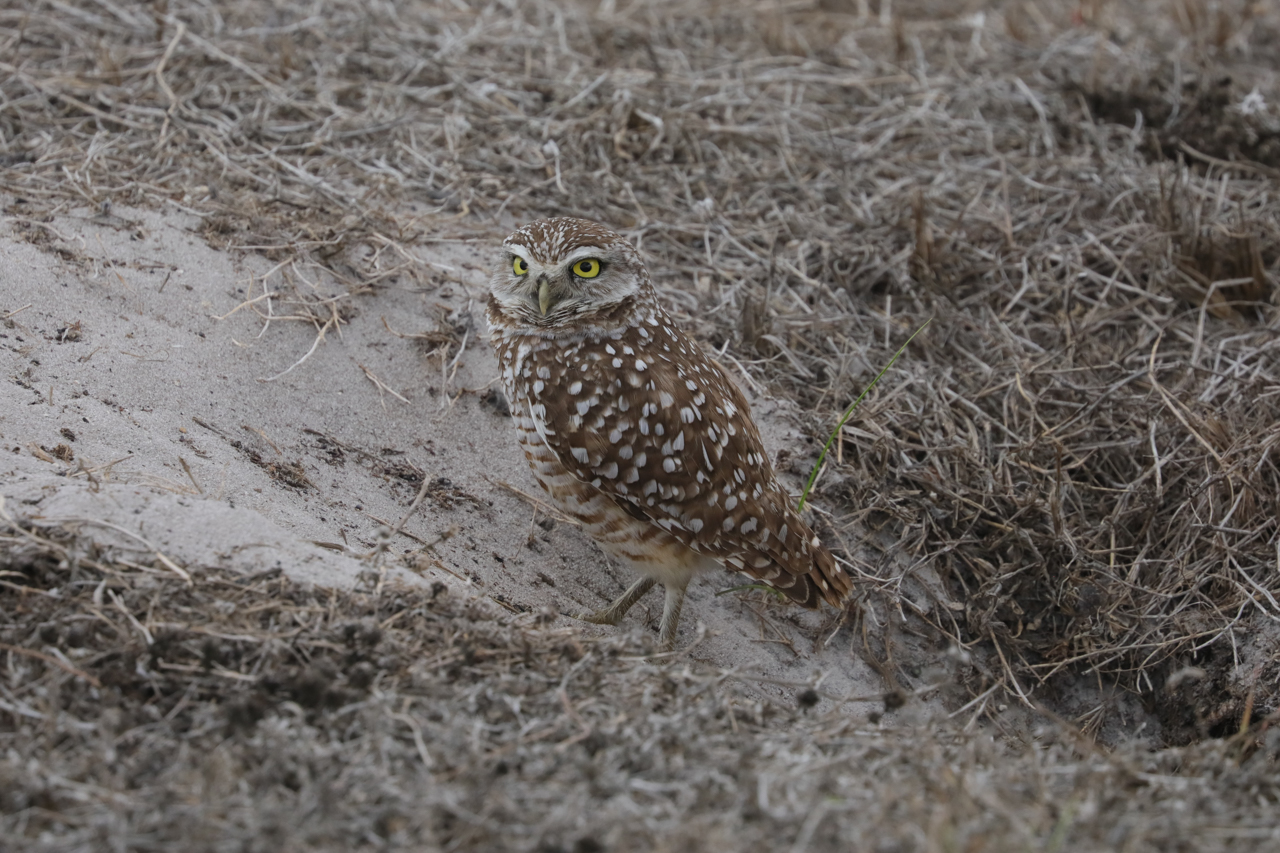
Key sightings included the Reddish Egret (Egretta rufescens), North America’s rarest heron, known for its distinctive "canopy feeding" behavior. The presence of the Florida Boat-tailed Grackle and the American White Pelican further highlighted the diversity of the Sanibel estuary. Beyond the refuge, the group conducted urban surveys in Fort Myers and Cape Coral, where they encountered the Burrowing Owl (Athene cunicularia floridana). In Southwest Florida, these owls have adapted to nesting in vacant lots and near municipal structures, such as the baseball fields at Pelican Boulevard. This adaptation highlights the intersection of urban development and wildlife conservation, as local ordinances now protect these nesting sites from encroachment.

The team also recorded the presence of both light and dark morphs of the Short-tailed Hawk (Buteo brachyurus). This species is of particular interest to ornithologists due to its limited range within the United States, with Florida representing the only state where the bird regularly breeds. The sighting of a dark morph over the Glover Bight Trail provided a rare opportunity to document the polymorphic variations of this tropical raptor.
Specialized Habitats: Pine Flatwoods and the Scrub-Jay Endemic
The second phase of the expedition shifted inland toward the Babcock-Webb Wildlife Management Area (WMA) and Lehigh Acres. These locations are characterized by pine flatwoods and scrubby oak habitats, which are essential for several highly specialized species. At Babcock WMA, the primary target was the Red-cockaded Woodpecker (Dryobates borealis). This bird is a habitat specialist, requiring mature, living pine trees afflicted with red heart rot for its cavity nesting. Because the woodpecker is a keystone species—creating cavities used by various other birds and mammals—its presence is a primary indicator of a healthy pine ecosystem.
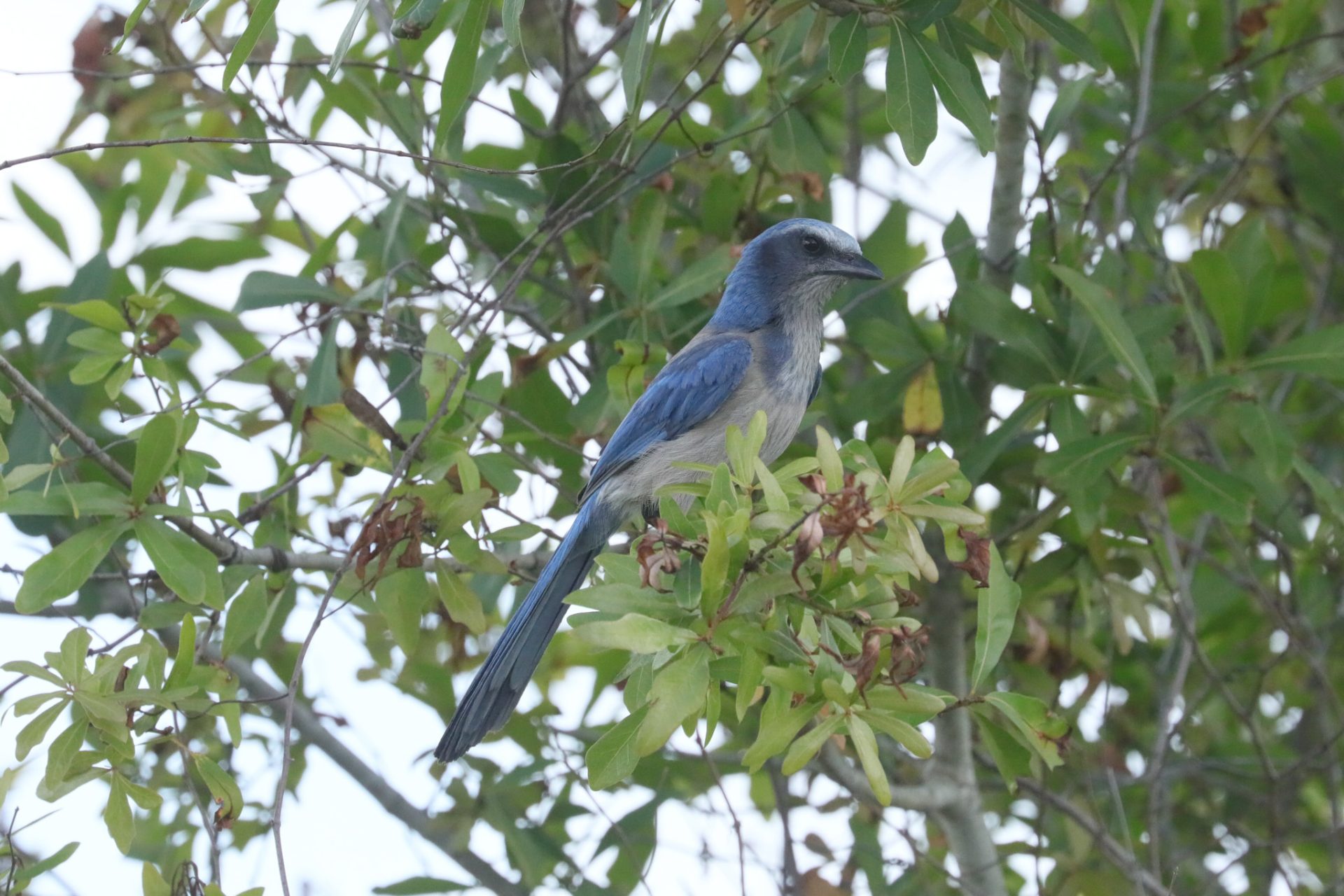
Following the success at Babcock WMA, the survey moved to Lehigh Acres to locate the Florida Scrub-Jay (Aphelocoma coerulescens), the only species of bird entirely endemic to the state of Florida. The Scrub-Jay is currently listed as a threatened species under the Endangered Species Act due to habitat fragmentation. The survey team successfully located a family group within a patch of undeveloped scrubby oak-pine forest. The observation of cooperative breeding—a social system where offspring from previous years help raise new fledglings—was a highlight of the Lehigh Acres survey, demonstrating the resilience of the species in remaining fragmented habitats.
Wetland Dynamics and the Everglades Watershed
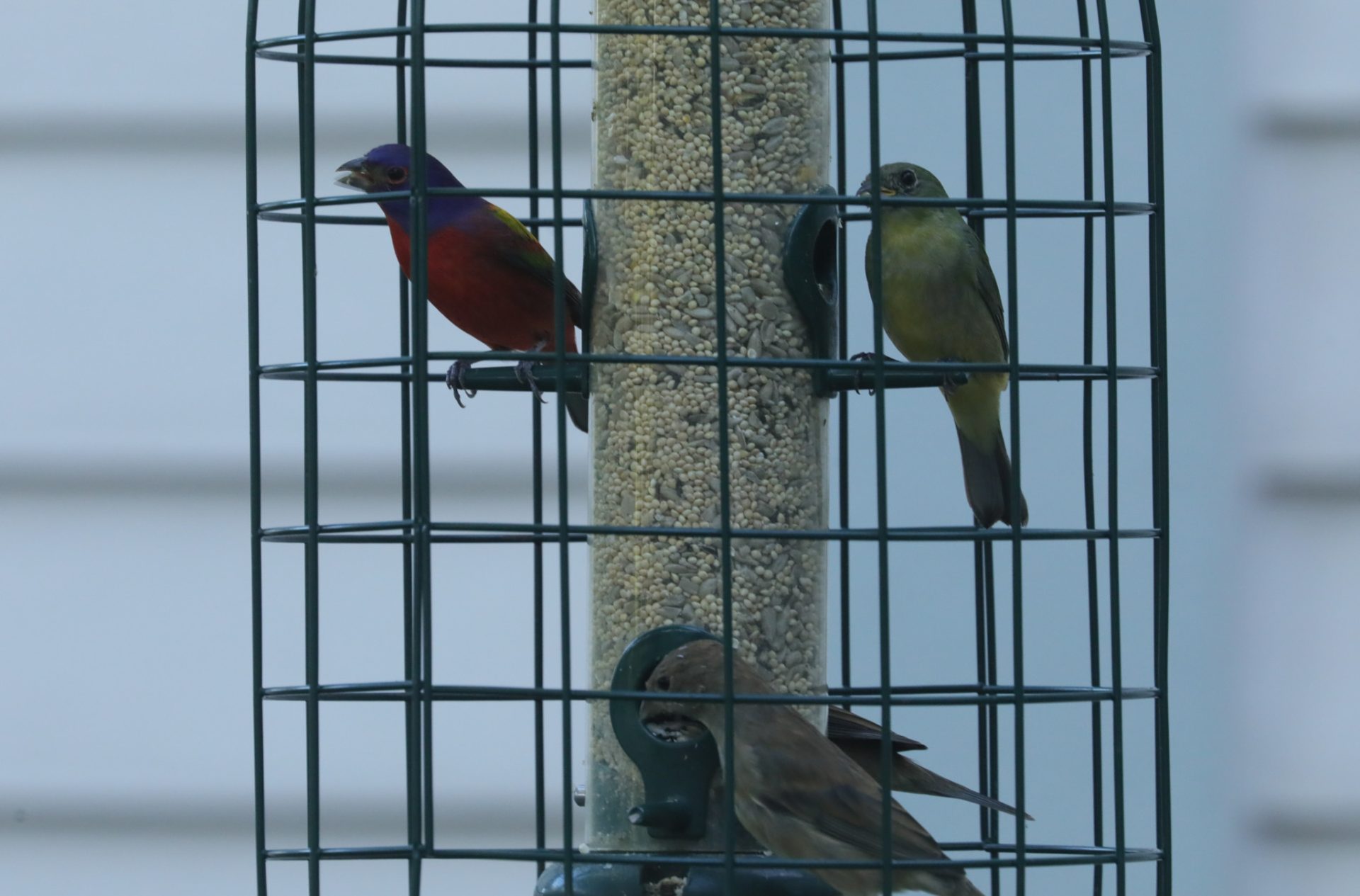
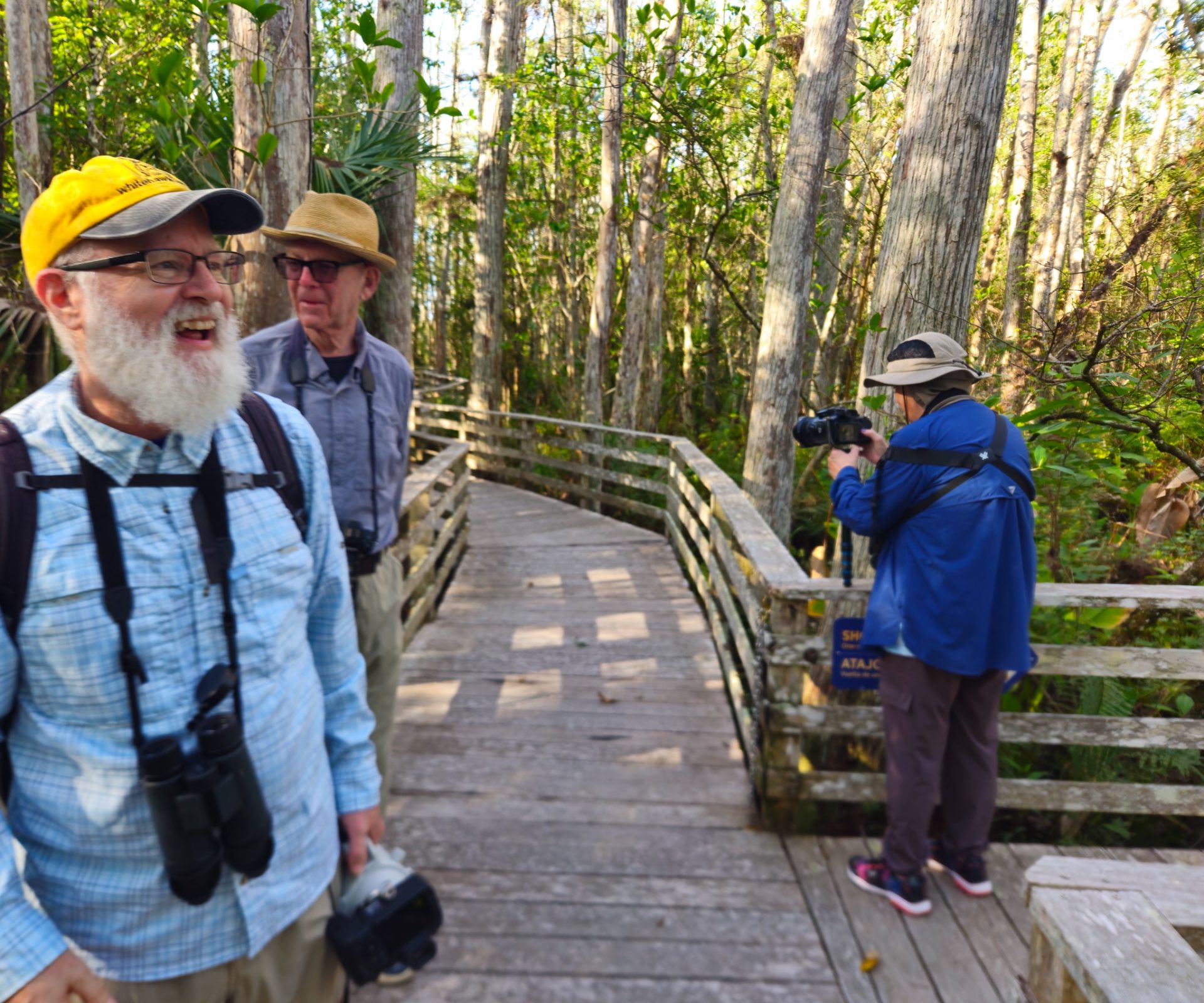
The expedition then moved toward the heart of the Florida Everglades, beginning with the Audubon Corkscrew Swamp Sanctuary. Managed by the National Audubon Society, this sanctuary contains the largest remaining stand of old-growth bald cypress in North America. The sanctuary’s feeders and boardwalks yielded 45 species, including the Painted Bunting (Passerina ciris). The presence of both Painted and Indigo Buntings suggests that the sanctuary remains a vital stopover for migratory passerines.
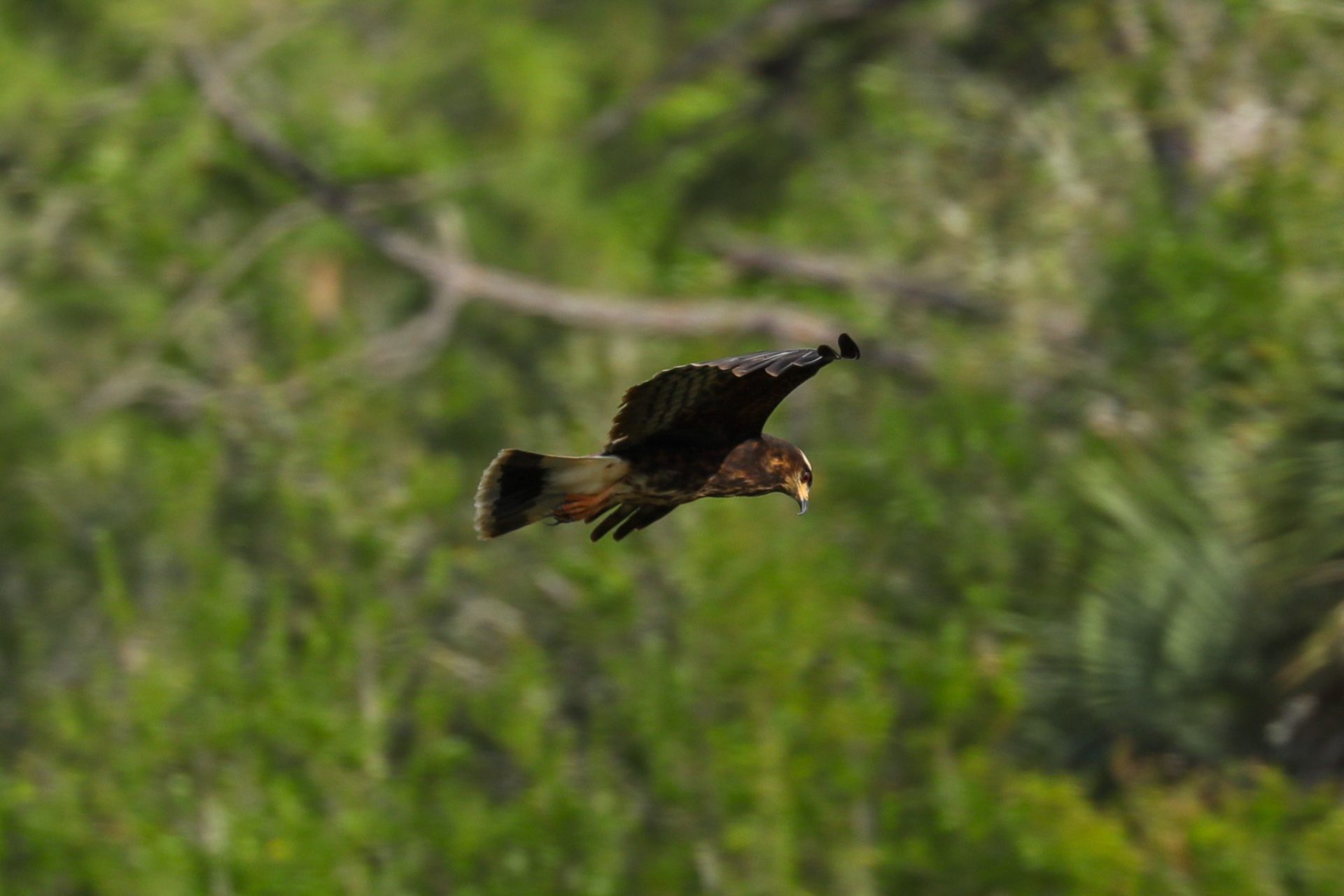
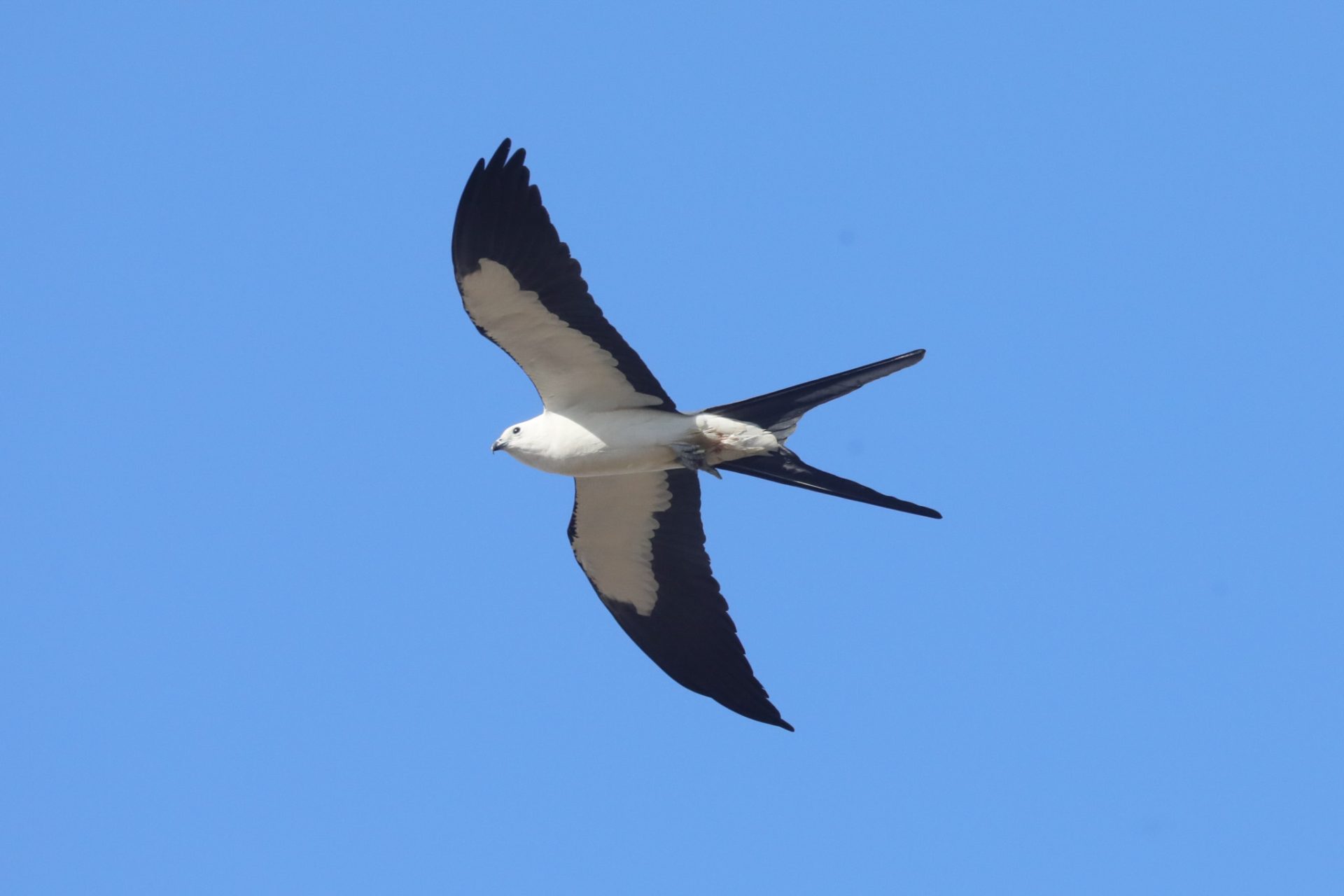
A critical component of the survey involved Harns Marsh, a managed wetland known for its population of Snail Kites (Rostrhamus sociabilis). The Snail Kite is a highly specialized raptor that feeds almost exclusively on apple snails. The team documented a female Snail Kite and several Limpkins, another species dependent on the apple snail population. These observations are particularly relevant given the ongoing efforts to restore the Everglades’ hydrology, as the survival of these birds is directly tied to water levels and the health of the mollusk population.
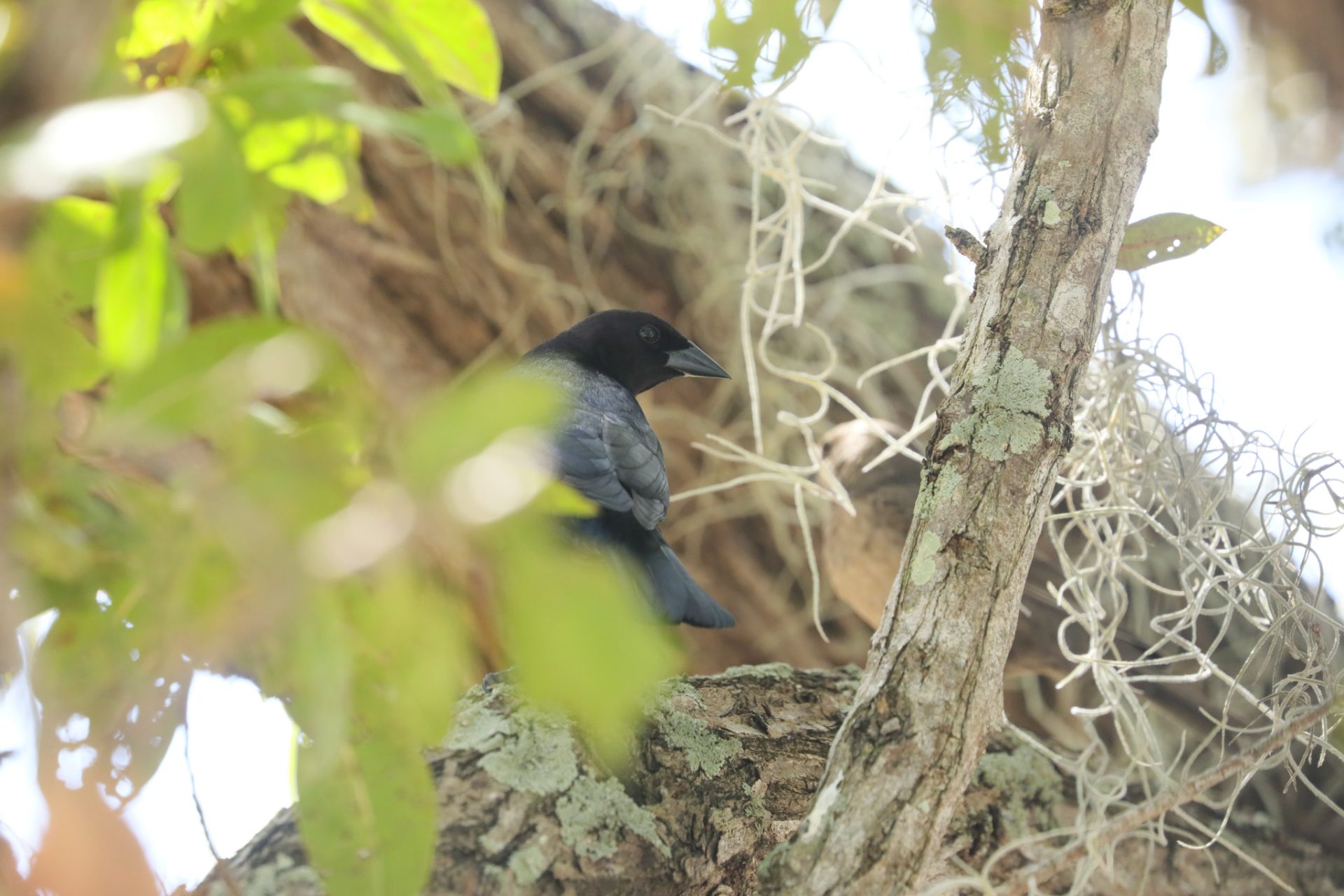
The survey continued to Flamingo, the southernmost point of mainland Florida within Everglades National Park. Despite a regional drought that had reduced water levels in the shallow wetlands, the team recorded a diverse array of species, including the Barred Owl, Shiny Cowbird, and the Wurdemann’s Heron—a distinct color morph of the Great Blue Heron found primarily in the Florida Keys. The presence of a massive American Crocodile at Flamingo served as a reminder of the unique intersection of temperate and subtropical species that defines the Everglades.
Maritime Ornithology: The Florida Keys and Dry Tortugas
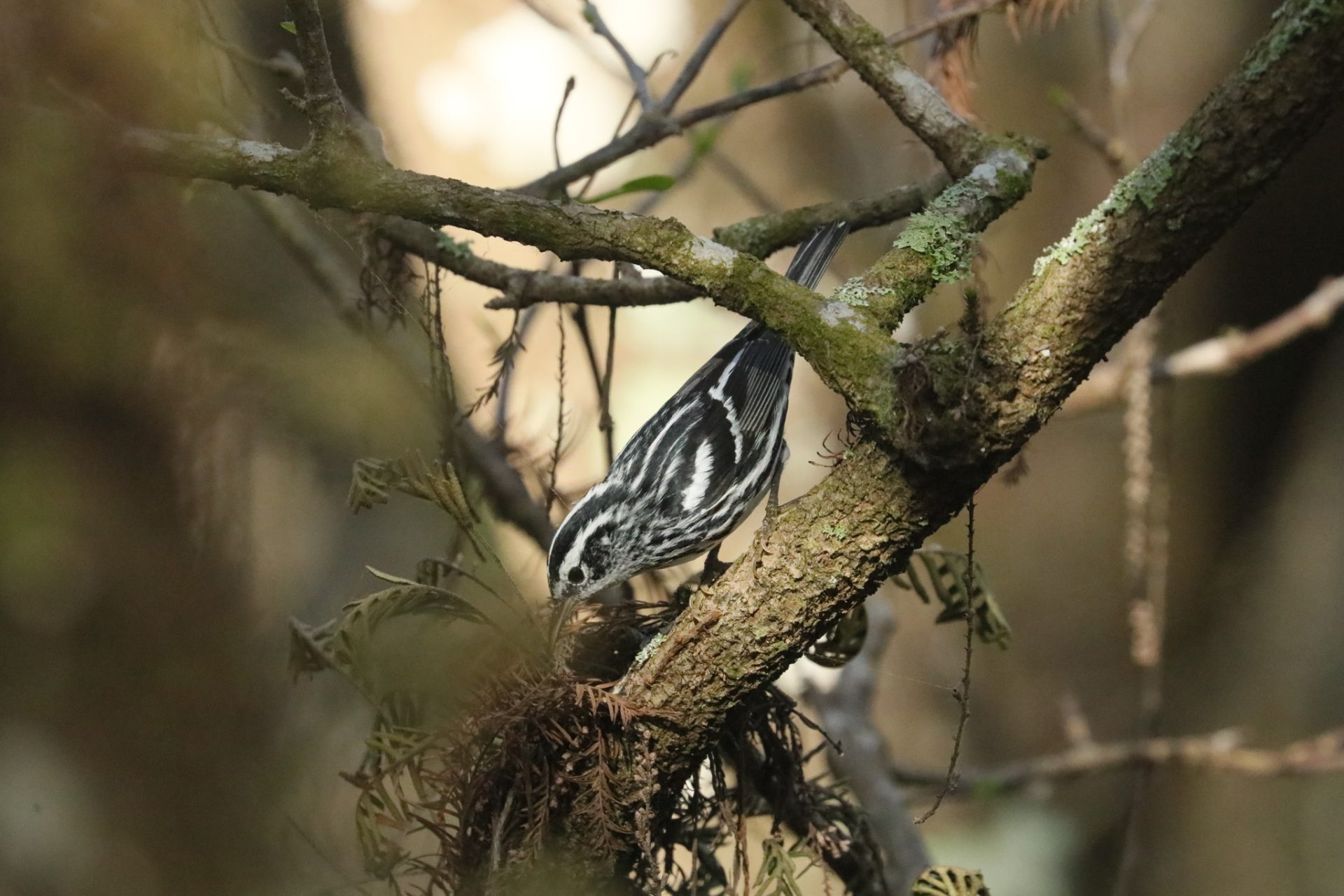
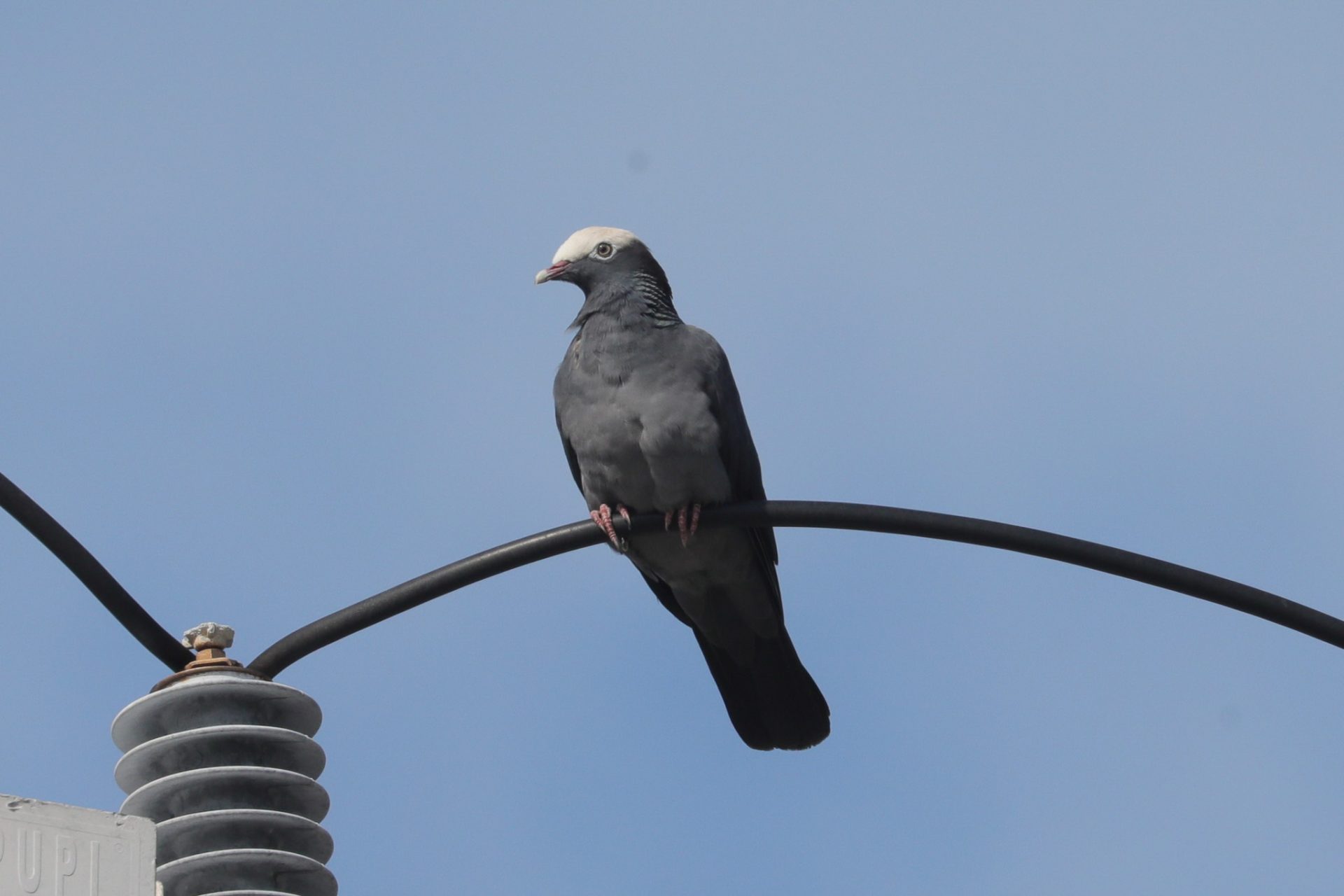
The final stages of the expedition focused on the maritime environments of the Florida Keys and the remote Dry Tortugas National Park. As the group traveled south, they documented the White-crowned Pigeon (Patagioenas leucocephala), a species that relies on the fruit-bearing trees of the hardwood hammocks. In Key West, the survey recorded migrant warblers, including Cape May and Magnolia Warblers, as well as the "Great White Heron," a white morph of the Great Blue Heron restricted to South Florida and the Caribbean.
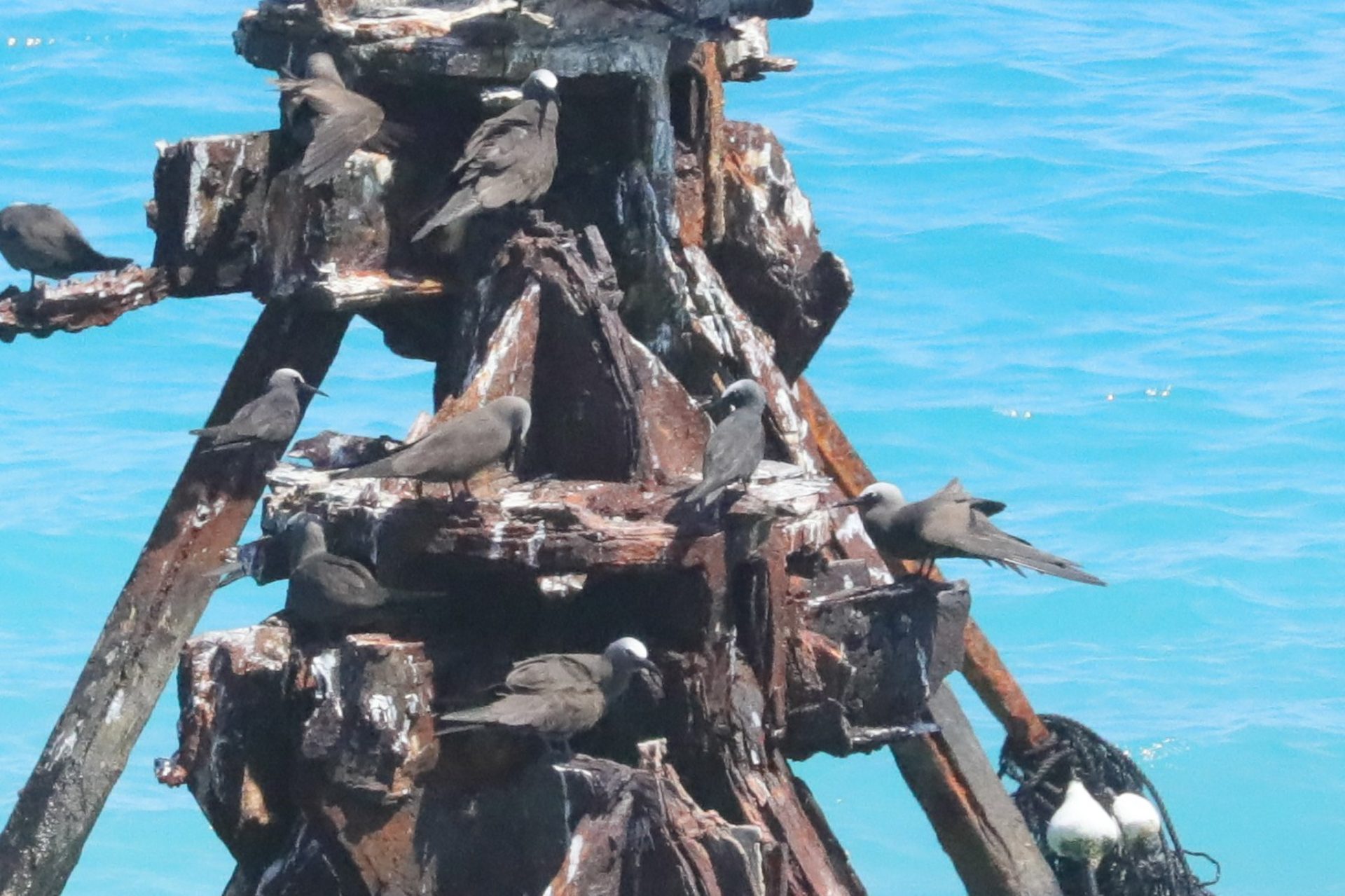
The journey to the Dry Tortugas, located 70 miles west of Key West, provided access to one of the most significant pelagic bird colonies in North America. The islands, dominated by the 19th-century Fort Jefferson, host massive nesting colonies of Sooty Terns and Brown Noddies. A significant discovery during this visit was the return of the Black Noddy (Anous minutus), an extremely rare visitor to the United States. The team was able to observe Black Noddies perched alongside Brown Noddies, allowing for a rare side-by-side morphological comparison.
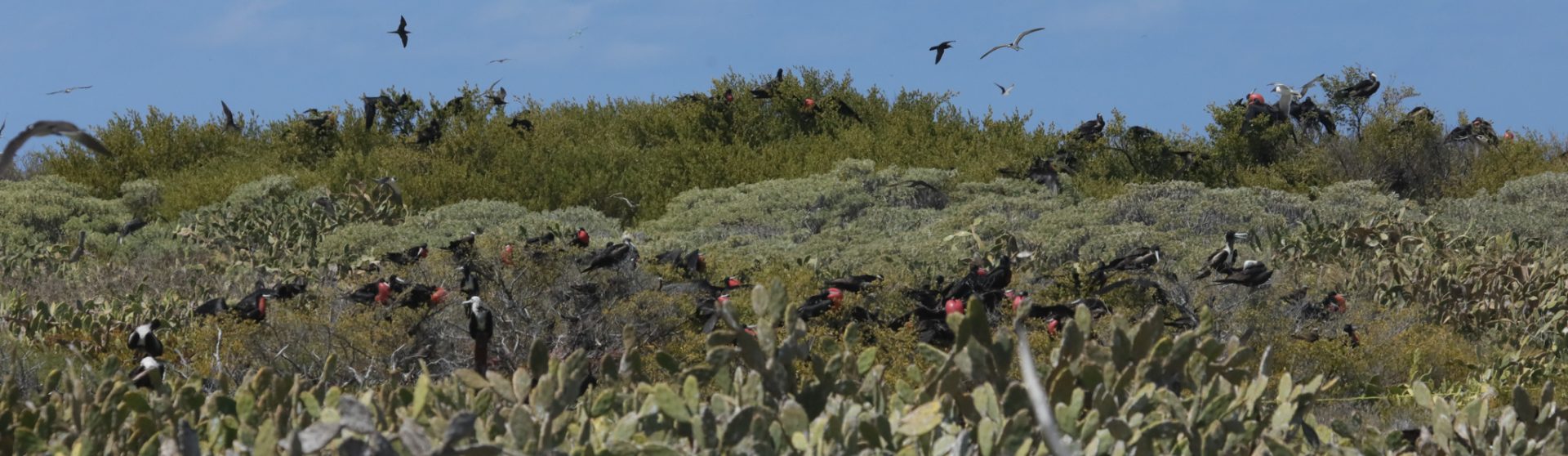
Additionally, the survey documented the display behavior of Magnificent Frigatebirds, which inflate their red gular pouches to attract mates. On the return journey, the group observed the Masked Booby colony on East Key, the only known nesting site for this species in the contiguous United States. These observations underscore the Dry Tortugas’ status as a critical outpost for Caribbean and pelagic species.
Urban Conservation and Reclaimed Wetlands
The expedition concluded with a visit to the Wakodahatchee Wetlands in Delray Beach. This site is a premier example of "constructed wetlands," where treated wastewater is used to create a thriving habitat for wildlife. This 50-acre facility has become an international destination for bird photography due to the high density and accessibility of its avian residents.
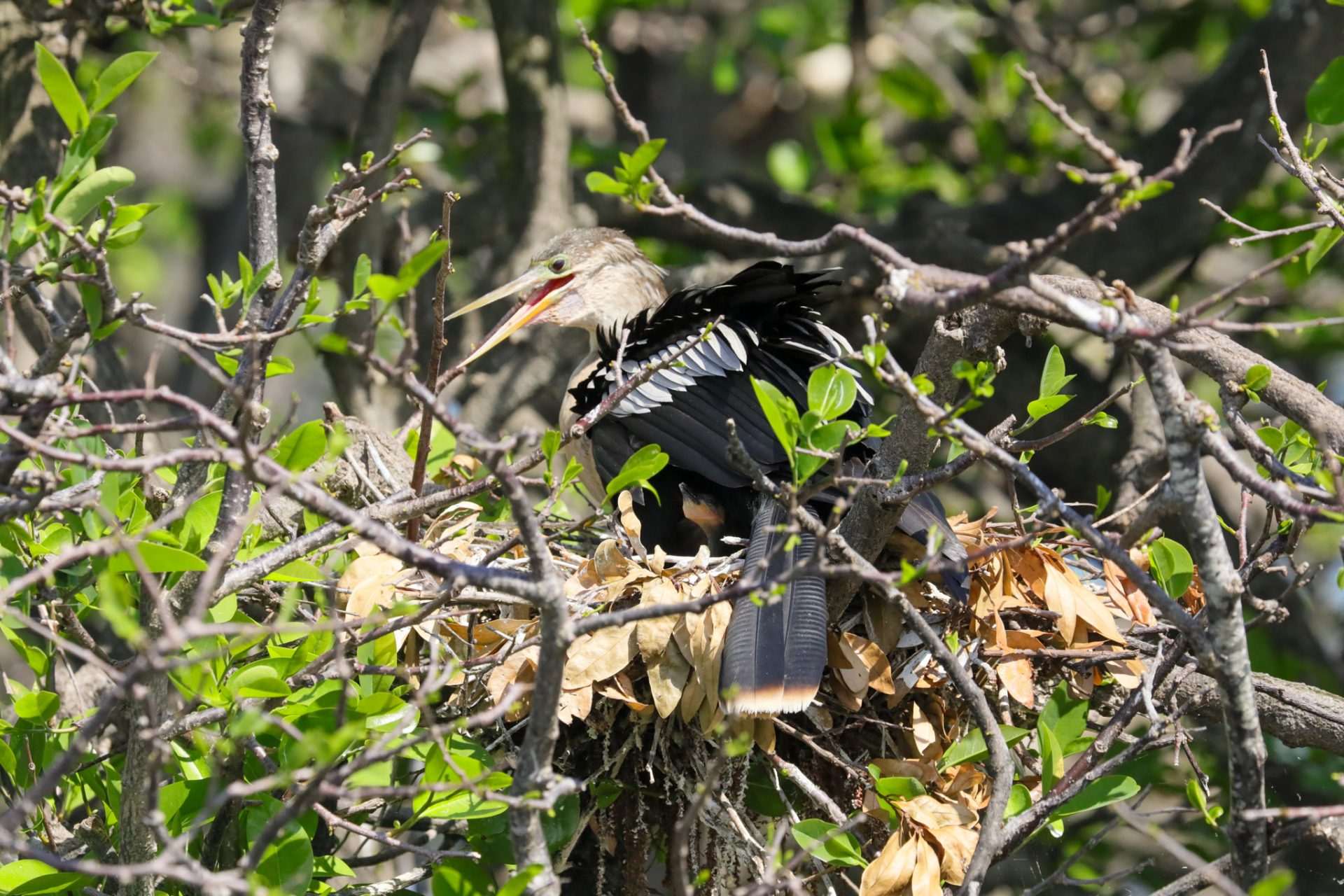
At Wakodahatchee, the team observed nesting Wood Storks, Anhingas with chicks, and Mottled Ducks. The success of this site demonstrates the potential for municipal infrastructure to support biodiversity. By transforming wastewater into a resource for wetland restoration, local governments can create "hotspots" for conservation that also serve as educational and recreational hubs for the public.
Broader Implications and Conservation Outlook
The results of this comprehensive survey highlight several key themes in contemporary Florida conservation. First, the impact of hydrological cycles remains paramount; the drought conditions observed in the Everglades influenced bird distribution, forcing species to congregate in deeper pools and managed marshes. Second, the importance of "micro-habitats," such as the scrub patches in Lehigh Acres and the urban lots in Cape Coral, cannot be overstated. These small, often overlooked plots are essential for the survival of endemic and specialized species.

Finally, the expedition illustrates the economic and social value of birding tourism. By visiting protected areas and utilizing local services, birders provide a financial incentive for the preservation of natural habitats. The data collected during such trips, often uploaded to citizen science platforms like eBird, provides researchers with invaluable long-term tracking information on species migration and population trends.
As Florida continues to face challenges from climate change, sea-level rise, and habitat loss, the maintenance of the "Green Backbone"—a network of protected lands from the Gulf Coast through the Everglades to the Keys—will be essential. This survey confirms that while many species remain under pressure, the state’s diverse ecosystems continue to support a world-class array of avian life, provided that conservation efforts remain a priority for both the government and the public.
