
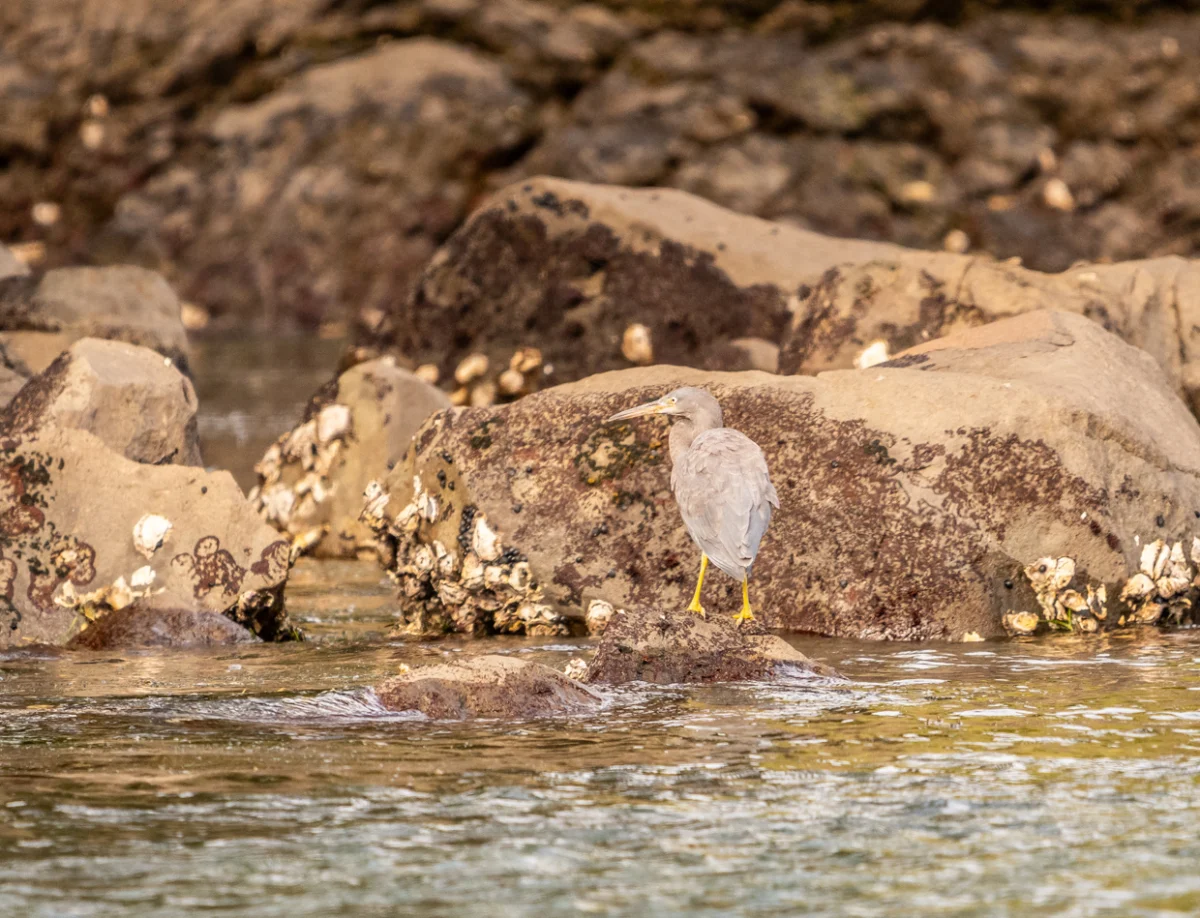
An extensive 22-day biological survey and ornithological expedition spanning the length of New Zealand has concluded, documenting a remarkable 147 bird species and providing vital data on some of the world’s most endangered avian populations. From the subtropical reaches of Whangarei in the North Island to the subantarctic influences of Stewart Island and Dunedin in the South, the journey highlighted the unique evolutionary trajectory of New Zealand’s fauna, characterized by high rates of endemism and a reliance on intensive conservation management. The expedition’s findings underscore the success of the nation’s "predator-free" sanctuary models while highlighting the ongoing fragility of species such as the New Zealand Fairy Tern, of which only approximately 45 individuals remain.

The Northern Circuit: Pelagic Biodiversity and Coastal Sanctuaries
The expedition commenced in Whangarei, serving as a gateway to the Hauraki Gulf and the Northland coast. Initial field observations focused on pelagic diversity, a cornerstone of New Zealand’s ornithological significance. Utilizing specialized marine transport, observers documented key species including the New Zealand Storm-Petrel, Cook’s Petrel, and Parkinson’s Petrel. The presence of the New Zealand Storm-Petrel is particularly significant; the species was presumed extinct for over a century until its rediscovery in 2003. Its continued presence in these waters indicates the health of the offshore ecosystem.

On Day 4, the focus shifted to the critically endangered New Zealand Fairy Tern (Tara iti). Field teams successfully located a single individual at a managed refuge. With a total population estimated at fewer than 50, the sighting represents a significant portion of the global population. This species faces extreme pressure from habitat loss and predation, requiring round-the-clock monitoring during nesting seasons.

The expedition also visited Tiritiri Matangi Island, an internationally recognized model for ecological restoration. Once cleared for farming, the island has been replanted with native forest and cleared of invasive mammalian predators. Consequently, it now supports robust populations of the North Island Kokako, North Island Saddleback (Tieke), and the Stitchbird (Hihi). Observers noted the high density of nectar-feeders such as the Tui and New Zealand Bellbird, illustrating the restorative power of habitat management.

Central North Island: Riparian and Wetland Ecosystems
Moving southward toward Turangi and the Tongariro National Park, the survey transitioned to freshwater and montane habitats. A primary target was the Blue Duck (Whio), a specialized river-dweller that serves as a bio-indicator for water quality. The Whio is one of only a few waterfowl species globally that live year-round in fast-flowing alpine rivers. The expedition recorded multiple sightings along the Tongariro River, including "friendly" individuals that allowed for close-range behavioral observation.

Wetland surveys in the Turangi region yielded sightings of the Australasian Bittern (Matuku-hurepo). This species is classified as "Nationally Critical" in New Zealand, with a population likely under 1,000. The observation of these birds in the open, alongside the Spotless Crake and Buff-banded Rail, suggests that local predator control initiatives are successfully reducing the pressure on ground-nesting wetland birds.

The South Island Transition: The Kaikoura Canyon and Alpine Forests
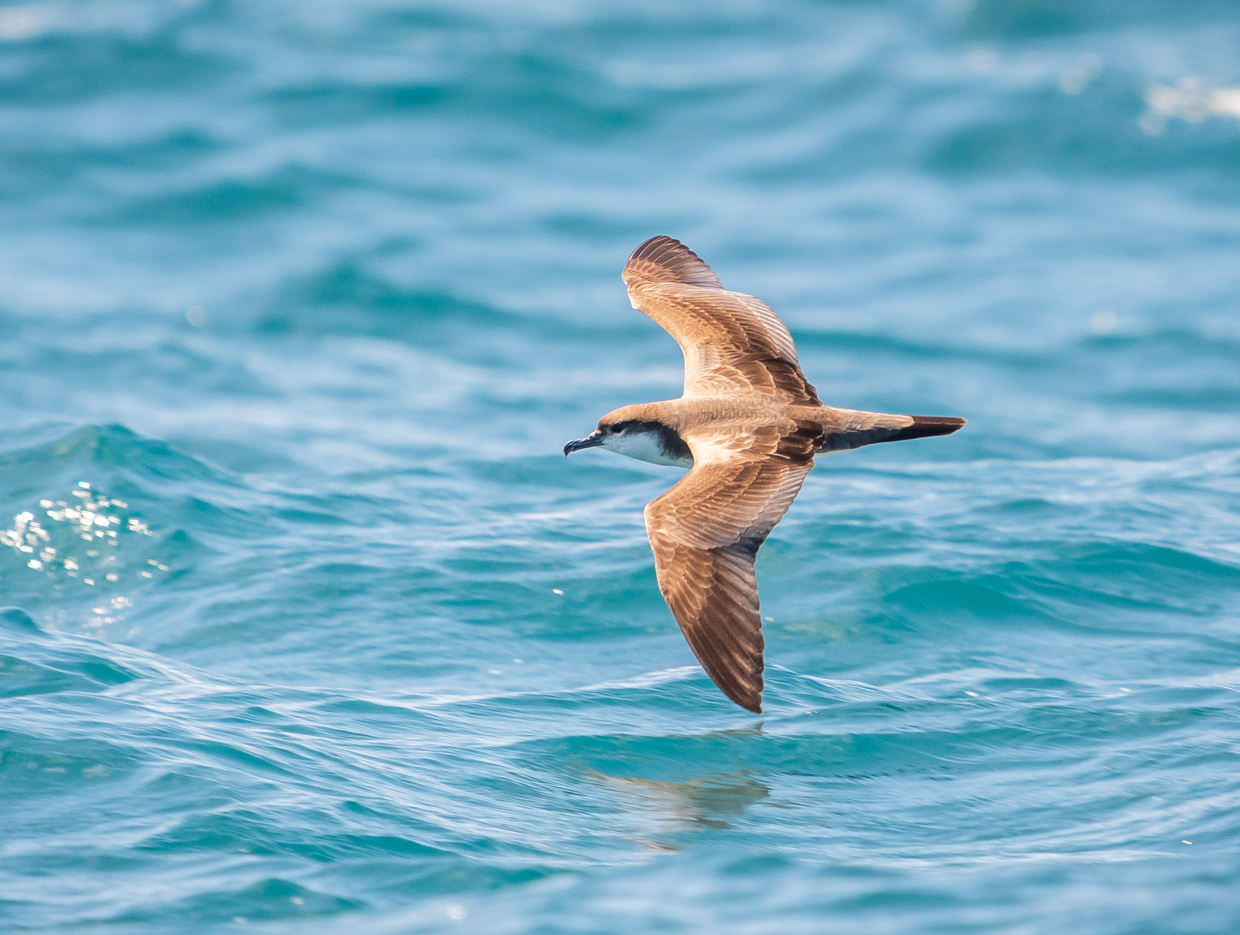
The expedition crossed the Cook Strait on Day 9, documenting a transition in biodiversity. The ferry transit provided a platform for observing the Westland Petrel and various albatross species, including the White-capped and Salvin’s Albatross. Upon arrival in the South Island, the focus turned to the Marlborough Sounds, home to the New Zealand King Shag. This species is endemic to the sounds, with a restricted range and a total population of approximately 800 individuals. The expedition reported seeing roughly 5% of the total global population in a single morning, highlighting the vulnerability of range-restricted endemics.

In Kaikoura, the expedition utilized the unique geography of the Kaikoura Canyon—a deep-water trench that brings nutrient-rich currents close to the shore. This creates a global hotspot for pelagic birds. Observers documented an extraordinary density of "Great Albatrosses," including the Antipodean, Northern Royal, and Southern Royal Albatrosses. The data gathered here reinforces Kaikoura’s status as one of the world’s premier locations for marine ornithology.

The journey continued into Arthur’s Pass, where the Kea, the world’s only alpine parrot, was recorded. Known for its high intelligence and curiosity, the Kea is currently classified as "Nationally Endangered" due to lead poisoning from old building materials and predation by stoats and possums.
Southern Latitudes: Stewart Island and the Kiwi Strongholds
The final leg of the tour focused on the "Deep South," including Stewart Island (Rakiura) and Ulva Island. Ulva Island, another predator-free sanctuary, provided sightings of the Yellowhead (Mohua), a species that has been largely extirpated from the mainland South Island due to the "Great White Plague" of invasive rats and stoats.

Stewart Island remains one of the best locations for observing the Southern Brown Kiwi (Tokoeka). Unlike its northern cousins, the Stewart Island Tokoeka is often active during the twilight hours. The expedition recorded multiple successful sightings of both adults and juveniles foraging in their natural forest habitat. This is a critical metric for conservationists, as it indicates successful recruitment within the population.

In Dunedin, the expedition concluded at the Royal Albatross Centre at Taiaroa Head, the only mainland breeding colony of any albatross species in the Southern Hemisphere. The presence of Northern Royal Albatrosses tending to chicks provided a visual confirmation of the success of the colony’s management program, which includes temperature-controlled nests and protection from invasive pests.

Conservation Context and Species Data Analysis
The results of this 22-day survey provide a snapshot of New Zealand’s complex ecological landscape. The documentation of 147 species is a testament to the country’s high biodiversity, but the rarity of many sightings serves as a warning.

- Predator-Free Sanctuaries: The success of the survey in locations like Tiritiri Matangi and Ulva Island proves that "Island Sanctuaries" are the most effective tool for preventing extinction. Without these offshore havens, species like the Stitchbird and Saddleback would likely be extinct.
- The Role of Citizen Science and Tourism: Tours such as this provide essential funding for local conservation guides and boat operators, who in turn serve as the "eyes and ears" of the Department of Conservation (DOC). The observation of a rare Erect-crested Penguin in Dunedin—a species usually found on the subantarctic Bounty and Antipodes Islands—demonstrates the value of constant field presence in identifying unusual biological events.
- Threat of Invasive Species: The recording of the Brush-tailed Possum during a kiwi search in Arthur’s Pass highlights the ongoing battle against invasive mammals. Possums, along with rats and stoats, are responsible for the deaths of an estimated 25 million native birds in New Zealand every year.
Official Responses and Ecological Implications
While no official government statement accompanied this specific private expedition, the data aligns with the New Zealand Department of Conservation’s "Predator Free 2050" initiative. The goal of this ambitious project is to eradicate the three most damaging predators—rats, stoats, and possums—from the entire country by the mid-century mark.

Ecologists suggest that the "fearless" behavior of birds like the South Island Robin and the New Zealand Fantail (Piwakawaka), which were observed approaching humans within meters, is an evolutionary trait developed in the absence of mammalian predators. This behavior makes them exceptionally vulnerable to invasive species, necessitating the high-intensity management seen throughout the tour.

The sighting of the Yellow-eyed Penguin (Hoiho) on Stewart Island and in Dunedin remains a point of concern. With only about 400 breeding pairs remaining on the mainland, the Hoiho is arguably the world’s rarest penguin. The expedition’s documentation of these birds, including chicks, is a positive sign, but the species continues to face threats from avian malaria, habitat degradation, and warming sea temperatures.

Conclusion: A Lifetime of Moments in a Changing World
The 22-day journey through New Zealand’s diverse biomes—from the "jewel-like" Rifleman in ancient forests to the "majestic" Wandering Albatross on the open sea—concludes that while New Zealand’s birdlife is under threat, the infrastructure for its survival is robust. The 147 species recorded represent a significant cross-section of the nation’s avian heritage.

The expedition team noted that the journey was defined not just by the species list, but by a "deep sense of connection to the natural world." As New Zealand continues its ambitious trek toward becoming predator-free, expeditions like this provide the necessary documentation to measure progress, celebrate success, and identify where the next battles for biodiversity must be fought. The memories of a Northern Royal Albatross feeding its chick or a Kiwi foraging in the damp leaf litter of Rakiura remain as powerful reminders of what is at stake in the ongoing effort to preserve the "rare magic" of New Zealand’s endemic wildlife.
