
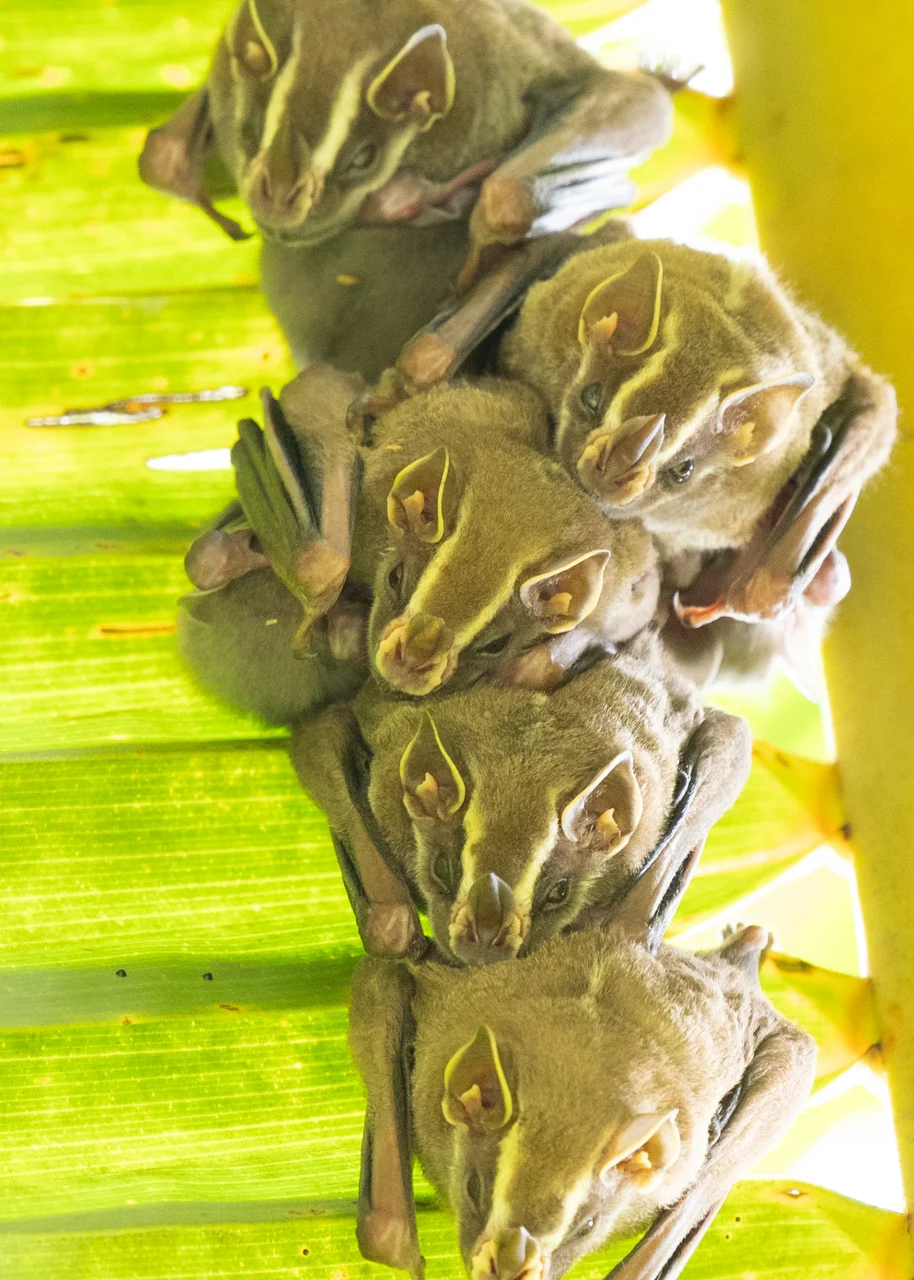
PANAMA CITY — A recent nine-day ornithological expedition across the Republic of Panama has concluded with the documentation of 295 distinct bird species, providing critical data on the health of diverse ecosystems ranging from the cloud forests of Cerro Azul to the wetlands of the Darien Gap. The survey, which tracked avian populations across major biological corridors, highlights Panama’s enduring status as a primary global "chokepoint" for biodiversity and migratory activity.
Led by field observers and local experts, the expedition traversed the Isthmus, documenting rare sightings of the Pheasant Cuckoo and the Sapayoa, while monitoring the impact of local conservation efforts. The findings underscore the importance of both public national parks and private feeder stations in maintaining high species density amidst shifting climatic conditions.
Strategic Importance of the Panamanian Biological Corridor
Panama serves as a vital land bridge between North and South America. According to data from the Smithsonian Tropical Research Institute, Panama hosts more bird species than the United States and Canada combined. This recent survey focused on the "Eastern Route," moving from the urbanized center of Panama City toward the remote Darien region, before returning to the Panama Canal Zone.
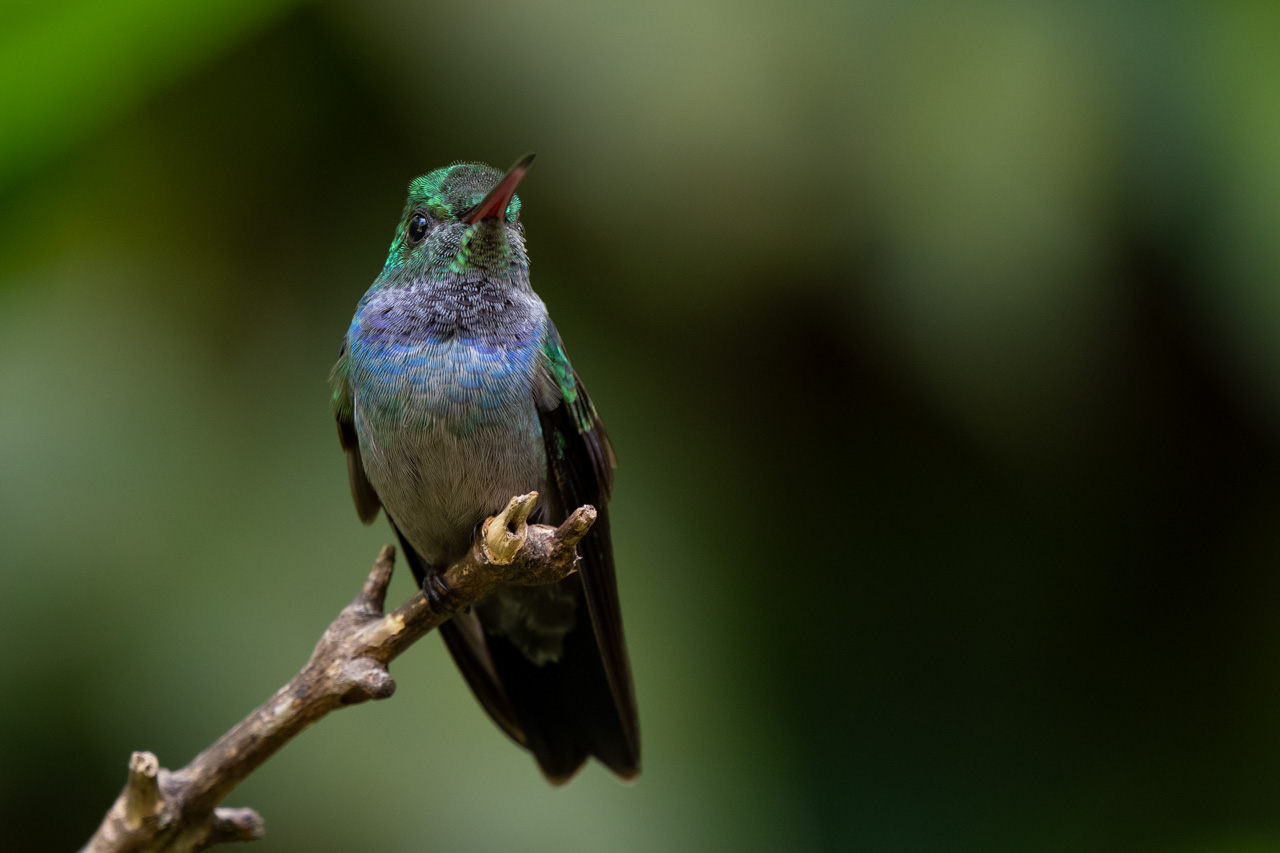
The expedition began in the highlands of Cerro Azul, located within the Chagres National Park. This 129,000-hectare park is essential for the operation of the Panama Canal, as it protects the watershed of the Chagres River and Gatun Lake. Observers at Cerro Azul documented high concentrations of hummingbirds and honeycreepers, specifically noting the success of long-term supplemental feeding stations. A private setup maintained for 13 years by local hosts Jerry and Linda was cited as a primary factor in the high diversity of the area, attracting species such as the White-necked Jacobin and the dazzling Crowned Woodnymph.
Chronology of the Expedition and Regional Findings
The nine-day survey followed a rigorous timeline designed to capture activity across various altitudinal and latitudinal gradients.
Phase I: The Highland and Dry Forest Transition (Days 1-3)
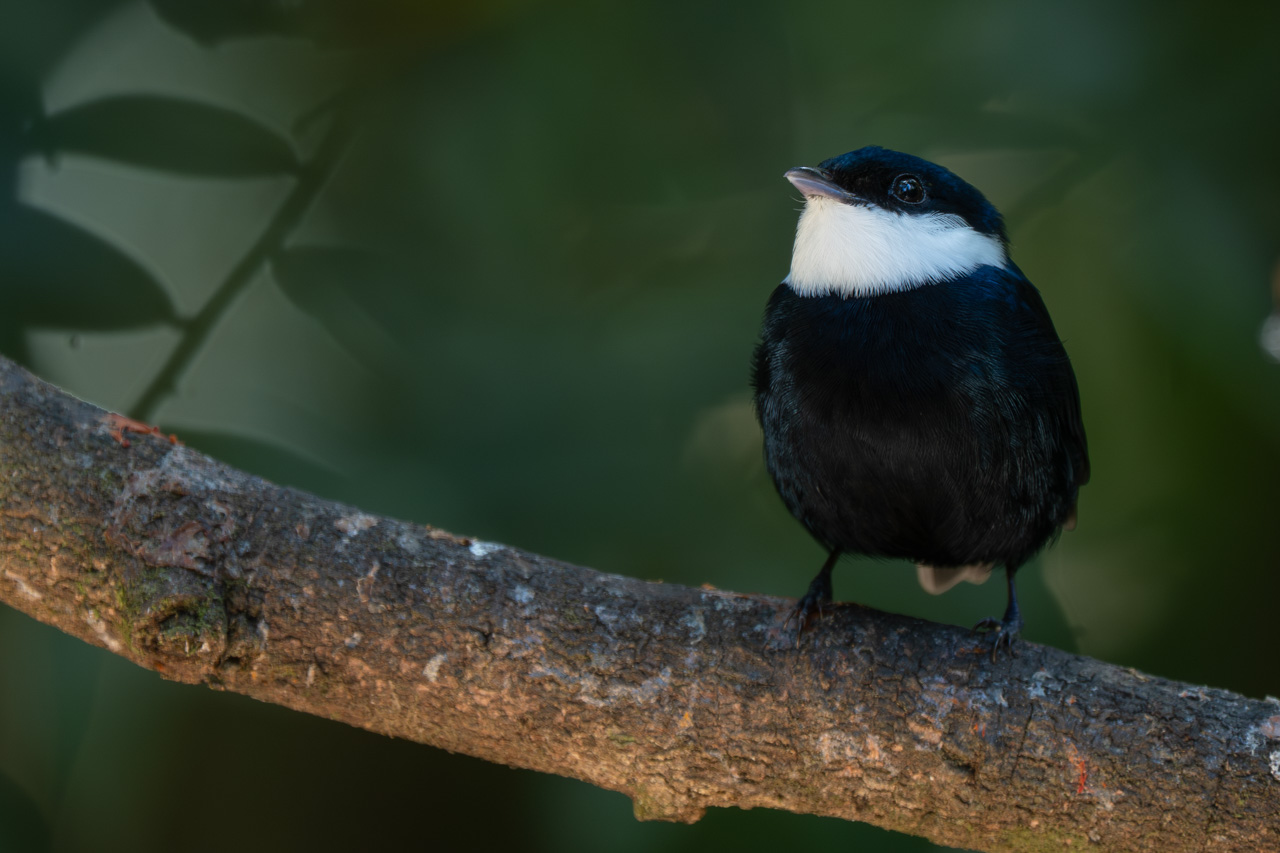
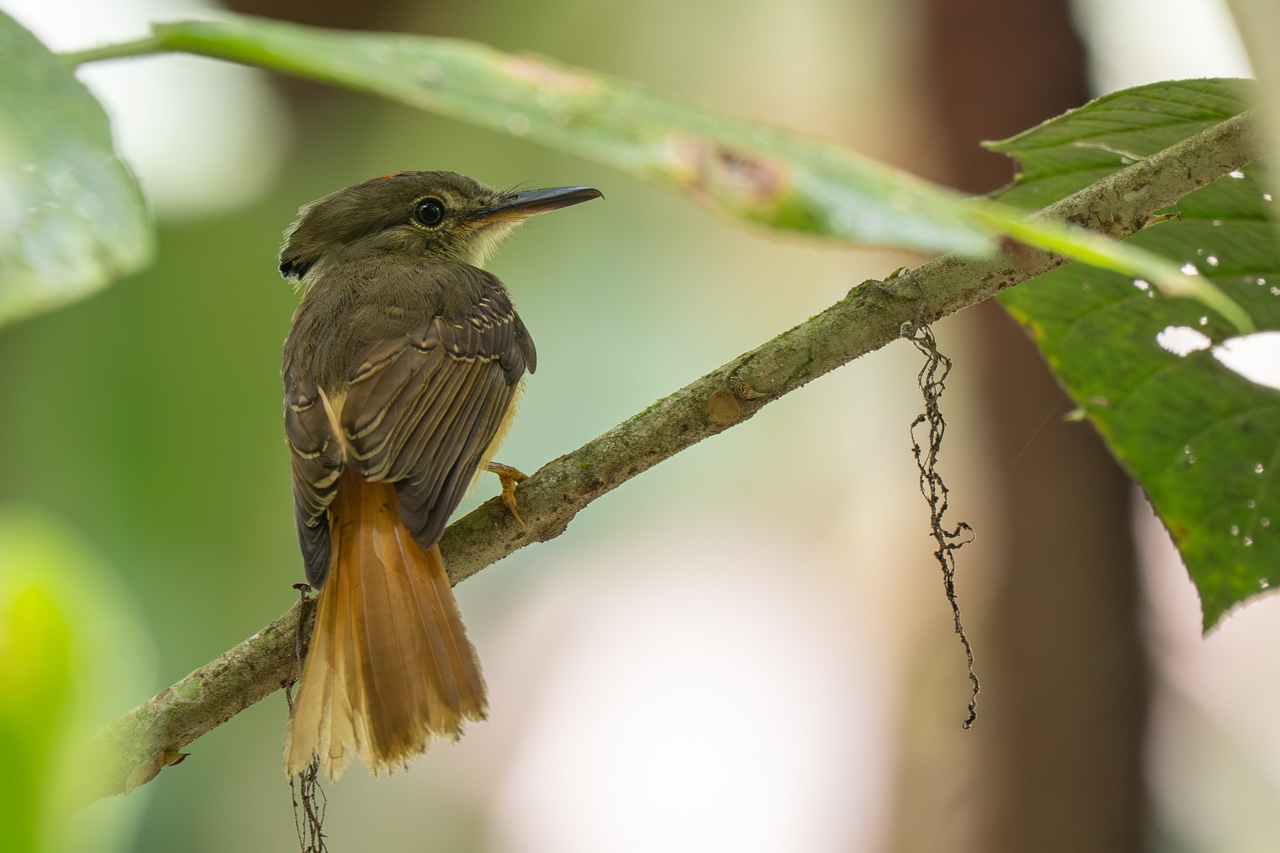
Following an initial assessment in Panama City, the team moved to Cerro Azul. Beyond the hummingbirds, the presence of the White-ruffed Manakin and the Scale-crested Pygmy-Tyrant indicated a healthy understory environment. The transition continued toward the East along the Pan-American Highway. Stops at the Camino de Tanara revealed a mix of dry forest and wetland species, including Panama Flycatchers and various Amazon parrots. The survey of the San Blas road, leading toward the Guna Yala Indigenous Province, confirmed the presence of the Velvety Manakin, though the elusive Sapayoa—a species of significant evolutionary interest—was recorded only by call, suggesting a need for further habitat study in the Guna Yala foothills.
Phase II: The Darien Frontier and San Francisco Reserve (Days 4-5)
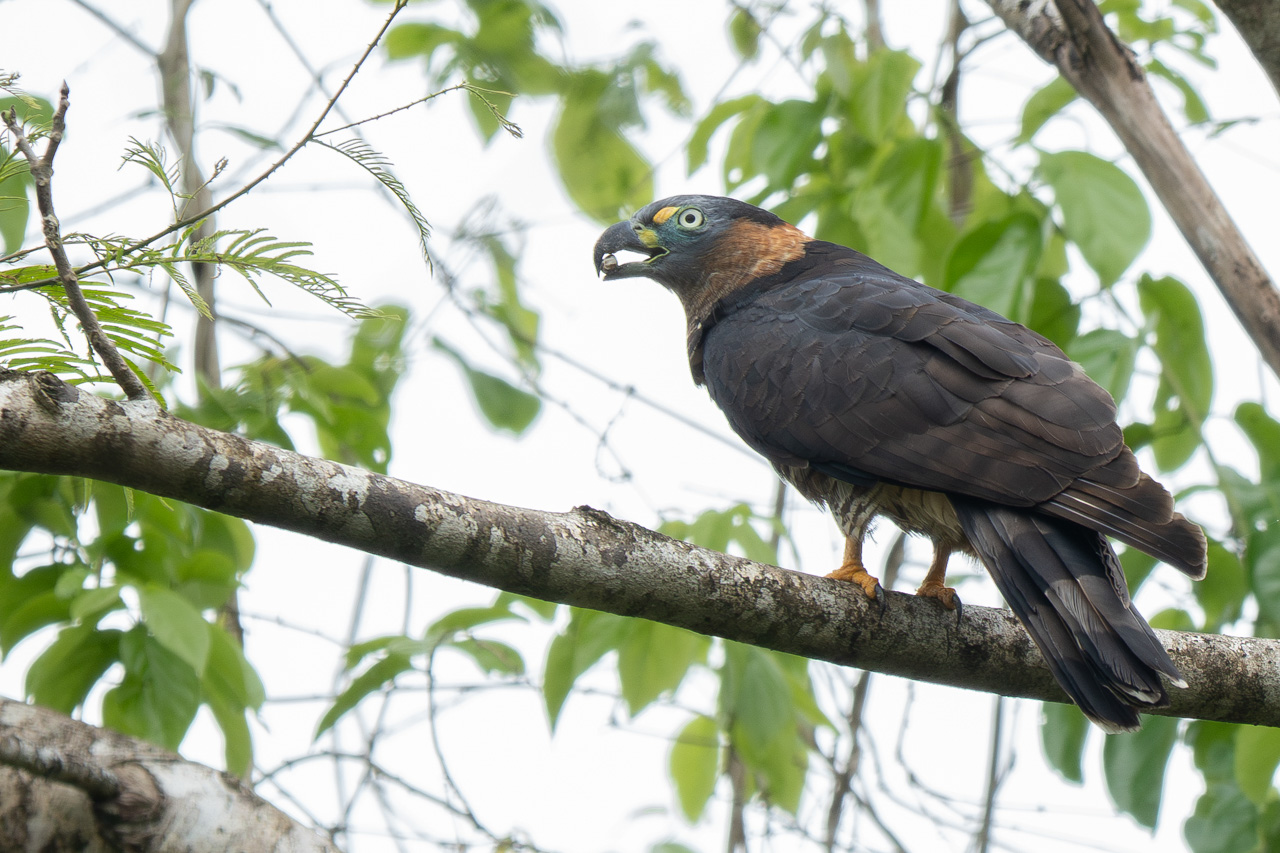
The expedition reached Torti, a gateway to the Darien. The San Francisco Reserve served as a primary study site. Field data from this location showed a high concentration of raptors and flycatchers, with 11 flycatcher species recorded in a single morning. Notably, the presence of King Vultures and White Hawks indicated a robust food chain. The survey also extended to the "End of the Road" in Yaviza, where the Pan-American Highway is interrupted by the Darien Gap. In this region, the team documented the Hook-billed Kite and the Grey-cheeked Nunlet, species that are increasingly dependent on the preservation of the Chucunaque River basin.
Phase III: The Canal Zone and Pipeline Road (Days 6-8)
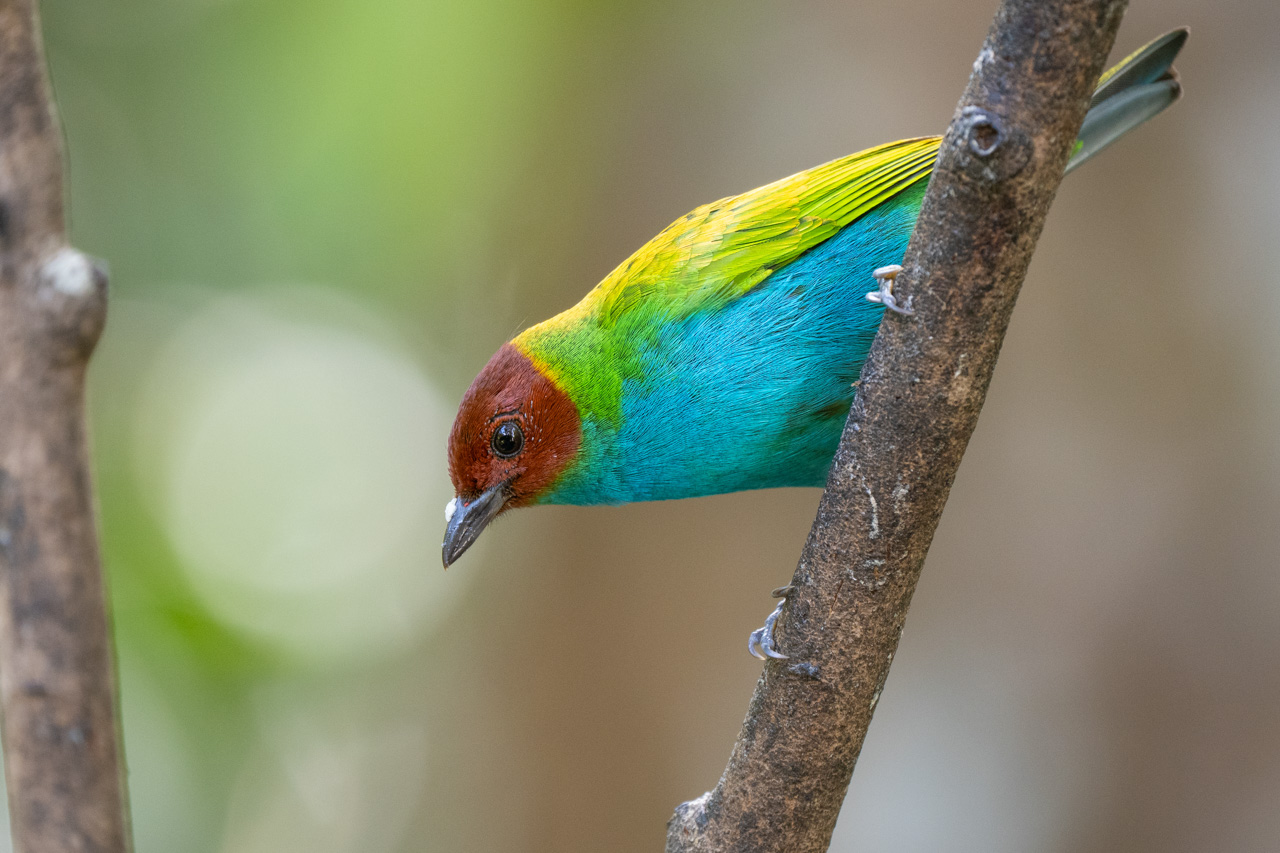
The final phase focused on the Soberania National Park and the world-renowned Pipeline Road. Historically, this area has held world records for 24-hour bird counts. The expedition’s visit to the Rainforest Discovery Center allowed for canopy-level observations from a 32-meter tower. Key sightings included the Blue Cotinga and the Pheasant Cuckoo. The latter was observed performing a rare open-wing display on the forest floor, a behavior of significant interest to ethologists.
Wetland and Aquatic Ecosystem Analysis
The expedition utilized boat surveys on the Chagres River to assess aquatic avian health. The data showed stable populations of Anhingas, Snail Kites, and several species of Kingfishers (Ringed, Amazon, and Green). The presence of the Snail Kite, a specialist feeder, suggests a healthy population of Pomacea snails, which are indicators of water quality.
Evening surveys at the Ammo Dump Ponds near Gamboa provided sightings of the Rufescent Tiger-Heron and the White-throated Crake. These wetlands, though adjacent to human infrastructure, continue to support "mouselike" birds and secretive species, provided that the reed beds and floating vegetation remain undisturbed.
Supporting Data: Species Count and Biodiversity Density
The final tally of 295 species represents approximately 30% of the total bird species recorded in Panama, achieved in less than ten days. This density is attributed to the variety of habitats surveyed:
- Lowland Rainforest: Documented through the Pipeline Road and San Francisco Reserve.
- Highland Cloud Forest: Represented by Cerro Azul.
- Mangroves and Mudflats: Surveyed at Panama Viejo and Costa del Este.
- Freshwater Wetlands: Surveyed along the Torti and Chagres Rivers.
Ornithological experts involved in the trek noted that the "ant-following" flocks—groups of birds that follow army ant swarms to catch fleeing insects—were particularly active. Species such as the Spotted Antbird and the Bicolored Antbird were observed in stable numbers, which is often cited by biologists as an indicator of a complex and intact forest floor ecosystem.
Expert Perspectives and Conservation Implications
Local conservationists and guides, including Phil Chaon, who provided photographic documentation for the survey, emphasized the role of ecotourism in habitat preservation. "The ability to document nearly 300 species in a single transit speaks to the efficacy of Panama’s protected areas," a field report summary noted. "However, the reliance on specific ‘pockets’ of habitat, such as the San Francisco Reserve, highlights the vulnerability of these corridors to agricultural expansion."
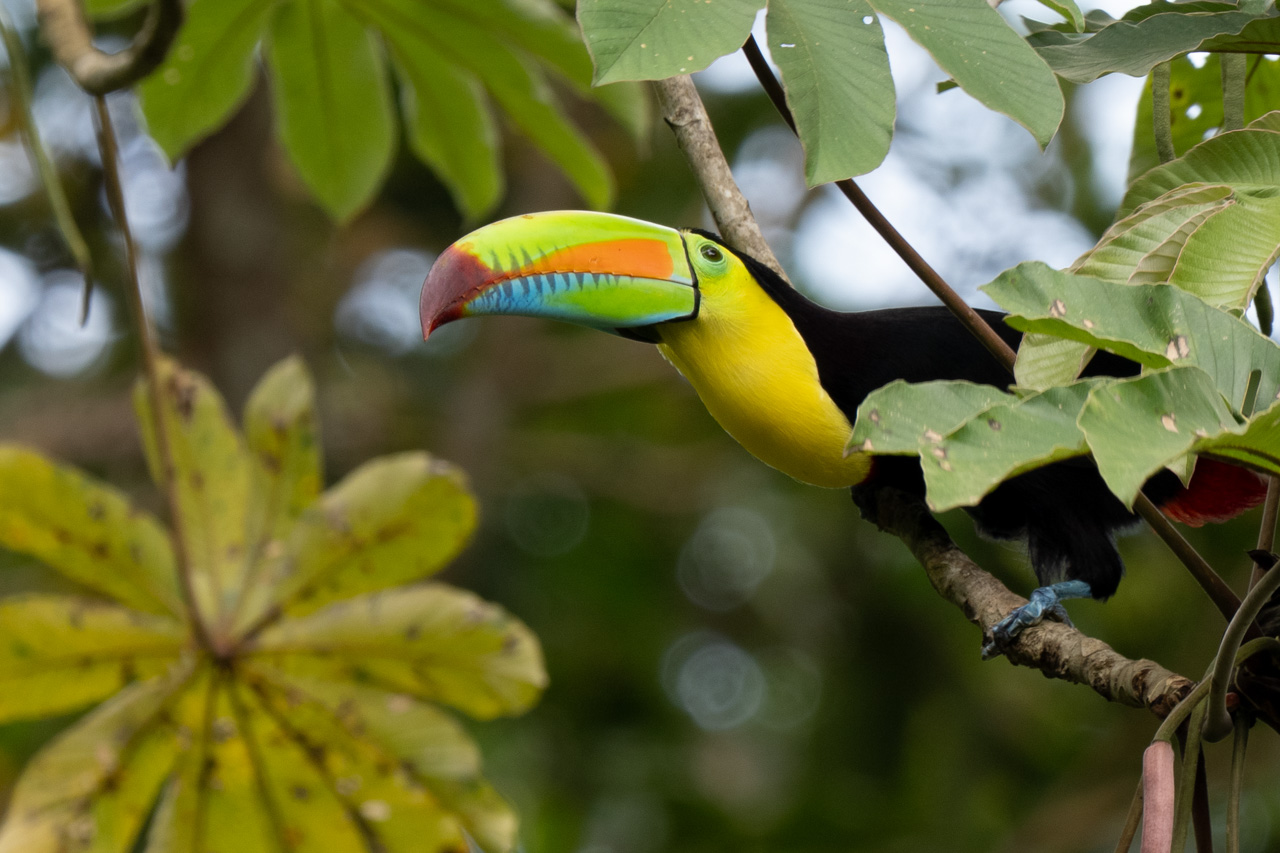
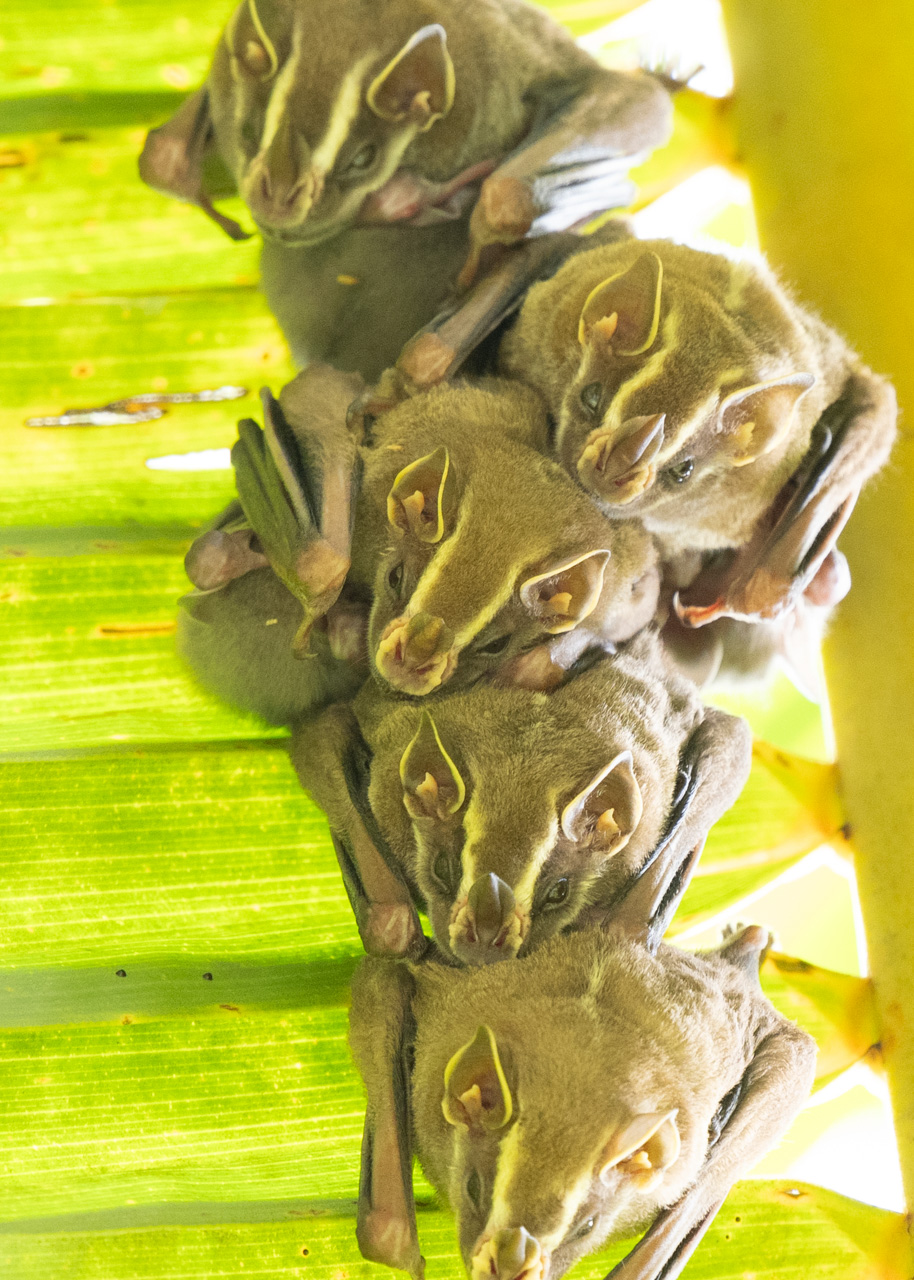
The observation of the Three-toed Sloth and the Geoffroy’s Tamarin alongside avian species provided a broader picture of the mammalian biodiversity that shares these habitats. The sighting of the Tropical Screech Owl and the Common Potoo during nocturnal surveys further suggests that the "night-shift" of the ecosystem remains functional, though noise pollution from the nearby Pan-American Highway remains a concern for researchers.
Urban Biodiversity and Historic Preservation
The expedition concluded with a survey of the Parque Metropolitano, one of the only tropical dry forests located within a major metropolitan capital. Despite its proximity to Panama City’s skyscrapers, the park yielded sightings of the Lance-tailed Manakin and the Slate-colored Seedeater. This reinforces the "Green City" model that Panama has promoted to balance urban growth with environmental stewardship.
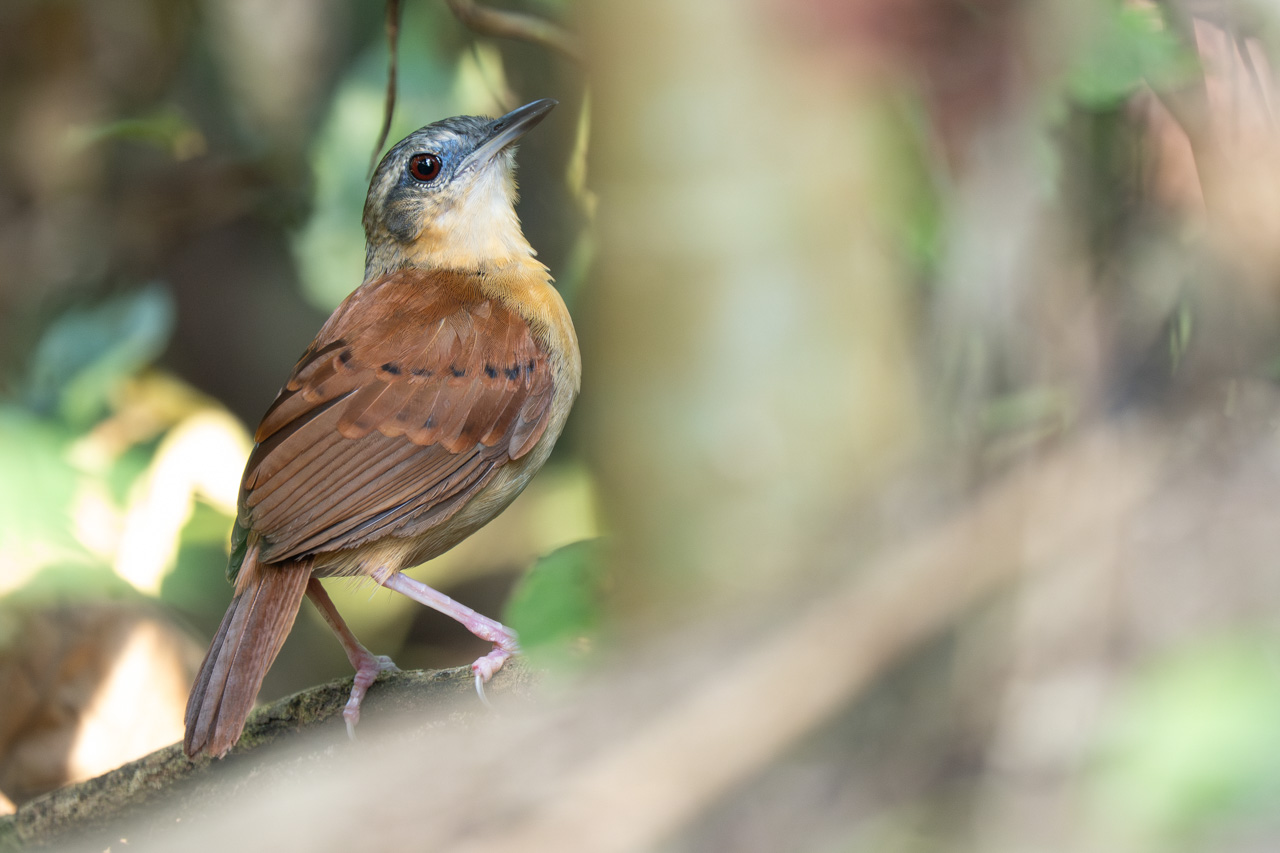
The final data set was completed at the coastal mudflats near Casco Viejo. As the tide receded, the team documented migratory shorebirds, including Hudsonian Whimbrels and Marbled Godwits. These birds rely on the Panamanian coastline as a refueling station during their long-distance migrations from the Arctic to South America.
Conclusion: Future Outlook for Panamanian Avifauna
The documentation of 295 species serves as a benchmark for future surveys. While the numbers suggest a thriving avian population, researchers warn against complacency. The "Darien Gap" remains under pressure from migration and deforestation, and the specialized habitats of species like the Sapayoa require ongoing protection.
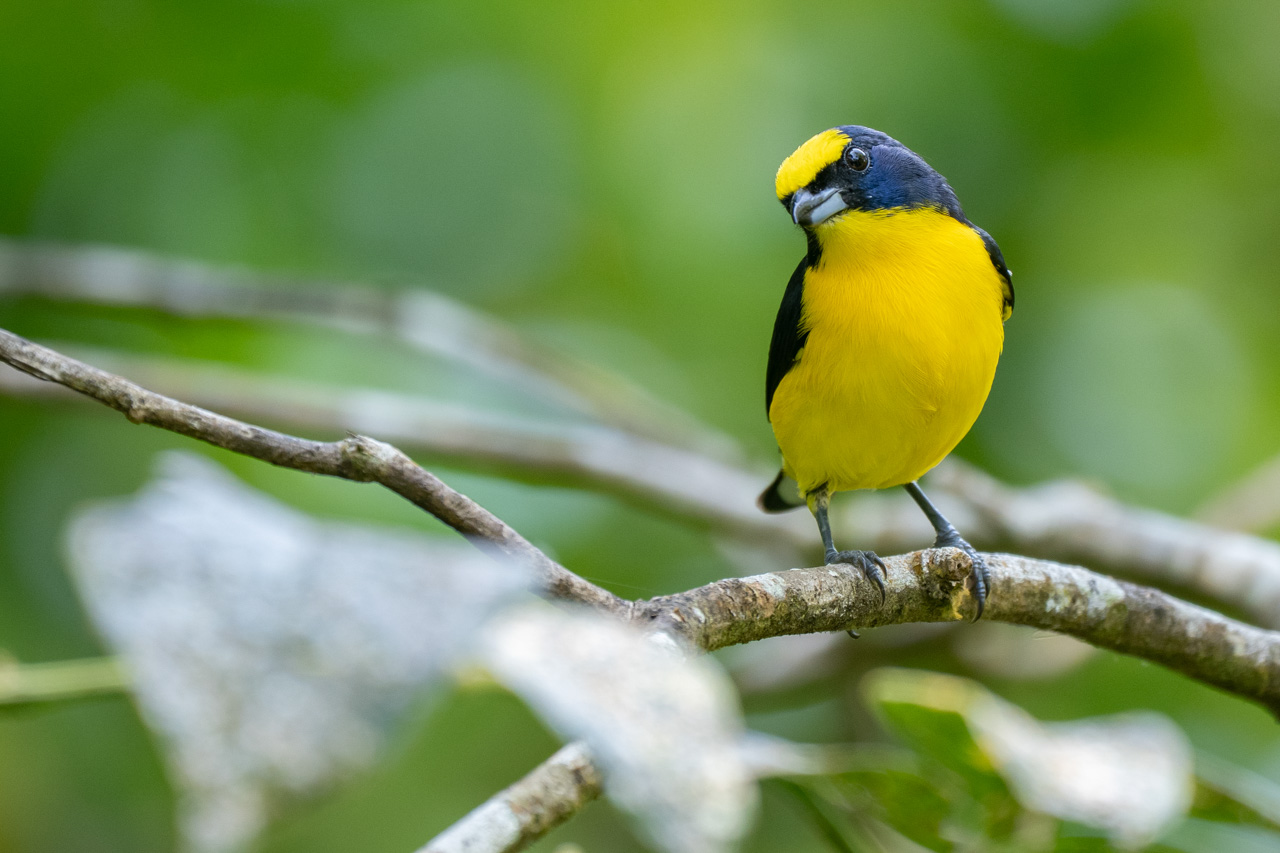
The success of the expedition underscores the necessity of a multi-tiered conservation approach: large-scale protection through National Parks like Soberania and Chagres, and small-scale community involvement as seen in Cerro Azul and Torti. As Panama continues to develop its infrastructure, the preservation of these avian "highways" will remain a primary challenge for the nation’s environmental ministry and international conservation partners.
The data gathered during these nine days will be contributed to global databases such as eBird, assisting scientists in tracking the effects of climate change on migration patterns and species distribution across the Neotropics. For now, the report confirms that Panama remains a premier destination for ornithological study and a critical sanctuary for the winged inhabitants of the Western Hemisphere.
