
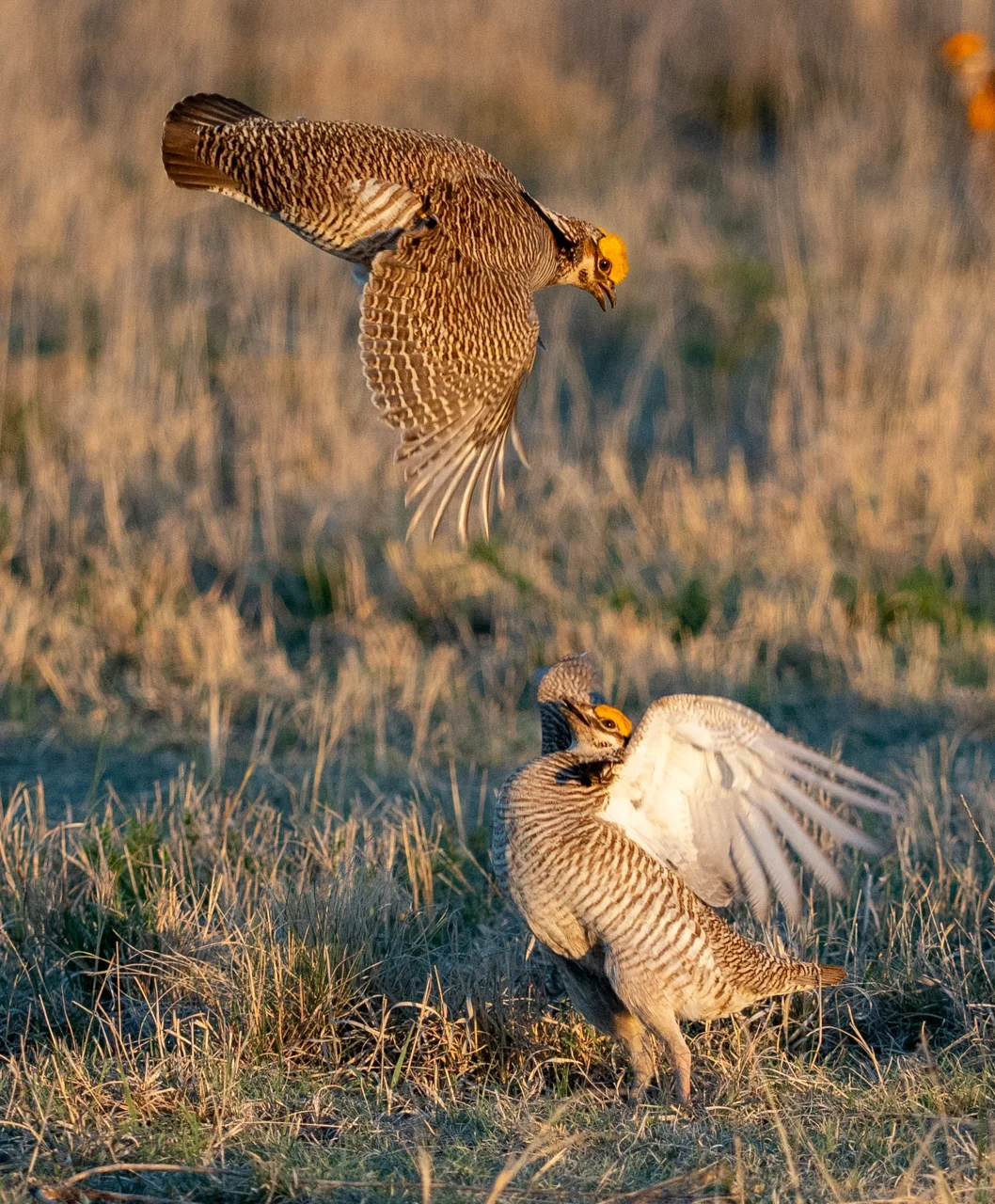
The April 2026 Eagle-Eye Colorado Grouse tour provided a comprehensive survey of the state’s diverse ecosystems, ranging from the snowcapped Southern Rockies and vibrant aspen stands to the sagebrush steppe, riparian corridors, and expansive shortgrass prairies. This annual expedition is timed to coincide with the peak of the lekking season—a critical period in the life cycle of several North American grouse species where males engage in elaborate competitive displays to attract mates. The 2026 itinerary successfully documented five primary grouse species—the Lesser Prairie-Chicken, Greater Prairie-Chicken, Sharp-tailed Grouse, Greater Sage-Grouse, and the endangered Gunnison Sage-Grouse—while also recording significant sightings of rare raptors, montane specialists, and diverse mammalian wildlife.
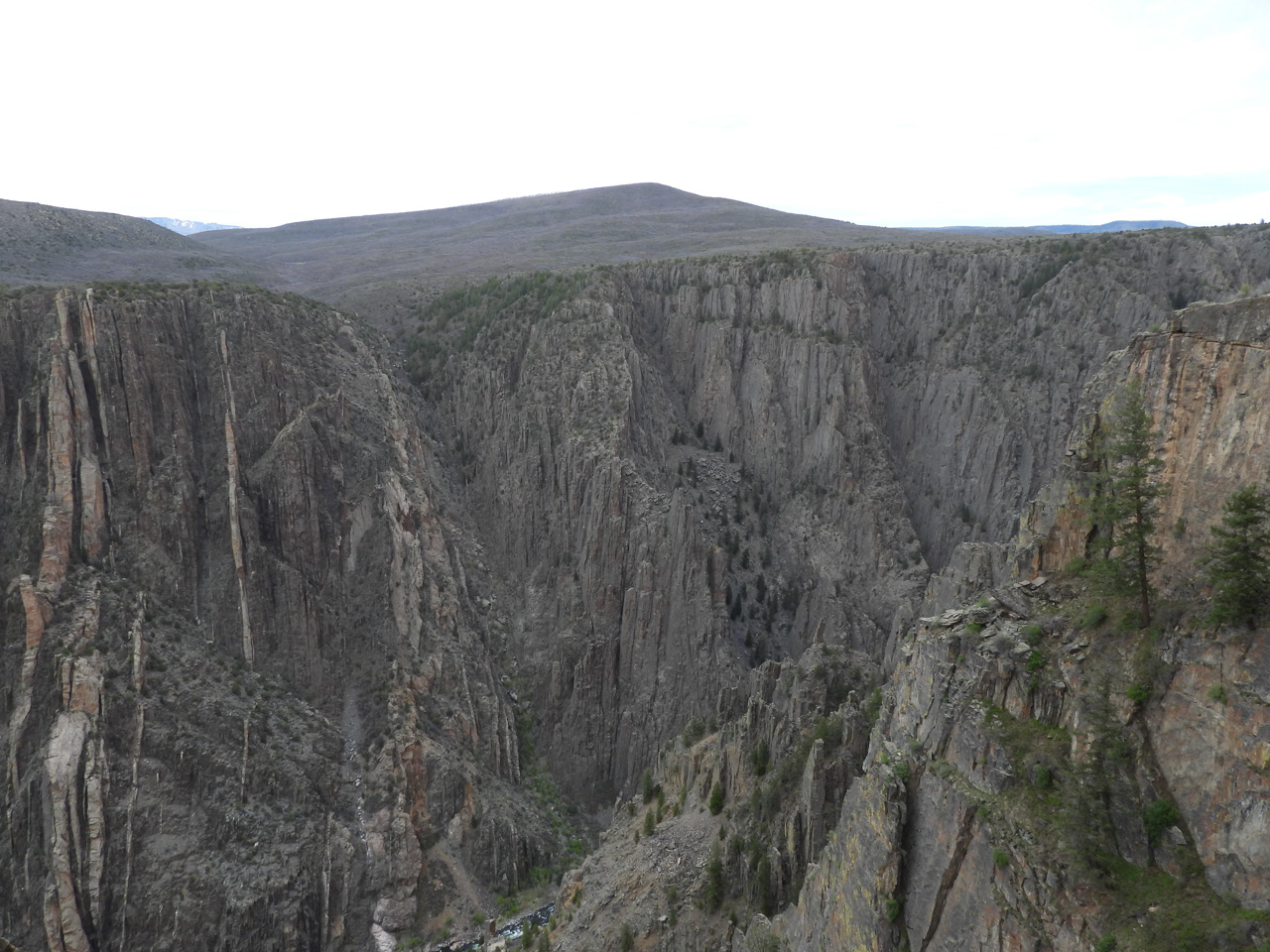
The Ecological Significance of the Colorado Grouse Loop
Colorado is uniquely positioned as a premier destination for ornithological study due to its intersection of various habitats. The "Grouse Loop," as it is often termed in birding circles, requires traversing vast distances to reach the specific, often isolated, habitats required by different species. The 2026 tour began in Denver, utilizing the Rocky Mountain Arsenal National Wildlife Refuge as a primary site for grassland and marshland observation.
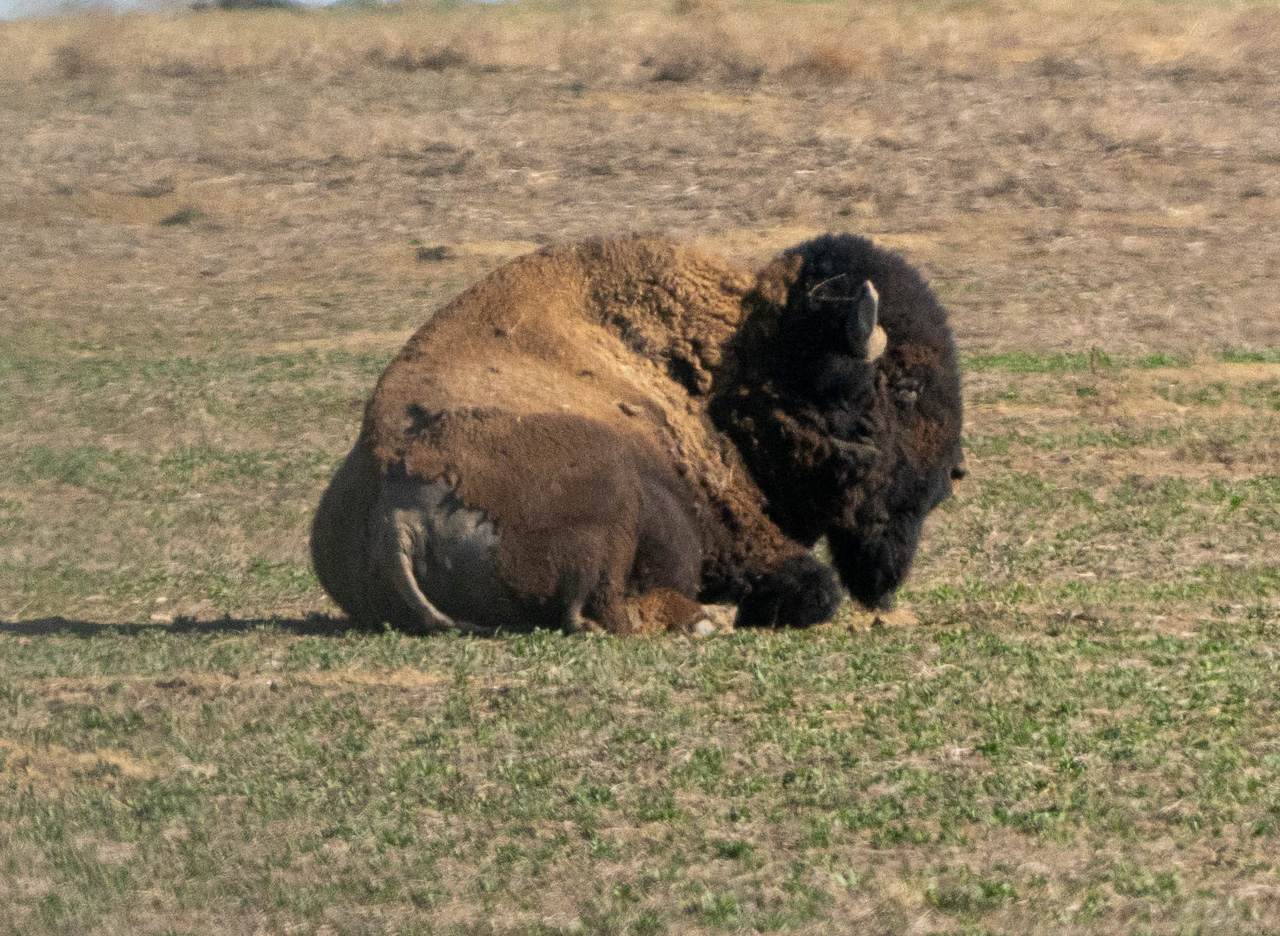
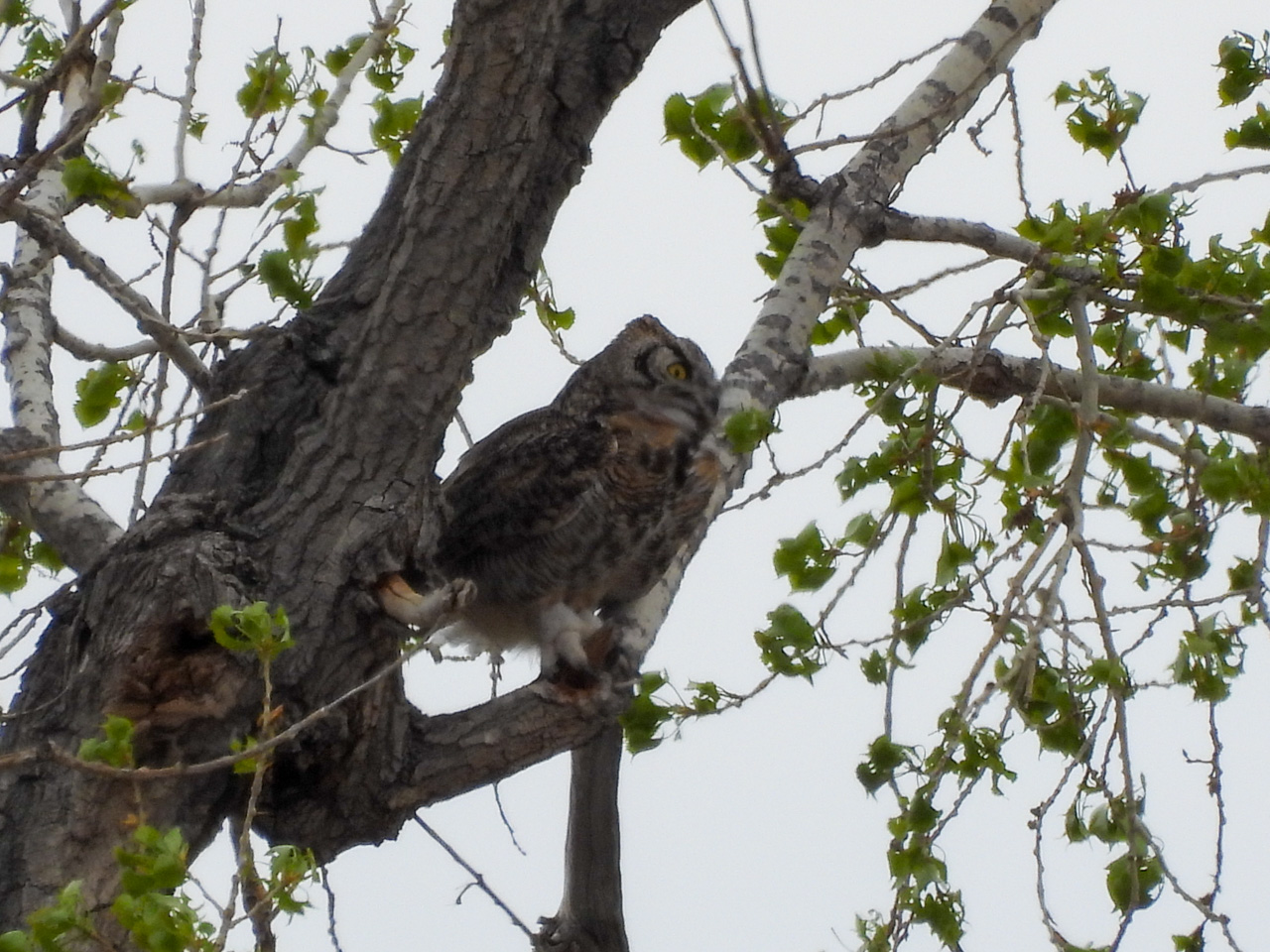
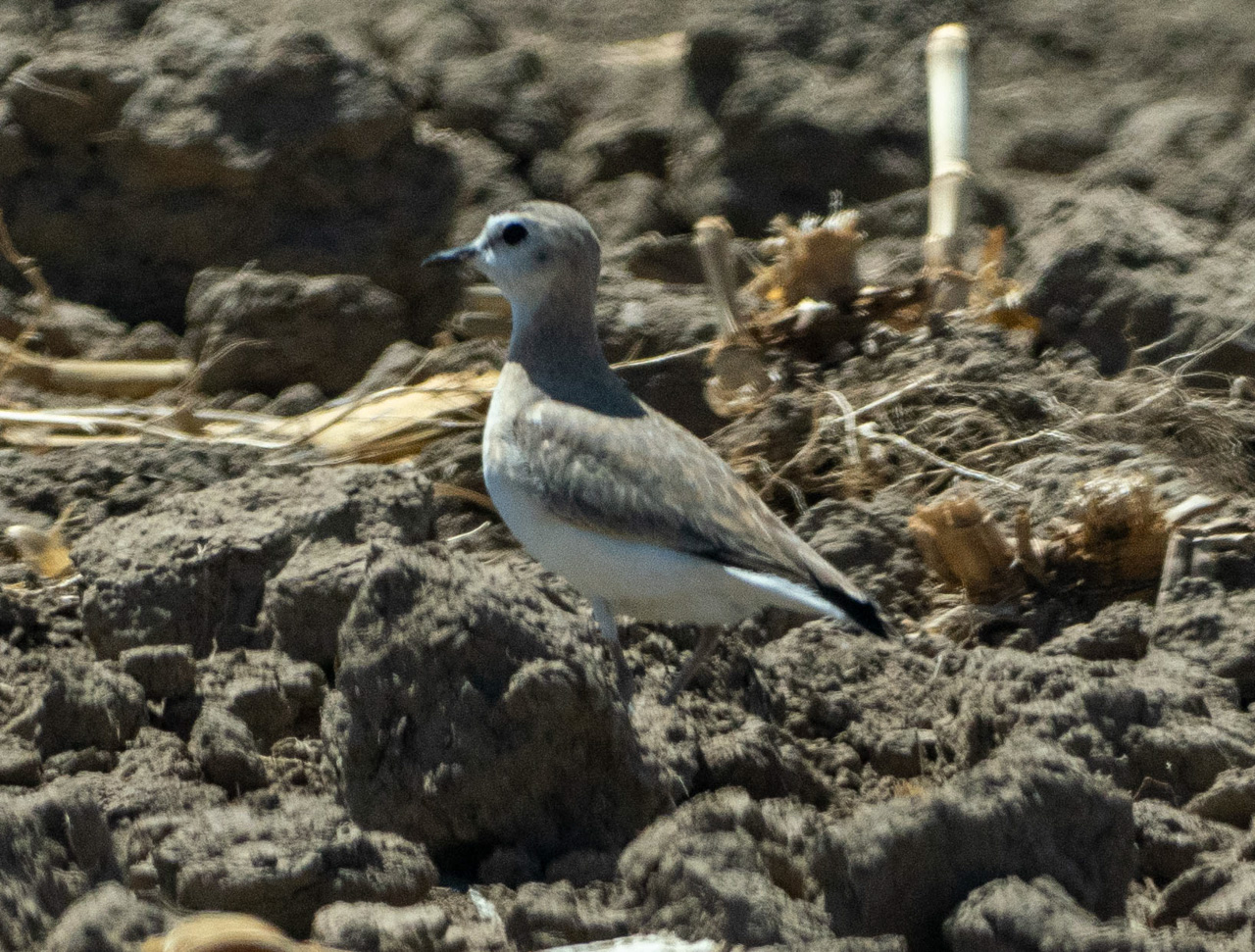
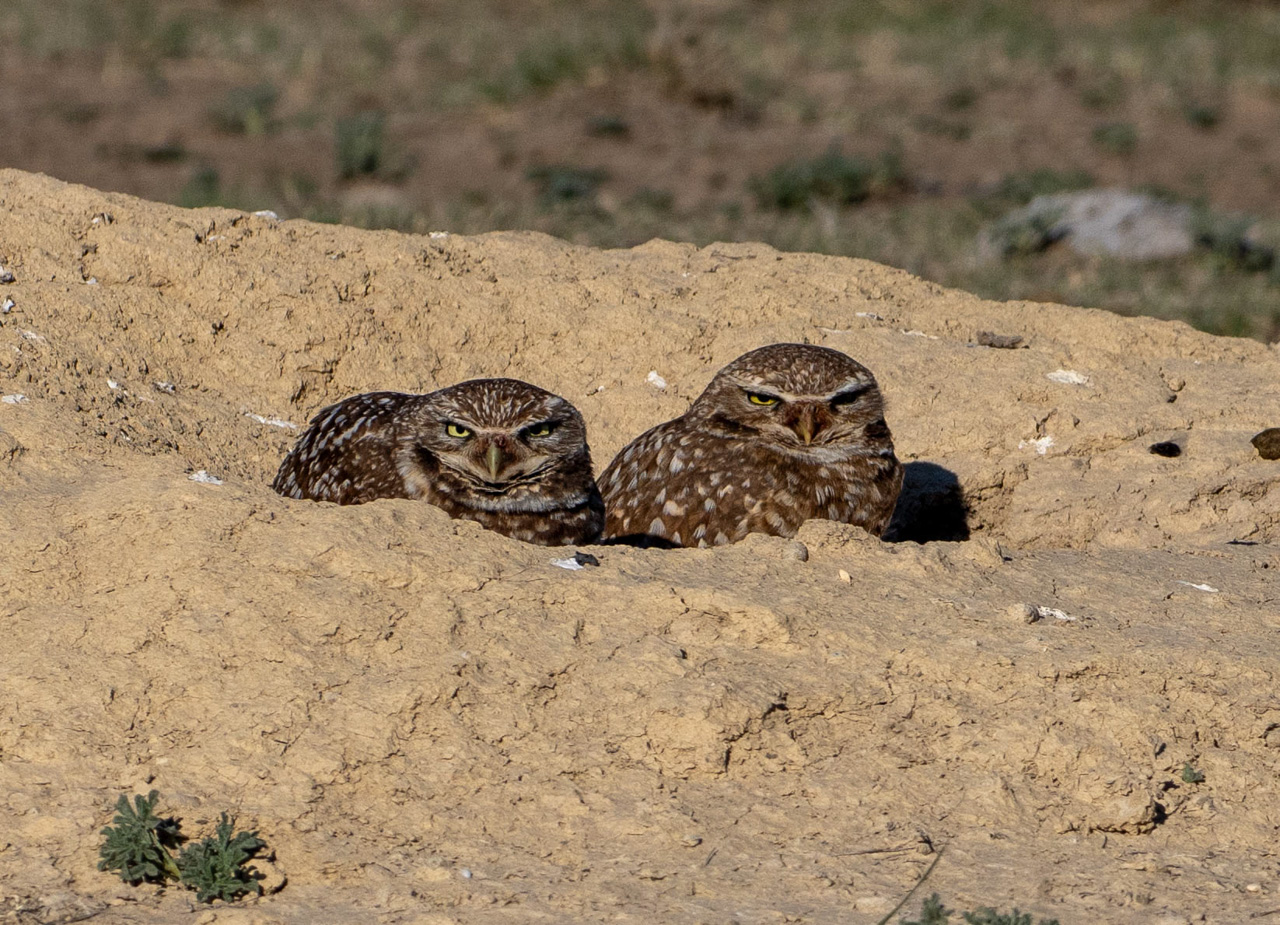
This refuge, once a site for chemical manufacturing, has been reclaimed as a sanctuary for biodiversity. Observations here included nesting Great Horned Owls and the American Bison, a keystone species of the American West. The presence of bison is vital for maintaining the shortgrass prairie structure required by birds such as the Mountain Plover and the Burrowing Owl, both of which were documented as the tour moved eastward toward the Kansas border.
Chronology of the Expedition: Prairies to the Sagebrush Steppe
The expedition followed a rigorous timeline designed to observe avian activity during the crepuscular hours when lekking behavior is most intense.
Days 1–3: The Eastern Plains and Prairie-Chicken Conservation
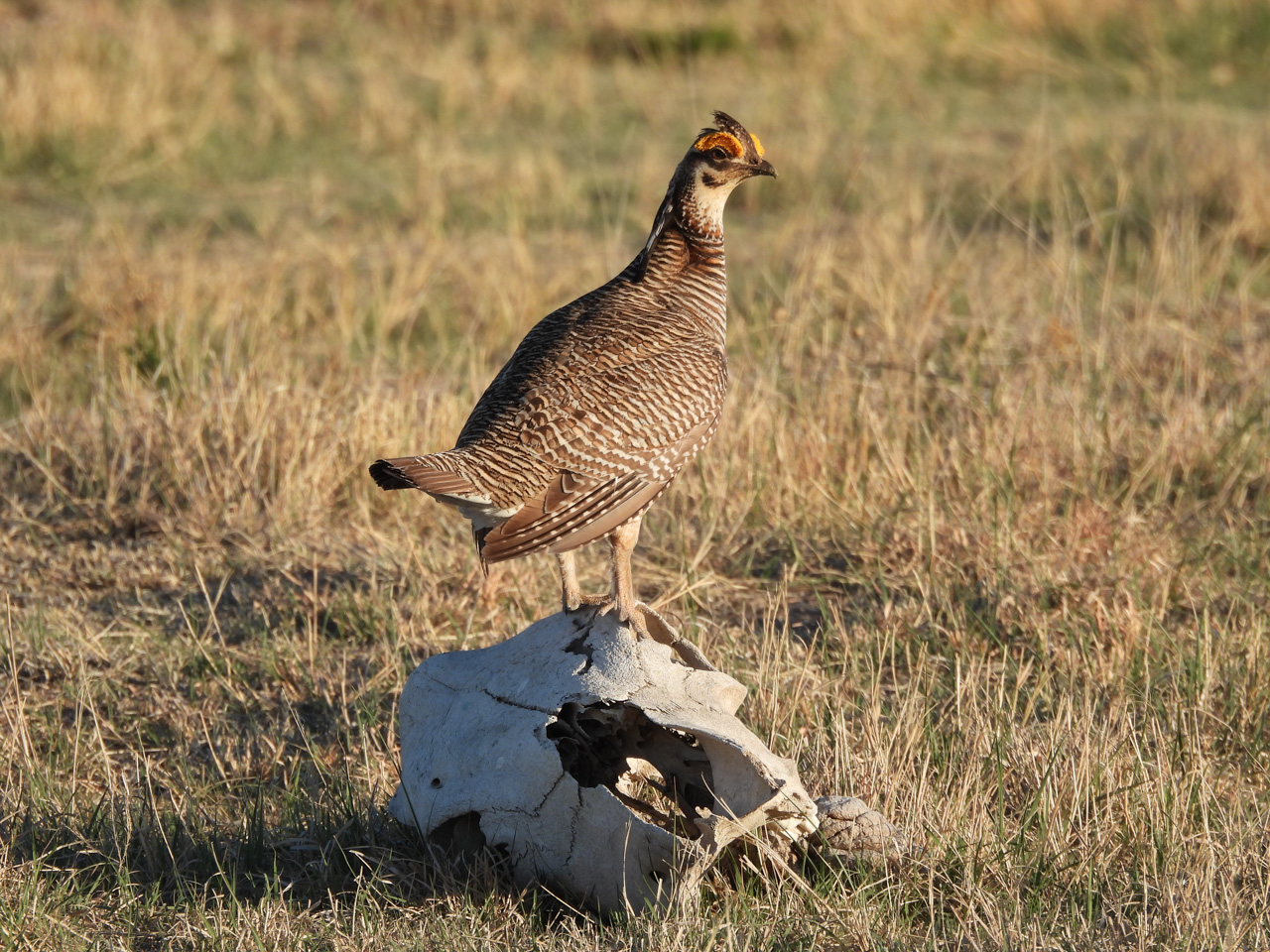
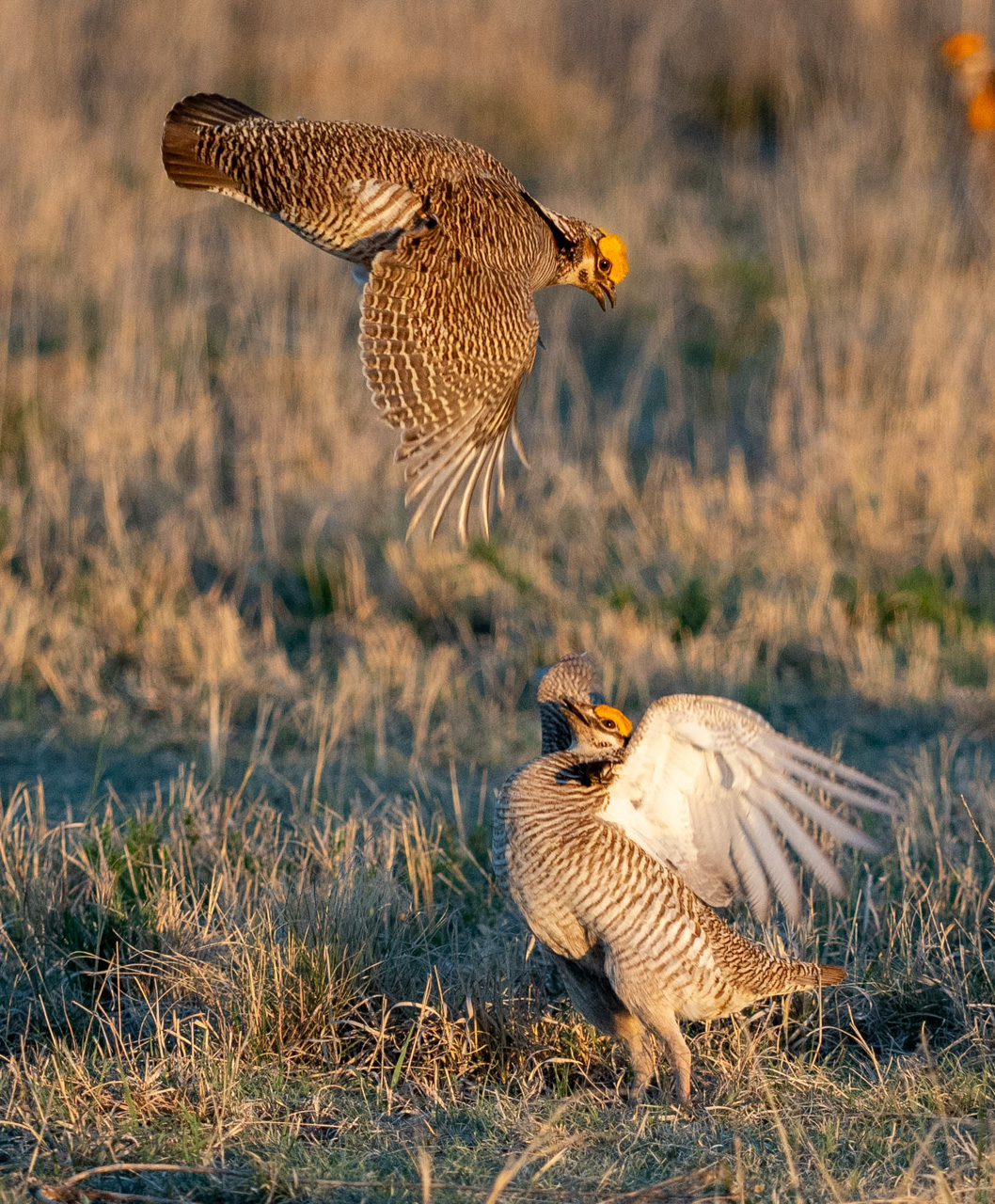
The tour moved from the Denver foothills into the arid fields of western Kansas and eastern Colorado. On the second day, participants arrived at a Lesser Prairie-Chicken lek in the predawn twilight. This species is currently a focal point of intense conservation efforts; in 2023, the U.S. Fish and Wildlife Service listed the Lesser Prairie-Chicken under the Endangered Species Act in portions of its range due to habitat fragmentation. The bubbling vocalizations and aggressive territorial displays observed by the group highlight the resilience of these birds in remaining habitat fragments.
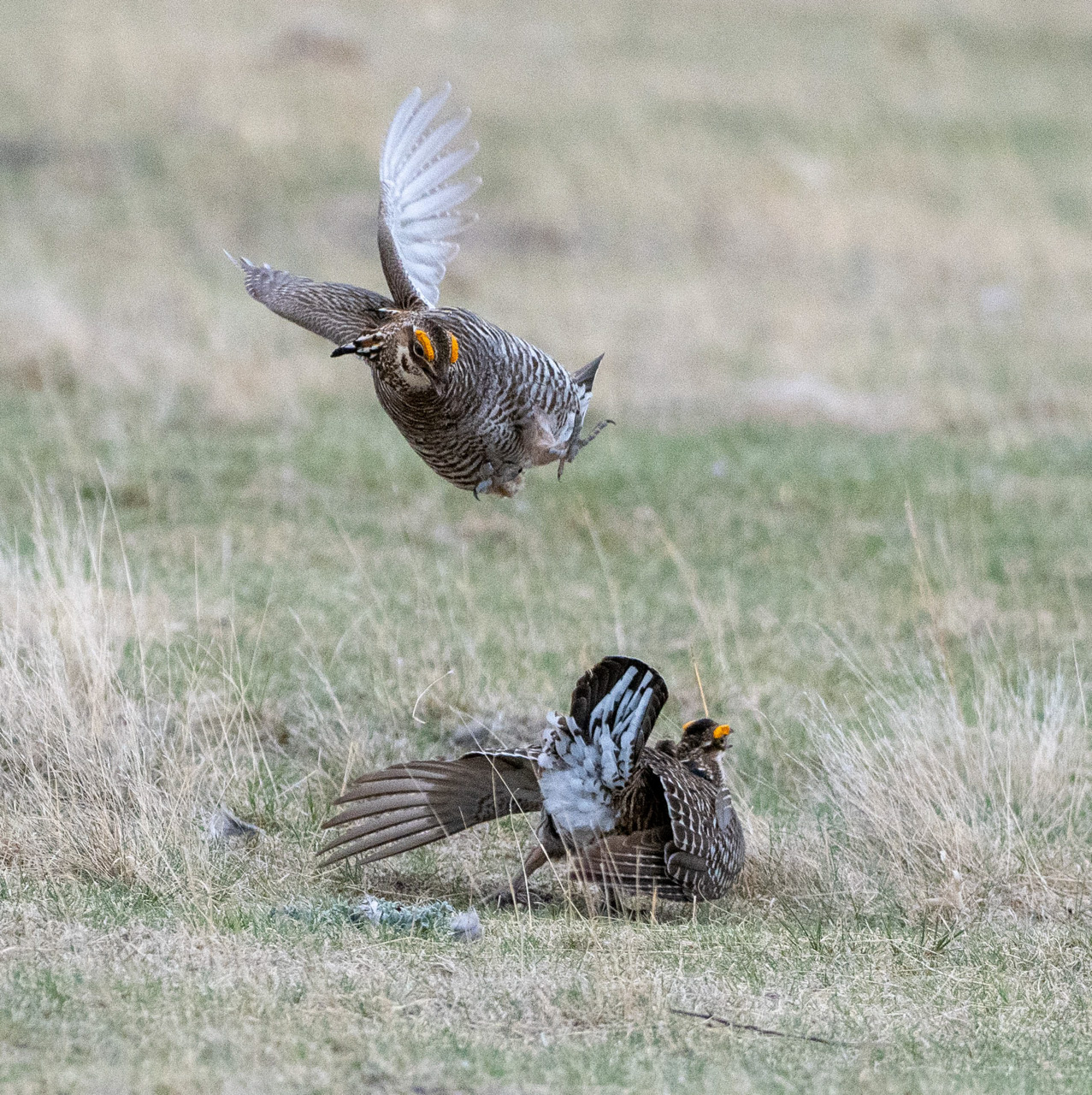
By the third day, the focus shifted to the Greater Prairie-Chicken in the vicinity of Wray, Colorado. Unlike their Lesser cousins, Greater Prairie-Chickens are found in taller grass structures. Despite high winds and low temperatures typical of April on the high plains, the group observed males performing their iconic "booming" displays.
Days 4–5: Shortgrass Prairie Specialists at Pawnee National Grasslands
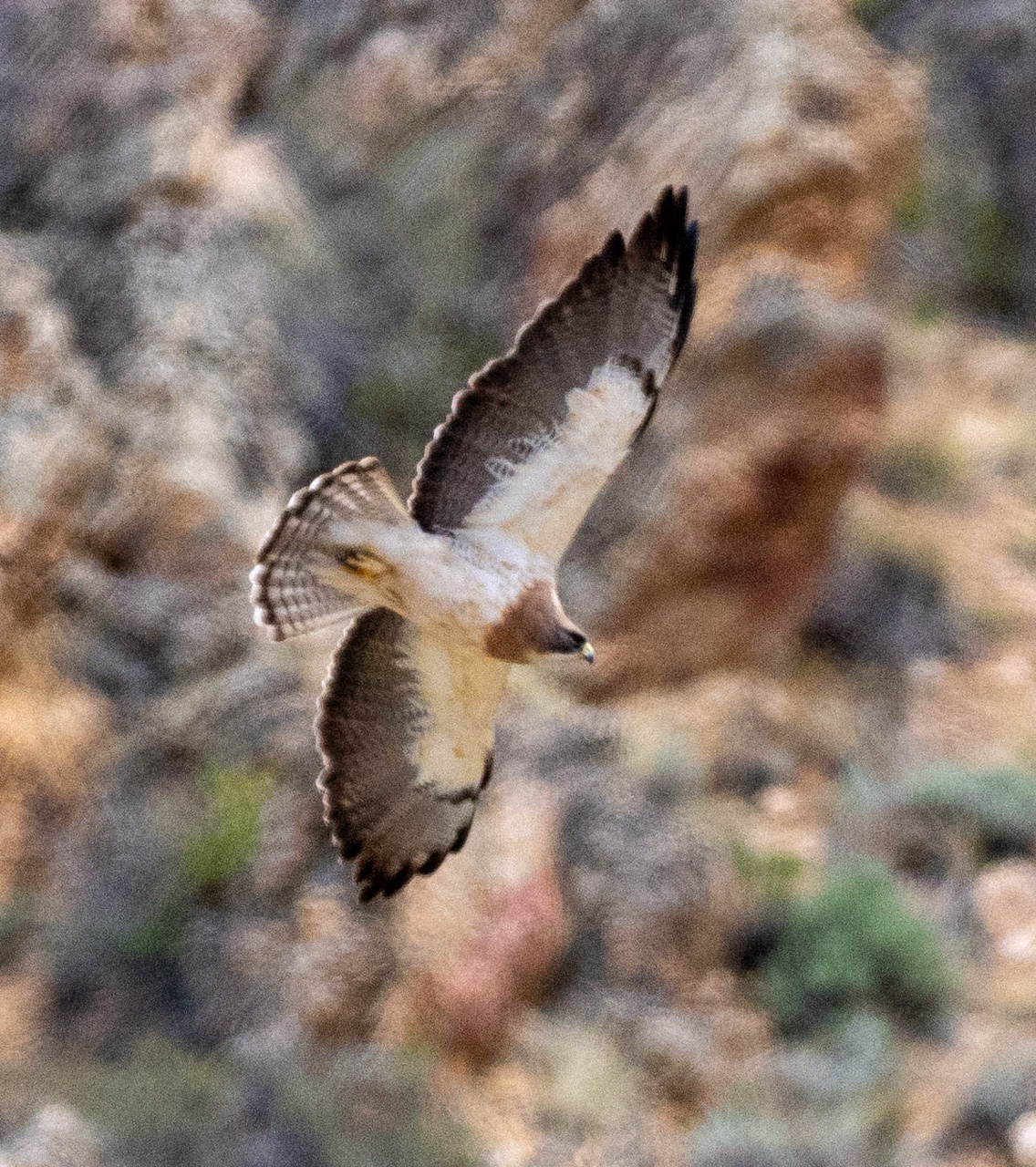
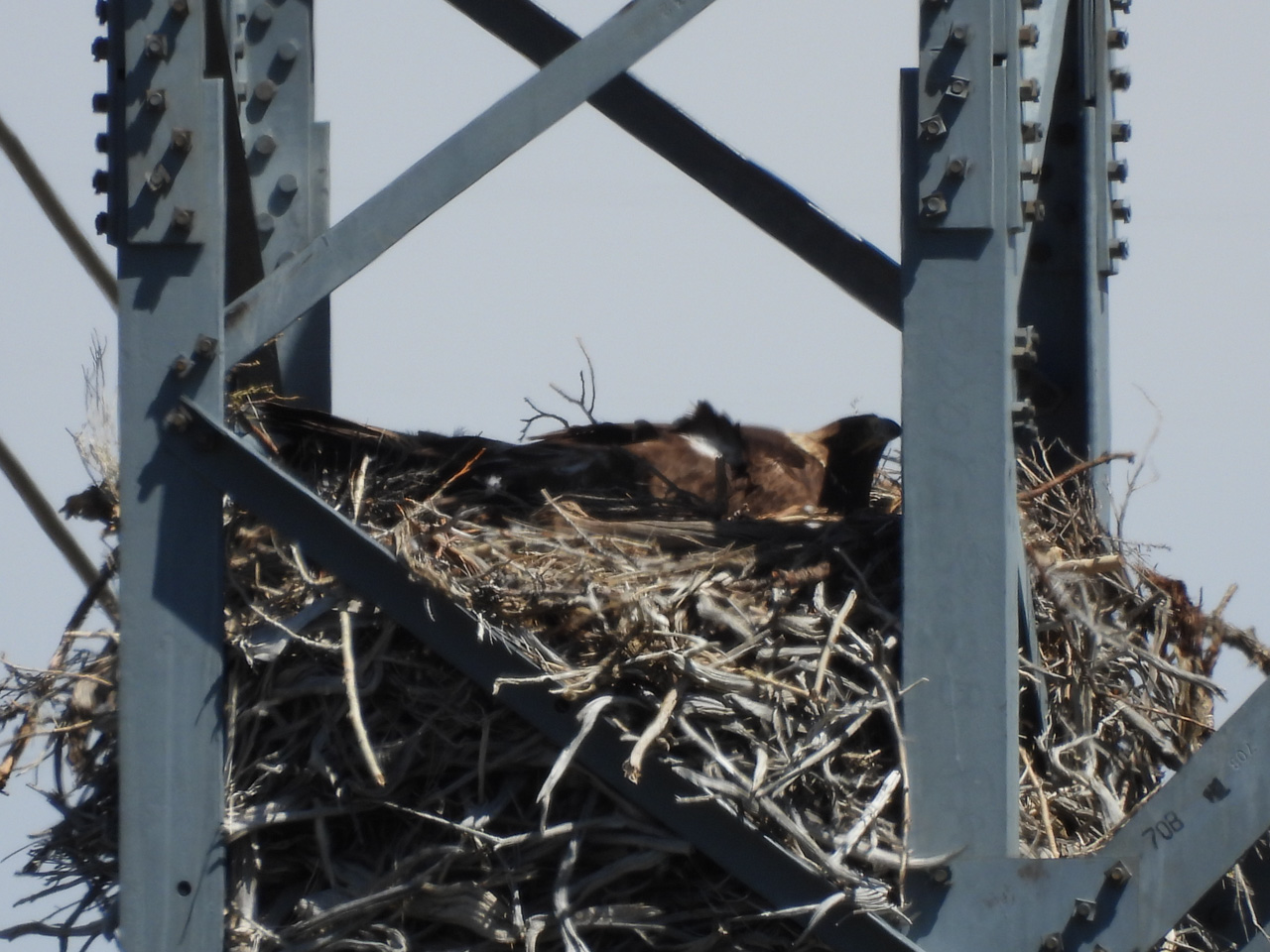
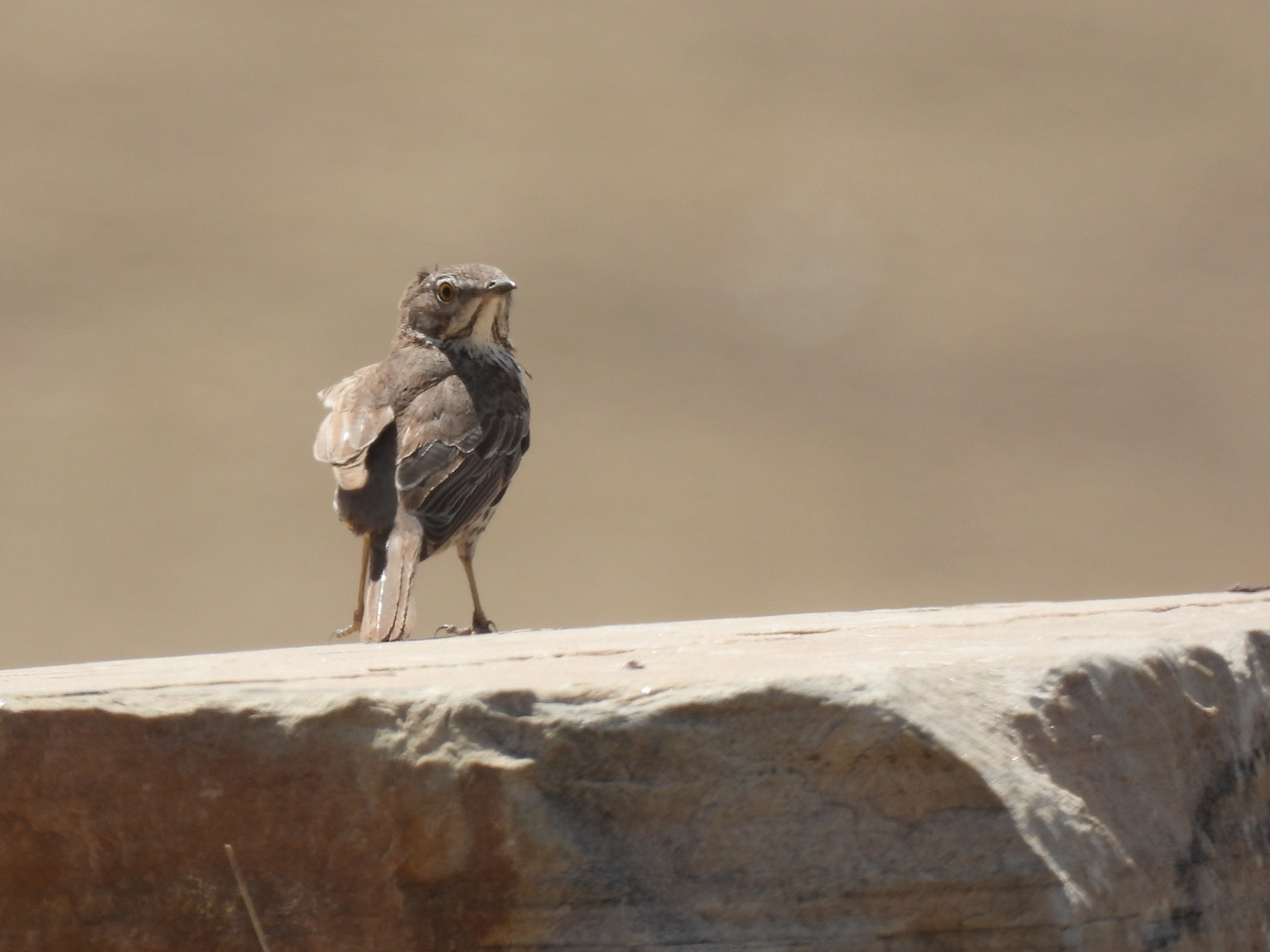
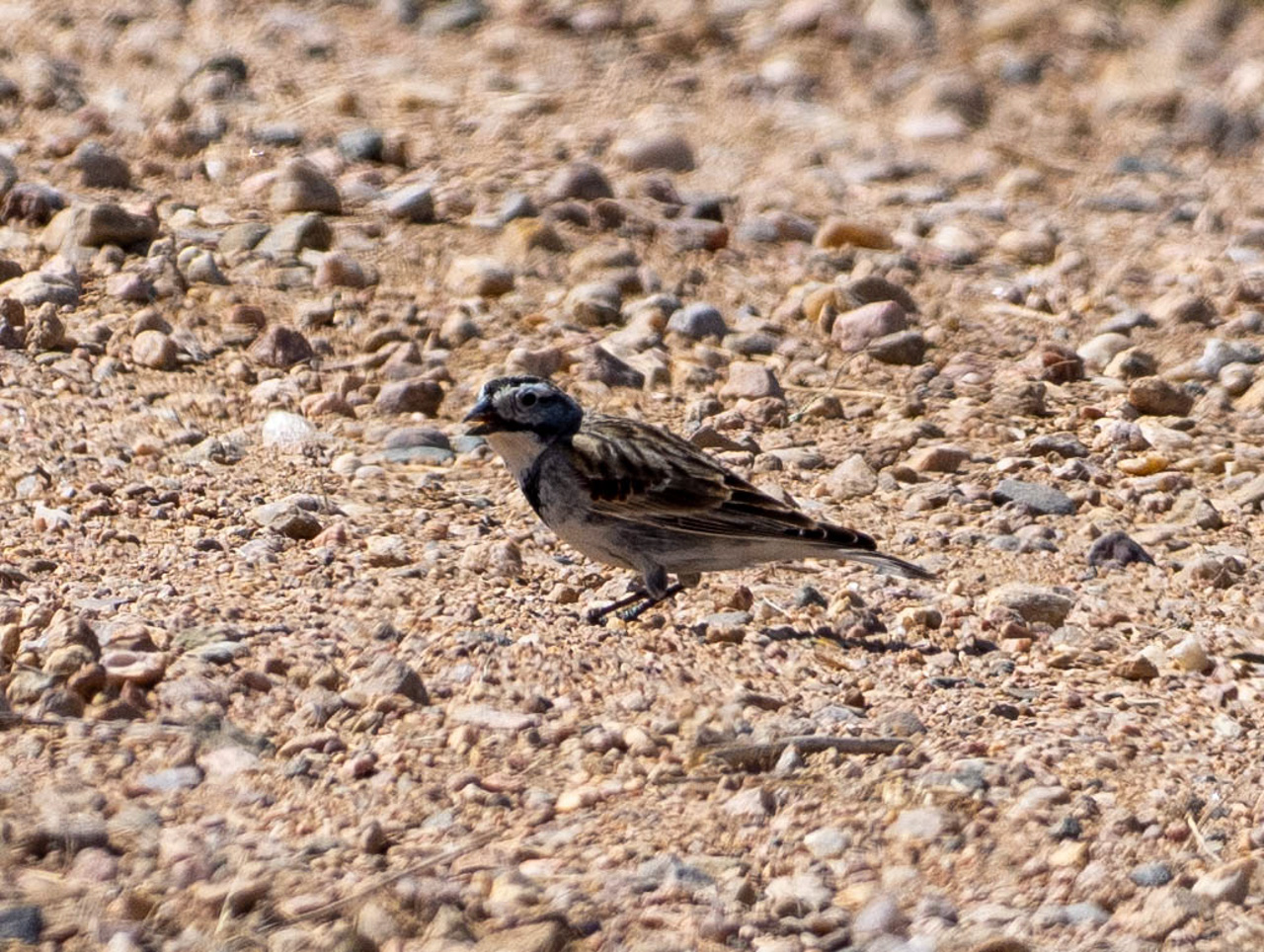
The tour then transitioned to the Pawnee National Grasslands, a 193,060-acre complex in northern Colorado. The Pawnee Buttes provided a dramatic backdrop for observing high-altitude raptors, including the Golden Eagle and Prairie Falcon. The shortgrass ecosystem here supports specialized breeders like the Chestnut-collared Longspur and the Thick-billed Longspur. Data suggests that grassland birds are among the fastest-declining avian cohorts in North America, making the high density of sightings at Pawnee—including nesting Swainson’s Hawks and Ferruginous Hawks—a significant metric for the health of this specific unit.
Days 6–8: Montane Transition and the Greater Sage-Grouse
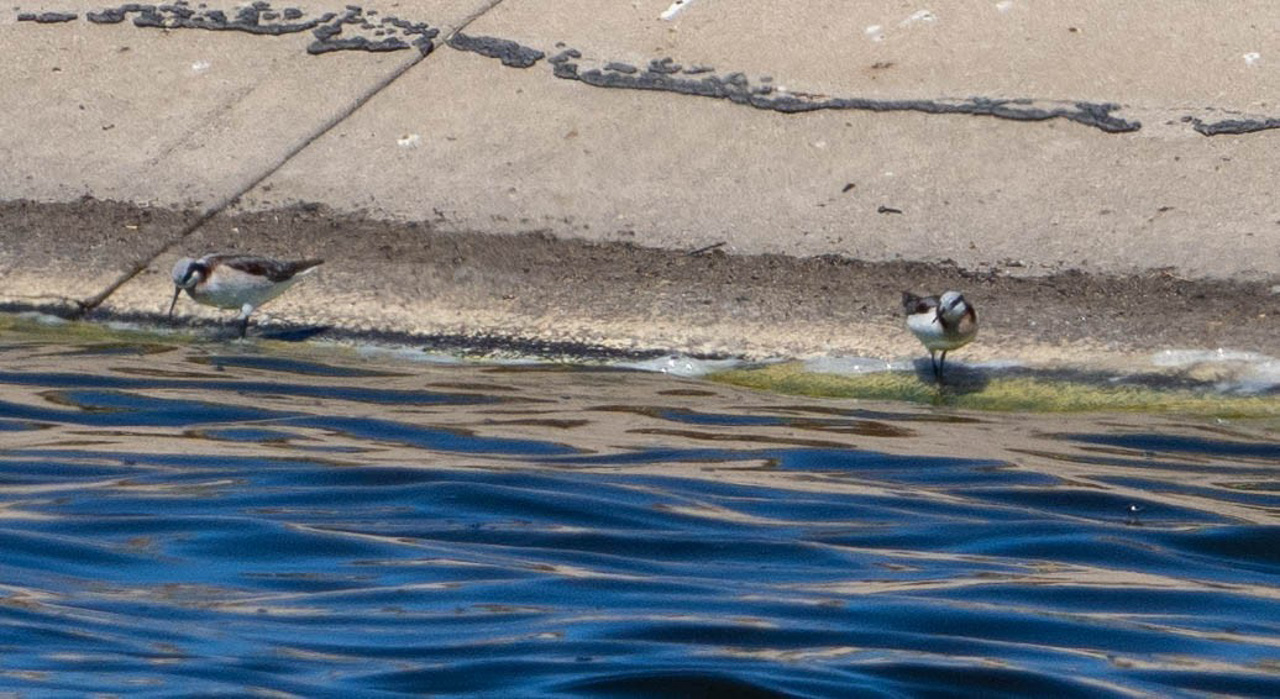
The itinerary moved into the Poudre Canyon and the North Park region. At Walden Reservoir, the group observed a transition to aquatic and montane species, including the Eared Grebe and American White Pelican. However, the primary objective in the northwest was the Greater Sage-Grouse near Craig, Colorado.
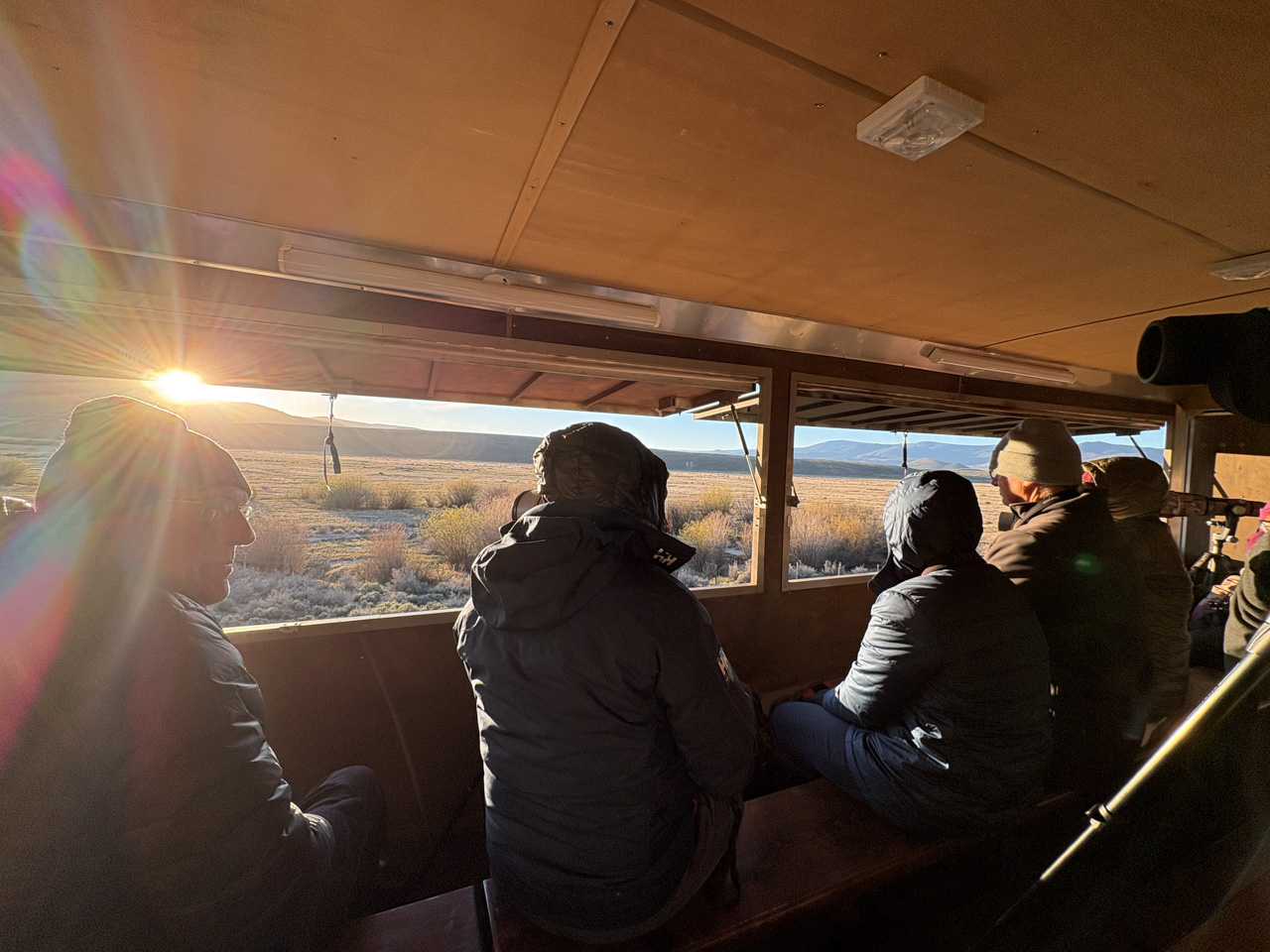
The Greater Sage-Grouse is an umbrella species for the sagebrush ecosystem. Its lekking behavior is among the most complex in the avian world, involving the inflation of esophageal air sacs and rhythmic acoustic displays. Following this, the group moved to Hayden to observe the Sharp-tailed Grouse. This species is noted for its high-energy "dancing," characterized by rapid foot-stomping and tail-rattling. Observations were conducted on the private lands of conservationists such as Ken Bekkedahl, whose management practices are essential for the survival of these leks.
Days 9–10: The Endangered Gunnison Sage-Grouse
One of the most critical segments of the tour took place in the Gunnison Basin. The Gunnison Sage-Grouse was recognized as a distinct species only in 2000 and is currently listed as threatened under the Endangered Species Act. With a global population estimated at fewer than 5,000 individuals, sightings are rare and highly regulated to prevent disturbance. The 2026 group observed 44 individuals at a distance, a robust number that provides a positive snapshot of the local population’s breeding efforts.
Significant Avian and Mammalian Discoveries
Beyond the primary grouse objectives, the 2026 tour documented a wide array of species that indicate the overall biodiversity of the Rocky Mountain corridor.
Raptor and Owl Observations
The expedition recorded a high frequency of raptor activity, which is often an indicator of healthy prey populations. Notable sightings included:
- Northern Pygmy-Owl: Observed in the Poudre Canyon successfully hunting a vole.
- American Three-toed Woodpecker: A bonded pair was documented in the Gunnison River region, a significant find as this species is often elusive and restricted to old-growth coniferous forests.
- Lewis’s Woodpecker: Observed near Orchard City, these woodpeckers are unique for their flycatcher-like foraging behavior and striking pink-and-green plumage.
Mammalian Biodiversity
The 2026 tour also served as a census of regional mammals. In Silverthorne, the group had a rare encounter with two Pine Martens (Martes americana). These members of the weasel family are typically shy and forest-dwelling; observing them at close range near a residential feeder provided an unusual opportunity for study. Additionally, the group documented three distinct species of prairie dogs—Black-tailed, White-tailed, and Gunnison’s—each occupying specific altitudinal and geographic niches.
High-Altitude Challenges and the White-tailed Ptarmigan
The final phase of the tour involved an ascent into the alpine tundra at Loveland Pass. The target was the White-tailed Ptarmigan, the only bird in North America to remain above the treeline throughout the winter. The species is a master of crypsis, with plumage that transitions from pure white in winter to a mottled brown in summer to match the lichen-covered rocks.
After an extensive search of the tundra under harsh windchill conditions, the group successfully located an individual. This sighting is particularly relevant to climate change studies; as alpine temperatures rise, the "treeline creep" threatens to reduce the available tundra habitat for the ptarmigan, making continued monitoring of these high-altitude populations vital for conservationists.
The Role of Private Stewardship and Ecotourism
A recurring theme throughout the 2026 expedition was the intersection of private landownership and wildlife conservation. Many of the most productive leks are located on private ranches. The cooperation of landowners like Stacy Hoeme and Ken Bekkedahl is instrumental in allowing managed access for birders and researchers.
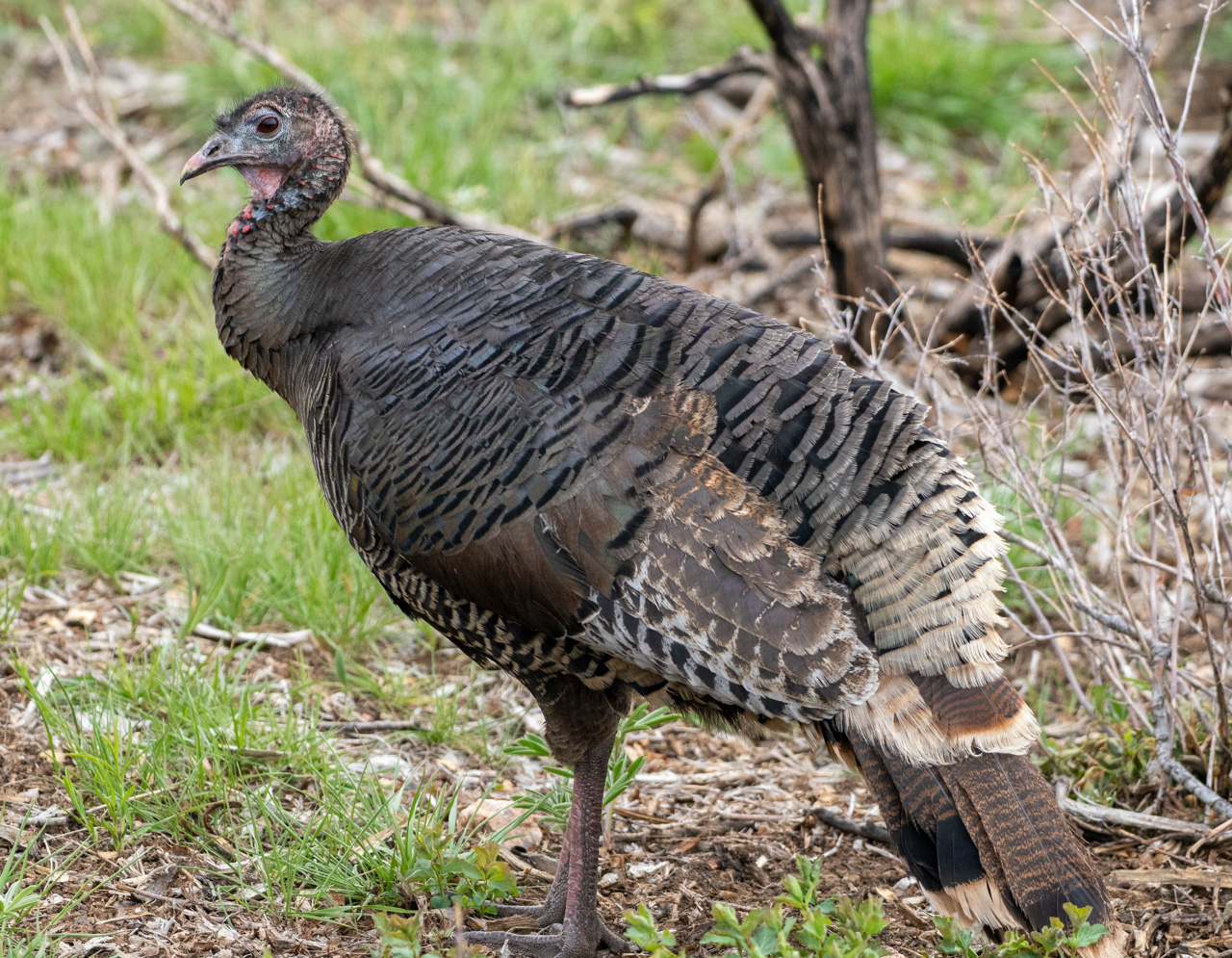
Ecotourism provides an economic incentive for habitat preservation. By demonstrating that intact prairies and sagebrush stands have value beyond traditional agriculture or resource extraction, tours like the Eagle-Eye expedition contribute to a sustainable model of land management.
Conclusion: Broader Implications for Colorado’s Ecosystems
The 2026 Colorado Grouse tour concluded with a final count of species that reflects both the beauty and the fragility of the American West. The successful observation of all target grouse species, alongside rare mammals like the Pine Marten and specialized birds like the American Three-toed Woodpecker, underscores the importance of maintaining large, connected tracts of habitat.
However, the challenges remain significant. Habitat loss, climate-driven changes in snowpack, and the encroachment of invasive species continue to pressure these populations. The data gathered and the observations made during this tour serve as a reminder that the dynamic beauty of Colorado in April is a result of a delicate ecological balance that requires ongoing vigilance, scientific study, and collaborative conservation efforts. As the group returned to Denver, the overarching sentiment was one of gratitude for the stewards of these lands and an urgent recognition of the need to protect these ancient avian rituals for future generations.
