
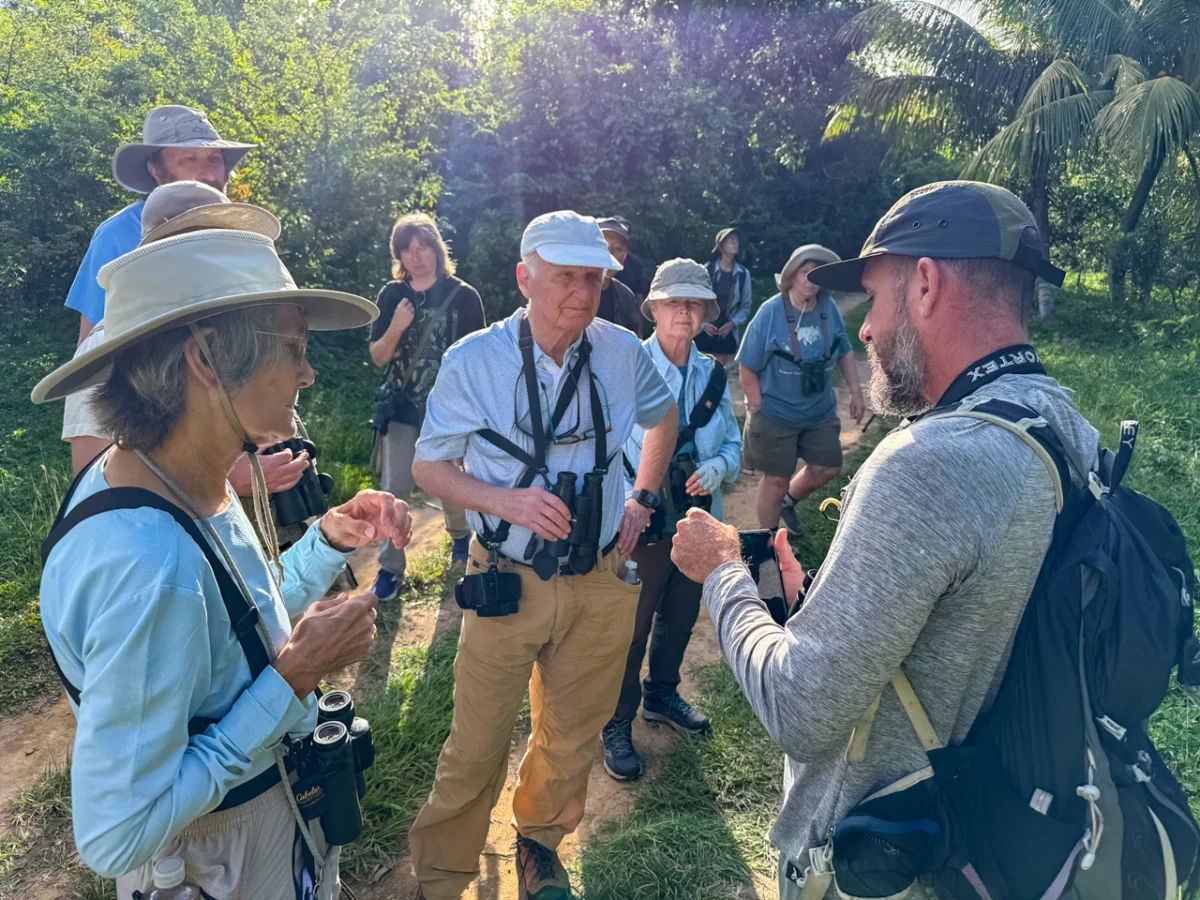
The 2024 Puerto Rico ornithological expedition concluded this March with a record-breaking documentation of 126 bird species, underscoring the island’s status as a critical sanctuary for both endemic Caribbean fauna and migratory North American species. Conducted between March 3 and March 9, the survey spanned diverse ecological zones, ranging from the northern karst forests and coastal wetlands to the high-altitude elfin woods of the central mountains and the arid southern scrublands. This year’s observation count represents the highest detection rate in the history of this specific survey series, highlighting the resilience of local avian populations and the ongoing success of intensive conservation programs managed by the Department of Natural and Environmental Resources (DNER) and federal partners.
Ecological Significance of the Northern Karst Region
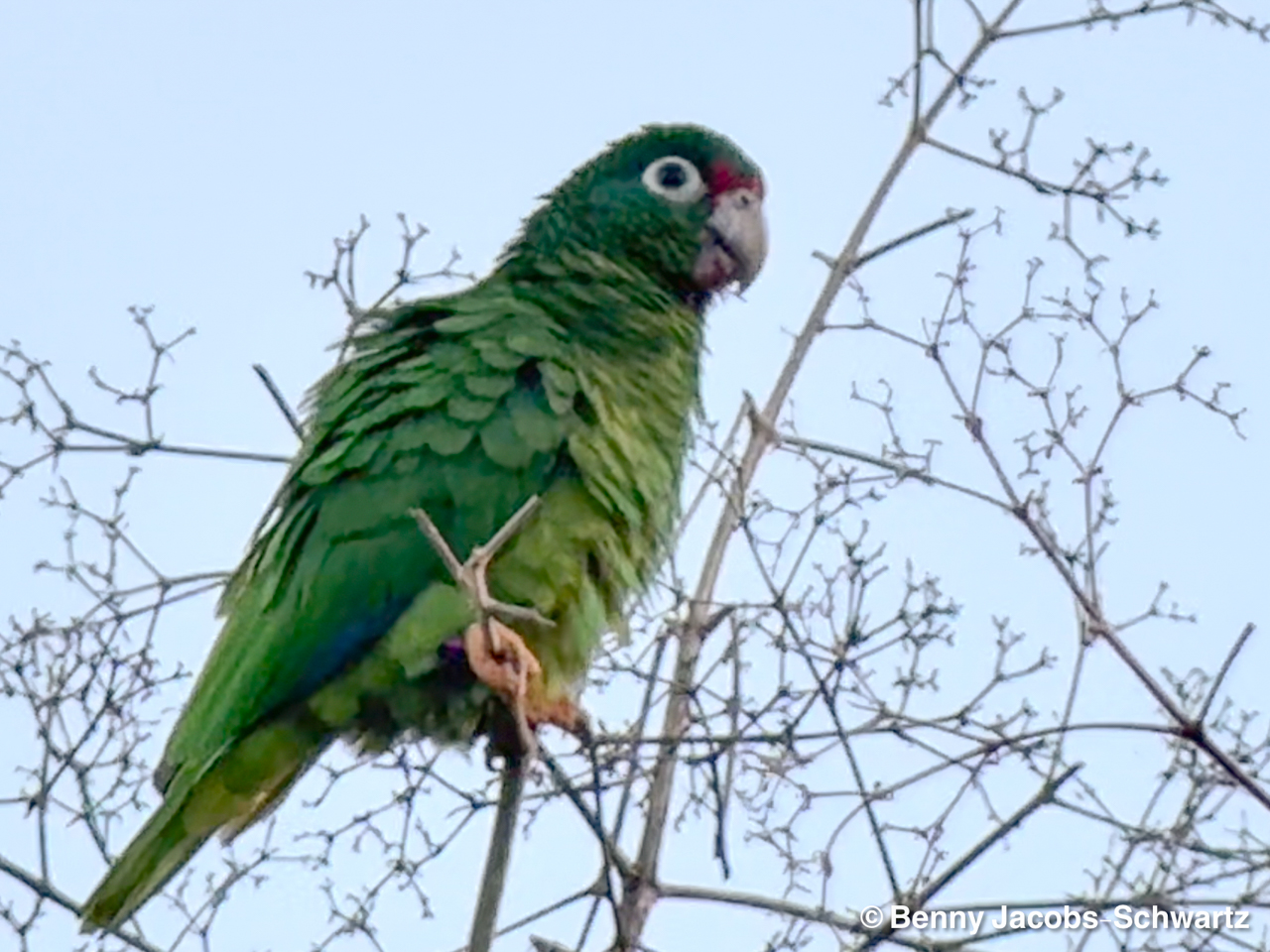
The expedition officially commenced on March 4, following an initial arrival and orientation in San Juan. The primary focus of the first day was the Río Abajo State Forest, situated within the northern karst region. This area is characterized by its dramatic limestone topography and dense, broad-leafed canopy, which serves as the primary stronghold for the Puerto Rican Amazon (Amazona vittata). Once on the brink of extinction with only 13 individuals remaining in the wild in the 1970s, the species has seen a fragile but steady recovery due to captive breeding and reintroduction efforts.
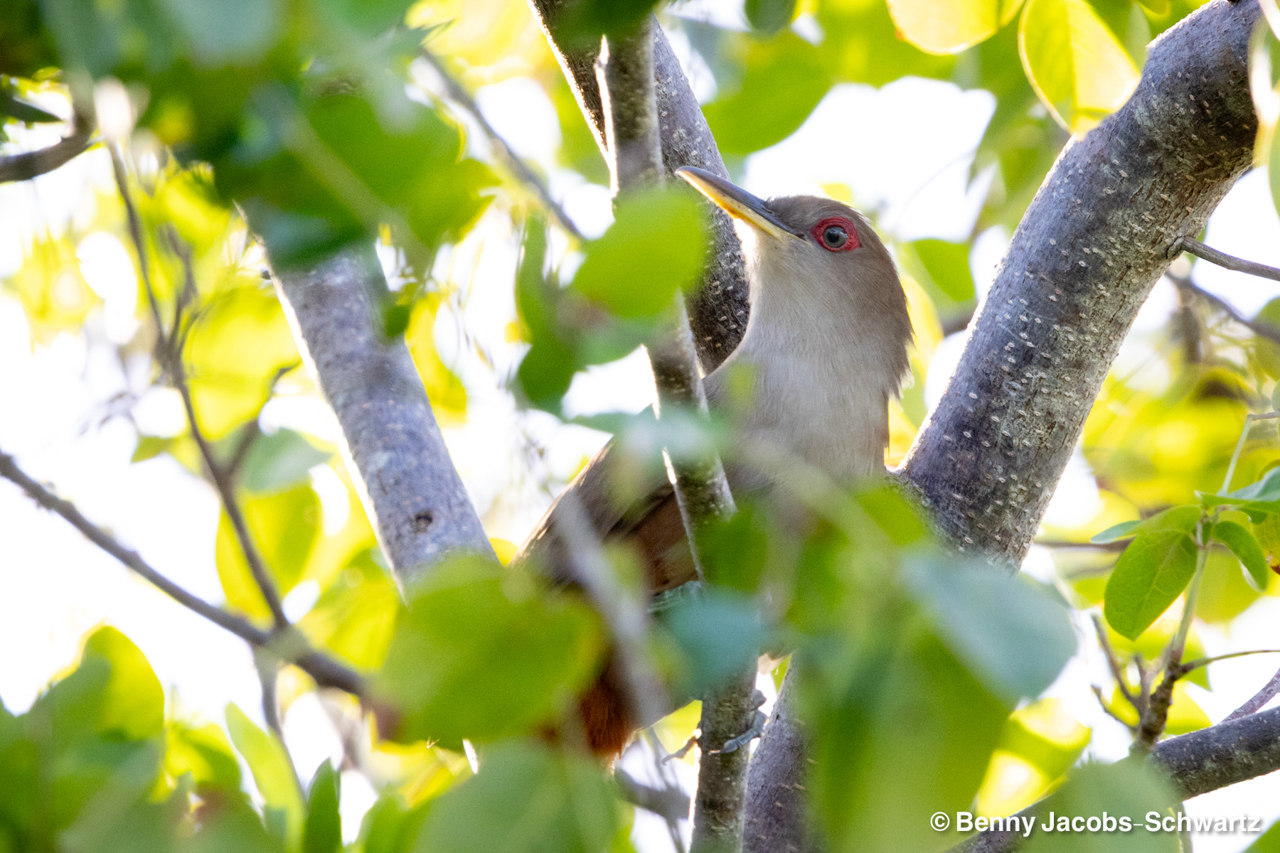
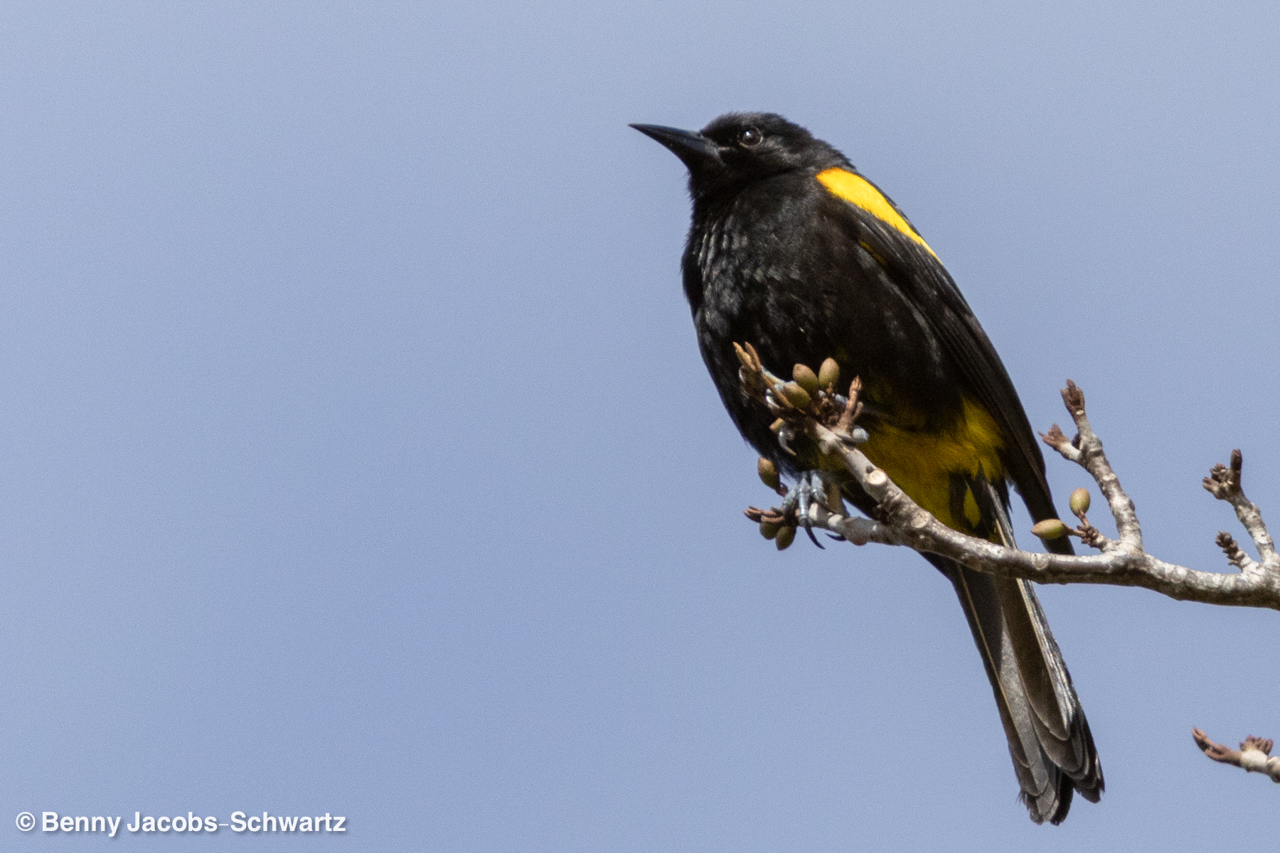
Observers documented a pair of Puerto Rican Amazons perched at the canopy’s zenith, followed by several other individuals engaged in foraging and vocalization. The karst region also yielded sightings of the Puerto Rican Lizard-Cuckoo, the Puerto Rican Emerald, and the Puerto Rican Bullfinch—an elusive species noted for its striking black and rufous plumage. The presence of the resident subspecies of the Broad-winged Hawk (Buteo platypterus brunnescens), an endangered raptor with a highly localized range, further emphasized the forest’s high conservation value.
Following the forest survey, the group transitioned to the Charca Arizona, an ox-bow lake formed by the Arecibo River. This wetland habitat provided a stark contrast to the dense forest, hosting a variety of waterfowl including the West Indian Whistling-Duck—a rare Caribbean specialty—alongside Blue-winged Teals and White-cheeked Pintails. The day concluded with a survey of the Cambalache State Forest and the coastal dunes of Playa Sardinera, where the group observed a diverse array of shorebirds and an active rookery of Glossy and White Ibises.
Marine and Coastal Avifauna of the West Coast
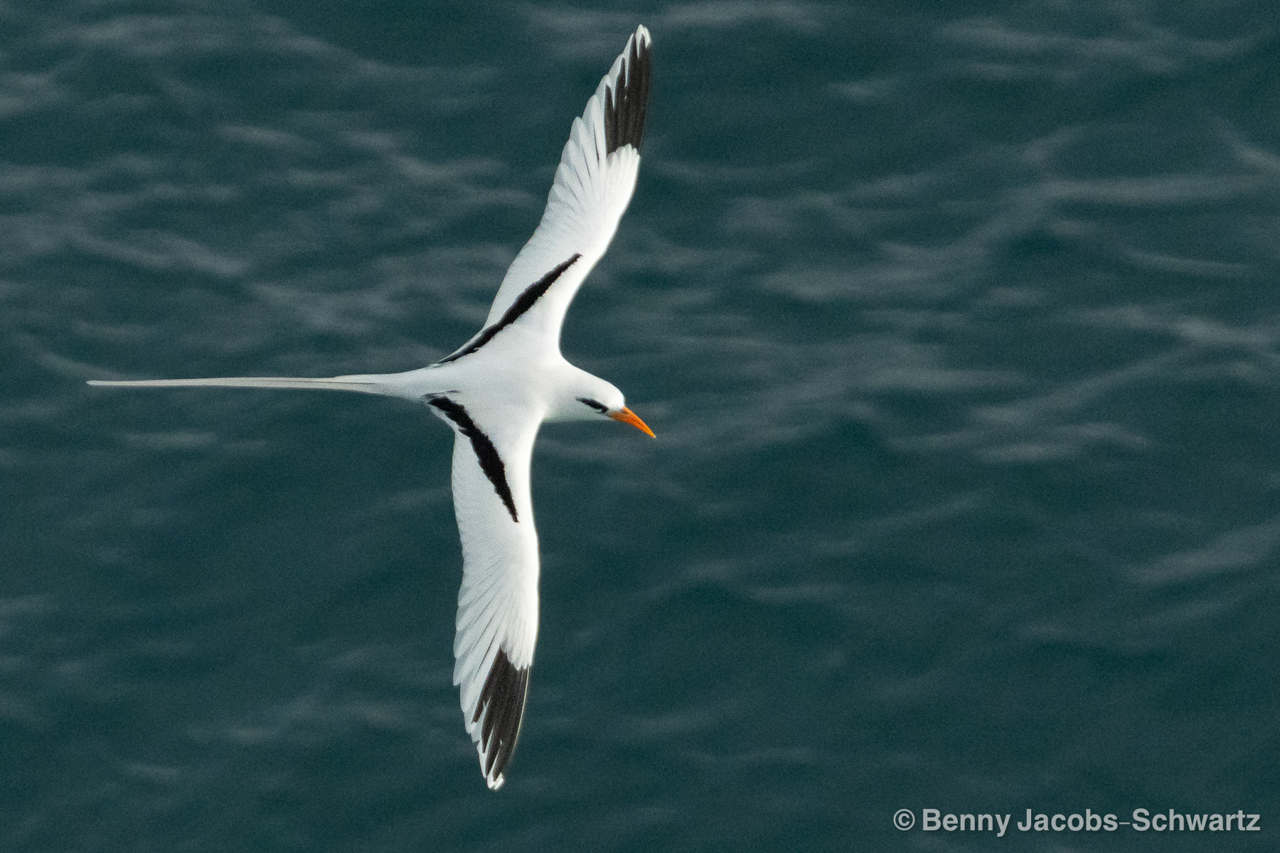
On March 5, the expedition moved westward toward the Atlantic coast, focusing on the specialized cliff-nesting species of Los Merenderos de Guajataca. The stunted coastal forest and dramatic ocean overlooks provided ideal conditions for observing White-tailed Tropicbirds. These elegant seabirds were seen performing aerial displays near their nesting sites on the limestone cliffs.
The survey then shifted to the Lajas Valley and the Cabo Rojo region, areas known for their complex mosaic of agricultural lands, salt flats, and mangroves. The Lajas Valley rice fields have become a notable site for observing introduced finch species, such as the Northern Red Bishop and the Scaly-breasted Munia, which have established self-sustaining populations in the island’s grassy lowlands.
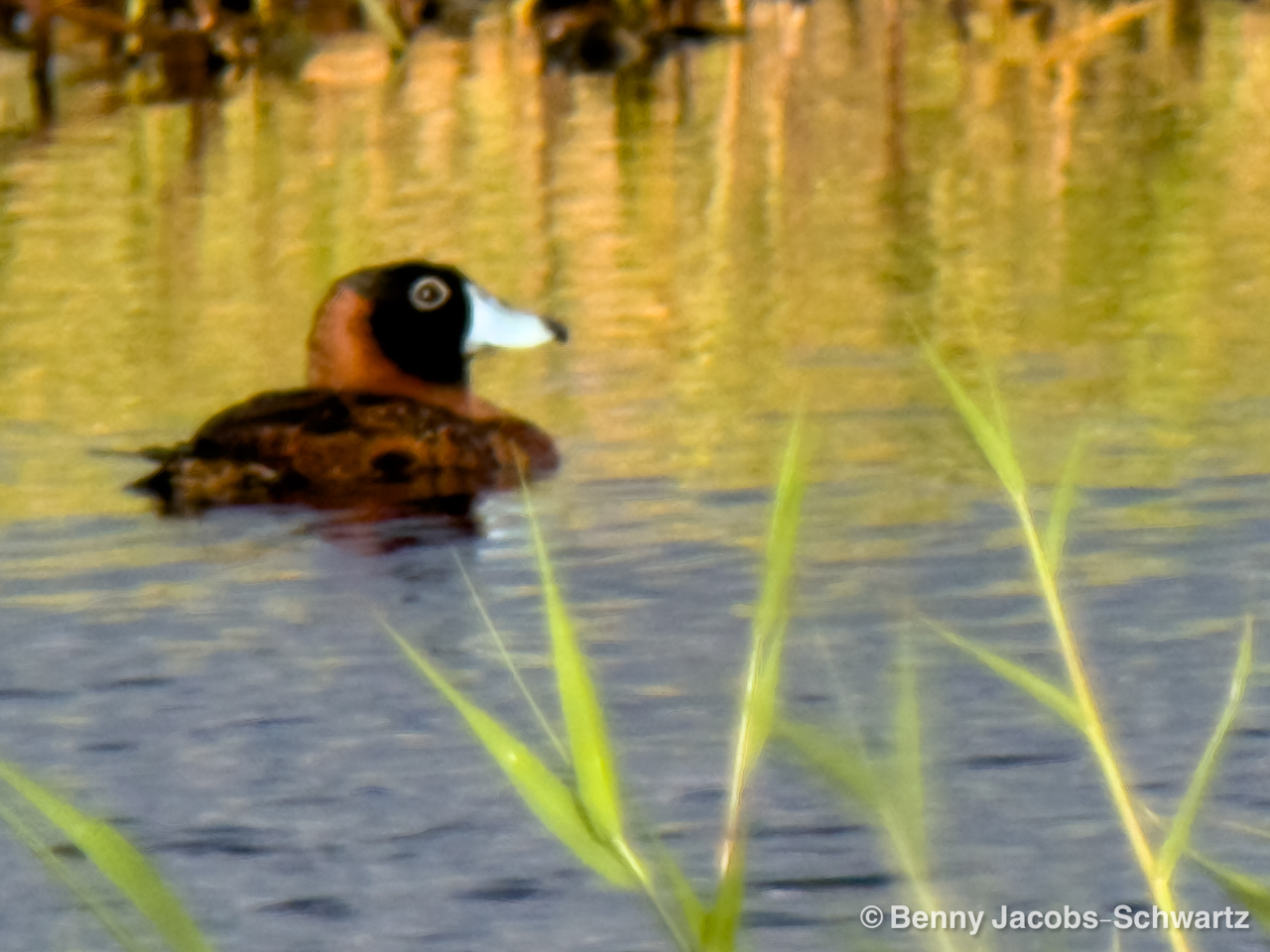
A significant highlight of the western leg was the detection of the Masked Duck at the Cartagena Lagoon National Wildlife Refuge. This secretive species is often difficult to locate due to its preference for dense aquatic vegetation. The observation of four individuals (one male and three females) provided valuable data on the species’ presence in the lagoon’s fluctuating water levels. The day ended in the dry scrub of La Parguera, where the team successfully documented the Puerto Rican Nightjar, a nocturnal endemic that was once thought to be extinct until its rediscovery in the mid-20th century.
High-Altitude Endemism in the Maricao Mountains
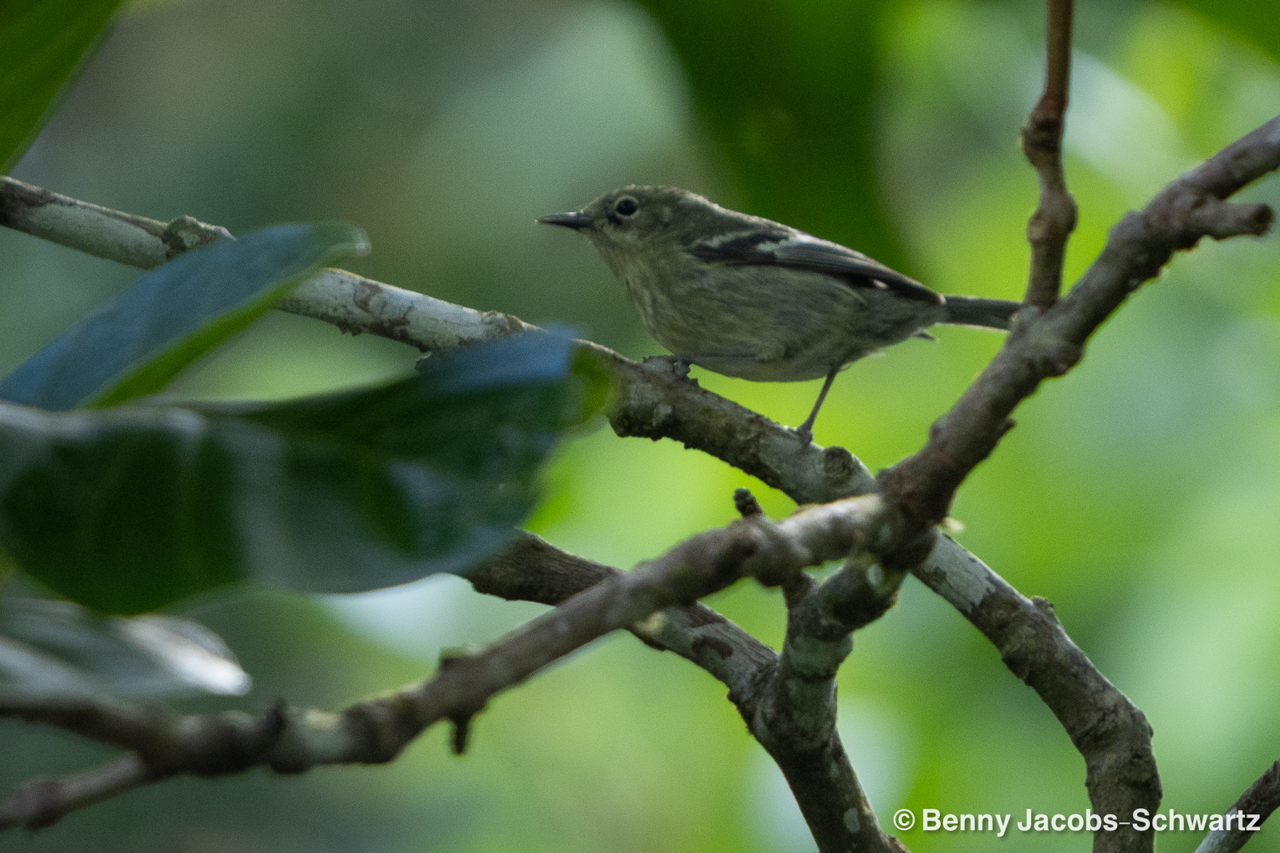
The fourth day of the expedition, March 6, was dedicated to the Maricao State Forest in the western Cordillera Central. Maricao is renowned for its high concentration of endemic species, many of which are restricted to the cool, humid "elfin forests" found at higher elevations. Despite breezy conditions, the team recorded four Elfin-woods Warblers (Setophaga angelae). This species, only discovered in 1971, is a specialist of the high-altitude podocarpus and palo colorado forests.
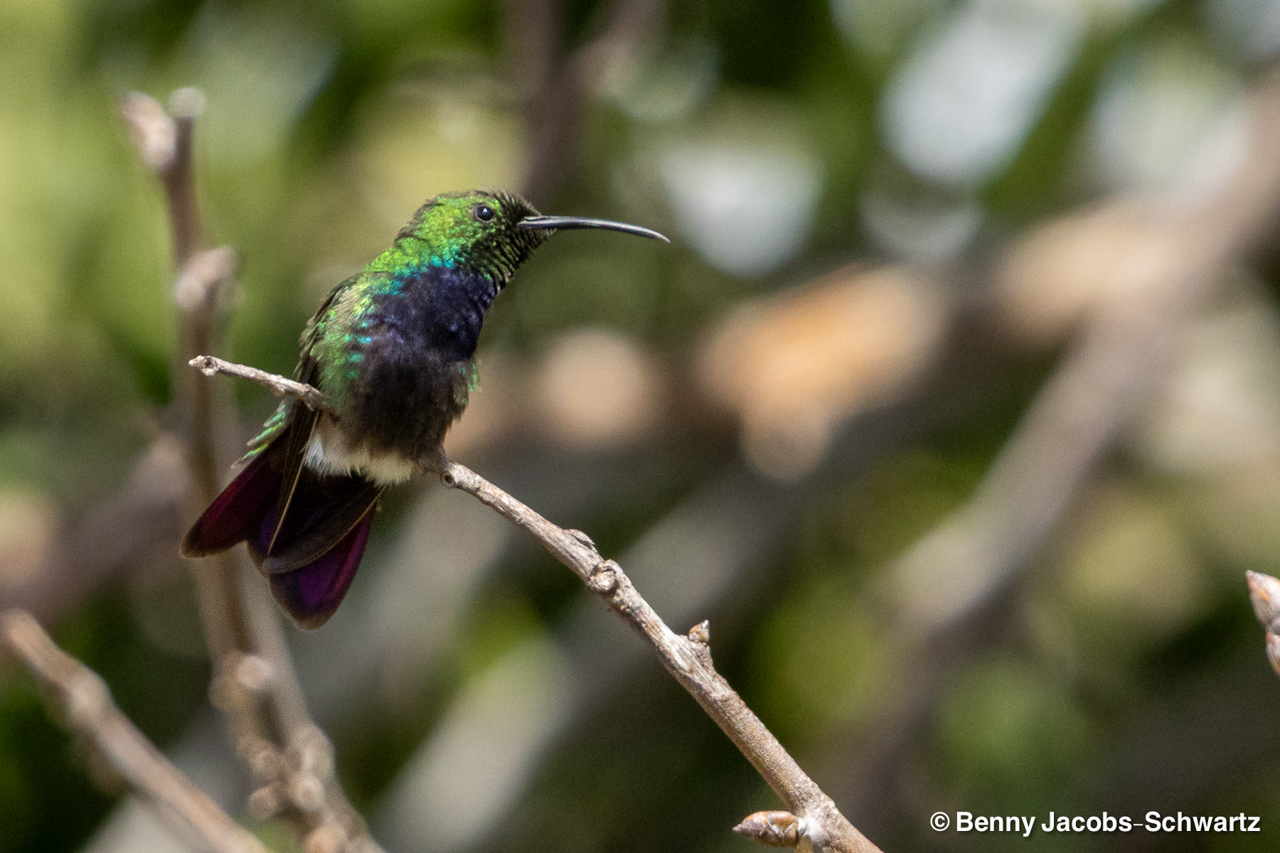
Other montane highlights included the Puerto Rican Tanager—which genetic studies have recently suggested belongs to its own distinct family—and the Puerto Rican Chlorophonia. The team also observed a Green Mango hummingbird tending to a nest, providing a rare opportunity to document breeding behavior.
Transitioning back to the lowlands in the afternoon, the expedition surveyed restoration sites in La Parguera. These areas, dominated by mesquite and newly planted native dry-forest saplings, showed signs of ecological recovery, supporting populations of Mangrove Cuckoos and Caribbean Elaenias. The night concluded with the vocalization and brief sighting of the Puerto Rican Owl, a species known for its distinct, haunting repertoire.
The Dry Forest Biome and Southern Estuaries
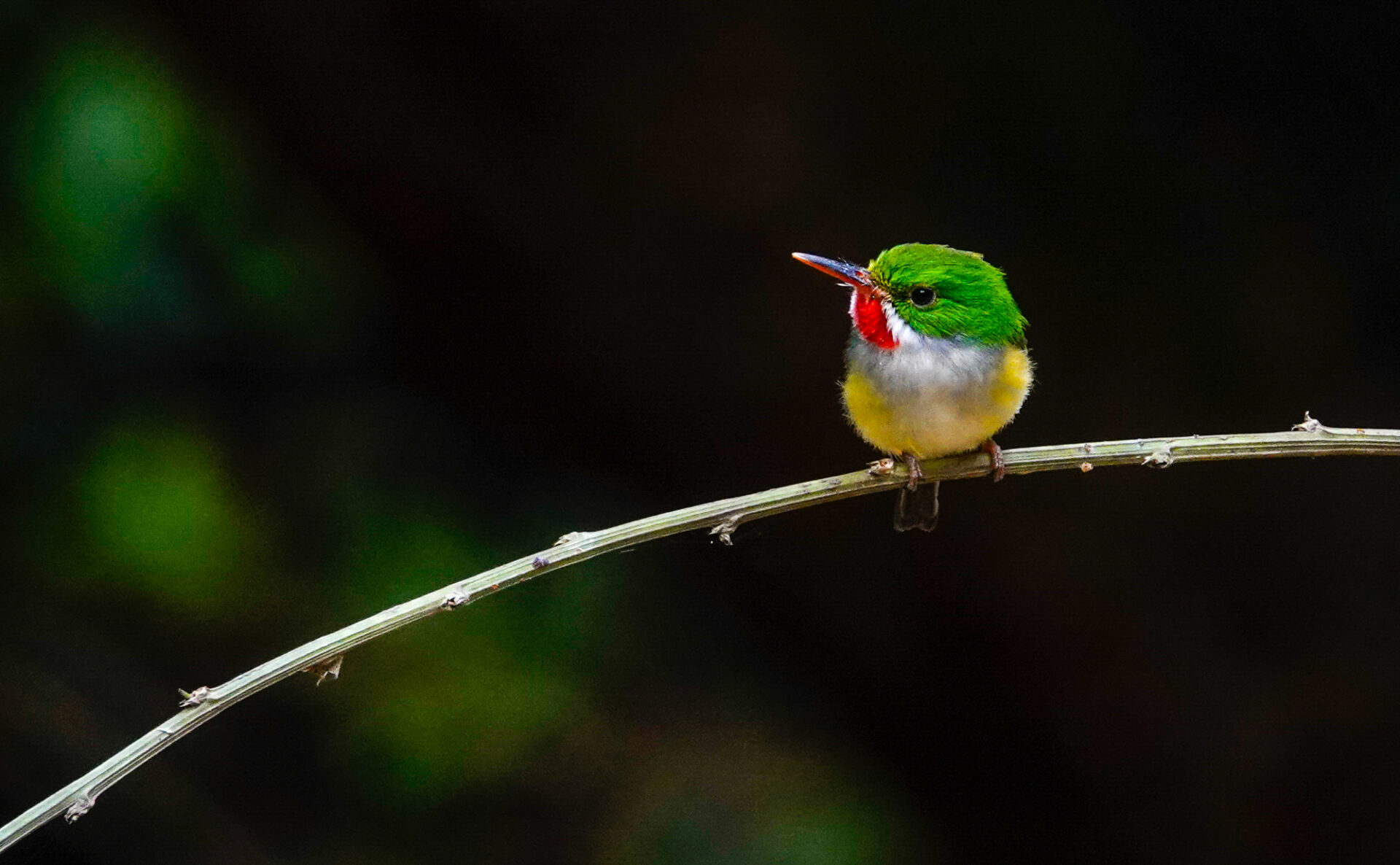
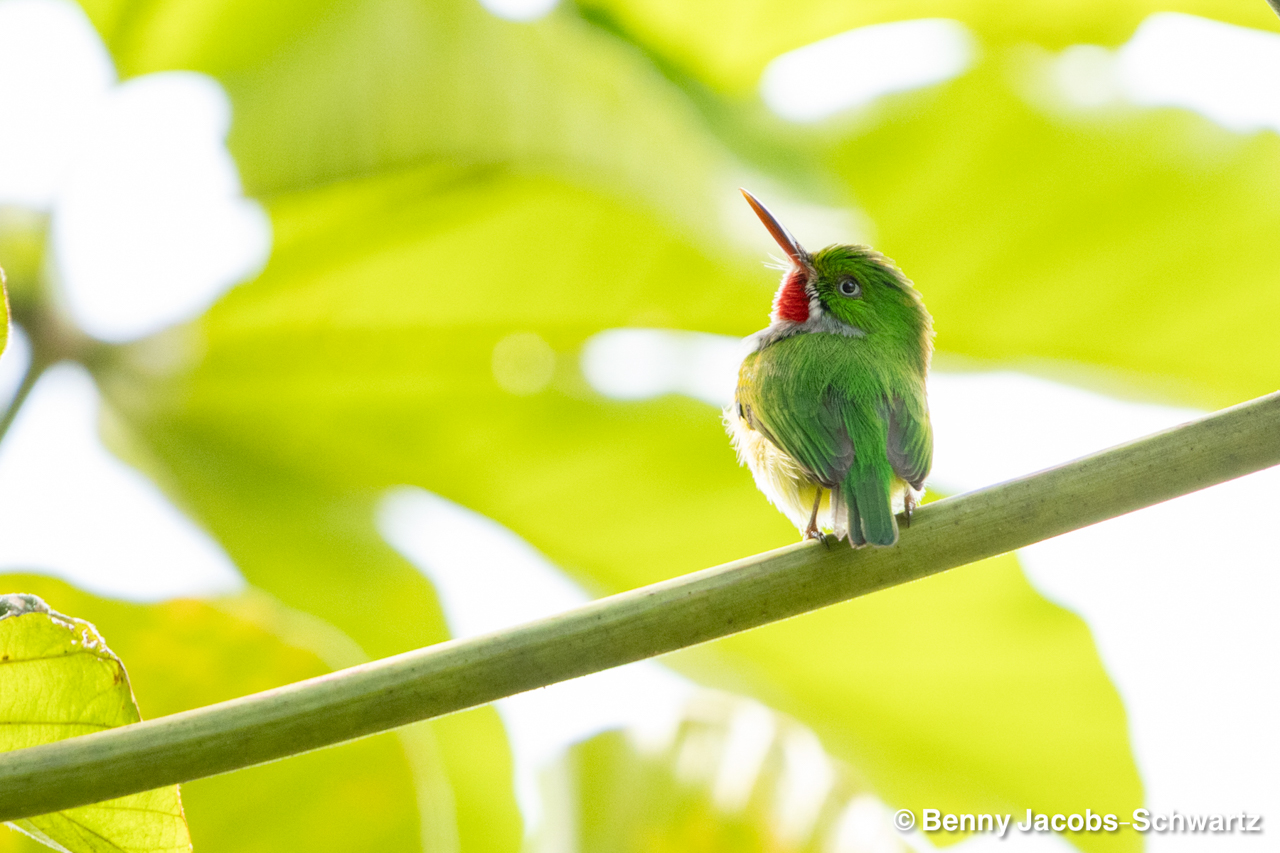
On March 7, the expedition focused on the Guánica State Forest, a UNESCO Biosphere Reserve and one of the best-preserved examples of a tropical dry forest in the world. The limestone-based soil and arid climate support a unique community of plants and birds. While the shy Key West Quail-Dove remained hidden, the team secured excellent views of the Puerto Rican Tody and the Puerto Rican Vireo.
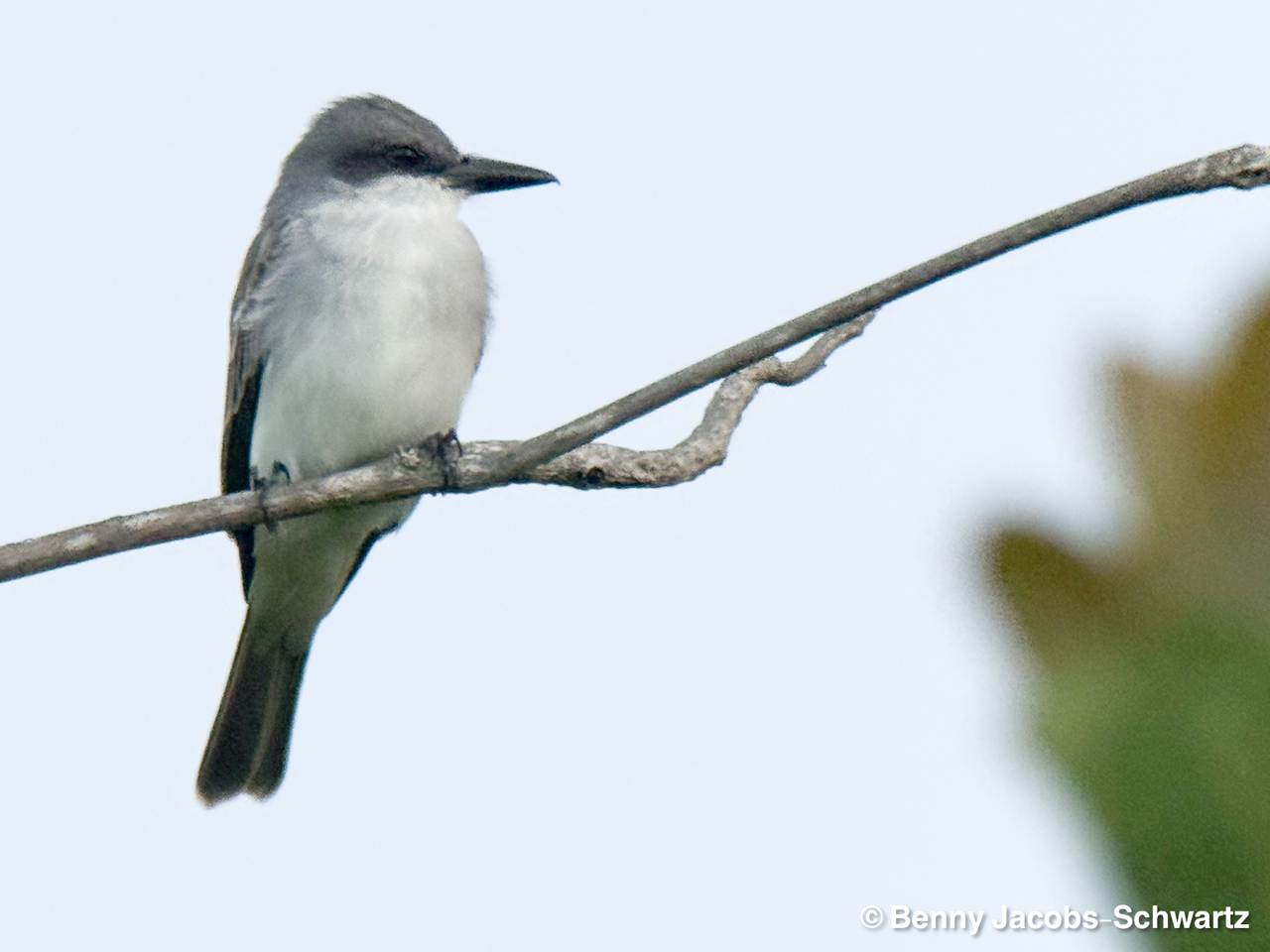
The survey continued to the Boquerón Wildlife Refuge, where the Lesser Antillean Pewee—represented in Puerto Rico by an endemic subspecies—was recorded. The presence of Caribbean Martins, arriving for their nesting season, signaled the seasonal shifts in avian movement. The observation of mixed-species warbler flocks, including American Redstarts and Northern Parulas, highlighted the island’s role as a vital wintering ground for neotropical migrants.
Historical Landscapes and the Eastern Ecological Corridor
The penultimate day of the tour, March 8, involved a survey of the south-central coast, including the historical Central Aguirre. Once a major center for the island’s sugar industry, the area now provides a mix of ornamental flowering trees and mangrove estuaries. The team observed the Green-throated Carib and the Antillean Crested Hummingbird foraging in close proximity, offering a rare comparative look at these two regional specialists.
Moving toward the northeast, the group explored the Ecological Corridor Nature Reserve. This protected area is essential for maintaining connectivity between coastal wetlands and the foothills of the Luquillo Mountains. Observations here included the Scaly-naped Pigeon and the Black-whiskered Vireo, the latter a summer resident that migrates to South America during the winter months.
El Yunque and the Eastern Wetlands
The expedition’s final day, March 9, focused on El Yunque National Forest, the only tropical rainforest in the U.S. National Forest System. Receiving upwards of 200 inches of rain annually, El Yunque provides a radically different habitat than the dry forests of the south. The team documented the Puerto Rican Spindalis and the Puerto Rican Tanager amidst the lush Cecropia trees and waterfalls.
The survey concluded at the Medio Mundo y Daguao Nature Reserve in Ceiba. This site, a former naval base, has been transformed into a critical wetland reserve. The team recorded a diverse array of shorebirds and, most notably, a flock of six American Flamingos. While once common, flamingos are now rare visitors to Puerto Rico, and their presence at Medio Mundo is a significant data point for regional bird distribution. An unexpected sighting of Blue-and-Yellow Macaws—likely part of a naturalized population in the area—provided a colorful finale to the week’s observations.
Summary of Findings and Conservation Implications
The documentation of 126 species over seven days serves as a powerful indicator of Puerto Rico’s avian diversity. The expedition successfully sighted nearly all of the island’s 17-18 endemic species (depending on current taxonomic classifications), including the critically endangered Puerto Rican Amazon and the localized Elfin-woods Warbler.
The high species count can be attributed to several factors:
- Habitat Diversity: The itinerary covered almost every major biome on the island, from rainforests to dry forests and salt flats.
- Timing: The March window captures both resident breeding birds and a high volume of North American migrants preparing for their northward journey.
- Conservation Success: The presence of stable populations in sites like Río Abajo and Guánica suggests that protected area management is yielding positive results.
However, the presence of numerous introduced species, such as the Northern Red Bishop and various psittacids (parrots and macaws), poses an ongoing question for ecologists regarding the long-term impact of non-native birds on the island’s delicate ecosystem.
Beyond the ornithological data, the expedition noted a wealth of other biodiversity, including endemic anole lizards, land snails, and various butterfly species. This holistic view of the environment reinforces the necessity of large-scale landscape conservation. The success of the 2024 survey provides a benchmark for future studies and underscores the economic and ecological importance of birding tourism as a driver for conservation funding in the Caribbean. The participants concluded the tour in San Juan, having gained a comprehensive understanding of the complex interplay between Puerto Rico’s unique geography, its colonial history, and its vibrant natural heritage.
