
An extensive survey of the Hawaiian archipelago’s unique ornithological landscape recently concluded, providing a detailed look at the delicate balance between endemic species survival and the proliferation of introduced avian populations. The expedition, which spanned the islands of Oahu, Kauai, and the Big Island (Hawaii), documented dozens of species ranging from the iconic honeycreepers of the high-altitude rainforests to the resilient seabirds of the Pacific coastlines. This journey highlights the ongoing ecological challenges facing the "extinction capital of the world" while showcasing the success of managed refuges in preserving some of the planet’s rarest biological treasures.
Oahu: The Intersection of Urban Development and Exotic Introductions
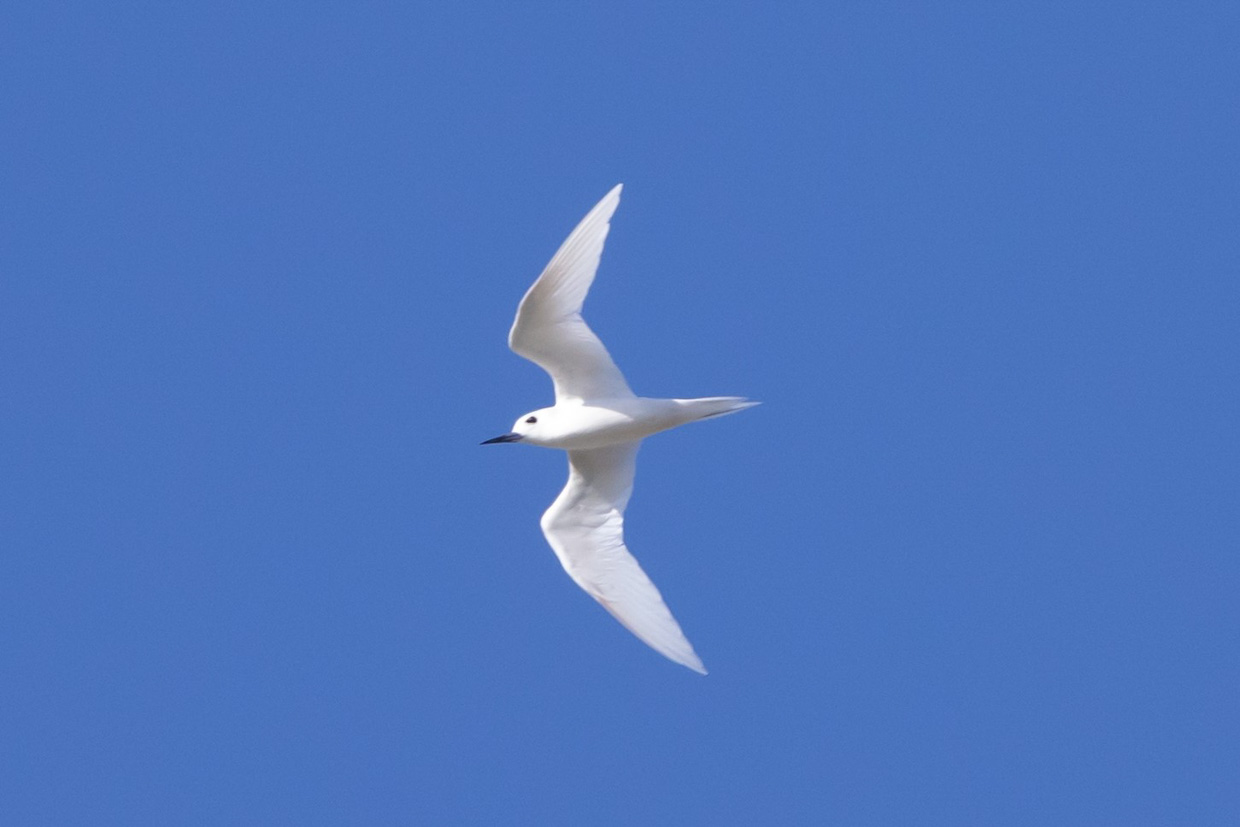
The expedition commenced in Honolulu, the state’s most populous urban center, where the interaction between human infrastructure and wildlife is most pronounced. In an unusual display of adaptation, the White Tern (Gygis alba), known locally as the Manu-o-Kū, was observed nesting directly within the city. These ethereal, snow-white birds are notable for laying their eggs directly on tree branches without building nests. Observations in downtown Honolulu confirmed that the population is thriving, with juveniles spotted in trees lining busy skyscrapers, demonstrating a rare case of a native seabird successfully colonizing a modern metropolitan environment.
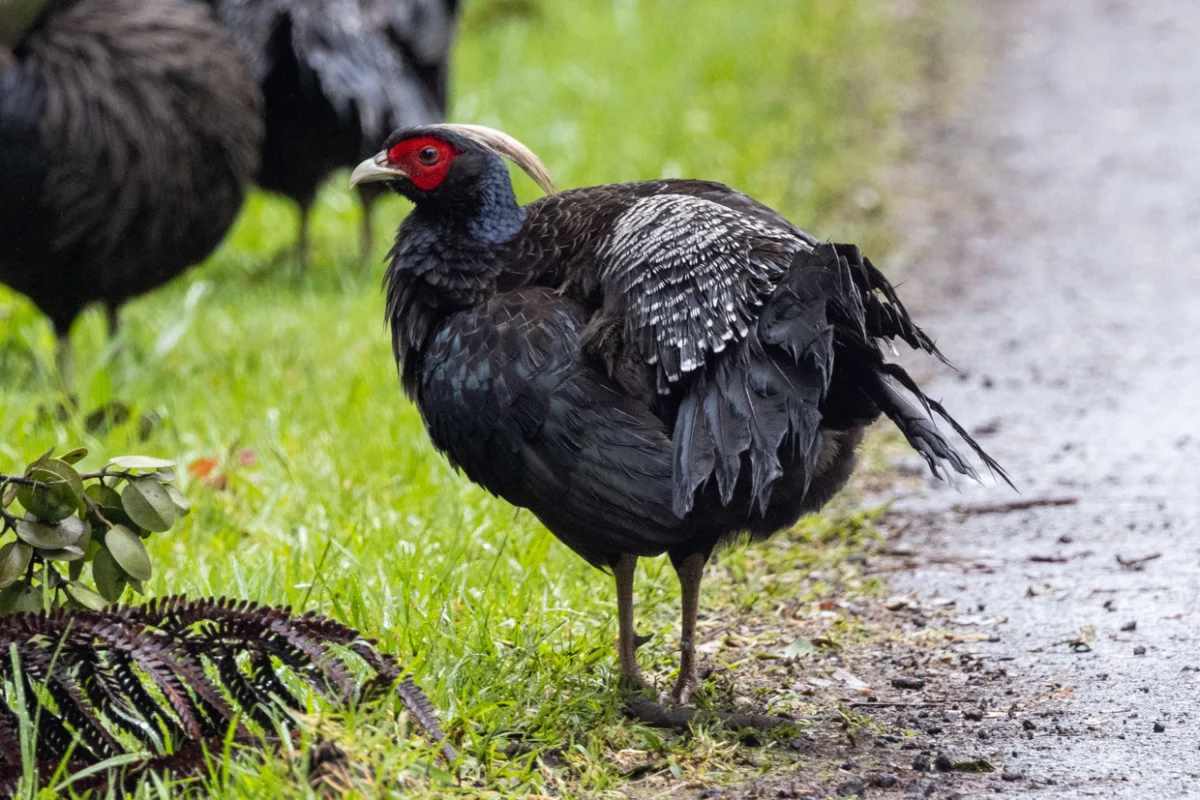
As the survey moved away from the urban core toward the high country of Oahu, the focus shifted to the complex mix of introduced and native species. The wooded trails above Honolulu revealed a high density of exotic birds, including the White-rumped Shama, Warbling White-eye, and Red-crested Cardinal. While these species provide "eye candy" for casual observers, ecologists note that their presence often puts pressure on native resources.
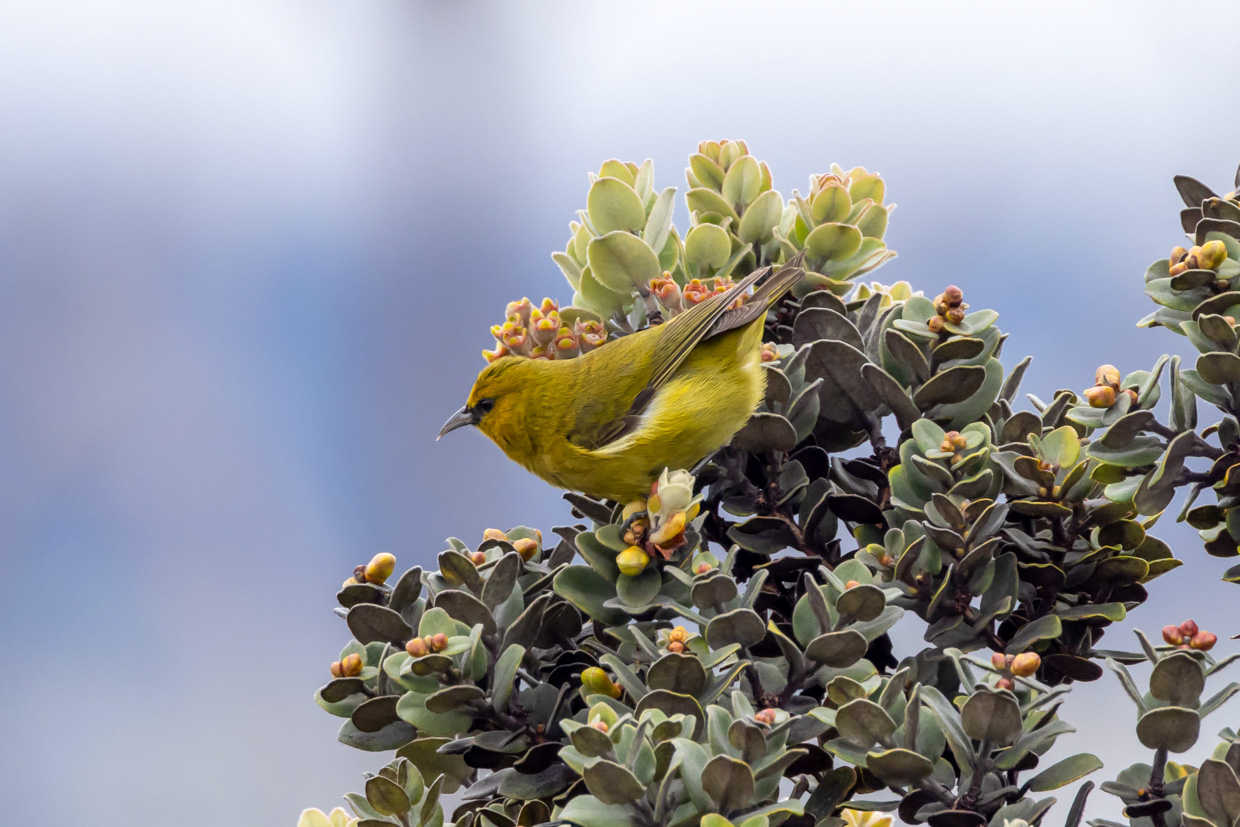
A significant milestone on Oahu was the sighting of the Oahu Amakihi (Chlorodrepanis flava). This species represents one of the few native Hawaiian honeycreepers that has developed a degree of resistance to avian malaria, allowing it to persist at lower elevations than many of its cousins. The presence of the Red-billed Leiothrix and the vocal Red-crowned Amazon parrots further illustrated the diverse, albeit non-native, avian tapestry that now defines the island’s low-to-mid-elevation forests.
Kauai: A Stronghold for Waterbirds and Pelagic Species
The second phase of the expedition took place on Kauai, often referred to as the "Garden Isle." Kauai serves as a critical refuge for several of Hawaii’s endemic waterbirds. Surveying local wetland habitats and managed golf course ponds, the team identified several key species:
- The Nene (Hawaiian Goose): Once on the brink of extinction with fewer than 30 individuals in the 1950s, the Nene has seen a remarkable recovery. The beautifully patterned geese were observed in significant numbers, a testament to decades of captive breeding and predator control.
- The Hawaiian Coot and Hawaiian Duck (Koloa Maoli): These endemics were found utilizing lowland ponds, though the Koloa Maoli faces ongoing threats from hybridization with feral Mallards.
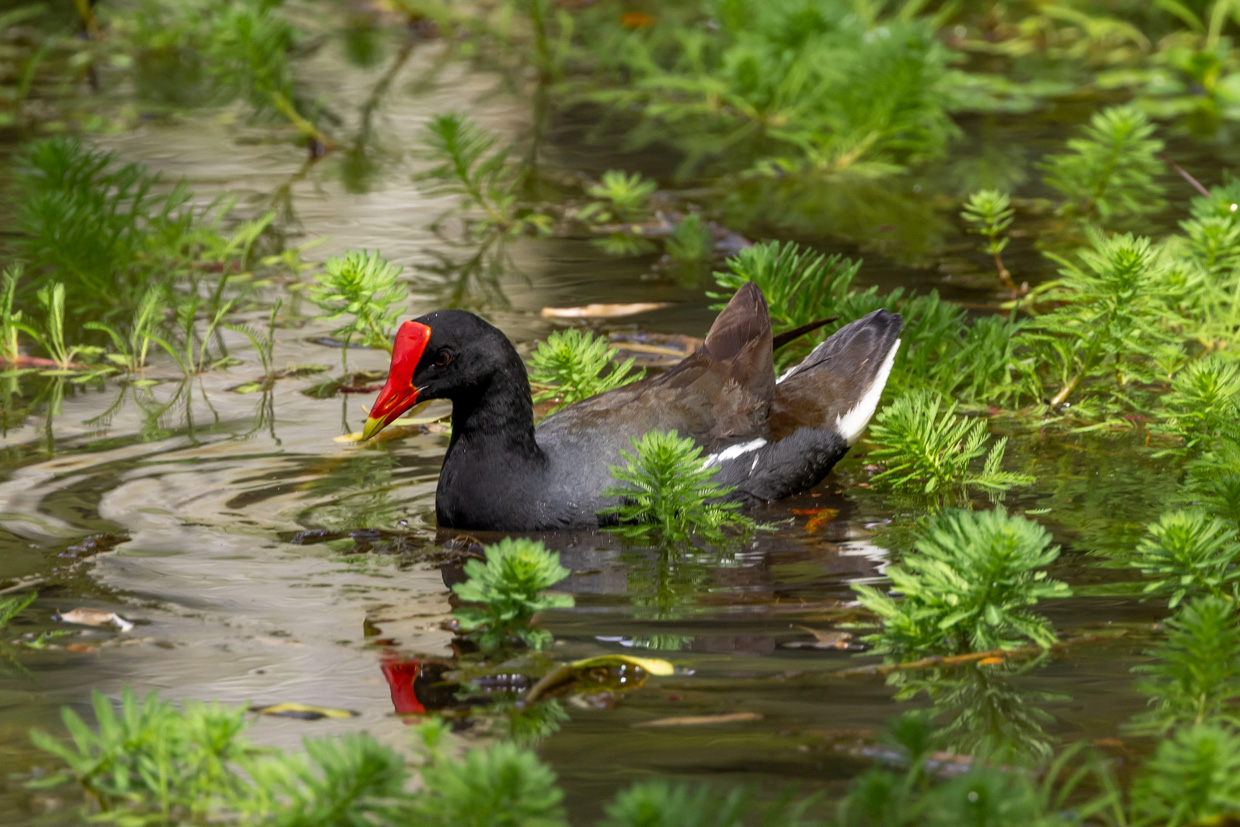
- The Common Gallinule: The endemic Hawaiian subspecies was documented, distinguished by its vibrant red frontal shield.
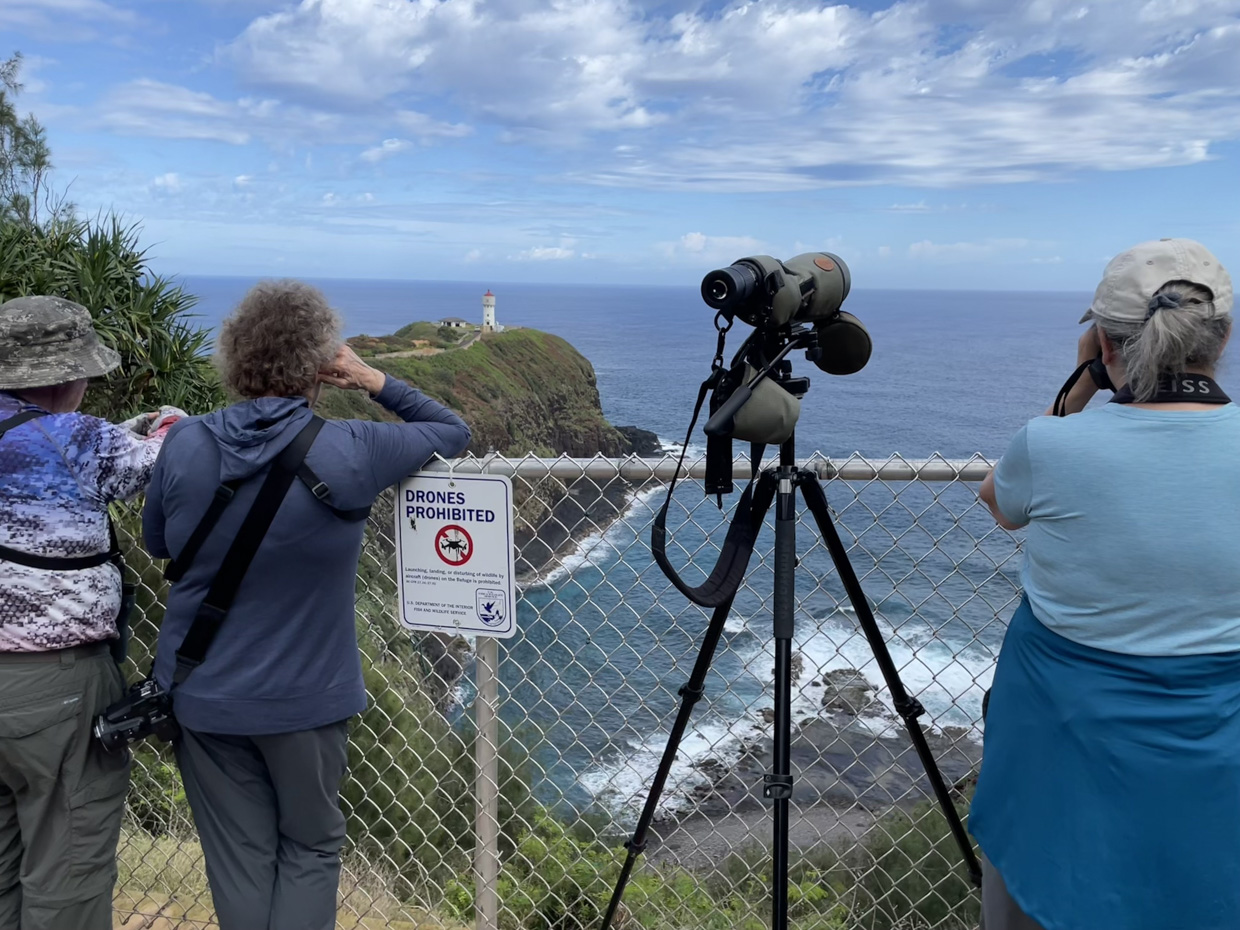
Kauai’s rugged coastline also provided a window into the lives of Pacific seabirds. At the Kilauea Point area, the expedition observed Red-footed Boobies and Great Frigatebirds. The latter were seen engaging in kleptoparasitism—a behavior where they harass other birds to steal their catch. The survey also recorded the "moaning" vocalizations of Wedge-tailed Shearwaters within their subterranean nesting burrows.
In the high-altitude regions of Waimea Canyon and Kokee State Park, the team sought the island’s elusive forest birds. The Pueo, a Hawaiian subspecies of the Short-eared Owl, was spotted hunting over the grasslands. Unlike their mainland counterparts, Pueo are frequently diurnal, hunting during daylight hours. The Kauai Elepaio, a member of the monarch flycatcher family, was also recorded, representing a lineage that has inhabited the islands for millions of years.
The Big Island: Navigating Ecological Challenges and High-Altitude Sanctuaries
The final and most scientifically significant leg of the tour took place on the island of Hawaii (the Big Island). The expedition’s arrival coincided with a severe storm system that temporarily closed Hawaii Volcanoes National Park, necessitating a shift in the itinerary. This disruption highlighted the volatility of island weather and its impact on field research and ecotourism.
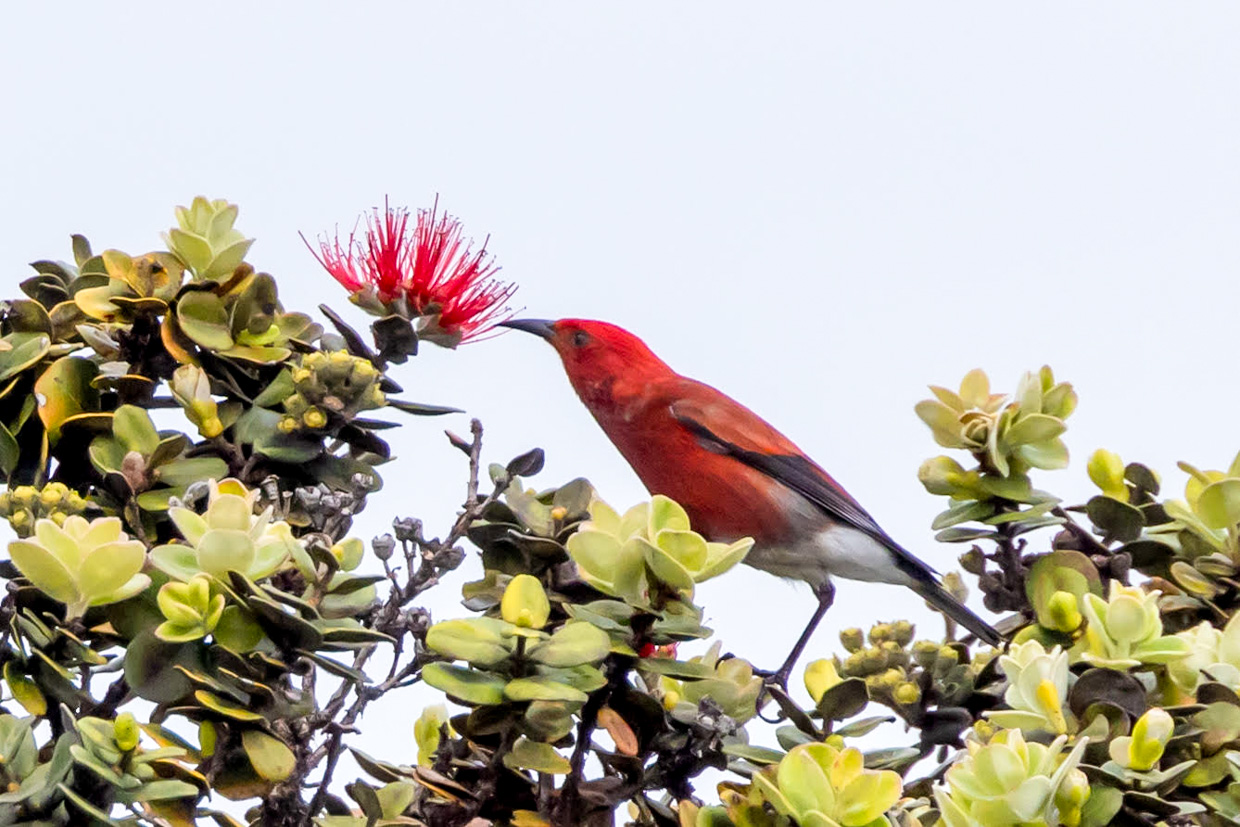
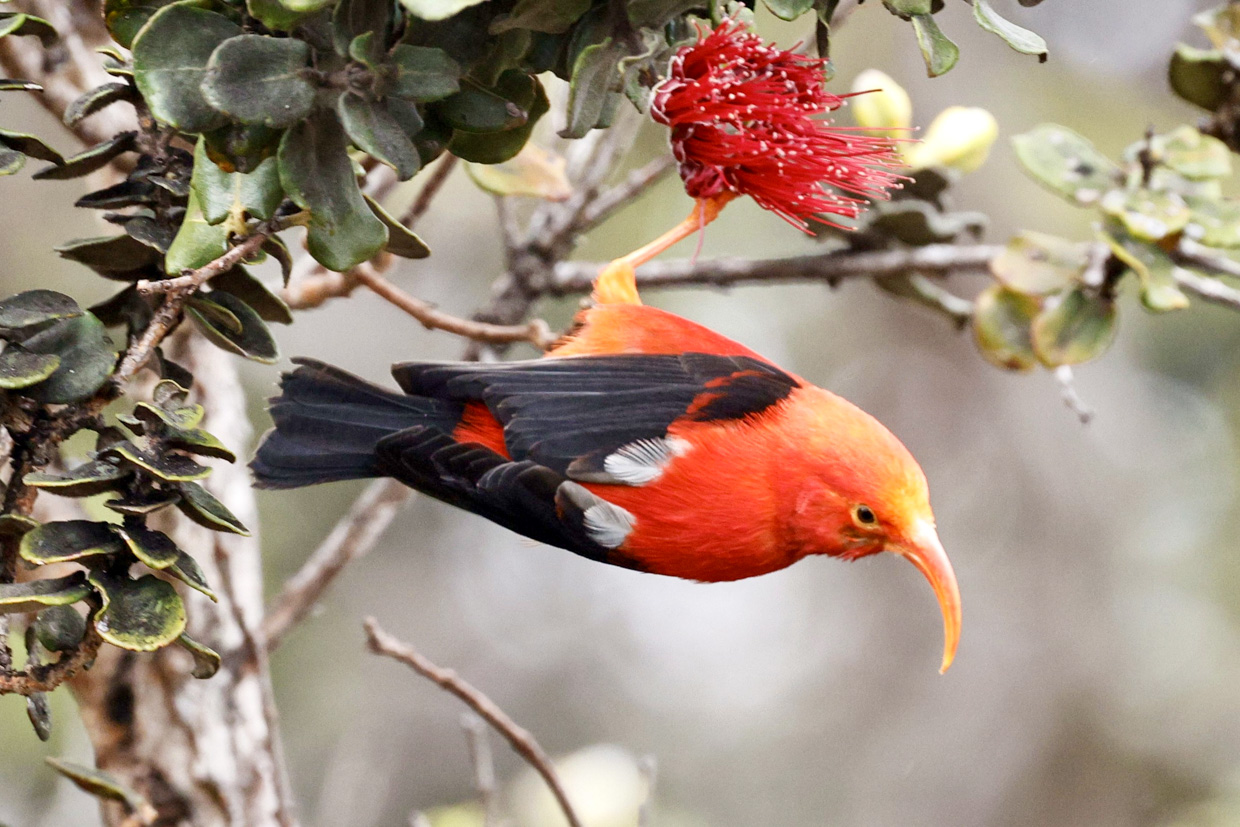
Despite the weather, the team successfully located the Iiwi (Drepanis coccinea) and the Hawaii Amakihi in forested corridors near Hilo. The Iiwi, with its brilliant scarlet plumage and decurved bill, is perhaps the most iconic of the surviving honeycreepers. Its survival is increasingly tied to the health of the Ohia Lehua tree, which provides its primary nectar source.
The Hakalau Forest National Wildlife Refuge
The highlight of the Big Island survey was the visit to the Hakalau Forest National Wildlife Refuge. Established in 1985, this was the first National Wildlife Refuge in the United States dedicated specifically to the management and recovery of endangered forest birds. Access to the refuge is strictly controlled and requires four-wheel-drive vehicles to navigate the rugged terrain above 6,000 feet.
The 6,000-foot elevation marker is a critical ecological boundary. Below this line, mosquitoes carrying avian malaria (Plasmodium relictum) and avian pox are prevalent, making the habitat lethal for most native honeycreepers. Above this line, temperatures are too cool for the mosquitoes to thrive, creating a "malaria-free" sanctuary.
Within Hakalau, the expedition documented several high-priority species:
- The Akiapolaau: This bird is an evolutionary marvel, possessing a specialized beak where the lower mandible is short and straight for hammering wood, while the upper mandible is long and curved for probing. It fills the ecological niche occupied by woodpeckers on the mainland.
- The Hawaii Akepa: A tiny, bright orange honeycreeper that nests in tree cavities. Its population is highly sensitive to the loss of old-growth trees.
- The Hawaii Creeper (Alawi): Observed foraging along the trunks of Koa trees, this species mimics the behavior of a nuthatch.
Chronology of the Expedition
The expedition followed a structured timeline designed to maximize sightings across different climatic zones:
- Days 1-2 (Oahu): Focus on urban adaptation of the White Tern and the established populations of introduced songbirds in the Tantalus Range. Coastal survey for the Bristle-thighed Curlew.
- Days 3-5 (Kauai): Exploration of the Hanalei National Wildlife Refuge and the cliffs of the Na Pali coast. High-altitude trekking in Kokee State Park to locate the Kauai Elepaio and Apapane.
- Days 6-9 (Big Island): Transition from the wet Hilo coast to the high-elevation refuges. Significant time spent in the Hakalau Forest and the dry forests of the Saddle Road, where the Hawaiian Short-eared Owl and Eurasian Skylark were recorded.
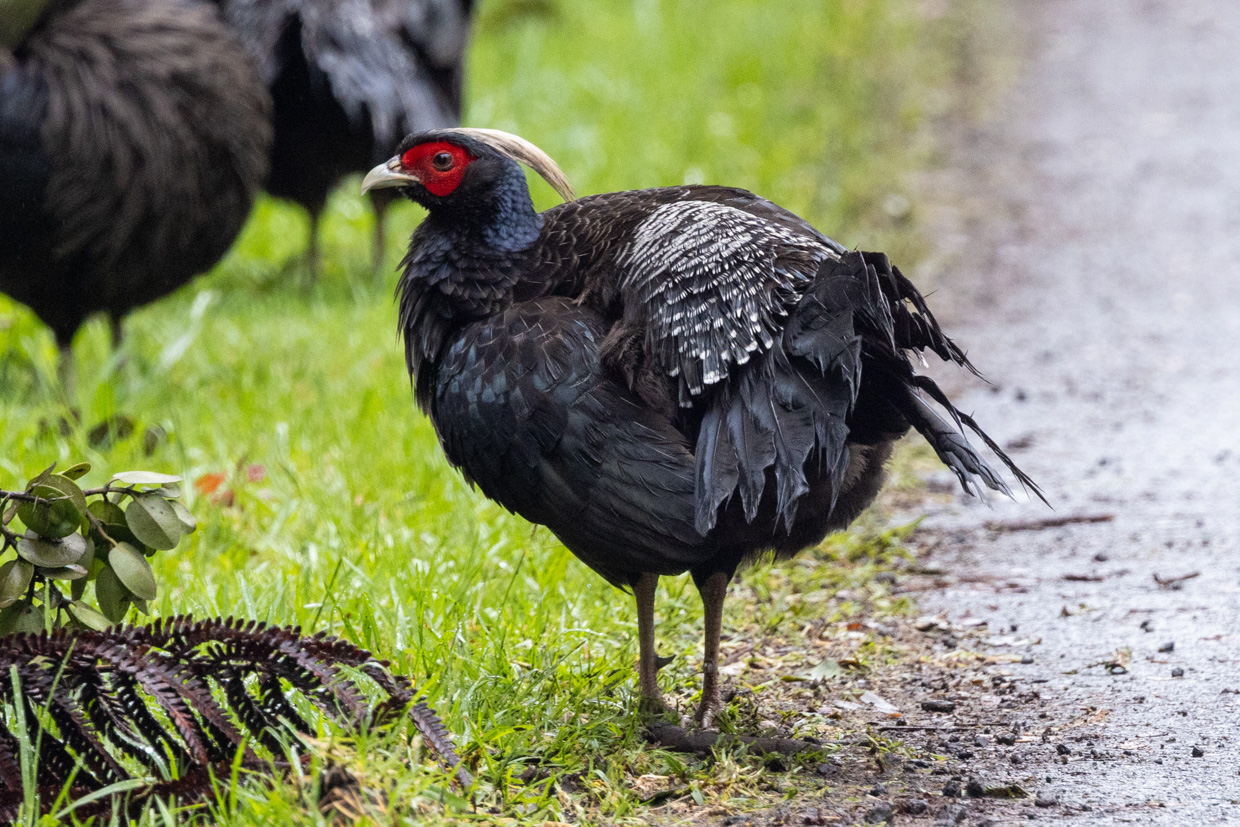
- Final Day: Survey of the Kona coast, focusing on introduced game birds like the Chestnut-bellied Sandgrouse and the Frankolin species.
Supporting Data and Conservation Status
The data collected during this tour underscores a stark reality: while introduced species are flourishing, native populations remain precarious. According to the American Bird Conservancy, Hawaii has lost over 70% of its original bird species since human arrival. Of the remaining 44 endemic species, more than 30 are listed as endangered or threatened.
The success of the Hakalau Forest NWR provides a blueprint for future efforts. Reforestation projects—planting over 500,000 Koa and Ohia trees—have successfully expanded the available habitat for the Akepa and the Hawaii Creeper. However, the emerging threat of Rapid Ohia Death (ROD), a fungal pathogen killing the islands’ most important native tree, poses a new and urgent challenge to these sanctuaries.
Analysis of Implications and Broader Impact
The observations made during this birding tour suggest several key implications for the future of Hawaiian biodiversity:
1. The Role of Managed Ecotourism: Birding tours led by local experts serve as a vital source of revenue for conservation. They also foster a global community of advocates who support funding for Hawaiian wildlife refuges. The inclusion of cultural elements, such as native Hawaiian chants and plant lore, ensures that conservation is viewed through a lens of both biological and cultural heritage.
2. The "Malaria Line" is Shifting: Climate change is a looming threat. As global temperatures rise, the "malaria-free" zone at high elevations is shrinking. If mosquitoes reach the remaining pockets of honeycreepers in Hakalau or the Alakai Swamp on Kauai, extinction for several species could be imminent.
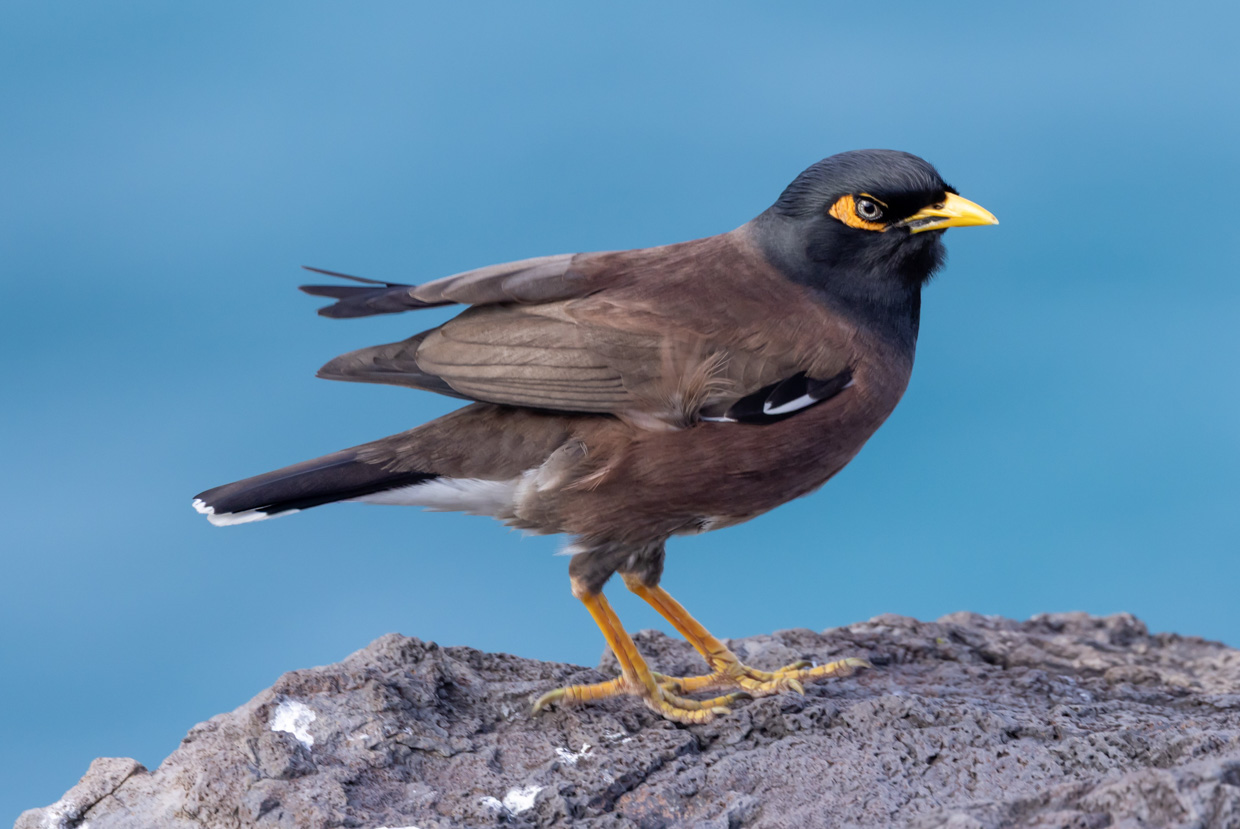
3. Invasive Species Management: The prevalence of birds like the Common Myna and Java Sparrow in lowland areas highlights the difficulty of eradicating established invasive species. Conservation focus has shifted from eradication to "containment and protection" of the high-elevation "islands within islands."
In conclusion, the Hawaiian birding expedition provided a comprehensive snapshot of an ecosystem in transition. While the sight of an Akiapolaau or a Nene offers hope, the reliance on a few thousand acres of high-altitude forest for the survival of entire species remains a fragile strategy. The continued protection of habitats like Hakalau and the aggressive management of invasive threats remain the only viable paths forward for Hawaii’s unique avian inhabitants.
