
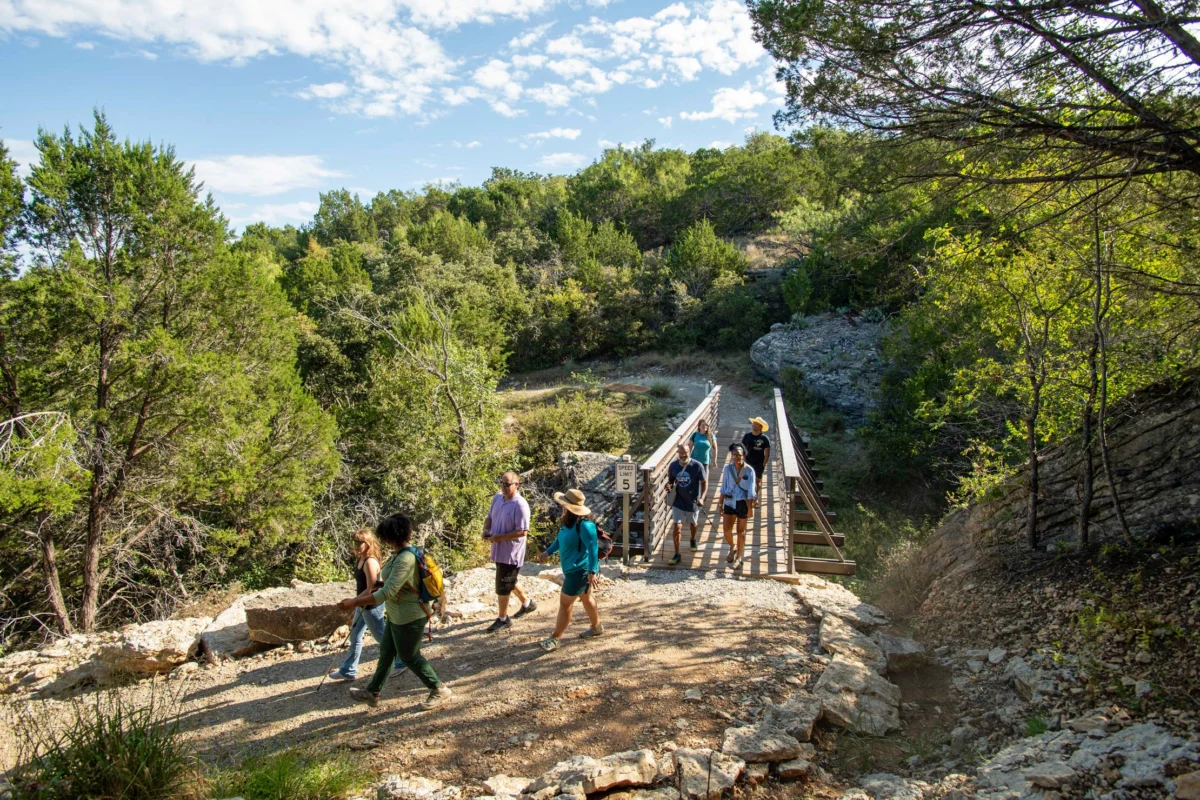
The opening of Palo Pinto Mountains State Park marks a pivotal moment for public lands in Texas, representing the state’s first new state park in a quarter-century and serving as a critical sanctuary for diverse ecosystems and endangered species. Nestled approximately 75 miles west of the bustling Dallas-Fort Worth metroplex, the 4,780-acre park officially welcomed visitors in March, offering a unique blend of arid western landscapes, lush creek beds, and expansive prairie grasses. This significant development is part of a broader, ambitious statewide initiative fueled by the 2023 approval of the Centennial Parks Conservation Fund, a landmark legislative action designating $1 billion towards the establishment of new state parks and the expansion of existing ones.
A Diverse Tapestry of Texas Landscape
Palo Pinto Mountains State Park, despite its name, features not towering peaks but a series of gracefully rolling hills, which, at sunrise, are bathed in a dusty pink and orange glow, a quintessential Texas vista. These hills are verdantly adorned with juniper trees, interspersed with the vibrant hues of lingering spring wildflowers that trace the park’s numerous trails. Where the terrain gently descends and opens, the land meets Tucker Lake, its glimmering waters framed by patches of wild mesquite and resilient cacti. This topographical and botanical variety creates a series of "micro-habitats," as described by park interpreter Katherin Fisher, offering a microcosm of Texas’s vast ecological diversity. From the drier conditions characteristic of Western and Central Texas to the wetter, marshy environments found closer to the coast, Palo Pinto provides a comprehensive ecological experience, ensuring "something for everybody."
The park’s strategic location and varied terrain render it an invaluable ecological crossroads. It effectively bridges the gap between different ecoregions, fostering a rich biodiversity that supports both resident species and a multitude of migratory birds. This unique convergence of habitats allows visitors to witness a striking array of flora and fauna within a relatively compact area, making it an exceptional destination for nature enthusiasts, hikers, and particularly, birdwatchers.
Sanctuary for the Golden-cheeked Warbler and Other Avian Treasures
At the heart of Palo Pinto’s conservation mission lies the protection of the endangered Golden-cheeked Warbler. Each morning, as Katherin Fisher conducts her rounds, her ears are attuned to the distinct chips and zee-zee-zee calls of this rare songbird, a sound that reverberates through the park’s air. Recognized as one of North America’s rarest songbirds, the Golden-cheeked Warbler is instantly identifiable by its striking appearance: a black back and throat contrasted with bright yellow cheeks bisected by bold black eyelines. Its breeding grounds are exclusively found within the juniper-oak woodlands of Central Texas’s hill country—a habitat type that Palo Pinto Mountains State Park generously provides.
The warbler’s reliance on these specific woodlands underscores the critical importance of preserving such natural spaces. Habitat loss due to urbanization and agricultural expansion has severely impacted the species, making protected areas like Palo Pinto essential for its survival. Fisher noted with pleasant surprise that the warblers’ behavior seemed unaffected by the park’s opening day crowds, with the first breeding pair of the season recorded shortly thereafter, a testament to the park’s success in providing a secure environment.
Beyond the Golden-cheeked Warbler, Palo Pinto is a veritable avian paradise. According to Fisher, the park is home to over 130 species of birds throughout the year. eBirders have already reported 109 distinct species in 2026, contributing to a total of 206 species recorded within the park’s boundaries. Visitors during breeding months can spot other Texas avian highlights such as the vibrant Painted Bunting, the fiery Summer Tanager, and the graceful Mississippi Kite. The Black-capped Vireo and Black-crested Titmouse are also notable residents. In the winter, the park welcomes Harris’s Sparrows, recognizable by their black faces and bibs, as they migrate south from Canada to the warmer climes of the southern Great Plains. This rich diversity solidifies Palo Pinto’s status as a premier birding destination, attracting enthusiasts from across the state and beyond.
The Centennial Parks Conservation Fund: A New Era for Texas State Parks
Palo Pinto Mountains State Park’s inauguration is not an isolated event but the vanguard of a sweeping transformation for public lands in Texas. Its creation stems directly from the approval of the Centennial Parks Conservation Fund in 2023, a legislative triumph that committed an unprecedented $1 billion to the Texas Parks and Wildlife Department (TPWD). This historic funding mechanism was established to address several pressing needs: the burgeoning population of Texas, which demands more accessible outdoor recreational spaces; the urgent need for expanded conservation efforts to protect the state’s unique biodiversity; and the recognition that public access to nature is crucial for the well-being of its citizens.
The fund’s dual mandate includes both the acquisition of new properties for state parks and natural areas, and the significant expansion and enhancement of existing facilities. This forward-thinking approach marks a dramatic shift after a prolonged period where new state park development had largely stalled. For nearly a generation, Texans had seen no new major state parks, creating a growing deficit in public land access relative to population growth.
The impact of the Centennial Fund extends far beyond Palo Pinto. Several other ambitious projects are slated for completion within the next three to four years, promising to redefine the landscape of Texas public recreation and conservation:
- Chinati Mountains State Natural Area: Located in West Texas, this project will safeguard a vast, rugged wilderness area, offering unparalleled opportunities for remote exploration and conservation of unique desert ecosystems.
- Bear Creek State Park: Situated outside Uvalde, this new park will provide critical green space and recreational opportunities for communities in South Central Texas, an area previously underserved by extensive public parkland.
- Post Oak Ridge: Near Austin, this park will expand access to the coveted Hill Country landscape, preserving vital habitat while catering to the outdoor recreation needs of the rapidly growing state capital region.
- Enchanted Rock State Natural Area Expansion: One of Texas’s most iconic and beloved natural landmarks, Fredericksburg’s Enchanted Rock, will see its protected area expanded up to three times its current size. This expansion will significantly enhance conservation efforts for its unique geological formations and associated ecosystems, while also providing greater capacity for its millions of annual visitors.
These initiatives collectively represent a monumental investment in Texas’s natural heritage and its future, ensuring that generations to come will have access to the state’s diverse landscapes and wildlife.
Fostering Connection: The Role of Park Interpreters
The experience of Palo Pinto Mountains State Park is significantly enriched by the dedicated efforts of professionals like Katherin Fisher, the park interpreter. Her role is pivotal in bridging the gap between the natural environment and human visitors, making the park’s intricate ecosystems and diverse wildlife accessible and understandable. Through a variety of outdoor lessons and activities, including archery, hiking, and specialized bird walks, Fisher transforms a simple visit into an educational and often profound encounter with nature.
On Palo Pinto’s bustling opening day in March, Fisher led a "Birding 101" tour for a segment of the nearly 1,000 people who flocked to the new park. Her greatest reward, she explains, comes from witnessing visitors experience nature in novel and unexpected ways. "It’s extremely rewarding. You’ll see wildlife doing things that you don’t normally see," Fisher recounts. She particularly cherishes moments when people hear the call of the Golden-cheeked Warbler for the first time, realizing they are listening to an endangered species. This direct, sensory engagement with rare wildlife creates a powerful, lasting impression, fostering a deeper appreciation and sense of responsibility among visitors.
The park offers nine distinct trails, varying in difficulty and length from a gentle half-mile stroll to a challenging 5.7-mile trek. Each path is designed to showcase the park’s ecological diversity, winding through creek beds, across expansive prairie grasses, and atop limestone cliffs that offer panoramic views of Tucker Lake. For those seeking an immersive adventure, the Texas and Pacific trail, the park’s longest, leads visitors to the western extreme of the property, where, as Fisher suggests, one can "feel like a real cowboy." These trails not only provide recreational opportunities but also serve as conduits for visitors to directly engage with the park’s varied habitats and wildlife, reinforcing the educational mission of the park.
Broader Implications: Conservation, Economy, and Community
The establishment of Palo Pinto Mountains State Park and the broader scope of the Centennial Parks Conservation Fund carry significant implications across environmental, economic, and social dimensions for Texas.
Environmental Conservation: At its core, this initiative represents a substantial victory for environmental conservation. By acquiring and protecting large tracts of land, Texas is actively preserving critical habitats for endangered and threatened species, maintaining biodiversity, and safeguarding vital ecological processes. The protection of juniper-oak woodlands, in particular, ensures the continued survival of the Golden-cheeked Warbler and other species dependent on this unique ecosystem. Richard Gibbons, director of conservation for Audubon Texas, lauded the effort, stating, "We’re very excited that Texas Parks and Wildlife Department was able to secure this property and several others to expand or establish more habitat and recreation destinations around Texas. Palo Pinto is a great addition to the state park portfolio." This sentiment reflects a broader understanding among conservationists that strategic land acquisition is paramount in the face of rapid development and climate change.
Economic Impact: The creation of new state parks and the expansion of existing ones are powerful drivers of local and regional economies. Palo Pinto Mountains State Park, situated relatively close to the Dallas-Fort Worth metroplex, is expected to attract a significant number of visitors. This influx will generate tourism revenue for surrounding communities through increased demand for lodging, dining, retail, and other services. The parks also create direct employment opportunities for park staff, maintenance crews, and interpretive guides. Beyond direct tourism, the presence of a state park can enhance property values in nearby areas and attract new residents and businesses seeking proximity to recreational amenities. This economic ripple effect underscores the multi-faceted benefits of public land investment.
Public Access and Recreation: As Texas’s population continues to boom, the demand for accessible outdoor recreational spaces has intensified. The Centennial Parks Conservation Fund directly addresses this need by providing new venues for hiking, birding, camping, and other activities. Access to nature is increasingly recognized for its benefits to public health, mental well-being, and quality of life. The diverse offerings at Palo Pinto, from challenging trails to educational programs, cater to a wide range of visitors, ensuring that Texans of all ages and abilities can connect with the natural world.
Education and Stewardship: The educational component, championed by park interpreters like Katherin Fisher, is crucial for long-term conservation success. By engaging visitors and helping them understand the wildlife and ecosystems around them, parks foster a sense of belonging and responsibility. Fisher’s philosophy, "You don’t know how to protect something if you don’t know that it exists, right?", encapsulates the idea that awareness is the first step towards stewardship. These parks serve as living classrooms, inspiring a new generation of environmental advocates and ensuring that the conservation efforts initiated today will be sustained into the future.
The opening of Palo Pinto Mountains State Park is more than just the addition of a new recreational area; it is a tangible manifestation of Texas’s renewed commitment to preserving its natural heritage, enhancing public access to the outdoors, and fostering a deeper connection between its citizens and the environment. As the first of several new parks and expansions, Palo Pinto stands as a beacon, signaling a vibrant new era for public lands in the Lone Star State.
