
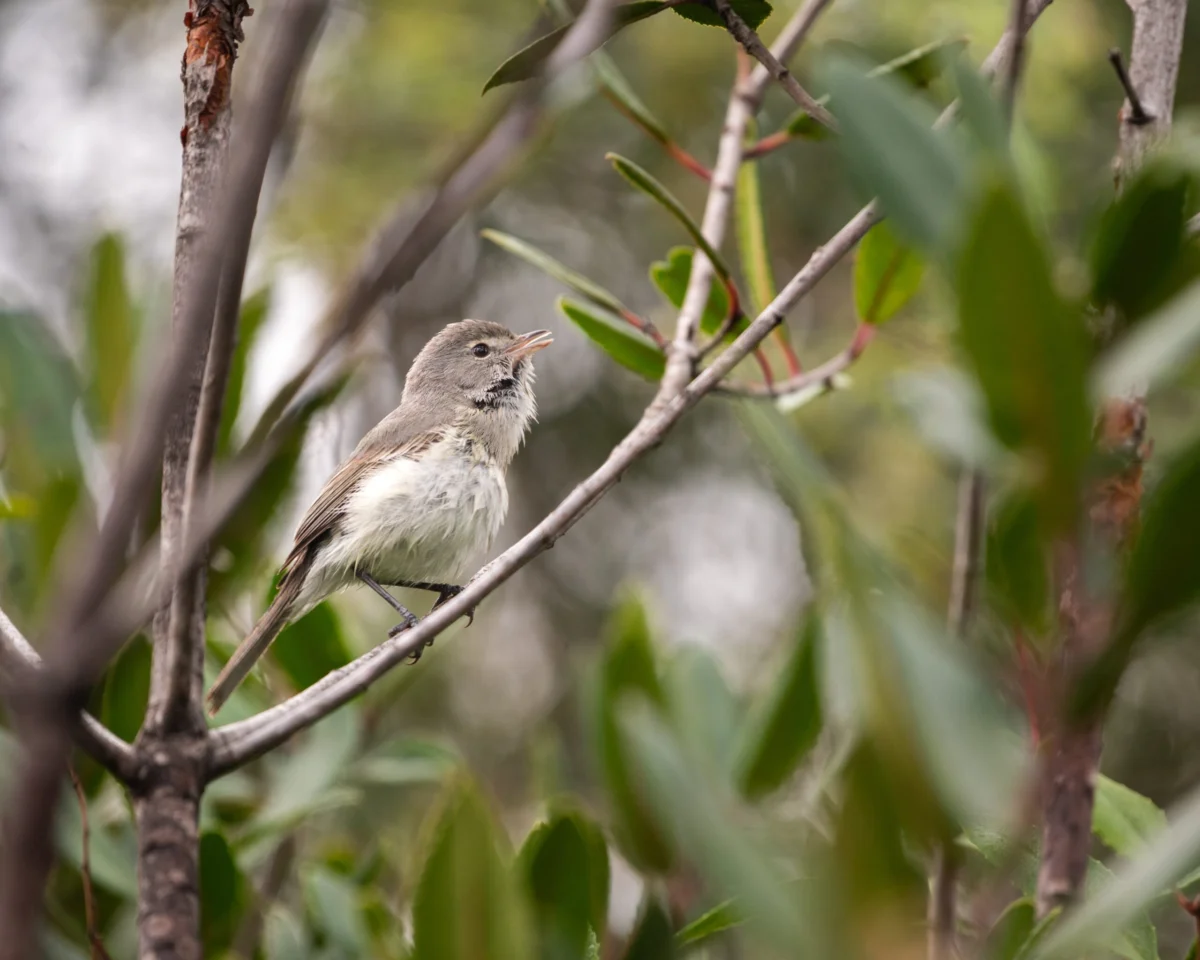
Early this spring, a distinctive, melodious inquiry, "Cheedle-cheedle-chee? Cheedle-cheedle-chew!", reverberated through the air at the Audubon Center at Debs Park in northeast Los Angeles. This evocative song, signaling a brief but significant stopover, came from the migratory Least Bell’s Vireo (Vireo bellii pusillus), a small, federally endangered songbird. Likely en route from its wintering grounds in Mexico, this tiny avian traveler paused to refuel, embodying a remarkable comeback story currently unfolding across the urban landscape of Los Angeles. The reappearance of the Least Bell’s Vireo in areas where it was once extirpated represents a critical benchmark in the long-term ecological restoration of the Los Angeles River watershed, offering a powerful symbol of urban biodiversity resilience.
A Species on the Brink: The Least Bell’s Vireo’s Decline
The Least Bell’s Vireo, a subspecies characterized by its subtle grayish plumage and a soft, questioning song, once thrived in the dense, shrubby riparian corridors that crisscrossed California. These verdant banks along rivers and streams provided essential nesting and foraging grounds. During the breeding season, these diligent birds construct delicate, cup-shaped nests, meticulously woven and suspended from forked branches, where they raise their broods on a diet primarily composed of insects. This intimate connection to riparian habitat, however, became its greatest vulnerability.
Throughout the 20th century, California experienced unprecedented population growth and agricultural expansion, leading to widespread destruction and fragmentation of these crucial riparian ecosystems. The Los Angeles River, for instance, underwent extensive channelization starting in the 1930s following devastating floods. This massive engineering project transformed a dynamic, meandering river with lush floodplains into a concrete-lined flood control channel, effectively obliterating vast stretches of native habitat. By the latter half of the century, an estimated 90-95% of California’s original riparian forests had been lost. Compounding this habitat loss was the increasing pressure from nest parasites, particularly the Brown-headed Cowbird (Molothrus ater). Cowbirds lay their eggs in the nests of other species, often leading to the displacement or starvation of the host’s own chicks. These combined pressures pushed the Least Bell’s Vireo to the precipice of extinction, culminating in its federal listing as an endangered species in 1986 under the Endangered Species Act. At the time of listing, fewer than 300 breeding pairs were estimated to exist, primarily concentrated in a few isolated pockets.
The Long Road to Recovery: A Chronology of Conservation
The journey towards the Least Bell’s Vireo’s recovery has been a protracted and often challenging one, marked by increasing scientific understanding, dedicated conservation efforts, and growing public engagement.
- 1930s-1950s: Major channelization projects along the Los Angeles River and other waterways drastically reduce riparian habitat, setting the stage for the vireo’s decline.
- 1960s-1970s: Early environmental movements begin to raise awareness about habitat loss and species endangerment, though focused recovery efforts for the vireo are still nascent.
- 1986: The U.S. Fish and Wildlife Service lists the Least Bell’s Vireo as federally endangered, providing legal protection and catalyzing formal recovery plans. Initial efforts focus on identifying remaining populations and protecting critical habitat.
- Late 1980s-Early 2000s: Conservation strategies intensify, with a focus on habitat restoration, particularly in key remaining strongholds like Marine Corps Base Camp Pendleton, which today hosts the largest known population. Simultaneously, programs for targeted Brown-headed Cowbird control are implemented, proving crucial in reducing nest parasitism rates. Studies from this period, such as those by Griffith and Griffith (2000), highlight the effectiveness of cowbird control in enhancing vireo breeding success.
- 2000s-Present: A paradigm shift towards urban ecological restoration gains momentum. Organizations like the National Audubon Society and California State Parks begin ambitious projects to re-establish native riparian vegetation in urban centers, including along the Los Angeles River. The Audubon Center at Debs Park emerges as a key player in northeast Los Angeles, focusing on creating dense, complex habitat. Rio de Los Angeles State Park, a 40-acre urban oasis in the Cypress Park neighborhood, becomes a focal point for these restoration efforts.
- Recent Years (2010s-2020s): Glimmers of hope materialize with increased sightings and breeding activity in restored urban areas. Coordinated population monitoring across Southern California, alongside data from citizen science platforms like eBird, begins to show a gradual, though still fragile, recovery. eBird Trends data suggests a 25% increase in the California population, offering encouraging signals that these decades of concerted effort are yielding positive results.
Rio de Los Angeles State Park: A Beacon of Urban Restoration
Just a few miles from the Audubon Center, Rio de Los Angeles State Park stands as a testament to the power of urban green spaces. This 40-acre park, with its multi-use sports fields, walking and biking paths, playgrounds, and picnic areas, serves as a beloved community hub. Yet, beyond its recreational value, the park has been meticulously transformed into an increasingly vital ecological refuge, particularly for riparian birds. With sweeping views of the San Gabriel Mountains contrasting with the surrounding urban sprawl, the park exemplifies how nature can be rewoven into the fabric of city life.
The Audubon Center at Debs Park team has been instrumental in the habitat enhancement efforts at Rio de Los Angeles State Park. Their primary goal: building denser, more complex habitat. This isn’t merely about planting trees; it’s about recreating the layered structure of a natural riparian ecosystem. Native plants, such as various willow species (Salix spp.), cottonwoods (Populus fremontii), mulefat (Baccharis salicifolia), and California sycamore (Platanus racemosa), are strategically planted to provide the specific shrubby cover and foraging opportunities that the Least Bell’s Vireo requires for nesting and survival. These native plant communities also support a cascade of other urban wildlife, including vital pollinators and other bird species, helping to reconnect people with the broader ecology of the Los Angeles River watershed.
Supporting Data and Scientific Insights
The recovery of the Least Bell’s Vireo is not a mere anecdotal observation but is underpinned by robust scientific monitoring and data analysis.
- Habitat Specificity: The vireo’s reliance on dense, low-to-the-ground shrubby vegetation within 100 meters of water sources makes riparian zones irreplaceable. The loss of these habitats was the primary driver of its decline.
- Effectiveness of Cowbird Control: Before active management, Brown-headed Cowbirds could parasitize up to 90% of vireo nests in some areas, leading to significant reproductive failure. Targeted trapping and removal programs, permitted by wildlife agencies, have dramatically reduced parasitism rates, allowing vireo populations to successfully fledge their own young.
- Population Growth: While Camp Pendleton continues to host the largest and most stable population, with annual reports like the USGS publication on the 2022 breeding activities there highlighting its significance, the expansion into restored urban areas is profoundly encouraging. The reported 25% increase in California’s population reflects the cumulative success of these diverse conservation efforts across the state.
- Biodiversity Indicator: The Least Bell’s Vireo serves as an umbrella species. When its specific habitat needs are met—dense native vegetation, reduced parasitism, and healthy waterways—numerous other species, from insects to amphibians to other migratory and resident birds, also benefit. This makes the vireo a powerful indicator of the overall ecological health and success of riparian restoration projects.
Official Responses and Stakeholder Perspectives
The success witnessed along the Los Angeles River is a testament to collaborative efforts among various stakeholders.
"The return of the Least Bell’s Vireo to places like Rio de Los Angeles State Park is more than just a conservation success story; it’s a narrative of hope for urban ecosystems," stated a representative from the Audubon Center at Debs Park. "For years, our teams have been dedicated to understanding and recreating the precise conditions this sensitive songbird needs to thrive. The ‘cheedle-cheedle-chee’ echoing through the park is the clearest affirmation that our work, in partnership with the community, is making a tangible difference."
California State Parks, a critical partner in managing Rio de Los Angeles State Park, has emphasized the balance between public access and ecological preservation. "Our role is to ensure these precious natural resources are protected for future generations, while also providing invaluable recreational and educational opportunities for the community," commented a State Parks official. "When restoration work is underway, especially during nesting season, we establish clear avoidance zones. This means limiting human disturbance, adjusting watering schedules, and ensuring our volunteers and staff are acutely aware of the vireo’s presence and needs. This careful stewardship is paramount to the bird’s continued recovery."
Conservation scientists have also weighed in on the broader implications. Dr. Thomas Gardali, a researcher whose work (like Howell et al., 2010) has documented the vireo’s breeding records and range expansion, noted, "The resilience of the Least Bell’s Vireo in the face of historical challenges is remarkable. Its recovery underscores the critical importance of riparian habitat and the efficacy of targeted conservation interventions. Urban environments present unique challenges, but also unique opportunities to demonstrate that humans and nature can coexist and even flourish together."
Broader Impact and Implications for Los Angeles
The cautious hope surrounding the Least Bell’s Vireo’s comeback extends far beyond the fate of a single bird. It signifies a profound shift in how Los Angeles views its natural heritage, particularly the once-neglected Los Angeles River.
- Ecological Revival of the LA River: The vireo’s return validates decades of effort to transform sections of the heavily channelized Los Angeles River into viable ecological corridors. As restoration expands, the potential for a more connected, resilient, and biodiverse urban ecosystem grows, benefiting not just the vireo but a wide array of birds, fish, and other wildlife. This renewed focus on the river promises enhanced water quality, improved flood attenuation through natural processes, and a cooler urban microclimate.
- Redefining Urban Green Spaces: The success at Rio de Los Angeles State Park exemplifies the potential of urban parks to serve as critical biodiversity hotspots. These green oases provide essential stepping stones for migratory birds and year-round habitat for resident species, demonstrating that even in densely populated cities, nature can find a foothold and thrive with concerted human intervention.
- Community Engagement and Environmental Stewardship: The involvement of local communities through volunteering, native plant initiatives, and responsible pet ownership (e.g., keeping dogs on leash to prevent disturbance to ground-nesting birds) is indispensable. This engagement fosters a sense of ownership and connection to the local environment, strengthening the constituency for conservation. The Audubon Center at Debs Park actively promotes such participation through habitat restoration events and native plant nurseries.
- Symbol of Resilience and Hope: The Least Bell’s Vireo has become a powerful symbol of nature’s resilience and the tangible benefits of long-term conservation efforts. Its song, once nearly silenced, now offers a hopeful melody, reminding Angelenos that even in one of the world’s largest megacities, it is possible to restore and protect vital natural heritage. This narrative inspires further action and investment in ecological restoration across the region.
Continued Vigilance and Future Challenges
Despite these encouraging signs, the recovery of the Least Bell’s Vireo is far from complete. The species remains federally endangered, and ongoing vigilance is crucial. Challenges persist, including:
- Climate Change: Shifting weather patterns, increased drought severity, and altered hydrological regimes could impact riparian habitats.
- Urbanization Pressures: Continued development, even with environmental regulations, can fragment remaining habitats.
- Invasive Species: Non-native plants can outcompete native vegetation essential for the vireo.
- Long-Term Funding: Sustaining restoration and management efforts requires consistent financial support and political will.
With sustained community involvement, rigorous scientific monitoring, and adaptive management strategies, the quiet, hopeful song of the Least Bell’s Vireo can remain a cherished part of Los Angeles’s natural soundscape for generations to come, symbolizing a city’s commitment to ecological harmony.
