
Every spring and fall, an awe-inspiring spectacle unfolds across the American continent as millions of migratory birds traverse vast distances along ancient natural corridors known as flyways. These invisible highways, stretching from the Arctic to Patagonia, connect diverse ecosystems, economies, and cultures, guiding entire flocks over mountains, rivers, and coastlines. While some species undertake extraordinary nonstop journeys, many others rely on a series of crucial stopover sites for rest and refueling, with the cumulative time spent at these temporary havens often exceeding the total flight duration. However, when these essential stops occur within increasingly urbanized landscapes, migratory birds face unprecedented obstacles and threats, leading to a dramatic increase in mortality rates within cities situated along these vital corridors. Among the most pervasive and devastating of these threats are collisions with buildings, a silent epidemic exacerbated by the extensive use of glass surfaces in modern architecture. These reflective facades, by mirroring the sky, trees, or surrounding vegetation, create a deceptive illusion of continuous habitat, leading birds to perceive no physical barrier and fly directly into surfaces, resulting in serious or fatal injuries that jeopardize the delicate balance of ecosystems and the invaluable environmental services birds help maintain.
The Silent Crisis of Avian Collisions
The scale of avian mortality due to building collisions is staggering. According to a seminal study published by ABC Birds, more than 1 billion birds perish annually from impacts with glass surfaces in the United States alone. This figure underscores a global problem of immense proportions, suggesting that worldwide, the death toll is considerably higher. The National Audubon Society has also issued urgent warnings regarding the severity of this issue, emphasizing the critical need for integrating bird-friendly design principles into architectural practices to prevent collisions, reduce mortality, and transform urban environments into safer havens for biodiversity.
The primary culprit in these fatal encounters is the ubiquitous presence of glass. Modern architectural trends often favor expansive, reflective glass facades that maximize natural light and offer panoramic views. However, to birds, these transparent or mirrored surfaces are invisible or misleading. During the day, reflective glass mirrors the sky or nearby vegetation, creating an optical illusion of open space or a continuation of natural habitat. At night, illuminated buildings attract and disorient nocturnal migrants, drawing them off course and into hazardous urban environments. This phenomenon, often referred to as "light pollution," compounds the danger posed by glass. Furthermore, even transparent glass can be perilous, as birds fail to perceive it as a solid barrier, attempting to fly through what appears to be an unobstructed pathway. The impact, often at high speeds, frequently results in concussions, broken bones, internal hemorrhaging, and ultimately, death.
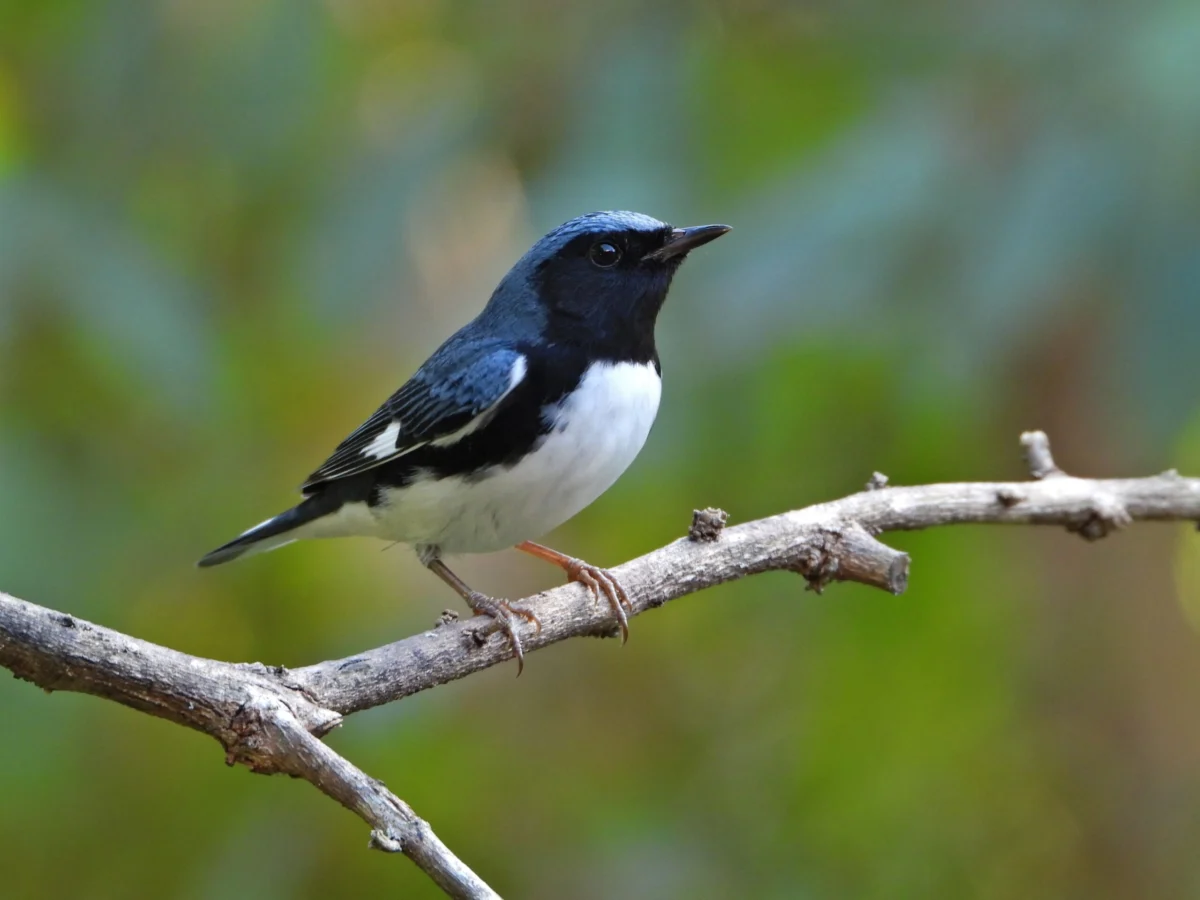
Species particularly vulnerable to these collisions include the Black-throated blue warbler (Setophaga caerulescens), known for its vibrant plumage and migratory prowess; the Ruby-throated hummingbird (Archilochus colubris), a tiny, energetic flyer; and the Yellow-bellied sapsucker (Sphyrapicus varius), a migratory woodpecker. These are but a few examples from the myriad species across various taxonomic groups that suffer from this human-made hazard, highlighting the broad ecological impact of current building practices. The loss of these birds not only diminishes biodiversity but also disrupts crucial ecological functions such as pest control, seed dispersal, and pollination, which are vital for healthy ecosystems and human well-being.
America’s Flyways: Lifelines Under Threat
The Americas boast an extraordinary level of biodiversity, housing nearly 50 percent of the world’s bird species, with over 3,700 species recorded across the continent. This immense avian richness is intrinsically linked to the continent’s intricate system of flyways. These migratory pathways are not merely routes; they are dynamic ecological networks that have shaped the continent’s biodiversity over millennia. They represent complex systems of interconnected habitats, from breeding grounds in the Arctic tundra to wintering sites in the Amazon rainforest and Patagonia, with crucial stopover points interspersed throughout.
Panama’s unique geographic location renders it one of the most strategically relevant sections of the Americas Flyways system. For millions of birds, this narrow land bridge is not merely a transit area but a critical nexus for rest, feeding, and regaining vital energy before continuing their arduous journeys across North, Central, and South America. This makes Panama a key node for ecological connectivity within the world’s most diverse flyway system, home to more than 2,000 bird species. The ongoing urbanization of this vital corridor therefore presents a significant challenge to hemispheric bird conservation. The way cities within these flyways are planned and constructed plays a decisive role in maintaining ecological connectivity and mitigating the risks faced by birdlife in a territory that is globally critical for biodiversity.
Historically, human settlements have always intersected with wildlife habitats. However, the pace and scale of modern urban development, coupled with architectural trends that prioritize aesthetics over ecological considerations, have intensified this conflict. The understanding of bird migration and the specific threats posed by urban environments has evolved significantly over the past century. Early ornithologists documented migration patterns, but the impact of anthropogenic structures, particularly glass buildings, became increasingly apparent with the rise of modern skylines in the mid-20th century. Public awareness and scientific scrutiny have gradually increased, leading to the current emphasis on proactive, preventive design.
Pioneering Solutions: The Rise of Bird-Friendly Architecture
The growing recognition of the bird collision crisis has spurred the development of innovative solutions, coalescing into the field of bird-friendly architecture. This approach moves beyond mere mitigation, aiming to integrate ecological principles into the fundamental design and construction of buildings. Bird-friendly design encompasses a range of strategies, from material selection to landscape planning and lighting schemes, all intended to reduce risks for avian life while enhancing urban biodiversity.
One of the most effective strategies involves the thoughtful selection and treatment of glass. Instead of highly reflective or transparent panes, architects can specify glass with visual markers that birds can perceive. This includes fritted glass, which incorporates ceramic patterns baked onto the surface; etched glass; or glass treated with UV-reflective patterns visible to birds but largely imperceptible to the human eye. These patterns can be dots, lines, or other designs, strategically spaced to break up the illusion of continuous space, typically with a maximum spacing of 2×2 inches. Other material alternatives include screens, grilles, or external shades that create a physical barrier or visual texture, signaling the presence of an obstruction.
Beyond glass, bird-friendly design considers the entire building envelope and its surroundings. Landscape architecture plays a crucial role, with the incorporation of native vegetation around buildings that provides food and shelter for birds, drawing them to safe areas and away from hazardous facades. The careful placement of trees and shrubs can also act as a buffer, slowing down birds before they reach potentially dangerous windows. Lighting strategies are equally critical, particularly in areas within flyways. Reducing upward-facing lights, using downward-shielded fixtures, and employing motion sensors or timers to dim lights during peak migration periods can significantly reduce nocturnal bird disorientation and collisions. Furthermore, the overall building massing and orientation can be designed to minimize reflective surfaces facing major migratory pathways or highly vegetated areas.
The benefits of bird-friendly architecture extend far beyond avian safety. Such designs often incorporate features that enhance human well-being and environmental sustainability. For instance, reducing glass surfaces can improve energy efficiency by minimizing heat gain and loss. Thoughtful landscaping with native plants contributes to stormwater management, reduces urban heat island effects, and creates more aesthetically pleasing, biologically rich urban spaces for people. Buildings designed with both birds and people in mind foster a stronger connection to nature, promoting healthier and more inspiring environments for urban dwellers.
Case Study: CAF’s Northern Hub in Panama
In this critical context, the Development Bank of Latin America and the Caribbean (CAF) is setting a new benchmark with its Northern Hub, a state-of-the-art building currently under development in Panama City with an investment of USD 88 million. This project represents a concrete and significant opportunity to integrate cutting-edge bird-friendly design into urban infrastructure within a globally significant migratory corridor. From its very conception, the Northern Hub project was meticulously planned under stringent sustainability and environmental efficiency criteria, with the ambitious goal of achieving LEED certification. This commitment involved incorporating measures for energy efficiency, responsible water use, and a comprehensive strategy for reduced environmental impacts.
A pivotal aspect of the Northern Hub’s development has been the coordinated work between CAF’s engineering and architecture specialists and external conservation scientists. This interdisciplinary collaboration allowed for the integration of bird-friendly design criteria, grounded in robust scientific evidence, directly into the project’s technical specifications. As a result, the façade design underwent a significant update. The specialized bird-safe glass, incorporating visual markers to prevent collisions, is currently being manufactured at a specialized factory in Europe, representing a tangible commitment to avian protection.
Luisa Plaza, an executive at CAF’s Directorate of Physical Infrastructure Development and Maintenance, underscored this synergy: "Integrating engineering with conservation science allows us to make informed decisions that reduce impacts and lead to truly sustainable infrastructure. In the construction of the Northern Hub in Panama, we incorporated bird-friendly criteria, based on scientific evidence, to protect a key section of the Americas flyways." This statement highlights CAF’s forward-thinking approach, positioning the Northern Hub not just as an office building but as a beacon of ecological responsibility.
The project’s timeline reflects a proactive stance. Initial planning phases prioritized LEED certification, a standard that naturally encourages some environmental considerations. However, the specific integration of bird-friendly design, particularly the specialized glass, marks an advanced step, showcasing a commitment beyond conventional green building practices. This decision was informed by Panama’s unique position on the flyway and the growing scientific consensus on collision prevention. The manufacturing process in Europe ensures the highest quality and adherence to specialized bird-safe specifications, demonstrating a global collaborative effort in local conservation.
Broader Initiatives and Global Impact
The CAF Northern Hub is part of a growing international movement towards bird-friendly urban development. This commitment aligns with the approach promoted by the Americas Flyways Initiative (AFI), a powerful alliance led by Audubon, BirdLife International, and CAF. The AFI champions diverse solutions to reduce risks faced by birdlife by integrating bird conservation across all phases of infrastructure planning, design, and financing processes throughout the Americas. This collaborative framework provides the institutional and scientific backing for projects like the Northern Hub, ensuring that local actions contribute to hemispheric impact.
Other notable examples illustrate the transformative potential of bird-friendly architecture. St. John’s Terminal, Google’s impressive building in New York City, stands as a prime illustration of how existing structures can be revitalized with ecological intelligence. Its biodiversity component was developed in close collaboration with the NYC Bird Alliance, leading to a redesign that incorporated native vegetation, advanced stormwater management systems, and expansive green spaces. Scientists from the NYC Bird Alliance have documented remarkable success at this site, recording more than 60 bird species utilizing the newly created habitat for feeding, including 11 species never before documented on the city’s green roofs, such as the Yellow warbler (Setophaga aestiva). This project demonstrates that urban environments can not only minimize harm but also actively contribute to habitat creation and biodiversity enrichment.
The recognition of bird-friendly design initiatives is also gaining traction within academic and institutional spheres. In 2025, Yale University’s Bird-Friendly Building Initiative received an award of excellence from the International Sustainable Campus Network, acknowledging its environmental and architectural value. Such accolades underscore the fact that integrating biodiversity considerations is no longer a niche concern but a recognized standard of excellence in sustainable development. Major cities globally, including Toronto, New York City, and San Francisco, have also begun to implement bird-friendly building codes or guidelines, making such designs mandatory for new constructions or significant renovations. This policy shift reflects a growing understanding among urban planners and policymakers that cities, as dynamic ecosystems, have a responsibility to protect their non-human inhabitants.
Policy, Innovation, and the Future of Urban Ecology
On a continent intricately connected by flyways, every building holds significance in the larger ecological tapestry. CAF’s Northern Hub powerfully demonstrates that cities can transcend their traditional role as obstacles to migration and actively become part of the solution when design decisions are guided by scientific principles. The strategic use of bird-safe glass, functional native vegetation, and intelligent lighting strategies significantly reduces risks and fosters a more harmonious coexistence between urban life and biodiversity.
This commitment from CAF is more than a symbolic gesture; it represents a concrete dedication to integrating biodiversity considerations into investment and urban planning decisions across the Americas. Guided by technical criteria, scientific evidence, and a long-term vision, it aligns with a growing international trend towards sustainable urban development that prioritizes ecological integrity. Dustin Partridge, PhD, Director of Conservation and Science at the New York City Bird Alliance, eloquently articulates this vision: "Cities represent a unique opportunity for bird conservation. Buildings with vegetated façades and bird-safe glass not only create habitat and reduce collisions but also generate spaces that bring people closer to nature. Designing with both birds and people in mind helps build more sustainable urban environments, where local conservation actions contribute to hemispheric impact."
The implications for urban planning are profound. The adoption of bird-friendly design principles can lead to the development of comprehensive urban ecological infrastructure, where buildings are not isolated structures but integrated components of a larger, interconnected green network. This requires a shift in mindset among architects, developers, and policymakers, moving towards a holistic understanding of urban environments as socio-ecological systems. Incentives for developers, clearer regulatory frameworks, and public education campaigns will be crucial in accelerating this transition. Furthermore, ongoing research into bird behavior, migration patterns, and the effectiveness of different design interventions will continue to refine and improve bird-friendly practices.
As the first building of its kind to incorporate these advanced bird-friendly design criteria within CAF’s extensive infrastructure portfolio, the Northern Hub is poised to become an exemplary reference point for future projects throughout the region. It serves as a powerful testament that integrating biodiversity considerations from the earliest stages of design can effectively guide urban growth towards solutions that are more closely aligned with critical conservation needs and medium- to long-term environmental priorities. This pioneering approach in Panama offers a blueprint for how cities across the Americas can evolve into vibrant, biodiverse, and truly sustainable urban landscapes, ensuring that the incredible spectacle of avian migration can continue unimpeded for generations to come.
