
Audubon Florida’s Conservation Leadership Initiative (CLI) stands as a pivotal program in nurturing the state’s future environmental stewards. Each year, this esteemed initiative provides 25 undergraduate students with an unparalleled opportunity: a direct mentorship with a seasoned local Audubon leader, culminating in the execution of a self-selected conservation project. The annual Audubon Florida Assembly serves as the vibrant launchpad for each new cohort, immersing students in a dynamic environment where they can network with established conservation luminaries and gain profound insights into Audubon’s overarching mission and operational ethos. The success of this program is not merely anecdotal; it is vividly demonstrated through the trajectories of its alumni, whose careers are now deeply embedded in critical conservation efforts across Florida and beyond. Clara Soloa, Jennifer Quintero, and Robin Marquez represent just three compelling examples of CLI alumni who credit the program as instrumental in shaping their thriving conservation careers.
Audubon Florida: A Legacy of Conservation in a Critical Landscape
For over a century, Audubon Florida has been at the forefront of protecting Florida’s birds and the habitats they depend on. Established in 1900, it is one of the oldest and most respected conservation organizations in the state, playing a crucial role in advocating for environmental policies, conducting scientific research, and engaging communities in conservation efforts. Florida, a state renowned for its unparalleled biodiversity and fragile ecosystems, faces immense pressure from rapid population growth, sprawling development, and the escalating impacts of climate change. Its unique blend of coastal environments, wetlands, pine forests, and agricultural lands supports an astonishing array of wildlife, including over 500 bird species, many of which are migratory or endangered. Iconic species such as the Florida panther, manatee, and various wading birds are constant reminders of the state’s ecological significance and the urgent need for dedicated conservation.
However, this ecological richness is under constant threat. Habitat fragmentation, water quality degradation (manifesting in issues like harmful algal blooms and red tide), and sea-level rise pose existential challenges to Florida’s natural heritage. The Everglades, often referred to as the "River of Grass," is a prime example of a vast, interconnected ecosystem requiring continuous restoration and protection, where water flow, quality, and quantity are meticulously managed to sustain its delicate balance. These complex environmental issues demand not only scientific expertise and policy advocacy but also a robust, well-trained workforce capable of translating conservation principles into tangible actions. This is precisely where programs like the CLI become indispensable, bridging the gap between academic knowledge and practical application, and fostering a new generation equipped to tackle these monumental tasks.
The Genesis and Structure of the Conservation Leadership Initiative
The Conservation Leadership Initiative was established with a clear vision: to empower the next generation of environmental leaders by providing them with practical experience, professional mentorship, and a strong network within the conservation community. While the exact founding year may vary, the program’s enduring relevance underscores a long-term commitment to human capital development in the environmental sector. The CLI addresses a critical need for a pipeline of passionate and skilled individuals to fill roles in government agencies, non-profit organizations, and research institutions dedicated to environmental protection.
The program’s structure is intentionally designed for maximum impact. Each year, 25 undergraduate students are meticulously selected from a competitive pool of applicants, reflecting a diverse range of academic backgrounds and interests. Upon selection, students are strategically matched with an Audubon leader—often an executive director of a local chapter, a senior scientist, or a policy expert—who serves as a mentor. This one-on-one mentorship is the cornerstone of the CLI experience, offering personalized guidance, direct exposure to real-world conservation challenges, and invaluable professional insights. Students then embark on a self-directed conservation project, allowing them to apply their academic knowledge to practical issues, from habitat restoration and species monitoring to environmental education and policy advocacy. This hands-on experience, coupled with the mentorship, cultivates critical thinking, problem-solving skills, and a deep understanding of the complexities inherent in conservation work. The annual Audubon Florida Assembly provides an unparalleled opportunity for students to not only celebrate their accomplishments but also to forge connections with a broader network of professionals, offering a glimpse into the vast and interconnected world of conservation.
Alumni Spotlight: Pathways Forged and Futures Secured
The true measure of the CLI’s success lies in the achievements of its alumni. Their stories illuminate the program’s transformative power, demonstrating how a foundational experience can propel individuals into impactful and fulfilling careers.
Clara Soloa: A Catalyst for Community Engagement in the Everglades
Clara Soloa, a distinguished member of the 2024-2025 CLI Cohort, exemplifies the immediate and lasting impact of the program. Paired with Sabeena Beg, the dynamic executive director of the Audubon Everglades chapter, Clara quickly immersed herself in the chapter’s vital work. Her dedication and the opportunities afforded by the CLI have allowed her to maintain a robust connection with the chapter, where she now serves as an environmental management intern. In this crucial role, Clara is involved in a multifaceted array of activities, including the intricate coordination of field trips that introduce community members to the wonders of local ecosystems, robust outreach initiatives designed to broaden public awareness, and active participation in advocacy efforts aimed at protecting critical habitats.
One of her most significant contributions is to the new Conservation Pathway Program, an innovative initiative specifically designed to forge stronger connections between younger generations and the Audubon Everglades chapter. This program aims to inspire early engagement, ensuring that a steady stream of young enthusiasts develops a deep appreciation for conservation and considers it a viable career path. Clara passionately articulates the profound value of the CLI program, emphasizing the invaluable opportunities and connections it provided. "Don’t just go for the bare minimum," Clara advises future participants, urging them to maximize their engagement. "Many people don’t realize that they were given the best opportunity of their lives to network, get experience, and build their connections. I couldn’t be more proud of myself for clicking that link, because it really changed my whole path." Her mentor, Sabeena Beg, would undoubtedly echo this sentiment, recognizing Clara’s proactive approach and the critical role young, engaged leaders play in the sustained health of the Everglades ecosystem. Clara’s work directly contributes to the Audubon Everglades chapter’s mission to conserve and restore the natural ecosystems in the Greater Everglades region, a landscape of global ecological significance. Her efforts in community engagement are vital in fostering local stewardship, which is paramount for the long-term protection of this unique natural treasure.
Jennifer Quintero: Bridging Infrastructure, Academia, and Avian Conservation
Jennifer Quintero, an alumna of the 2020-2021 CLI cohort, stands as a testament to the program’s capacity to launch diverse and impactful careers. Mentored by Steffanie Munguía at the Tropical Audubon Society, Jennifer’s journey demonstrates a remarkable blend of professional responsibility and passionate volunteerism. Currently, she serves as an environmental specialist for the Florida Department of Transportation (FDOT), a role that requires navigating the complex intersection of infrastructure development and environmental protection. This position is critical in ensuring that large-scale transportation projects minimize their ecological footprint and comply with stringent environmental regulations. Simultaneously, Jennifer volunteers as the conservation and outreach specialist for Tropical Audubon, an urban chapter dedicated to protecting birds and natural areas in Miami-Dade County. Her ongoing work with the chapter encompasses a broad spectrum of activities, including community outreach, managing social media presence to engage a wider audience, leading educational bird walks, and capturing the beauty of local avian life through photography.
Jennifer’s experience and connections cultivated through the CLI program have been pivotal in strengthening her professional and academic repertoire. Through her mentor, she gained invaluable field experience at the Cape Florida Banding Station, a renowned research site where she first developed a profound connection with birds and the science of ornithology. This initial exposure proved formative, as she later utilized datasets from this very banding station for her master’s thesis on migratory birds, demonstrating a direct lineage from CLI experience to advanced academic research. Beyond her official roles, Jennifer has channeled her expertise to make a tangible positive impact on the Florida International University (FIU) campus, where she has championed initiatives such as bird strike collision surveys and the installation of decals on windows to prevent avian fatalities. These efforts highlight her commitment to practical conservation solutions, informed by both her academic background and her CLI-instilled passion. Steffanie Munguía, Jennifer’s mentor, has keenly observed her mentee’s evolution, noting, "It has been a gift to watch her fall more deeply in love with conservation and discover her place in it." This enduring mentor-mentee relationship underscores the long-term support network fostered by the CLI. Jennifer’s emphatic recommendation for the program – "For somebody to create a free program that helps give you opportunities, introduce you to new people, and tailor it specifically to you, this opportunity is absolutely priceless" – encapsulates the profound and multifaceted value the CLI offers to aspiring environmental professionals. Her career illustrates how CLI alumni contribute across various sectors, from government regulation to grassroots community action, all vital for comprehensive conservation.
Robin Marquez: Unveiling Biodiversity Through Entomology
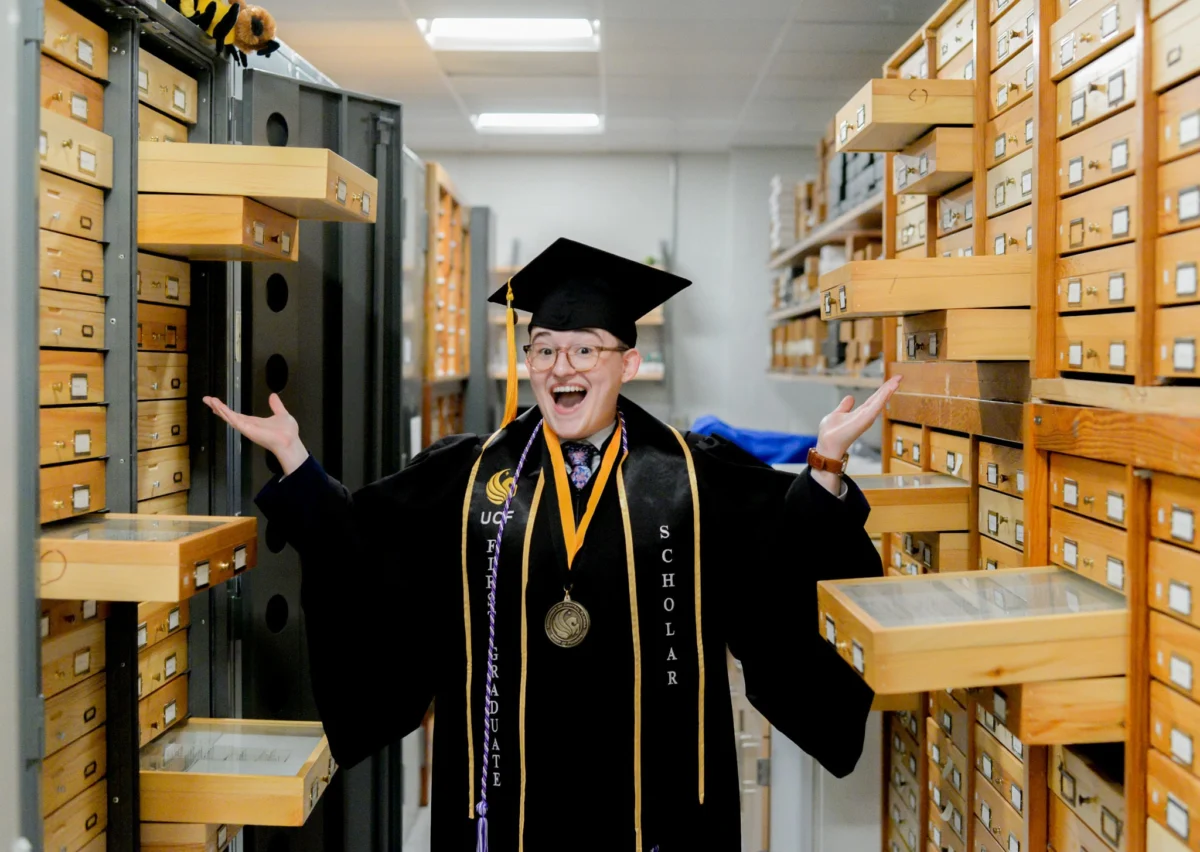
Robin Marquez, another impactful alumnus from the 2021-2022 CLI cohort, was mentored by Phyllis Hall from Seminole Audubon. Robin’s trajectory showcases the diverse and specialized paths that CLI alumni can pursue within the broader conservation field. He currently holds the position of assistant curator for the University of Central Florida’s (UCF) Bug Closet Collection of Arthropods. In this fascinating role, Robin is instrumental in documenting biodiversity, conducting essential field work to discover and collect specimens, and engaging in outreach activities that educate the public about the critical importance of insects and other arthropods. Insect collections, often overlooked, are invaluable scientific resources, providing baseline data for ecological studies, monitoring species distribution changes, and understanding ecosystem health.
Robin’s next significant step is to pursue a Ph.D. at the University of Minnesota, where he plans to delve into the intricate world of microscopic parasitic wasps and craneflies. This specialized research underscores the broad scientific scope necessary for effective conservation, where even the smallest organisms play disproportionately large roles in ecosystem function. Robin unequivocally states that the CLI program fundamentally "altered his entire career and academic path," opening his eyes to the vast spectrum of opportunities within the environmental field. He credits Phyllis Hall’s mentorship as a major benefit, providing him with the guidance and encouragement needed to pursue ambitious academic and professional goals. Phyllis Hall, reflecting on her experience, describes being Robin’s mentor as "the most rewarding experience," highlighting the reciprocal benefits of the mentorship relationship. Robin’s advice for prospective CLI students and future environmentalists is a powerful call to authenticity: "Never be afraid to show up as you are. Never let anything dim your light." His journey exemplifies how the CLI empowers individuals to discover their unique niche and contribute to conservation through specialized scientific inquiry, ultimately enriching the global understanding and protection of biodiversity.
Broader Impact and the Future of Florida’s Conservation Workforce
The success stories of Clara, Jennifer, and Robin are not isolated incidents; they represent a systemic impact of the Conservation Leadership Initiative on Florida’s environmental landscape. The CLI is meticulously cultivating a vital pipeline of skilled, passionate professionals who are essential for the long-term health and sustainability of the state’s natural resources. By providing early career exposure, professional mentorship, and practical project experience, the program significantly reduces the entry barriers for aspiring conservationists, equipping them with the confidence and competencies needed to thrive in a competitive field.
Beyond individual career advancement, the CLI fosters a robust network and a strong sense of community among its participants. The connections forged between mentors and mentees, as well as among cohort members, create a supportive ecosystem for continued learning, collaboration, and advocacy. This network is invaluable for tackling complex, interdisciplinary environmental challenges that often require collective action and diverse expertise. Furthermore, the CLI’s emphasis on local engagement strengthens the capacity of Audubon’s grassroots chapters, ensuring that conservation efforts are deeply rooted in specific community needs and ecological contexts. This localized approach is critical for effective habitat protection, environmental education, and policy advocacy at the regional level.
The implications of such a program extend far beyond the immediate participants. A well-trained and dedicated conservation workforce contributes directly to Florida’s ecological resilience, which in turn underpins significant economic sectors. Florida’s multi-billion dollar tourism industry, its commercial and recreational fisheries, and its agricultural sector are all intrinsically linked to healthy ecosystems and clean water. By investing in programs like the CLI, Audubon Florida is not only safeguarding biodiversity but also contributing to the state’s economic stability and quality of life. The alumni of the CLI program, now embedded in various governmental agencies, non-profit organizations, and academic institutions, are poised to influence environmental policy, drive innovative research, and inspire public action for decades to come. Their collective efforts ensure that the beauty and ecological richness of Florida will endure for future generations, transforming the state into a beacon of sustainable development and environmental stewardship.
