
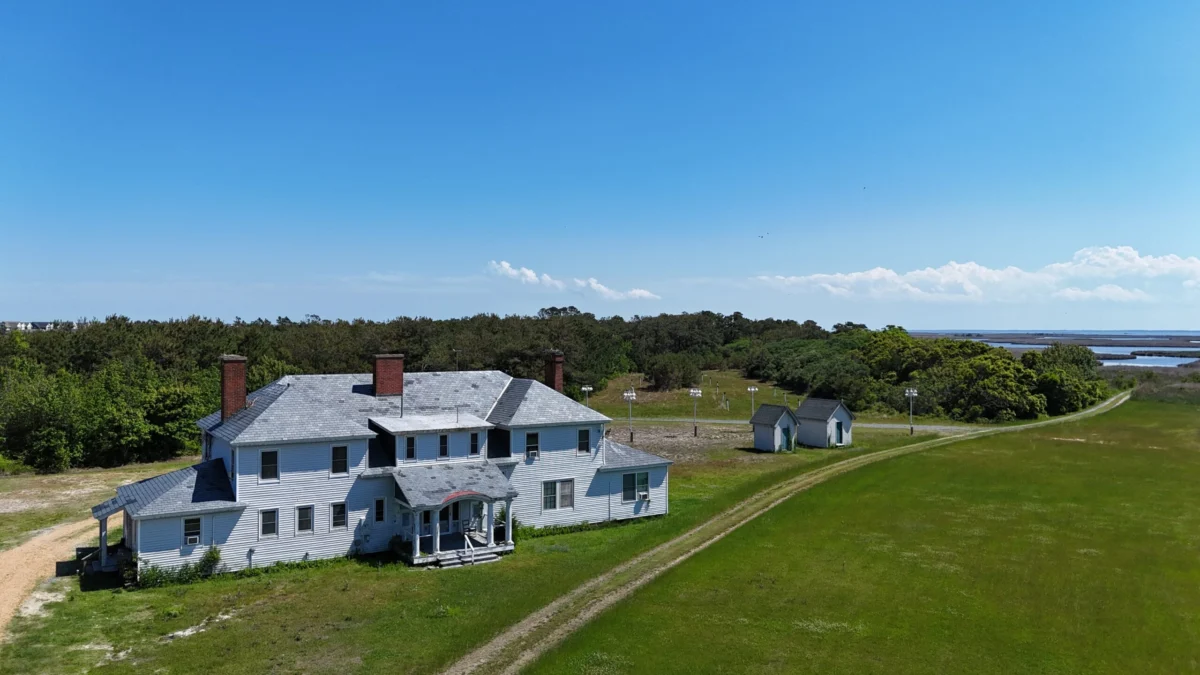
This spring, the Pine Island Sanctuary on the Outer Banks has emerged as a nexus of cutting-edge conservation, habitat revitalization, and vibrant ecological activity, marking a significant period for wildlife and environmental stewardship in coastal North Carolina. Volunteers, scientific innovation, and dedicated restoration efforts have converged to create an optimal environment for the region’s diverse fauna, from returning migratory birds to once-struggling aquatic species. The sanctuary, a vital part of the Outer Banks ecosystem, has not only welcomed back an array of nesting birds but has also implemented revolutionary monitoring technologies and executed critical habitat restoration projects, underscoring its commitment to protecting vulnerable species and their essential environments. These initiatives are poised to provide invaluable data for regional and national conservation strategies, while simultaneously enhancing the ecological resilience of one of America’s most dynamic coastal landscapes.
A New Era in Avian Monitoring: Unveiling Secretive Marsh Birds
The challenge of monitoring secretive marsh birds, often heard but rarely seen, has long presented a significant hurdle for conservationists. Species such as the Black Rail, King Rail, Virginia Rail, and Least Bittern are masters of camouflage, their lives unfolding deep within dense marsh vegetation, making traditional visual surveys exceedingly difficult and often inaccurate. Their cryptic nature, combined with their crepuscular or nocturnal habits, means that even experienced observers can miss their presence, leading to potential underestimations of populations and hindering effective conservation planning. However, the Pine Island Sanctuary is now at the forefront of a technological revolution in avian monitoring, deploying Autonomous Recording Units (ARUs) to overcome these inherent observational biases.
These advanced recording devices represent a paradigm shift in how ornithologists gather data on elusive species. Strategically placed at key survey points across the marsh, the ARUs are programmed to record ambient sounds for specific durations, capturing the distinctive grunts, squawks, and chuckles of marsh birds throughout the day and, critically, during the early morning and late evening hours when human presence is minimal or impossible. Senior Coordinator of Habitat Management Sara Marschhauser highlighted the rationale behind this innovation, stating, "It’s kind of like the old saying, if a tree falls in the woods and no one is around to hear it, did it make a sound. So, we wanted a way to detect these secretive birds even when we weren’t around to listen for them." The ARUs are set to record every hour and then continuously during designated survey windows, providing a comprehensive acoustic tapestry of the marsh. This continuous, automated data collection dramatically increases the chances of detecting rare or infrequently calling species, offering a more robust and objective measure of their presence and activity.
The data collected by these ARUs is not merely for local assessment; it contributes to broader conservation initiatives, feeding into the National Inventory of Marsh Birds, a crucial program coordinated by the U.S. Fish and Wildlife Service. This national effort aggregates data from sites across the country to track population trends for these sensitive species, many of which are experiencing significant declines due to habitat loss and degradation. Furthermore, at Pine Island, the ARU data is instrumental in establishing a baseline understanding of bird occupancy near four ongoing marsh restoration pilot projects. This baseline will be critical for evaluating the success of these restoration efforts by monitoring how bird populations respond to habitat improvements over time. The ability to quantify changes in bird presence and abundance directly links habitat interventions to ecological outcomes, providing invaluable feedback for adaptive management.
One of the most significant applications of the ARU technology at Pine Island is its contribution to Black Rail management work. The Black Rail (Laterallus jamaicensis) is a federally threatened species, facing severe population declines across its range, primarily due to habitat destruction and sea-level rise. Its small size, secretive nature, and preference for specific high marsh habitats make it particularly challenging to study. Marschhauser elaborated, "We installed them along the high marsh edge where Black Rails like to forage and breed. We’re hoping they can help us find out if they’re calling in the middle of the night when no one is around." By detecting calls that human observers might miss, especially during nocturnal activity peaks, the ARUs offer an unprecedented opportunity to accurately map Black Rail territories and understand their behavioral patterns, which is vital for designing effective conservation strategies for this critically imperiled bird. This robust data acquisition system will ultimately guide the sanctuary’s marsh restoration and management work, ensuring that interventions are evidence-based and maximally beneficial for these vulnerable inhabitants. The insights gained could inform habitat creation, water level management, and predator control measures specifically tailored to the Black Rail’s needs.
Revitalizing Habitats: From Ponds to Prairies
Parallel to advancements in monitoring, Pine Island Sanctuary has been actively engaged in comprehensive habitat restoration, yielding immediate and tangible benefits for its diverse wildlife populations. A standout achievement in this regard is the successful reconstruction of a pond, transforming a previously degraded area into a thriving ecological hotspot. The previous pond, an old impoundment, featured "hard edges" that offered suboptimal habitat for many aquatic and semi-aquatic species. Such artificial structures often lack the gradual slopes and varied vegetation crucial for diverse wildlife use, hindering access to water, limiting foraging opportunities, and providing poor cover from predators.
The reconstructed pond, however, embodies principles of ecological design, featuring a natural shoreline meticulously re-engineered with native plants. This intentional design provides a mosaic of microhabitats, including shallow areas for foraging, deeper sections for refuge, and emergent vegetation for cover and nesting. The rapid positive impact of this restoration was almost instantaneous. Center Director Robbie Fearn expressed enthusiasm, stating, "We were excited to see turtles finally being able to use the pond so soon after our restoration work. The hard edges of the old impoundment provided poor habitat for them but now, with a natural shoreline covered with native plants, turtles have found a home at last." The swift colonization by turtles underscores the immediate success of the project, demonstrating how thoughtful restoration can quickly rejuvenate ecosystems. This approach benefits not only turtles but also a myriad of other species, including amphibians, insects, and various bird species that rely on healthy wetland environments for sustenance and shelter. The project serves as a model for restoring ecological functionality within altered landscapes, proving that strategic interventions can rapidly enhance biodiversity and ecosystem health and contribute to the overall resilience of the coastal environment.
Returning Residents: Nesting Birds and Volunteer Efforts
Spring at Pine Island Sanctuary is synonymous with the return of migratory birds, transforming the landscape into a bustling nursery. This year, the sanctuary proudly welcomed back nesting Osprey, Purple Martins, and Tree Swallows, among others. The successful return and nesting of these species are a testament to the ongoing habitat management and the invaluable contributions of dedicated volunteers. The Outer Banks, situated along the Atlantic Flyway, is a critical stopover and nesting area for countless bird species, making the sanctuary’s efforts in providing safe breeding grounds of regional and national importance.
Ospreys (Pandion haliaetus), majestic raptors that feed almost exclusively on fish, are a prominent sight at the sanctuary. This spring, two pairs of Ospreys have established nests, one remarkably choosing the lodge’s chimney, and another opting for a purpose-built platform overlooking the nature trail. These platforms, often erected by conservation groups, provide safe, elevated nesting sites, mitigating risks from predators and human disturbance. Their consistent presence signals a healthy aquatic ecosystem, rich in fish populations, which form the cornerstone of their diet.
The vibrant Purple Martins (Progne subis) and agile Tree Swallows (Tachycineta bicolor) also returned, finding ready homes thanks to the diligent work of volunteers. These essential helpers visited the sanctuary to meticulously clear and prepare nest boxes scattered throughout the property. This annual ritual ensures that the boxes are clean, free of old nesting material or debris, and ready for new occupants. The availability of well-maintained nest boxes is crucial for these cavity-nesting species, which often face challenges due to natural cavity scarcity caused by habitat alteration and development. Beyond Purple Martins and Tree Swallows, these nest boxes also provide vital breeding opportunities for a variety of other avian residents, including Eastern Bluebirds (Sialia sialis), Brown-headed Nuthatches (Sitta pusilla), Carolina Chickadees (Poecile carolinensis), Prothonotary Warblers (Protonotaria citrea), and Wood Ducks (Aix sponsa). The consistent return of these species highlights the sanctuary’s role as a vital haven amidst increasing pressures on coastal ecosystems.
Strategic Land Management: The Role of Prescribed Fire
Effective habitat management at Pine Island extends beyond restoration projects to include proactive land stewardship techniques, prominently featuring marsh burning. Prescribed fires, or controlled burns, are a critical ecological tool used to manage vast tracts of marshland, mimicking natural processes that historically shaped these environments. Unlike uncontrolled wildfires, prescribed burns are meticulously planned and executed under specific weather conditions to achieve targeted ecological outcomes, such as reducing fuel loads or promoting specific plant communities.
This past winter, the sanctuary successfully conducted burns on two islands, marking the first time in seven years that these particular areas had been subjected to controlled fire. This initiative is part of a broader research effort to determine the optimal burn frequency that maximizes benefits for the diverse array of plants and animals inhabiting these marshes. The benefits of controlled burns are multifaceted and profound. They are instrumental in managing the spread of invasive species, which can outcompete native flora and reduce biodiversity. By removing accumulated dead vegetation, fires promote the growth of healthy root systems in native plants and stimulate seed germination, leading to increased plant species diversity. This rejuvenation of vegetation in turn provides fresher, more nutritious forage for herbivores and creates more open foraging grounds for various bird species. Furthermore, controlled burns help prevent the buildup of excessive fuel loads, thereby reducing the risk of destructive, uncontrollable wildfires during drier periods. The strategic application of fire is a testament to the sanctuary’s commitment to dynamic, science-based land management, ensuring the long-term health and resilience of the marsh ecosystem, an approach increasingly recognized as essential for maintaining fire-adapted landscapes.
Beyond Birds: Comprehensive Wildlife Surveys
While avian conservation forms a cornerstone of Pine Island’s mission, the sanctuary’s ecological monitoring extends to other crucial wildlife, providing a holistic understanding of ecosystem health. Ongoing surveys encompass enigmatic nocturnal birds and vulnerable reptiles, contributing to broader scientific knowledge and conservation efforts.
Night Jar surveys continued this spring, focusing on this fascinating family of nocturnal birds that includes the Chuck-will’s-widow (Antrostomus carolinensis). These surveys are particularly challenging due to the birds’ crepuscular and nocturnal activity patterns and their superb camouflage. To maximize detection rates, the surveys are conducted during a five-day window centered around the full moon, when lunar illumination aids observation and the birds are often most active, making their distinctive calls more frequent. Data gathered from these surveys helps to track population trends for these insectivorous birds, which are important indicators of ecosystem health, particularly concerning insect populations, which themselves are facing global declines.
Another significant area of focus is the monitoring of box turtles. This spring, as box turtles emerged from their winter hibernation, sanctuary staff initiated comprehensive tracking efforts. Many turtles are marked for identification, but two individuals are equipped with radio telemetry transmitters attached to their shells. These transmitters allow researchers to remotely track the turtles’ movements, providing invaluable insights into their territories, habitat use, and seasonal migration patterns, information crucial for delineating critical habitat. One remarkable finding from this tracking initiative was the observation of a turtle hibernating in the exact same spot as the previous year, demonstrating strong site fidelity – a crucial piece of information that could only be gleaned through consistent tracking. The data collected from these surveys is shared with the Box Turtle Connection, a research initiative focused on these vulnerable reptiles. Box turtles (Terrapene carolina carolina) are a species of concern in North Carolina, facing threats from habitat fragmentation, road mortality, and illegal collection. As long-lived creatures, their health and distribution can serve as powerful indicators of the overall health and integrity of the habitats they occupy. Understanding their movements and preferences is essential for protecting the critical areas they rely upon, reinforcing the need for connected landscapes and reduced human impacts.
Connecting Past and Present: The Waterfowl Heritage Weekend
Beyond scientific monitoring and habitat management, Pine Island Sanctuary plays a vital role in preserving and celebrating the rich cultural heritage of the Outer Banks. The recent Waterfowl Heritage Weekend exemplifies this commitment, serving as a unique bridge between historical traditions and modern conservation. This annual event is a vibrant celebration of Currituck County culture, deeply rooted in its connection to waterfowl hunting, the intricate art of decoy carving, and the evolution of coastal conservation efforts, traditions that have defined the region since the late 1800s.
The event highlights how historically, waterfowl hunting, while seemingly at odds with conservation, paradoxically spurred some of the earliest conservation movements in North America. Hunters, witnessing declines in bird populations, were among the first advocates for habitat protection and sustainable practices, leading to the establishment of wildlife refuges and the funding of conservation through license sales and excise taxes on hunting equipment. The Waterfowl Heritage Weekend at Pine Island paid homage to this complex history, offering attendees a glimpse into the region’s unique culinary traditions. A historic lunch hosted at the sanctuary featured a meticulously curated menu, including sophisticated dishes such as Cream of Chestnut "Cappuccino," Wild Game Charcuterie, and Duck Leg Confit. This gastronomic experience was not merely a meal but a narrative, connecting diners to the landscape and its historical bounty, demonstrating how traditional foodways are intertwined with the health of local ecosystems.
Center Director Robbie Fearn reflected on the significance of the event,
