
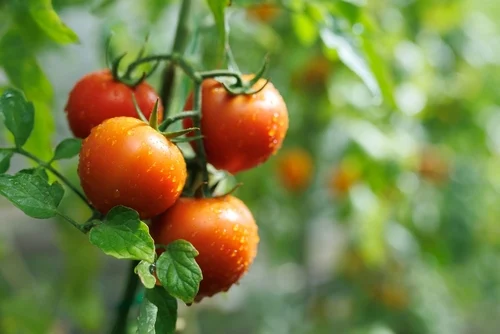
The practice of supplementing poultry diets with garden surplus and kitchen scraps has become a cornerstone of sustainable backyard farming, yet the inclusion of tomatoes—a member of the nightshade family—presents a complex balance of nutritional benefits and potential toxicological risks. As the popularity of domestic chicken keeping continues to rise across North America and Europe, avian experts and nutritionists are emphasizing the importance of understanding the chemical composition of the Solanaceae family, which includes tomatoes, peppers, and eggplants. While the ripe fruit of the tomato plant can offer a range of essential vitamins and antioxidants, the vegetative parts of the plant and its unripe fruit contain glycoalkaloids that can be detrimental, or even fatal, to poultry if ingested in significant quantities.
The Chemical Profile of the Nightshade Family
To understand the risks associated with tomatoes, one must examine the biological defense mechanisms of the Solanaceae family. These plants produce natural pesticides known as glycoalkaloids to deter herbivores and insects. In tomatoes, the primary toxins of concern are solanine and tomatine. Solanine is a bitter-tasting steroidal alkaloid that acts as a neurological disruptor. It inhibits the enzyme acetylcholinesterase, which is essential for breaking down the neurotransmitter acetylcholine. When this enzyme is inhibited, the nervous system becomes overstimulated, leading to the various physical symptoms associated with poisoning.

Tomatine, while similar to solanine, is specifically found in tomato plants. It is most concentrated in the green, unripe fruit, as well as the leaves, stems, and roots. Research into avian toxicology suggests that while tomatine is generally considered less toxic to humans than the solanine found in potatoes, its effect on small-bodied animals like chickens can be profound. The concentration of these toxins serves as a chemical shield for the plant during its most vulnerable growth stages, dissipating only when the fruit reaches full maturity and is ready for seed dispersal via consumption by larger animals.
Distinguishing Between Toxic Vegetative Matter and Ripe Fruit
The distribution of glycoalkaloids within the tomato plant is not uniform, which creates a critical distinction for poultry keepers. The highest concentrations of solanine and tomatine are found in the green parts of the plant. For this reason, agricultural experts strictly advise against allowing chickens access to tomato vines, leaves, or the suckers removed during pruning.
As a tomato ripens, a physiological transformation occurs. The chlorophyll breaks down, and the levels of tomatine drop significantly, replaced by sugars and acids that make the fruit palatable. By the time a tomato is deep red (or its final ripe color, such as yellow or orange depending on the variety), the toxin levels have typically receded to a point where they are no longer a primary concern for healthy adult birds, provided the fruit is consumed in moderation. However, the "green" stage of a tomato—often seen in the early summer or late autumn—remains a high-risk zone for solanine poisoning.

Clinical Symptoms of Glycoalkaloid Poisoning in Poultry
The impact of solanine and tomatine on a chicken’s physiology can manifest in several ways, ranging from mild digestive upset to severe neurological failure. Poultry owners are encouraged to monitor their flocks for specific clinical signs if accidental ingestion of tomato greenery is suspected.
Symptoms of solanine poisoning in avian species typically include:
- Neurological Distress: A noticeable slowing of the heart rate (bradycardia) and labored breathing.
- Gastrointestinal Irritation: Severe diarrhea, which can lead to rapid dehydration in small birds.
- Physical Lethargy: A drop in body temperature and a general lack of responsiveness or "droopy" appearance.
- Digestive Malfunction: Abdominal pain and, in some cases, vomiting or the regurgitation of crop contents.
Symptoms specifically linked to high levels of tomatine ingestion often mirror general food poisoning, including nausea, intestinal cramping, and watery droppings. Because chickens are prey animals, they instinctively hide signs of illness until they are in an advanced state of distress. Therefore, any deviation from normal foraging behavior or egg-laying patterns should be investigated immediately.

Nutritional Benefits of Controlled Tomato Consumption
Despite the inherent risks of the plant itself, the ripe fruit of the tomato is a nutritional powerhouse that can enhance a flock’s health when managed correctly. Tomatoes are rich in lycopene, a powerful antioxidant that has been linked to improved immune function in poultry. Furthermore, they provide a significant source of:
- Vitamin A: Essential for maintaining the health of the respiratory tract and the linings of the digestive system, as well as supporting vision.
- Vitamin C: While chickens can synthesize their own Vitamin C, supplemental amounts can help birds manage heat stress during peak summer months.
- Vitamin K: Critical for proper blood clotting and bone metabolism.
- Potassium: An important electrolyte that aids in muscle function and hydration.
When fed as an occasional treat, ripe tomatoes support the circulatory system and can contribute to the overall vibrancy of the bird’s plumage and the quality of the egg yolks, thanks to the presence of carotenoids.
The Ten Percent Rule: Implementing Dietary Moderation
The consensus among avian nutritionists is that "treats"—defined as any food source outside of a nutritionally balanced commercial feed—should comprise no more than 10% of a chicken’s total daily caloric intake. For an average laying hen, this equates to approximately one to two tablespoons of supplemental food per day.

Overfeeding tomatoes, even ripe ones, can lead to nutritional imbalances. Because tomatoes have a high water content, excessive consumption can cause loose droppings, which may be mistaken for illness or lead to unhygienic conditions in the coop. Furthermore, an over-reliance on watery fruits can displace the protein and calcium-rich feed necessary for consistent egg production and skeletal health.
Vulnerable Populations: Chicks and Ailing Birds
A critical caveat in poultry management is the age and health status of the birds receiving supplements. Veterinary experts strongly advise against feeding tomatoes—or any nightshade-derived food—to baby chicks. The digestive systems of chicks are highly sensitive and still developing; even trace amounts of glycoalkaloids that an adult hen could process might prove fatal to a bird under six weeks of age.
Similarly, elderly hens or birds recovering from respiratory infections or reproductive issues should be kept on a strict diet of high-quality starter or layer crumbles. A compromised immune system is less capable of filtering out natural plant toxins, making these birds far more susceptible to the adverse effects of solanine.

Broader Implications for Backyard Flock Management
The discussion regarding tomatoes and chickens is part of a larger movement toward informed, natural poultry husbandry. As more households transition toward "circular" food systems where garden waste is upcycled into eggs, the need for botanical literacy becomes paramount.
From an economic perspective, preventing accidental poisoning is far more cost-effective than treating a sick flock. The loss of a single high-producing hen can represent a significant loss in a small-scale operation. Therefore, the implementation of physical barriers—such as fencing off vegetable gardens—is recommended to ensure that chickens do not have unsupervised access to tomato plants.
Chronology of Risk: From Seedling to Harvest
The risk level of the tomato plant fluctuates throughout the growing season, creating a timeline that keepers must navigate:

- Spring/Early Summer: Seedlings and young plants are highly toxic. The concentrated solanine in the tender leaves is particularly dangerous as chickens are often eager for fresh greens after winter.
- Mid-Summer: As the plants grow large and begin to fruit, the risk of "suckering" (pruning) arises. Discarded stems must be composted away from the flock.
- Late Summer: The ripening phase. While ripe fruit falling from the vine is generally safe, the "green" unripened fruit remains a hazard.
- Autumn/Post-Frost: After the first frost, tomato plants die back. The decaying matter can still contain toxins, and the stress of the frost may even increase toxin concentrations in the remaining green fruit. Clearing the garden of all nightshade debris is a vital end-of-season task for poultry owners.
In conclusion, while tomatoes can be a beneficial and highly anticipated summer treat for backyard chickens, they require a disciplined approach to feeding. By restricting access to the green vegetative parts of the plant, ensuring only fully ripe fruit is offered, and adhering to the 10% rule for dietary supplements, poultry keepers can safely integrate this garden favorite into their flock’s management plan without compromising avian health or productivity.
