
As Audubon California proudly commemorates its 30th anniversary as a pivotal state office, the organization stands at a remarkable juncture, reflecting on a legacy of groundbreaking conservation achievements, strategic partnerships, and an unwavering commitment to protecting California’s diverse birdlife and habitats. This significant milestone offers an opportunity to delve into the evolution of a conservation powerhouse that has profoundly shaped environmental policy and practice throughout the Golden State. From its inception, Audubon California has navigated complex ecological and political landscapes, championing critical causes and fostering a deeper connection between people and nature.
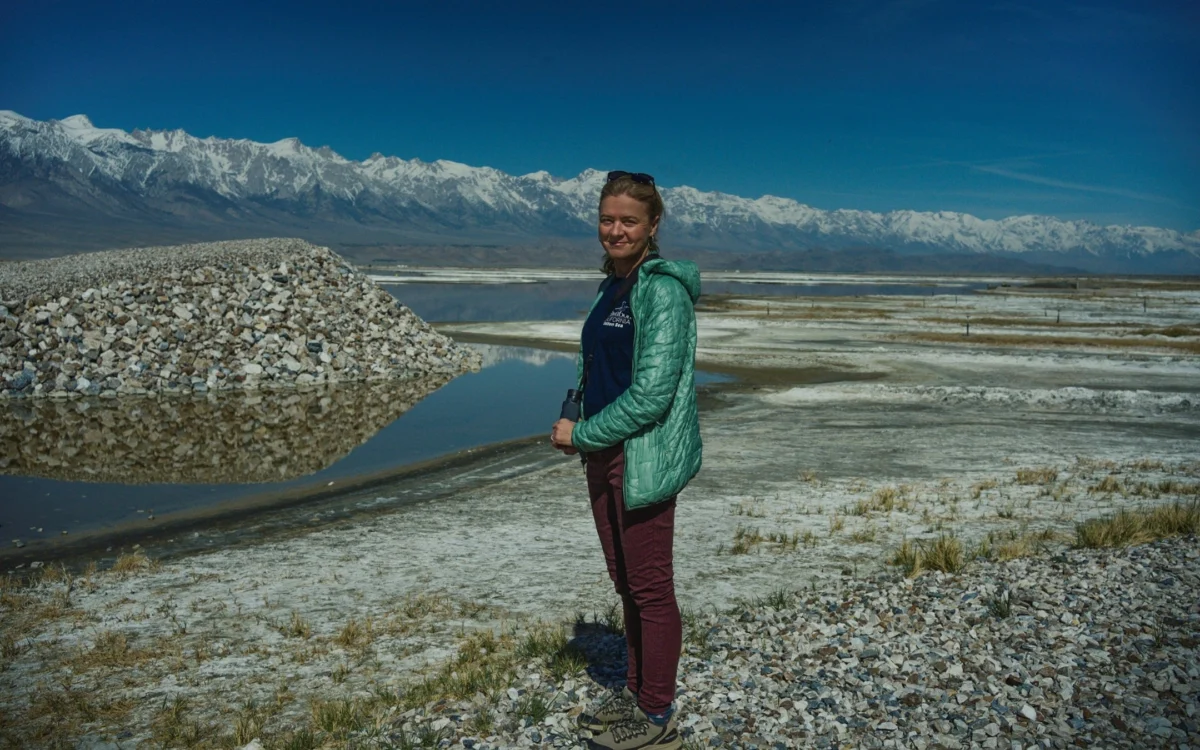
At the heart of much of Audubon California’s success over the past two decades is Andrea Jones, the esteemed Vice President of the National Audubon Society for California. With 20 years of dedicated service to the organization, Jones has been instrumental in spearheading numerous major conservation initiatives, witnessing firsthand the transformative growth and impact of Audubon California. Her insights provide a unique perspective on the organization’s journey, highlighting both the challenges overcome and the enduring hope for the future of conservation in a state facing unprecedented environmental pressures.
A Foundation Built on Vision: Audubon California’s Evolution
Audubon California was established in 1994, emerging from a growing recognition of the unique and pressing conservation needs within the state. California, with its extraordinary biodiversity, encompassing deserts, mountains, wetlands, and vast coastlines, serves as a crucial stopover for millions of migratory birds along the Pacific Flyway and home to numerous endemic species. The state office was formed to provide focused advocacy, scientific research, and on-the-ground conservation efforts tailored to California’s specific ecological challenges.
Andrea Jones recalls a markedly different organization when she joined in 2006. "We were a much smaller state program then," she notes. "We had a small policy shop and we didn’t yet have the kind of statewide science expertise we have today with Geospatial Science capacity, or the level of bird expertise we have now. A lot of our focus was on our centers and sanctuaries, with less on-the-ground programs and community engagement around the state."
Over three decades, and particularly during Jones’s tenure, Audubon California has undergone a strategic transformation. It has expanded its scientific capabilities, integrating cutting-edge geospatial analysis and deeper avian expertise to inform its conservation strategies. This evolution has allowed the organization to move beyond its traditional focus on sanctuaries to engage in more expansive, community-based conservation across diverse landscapes. Today, Audubon California boasts a robust network of staff and partnerships in critical regions such as the Southern California deserts, the San Francisco Bay Area, and the Central Valley, actively engaging with local communities and private landowners to foster collaborative conservation solutions. The policy work, while always central, has been amplified by these broader on-the-ground programs, creating a more holistic and impactful approach to environmental stewardship.
Tackling the Dual Crisis: Climate Change and Biodiversity Loss
The gravest threats facing birds and ecosystems globally are climate change and biodiversity loss. California, a state highly vulnerable to the impacts of a warming planet, including severe droughts, intensified wildfires, and rising sea levels, has seen Audubon California adapt its strategies to confront these intertwined crises directly. "Climate resilience has always been a major priority, and we remain deeply committed to it," Jones affirms.
Audubon California’s response manifests in several critical areas:
- Habitat Restoration and Resilience: The organization has invested significantly in restoring and enhancing vital habitats. Projects like the tidal marsh restoration at Sonoma Creek, in partnership with the San Pablo Bay National Wildlife Refuge, exemplify efforts to rebuild coastal wetlands that act as natural buffers against sea-level rise and provide crucial nesting and foraging grounds for numerous bird species. Similarly, eelgrass restoration in Richardson Bay contributes to healthy marine ecosystems, supporting diverse aquatic life and sequestering carbon.
- Innovative Working Lands Programs: A hallmark of Audubon California’s adaptive approach is programs like BirdReturns. This initiative works directly with private landowners in the Central Valley, historically a critical wetland habitat now largely converted to agriculture. By incentivizing farmers to flood their post-harvest fields, BirdReturns creates temporary wetlands that provide vital stopover and foraging habitats for millions of migratory shorebirds and waterfowl along the Pacific Flyway, especially during severe drought years when natural wetlands are scarce. This model, which strategically deploys water for conservation, has proven highly effective, benefiting an estimated 1.2 million birds annually across thousands of acres, while also offering economic incentives to farmers. The success of BirdReturns is now being explored for replication in other agricultural landscapes along major flyways, including Texas and Louisiana, and even internationally in countries like Colombia.
- Policy Advocacy for a Resilient Future: Beyond on-the-ground projects, Audubon California is a leading advocate for state-level policies that address climate change. Their support for initiatives like Proposition 4, a proposed $10 billion climate bond for 2024, underscores their commitment to securing funding for essential climate resilience measures, including water infrastructure improvements, wildfire prevention, and large-scale habitat restoration projects. This blend of direct action and policy influence ensures a comprehensive approach to building a more resilient future for California’s birds and people.
Milestones of Enduring Impact: A Look at Key Conservation Victories
Among the many achievements, certain projects stand out as particularly transformative, showcasing Audubon California’s capacity for complex problem-solving and long-term commitment.
Owens Lake: A Dust Bowl Transformed into a Bird Haven
Andrea Jones cites the Owens Lake project as one of her proudest achievements. The story of Owens Lake is a poignant example of human impact on the environment. Beginning in 1913, the Los Angeles Department of Water and Power (LADWP) diverted the Owens River to supply water to a burgeoning Los Angeles, gradually drying up Owens Lake. By the late 20th century, the exposed lakebed became the largest single source of PM10 dust pollution in the United States, posing severe health risks to local communities and devastating a once-vibrant ecosystem.
Audubon California found itself embroiled in a complex, multi-decadal legal and environmental battle. "I hadn’t been in California very long when I found myself in the middle of a major controversy with one of the biggest water powers in the state, the Los Angeles Department of Water and Power," Jones recounts. The challenge was immense: to negotiate a lasting solution that balanced dust control, water conservation for Los Angeles, and the restoration of critical bird habitat. This required bringing disparate parties—LADWP, environmental groups, and local communities—to a shared table.
Jones vividly recalls a pivotal meeting in a Burbank steakhouse with LADWP leadership. "It was surreal, and it also felt like a real turning point—one of those situations where you feel like the work could really change something for the better." Through persistent negotiation, supported by Audubon California’s policy director Dan Taylor and dedicated volunteers from the Eastern Sierra Bird Alliance, a comprehensive agreement was reached. This landmark deal led to the implementation of dust mitigation measures, primarily through shallow flooding and managed vegetation, which also created extensive wetland habitats.
Today, Owens Lake is a testament to the power of collaboration. Once a dusty wasteland, it has been transformed into a mosaic of shallow wetlands and salt flats that now host hundreds of thousands of migratory shorebirds and waterfowl annually, including American Avocets, Black-necked Stilts, and thousands of ducks and geese. The project, which has cost LADWP billions of dollars, represents one of the largest dust mitigation and habitat restoration efforts in the world. Its success demonstrates that even the most entrenched environmental conflicts can yield positive outcomes when diverse stakeholders commit to finding common ground for the benefit of both people and wildlife.
Tejon Ranch: Protecting California’s Ecological Crown Jewel
Another monumental conservation achievement is the protection of Tejon Ranch. Spanning 270,000 acres across California’s diverse landscapes, Tejon Ranch is the largest private landholding in the state and one of the largest in the West. It serves as a critical biological corridor connecting the Sierra Nevada, Tehachapi, Coast Ranges, and Mojave Desert ecosystems, boasting an extraordinary array of biodiversity, including the endangered California Condor, golden eagles, mountain lions, and hundreds of bird species.
Audubon California was one of the original conservation organizations involved in the complex agreement forged in 2008 to protect much of Tejon Ranch from extensive development. This landmark accord, a result of years of negotiations between the Tejon Ranch Company, conservation groups, and state agencies, led to the permanent conservation of 240,000 acres—nearly 90% of the ranch—through conservation easements managed by the Tejon Ranch Conservancy. The agreement allowed for some limited development on the remaining acreage, a point of contention for some, but a necessary compromise to secure protection for such a vast and ecologically significant landscape.
Jones recounts a revelatory moment during an early bird survey on the ranch after the conservation plan was in place. "Birds are falling out of the sky," her husband radioed back. It was not a literal fall but an observation of hundreds of exhausted migratory birds—tanagers, MacGillivray’s Warblers, and many others—dropping into the oaks and canyon habitats after arduous journeys across the desert. This experience underscored the ranch’s vital role as a critical stopover point for migratory birds along the Pacific Flyway.
The Tejon Ranch agreement exemplifies the complexities of large-scale conservation. "To me, Tejon Ranch is a reminder that sometimes the biggest wins are complicated. They require negotiation, compromise, and long-term responsibility," Jones reflects. "They won’t always be perfect, but they can still protect habitat for birds and biodiversity at a scale that would be almost impossible to achieve otherwise." Audubon California remains actively connected to this work through its ongoing support of the Tejon Ranch Conservancy, ensuring the long-term stewardship of this ecological treasure.
Saving the California Condor: The Lead Ban Initiative
The recovery of the California Condor, North America’s largest land bird, is a conservation success story in which Audubon California played a crucial role. Once teetering on the brink of extinction with only 22 individuals left in the 1980s, the species has slowly rebounded through intensive captive breeding and reintroduction programs. However, a persistent threat remained: lead poisoning from bullet fragments in carcasses scavenged by condors.
Audubon California was a leading voice in advocating for a statewide ban on lead ammunition. After years of advocacy, California implemented a phased ban, culminating in a complete statewide prohibition on lead ammunition for all hunting in 2019. This policy, backed by extensive scientific data demonstrating the detrimental impact of lead on condors and other wildlife, was a significant victory. Post-ban data from organizations like the California Department of Fish and Wildlife and the U.S. Fish and Wildlife Service have shown a measurable decrease in lead exposure rates among condors in California, significantly improving their chances of survival and reproduction in the wild. This achievement highlights Audubon California’s commitment to science-driven policy and its capacity to effect systemic change that benefits not just birds, but the entire ecosystem.
Looking Ahead: Inclusivity, Innovation, and a Broader Movement
As Audubon California looks towards its next 30 years, Andrea Jones expresses profound optimism, particularly regarding the future of the conservation movement itself. Her vision emphasizes inclusivity and diversification. "I want people to know that there’s space for everyone here," she states. "The best way to build the conservation movement we need for the future is to expand and diversify it, bringing everyone we can into it."
This philosophy is embodied in programs like the Coastal and Salton Sea Leadership Programs, which engage young, brilliant community leaders. These initiatives empower participants to build deeper connections to the birds and habitats in their own communities, fostering a new generation of conservationists. These programs recognize that lasting conservation solutions require diverse perspectives, local knowledge, and a broad base of support from all segments of society.
Jones underscores the importance of practical, collaborative, and scalable solutions—the very principles that have guided Audubon California’s successes over the past three decades. The challenges of climate change and biodiversity loss are immense, but so too is the potential for innovative, collective action. "This work depends on people who notice what’s changing, understand their communities, try new things, and keep showing up," she concludes.
Audubon California’s 30th anniversary is not merely a celebration of past accomplishments but a reaffirmation of its vital mission. It is a call to action for continued engagement, scientific rigor, and an ever-expanding, inclusive conservation movement. By fostering strong partnerships, championing science-based policies, and empowering communities, Audubon California is poised to continue shaping a more resilient and biodiverse future for the Golden State and beyond. The legacy built over three decades serves as a powerful foundation for the work that still lies ahead, promising a future where birds and people thrive together.
