
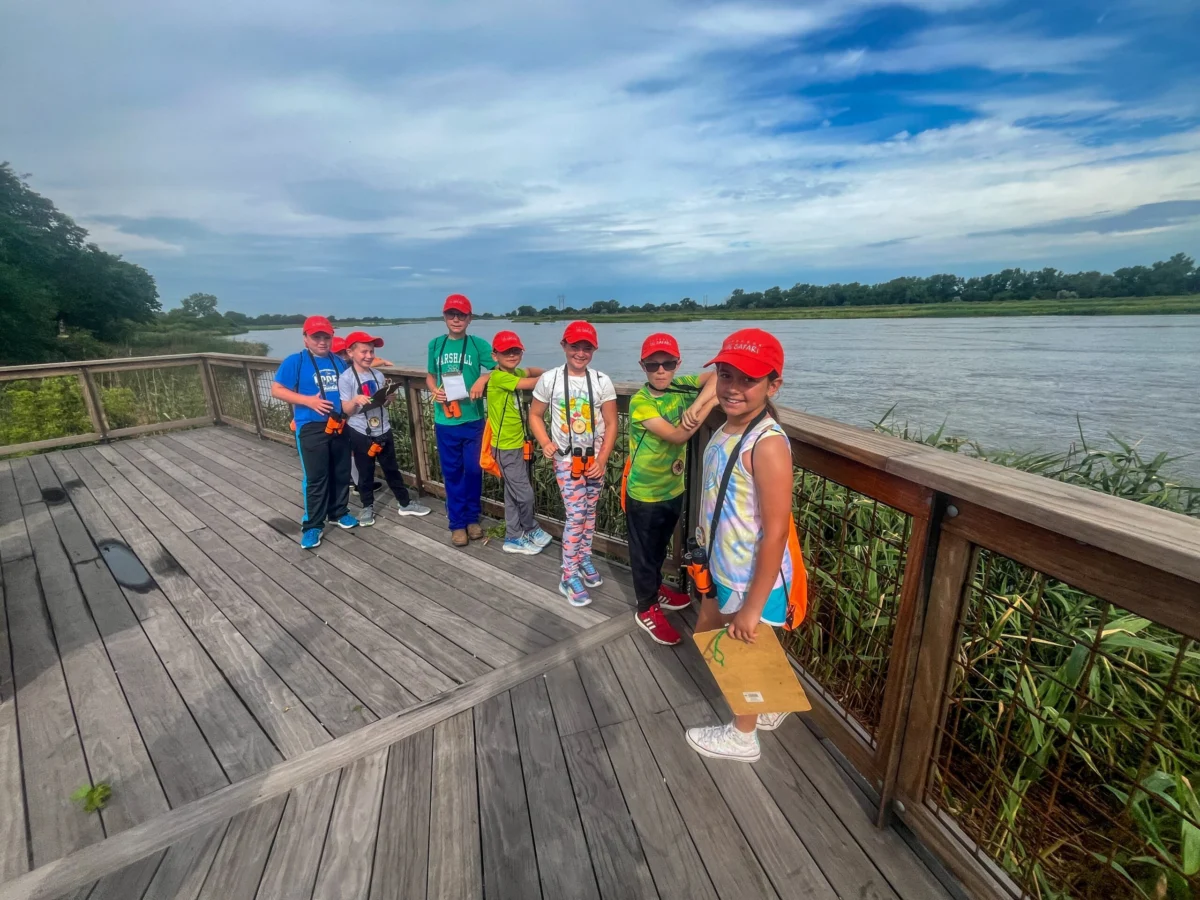
Each summer, the tranquil landscapes surrounding Audubon’s Rowe Sanctuary along the Platte River transform into a vibrant outdoor classroom, drawing young explorers eager to delve into the intricate wonders of local ecosystems. Through a carefully curated blend of hands-on scientific inquiry, daily birding expeditions, and communal activities, Rowe Sanctuary’s summer camps are designed to ignite curiosity and forge profound connections between children and the natural world. These programs, which emphasize experiential learning, cultivate a deep appreciation for conservation and environmental stewardship, often inspiring a multi-generational legacy of engagement with nature.
The Enduring Legacy of the Platte River and Rowe Sanctuary
Audubon’s Rowe Sanctuary, located near Gibbon, Nebraska, is a critical component of the National Audubon Society’s mission to protect birds and the places they need, today and tomorrow. Established in 1974, the sanctuary encompasses a vital 5-mile stretch of the Platte River, along with adjacent wet meadows and prairies. This specific geographical area is globally renowned as one of the most important migratory bird staging areas in North America, particularly for sandhill cranes. Each spring, hundreds of thousands of sandhill cranes, along with other waterfowl like geese and ducks, descend upon the shallow, braided channels of the Platte, making it an unparalleled spectacle of nature.
The Platte River itself is an ecological marvel, a "ribbon of life" traversing the heartland of America. Its unique hydrology, characterized by wide, shallow channels and shifting sandbars, creates diverse habitats essential for a myriad of species. However, this vital ecosystem faces numerous threats, including water depletion from agricultural and municipal uses, habitat fragmentation, and invasive species. Audubon’s conservation efforts at Rowe Sanctuary are multifaceted, focusing on habitat restoration, water management, and public education to ensure the long-term health of the river and its inhabitants. The summer camps are an extension of this educational mission, providing immersive experiences that translate complex ecological concepts into tangible, memorable lessons for young participants.
A Multi-Generational Connection to Nature: Scarlett’s Story
The impact of these camps often extends beyond a single summer, weaving itself into family histories and fostering a multi-generational commitment to conservation. Such is the case for Scarlett, a spirited 9-year-old whose enthusiasm for nature camp is rooted in her family’s past. Scarlett, who attended camp last year and eagerly anticipates her return this year, shares a special connection to Rowe Sanctuary through her mother, who also participated in the camps during her own youth. This intergenerational narrative underscores the enduring appeal and educational efficacy of the sanctuary’s programs.
"My mom went to camp at Rowe when she was young," Scarlett recounted, her eyes bright with enthusiasm. "And I like nature and learning. It sounded fun!" Indeed, archival records at Rowe Sanctuary confirm her mother’s participation, highlighting a powerful continuity in environmental education. This familial link serves as a testament to the lasting positive impressions these experiences leave, often inspiring a lifelong affinity for the natural world.
Scarlett’s journey to camp wasn’t her first encounter with Rowe Sanctuary. Prior to her initial camp experience, she had already engaged with the sanctuary’s diverse offerings. She participated in a Bumble Bee Atlas survey day, contributing to citizen science efforts by helping to identify and document local bee populations—an experience that provided a foundation in scientific observation. She also attended a Family Art Workshop coupled with an Indoor Crane Viewing Experience, where she witnessed the majestic sandhill cranes and created her own crane artwork. These prior positive interactions, filled with discovery and creativity, helped assuage any initial nervousness she felt about attending a nature camp for the first time. "I was a little nervous," she admitted, "but I had fun when I was there, so I thought camp would be fun." Her instincts proved correct, as she unequivocally declared camp her favorite among all her Rowe Sanctuary experiences, primarily due to the strong friendships she forged.
The Immersive Curriculum: From Wetlands to Wings
Rowe Sanctuary’s summer camps are meticulously designed to offer a comprehensive and hands-on exploration of the Platte River ecosystem. The curriculum integrates elements of biology, ecology, art, and social development, ensuring a holistic learning experience. Activities are structured to be engaging and educational, fostering a sense of wonder and scientific inquiry.
One of Scarlett’s most cherished memories from camp involved the wetland exploration. "I liked the wetland. We caught bugs and frogs in nets and then looked at them under a microscope. That was cool!" This activity exemplifies the camp’s approach: combining active fieldwork (catching specimens) with detailed scientific observation (microscope examination). Such experiences not only teach children about aquatic biodiversity but also introduce them to basic scientific methodologies and the importance of careful observation. Learning about the intricate life cycles and adaptations of wetland creatures, from macroinvertebrates to amphibians, provides a deeper understanding of the interconnectedness of ecosystems.
Birding, a cornerstone of Audubon’s mission, is another central component of the camp curriculum. "I liked learning about birds. Every day we went out to look at birds and figured out which ones we saw. We even made our own birds during camp!" Scarlett shared. Daily birding adventures equip young campers with binoculars and field guides, teaching them how to identify various avian species by sight and sound. This practical skill not only enhances their appreciation for local birdlife but also instills patience, keen observation, and an understanding of bird habitats and behaviors. The creative element of making their own birds further reinforces their learning through artistic expression, blending scientific knowledge with imaginative play.
The Broader Impact of Outdoor Education
The benefits of nature-based learning, as exemplified by Rowe Sanctuary’s camps, extend far beyond ecological knowledge. Extensive research highlights the profound positive impacts of outdoor education on children’s overall development. Studies by organizations such as the National Wildlife Federation and the Children & Nature Network consistently demonstrate that regular engagement with nature enhances cognitive function, improves academic performance, and fosters critical thinking skills. Children exposed to outdoor learning environments often exhibit increased problem-solving abilities, creativity, and attention spans.
Furthermore, outdoor camps contribute significantly to physical and emotional well-being. By providing alternatives to screen time, these programs encourage physical activity, reducing rates of childhood obesity and promoting healthier lifestyles. Emotionally, spending time in nature has been linked to reduced stress levels, decreased anxiety, and improved mood. The social aspect of camp, as highlighted by Scarlett’s joy in making new friends, is also crucial. Collaborative activities in an outdoor setting promote teamwork, communication skills, and the development of empathy and respect for peers and the environment.
From a conservation perspective, these camps are incubators for future environmental stewards. By fostering a sense of wonder and connection to nature at an early age, Rowe Sanctuary is planting the seeds for a generation that understands and values the importance of protecting our planet. Children who develop a personal relationship with nature are more likely to become environmentally conscious adults, advocating for conservation policies and making sustainable lifestyle choices. This long-term impact is invaluable in addressing the complex environmental challenges of our time.
Program Logistics and Future Aspirations
Audubon’s Rowe Sanctuary offers its flagship Platte River Safari Camp in multiple week-long sessions, catering to youth currently in 2nd-5th grades. These full-day camps, running from 9:00 am to 4:00 pm, Monday through Friday, are structured around distinct themes:
- June 15-19: Bird Week! – A deep dive into avian biology, identification, and conservation, building on the daily birding activities.
- June 22-26: Habitats Week! – Focusing on the diverse ecosystems within the Platte River landscape, exploring interdependencies and ecological roles.
- June 29-July 3: Art & Nature Week! – Combining scientific observation with creative expression, allowing campers to interpret nature through various artistic mediums, an experience Scarlett is particularly excited for.
Registration for these popular camps typically closes in late May, emphasizing the need for early enrollment. While the "Flying Higher" camp, aimed at older youth, was regrettably not offered this summer due to low registration, the sanctuary remains committed to reviewing and adapting its programming to best serve the community and its mission. This adaptive approach ensures that resources are effectively channeled into programs that resonate most with participants and yield the greatest impact.
Bill Taddicken, Director of Audubon’s Rowe Sanctuary, often articulates the profound significance of these educational initiatives. While not directly quoted for this article, the sentiment conveyed by sanctuary leadership consistently emphasizes the critical role of these camps in fulfilling Audubon’s broader conservation objectives. "Our camps are more than just summer fun; they are crucial incubators for future conservationists," a representative might infer. "Seeing children like Scarlett return year after year, sometimes following in their parents’ footsteps, truly embodies the lasting impact of our mission to connect people with the natural world and inspire stewardship." The dedication to fostering curiosity and connection is palpable in every aspect of the camp experience, from the passionate educators to the thoughtfully designed activities.
The cancellation of specific programs, while unfortunate, also prompts an evaluation of community interest and resource allocation, ensuring that the most impactful and sought-after experiences are prioritized. The sanctuary remains dedicated to expanding its reach and developing new programs that continue to engage diverse audiences in the critical work of conservation.
Conclusion: Nurturing the Next Generation of Stewards
As summer approaches, Audubon’s Rowe Sanctuary eagerly anticipates welcoming a new cohort of young explorers, alongside returning campers like Scarlett. These camps are not merely recreational activities; they are vital educational platforms that instill a lifelong love for nature and a sense of responsibility towards its preservation. By providing immersive, hands-on experiences within the unique and fragile Platte River ecosystem, Rowe Sanctuary is nurturing a generation of informed, passionate, and connected environmental stewards. Scarlett’s story is a powerful testament to the enduring impact of these programs, highlighting how a week spent exploring wetlands, identifying birds, and making new friends can lay the foundation for a lifelong commitment to conservation, ensuring that the wonders of the Platte River continue to inspire for generations to come. The enthusiastic return of campers like Scarlett underscores the profound and meaningful experiences that await participants, reinforcing the sanctuary’s unwavering commitment to its mission.
