
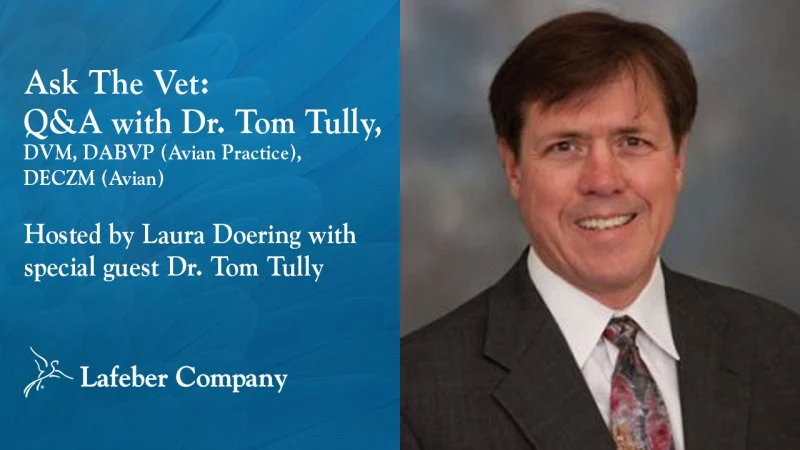
A complimentary, live, and interactive webinar designed to empower pet bird owners with expert veterinary insights is scheduled for Friday, May 15th, 2026. The event, titled "Ask the Vet," will feature renowned avian veterinarian Dr. Tom Tully, who holds dual diplomate status in Avian Practice from the American Board of Veterinary Practitioners (ABVP) and is a Diplomate of the European College of Zoological Medicine (ECZM) in Avian. The webinar is slated to commence at 12:00 p.m. PST, with participants encouraged to utilize a time zone converter to confirm local start times.
This significant educational initiative is being hosted by Laura Doering, a respected figure in avian publications, having formerly served as the editor of Bird Talk magazine and Birds USA magazine. Dr. Tully, a distinguished Professor and practicing veterinarian at the Louisiana State University (LSU) School of Veterinary Medicine, is an internationally recognized authority in avian medicine. His extensive credentials, including specialized certifications in both the United States and Europe, underscore the rarity and value of having direct access to his expertise.
The "Ask the Vet" webinar aims to bridge the gap between pet bird owners and specialized veterinary knowledge, addressing a wide spectrum of concerns related to pet bird health, nutrition, and overall care. Dr. Tully’s philosophy emphasizes the critical role of an informed owner in ensuring the well-being of their avian companions, a sentiment that drives the webinar’s interactive format. Attendees will have the opportunity to submit questions, which Dr. Tully will address in detail, drawing upon his profound understanding of bird physiology, behavior, and diseases, with a particular focus on parrots. The webinar seeks to clarify whether a bird’s issues stem from medical or behavioral origins and to guide owners in providing optimal dietary choices.
Background and Context of the Event
The increasing popularity of pet birds, particularly exotic species like parrots, has been accompanied by a growing demand for specialized veterinary care. While many pet owners are deeply committed to their avian companions, a significant challenge often lies in accessing timely and accurate veterinary advice. This is especially true for owners of birds, which can exhibit subtle signs of illness and have unique nutritional and environmental needs that differ significantly from more common household pets like dogs and cats.
The "Ask the Vet" webinar emerges from this need, providing a platform for accessible, expert-led education. The format is designed to demystify complex avian health topics and empower owners with the knowledge to recognize potential problems early, implement preventative care strategies, and make informed decisions regarding their bird’s well-being. The choice of Dr. Tom Tully as the featured expert is strategic; his extensive experience and academic affiliations position him as a leading voice in the field. His dual board certifications highlight a comprehensive understanding of avian health, encompassing both general practice and specialized zoological medicine.
The decision to offer the webinar free of charge is a testament to the organizers’ commitment to widespread education. This accessibility aims to remove financial barriers that might otherwise prevent bird owners from seeking or receiving valuable information. The timing of the event, a Friday afternoon, suggests an effort to accommodate a broad audience, potentially including those who can participate during a lunch break or at the end of their workday.
Chronology of the Event and Related Initiatives
While the specific genesis of this particular webinar is not detailed in the provided content, it is indicative of a broader trend in veterinary education and public outreach. Such initiatives often arise from a confluence of factors:
- Increased Awareness of Avian Health: Over the past few decades, there has been a significant rise in the understanding of avian physiology and the unique health challenges faced by pet birds. This has been driven by dedicated research, advancements in veterinary diagnostics and treatments, and the proliferation of specialized avian veterinarians.
- Growth of Online Educational Platforms: The internet and digital technologies have revolutionized how information is disseminated. Webinars, online courses, and virtual consultations have become increasingly common tools for educators and professionals to reach wider audiences.
- Commitment to Pet Welfare: Organizations and individuals dedicated to animal welfare, including veterinary associations and specialized pet product companies, often invest in educational programs to promote responsible pet ownership and improve the lives of animals.
The "Ask the Vet" webinar is scheduled for Friday, May 15th, 2026. This date is likely chosen to coincide with a period where many individuals might be more inclined to engage in educational activities, perhaps as the spring season progresses. The event’s structure, featuring a Q&A segment, implies a preparatory phase where questions are collected or submitted in real-time.

Historically, veterinary outreach programs have evolved from in-person seminars and workshops to the current digital landscape. The format of "Ask the Vet" reflects a modern approach, leveraging live video conferencing technology to simulate a direct interaction between an expert and a dispersed audience. The inclusion of a link for registration suggests a managed process for attendee management and communication, likely involving confirmation emails with webinar access details.
Supporting Data and Relevance
The importance of such educational webinars can be underscored by data related to pet bird ownership and common health issues. According to various pet ownership surveys conducted in North America and Europe, millions of households include pet birds. For instance, the American Pet Products Association (APPA) National Pet Owners Survey has consistently shown a significant percentage of households owning birds. While exact numbers fluctuate, the avian pet population represents a substantial segment of the overall pet market.
Common Health Concerns in Pet Birds:
- Nutritional Deficiencies: Inappropriate diets are a leading cause of illness in pet birds, leading to conditions like feather plucking, metabolic bone disease, and organ dysfunction.
- Respiratory Infections: Birds are susceptible to various respiratory ailments, often exacerbated by poor air quality, drafts, or exposure to pathogens.
- Behavioral Issues: Feather plucking, excessive vocalization, aggression, and self-mutilation can have underlying medical or environmental causes.
- Reproductive Disorders: In female birds, egg binding and other reproductive complications can be life-threatening.
- Trauma: Falls, accidents involving household items, and altercations with other pets can lead to injuries.
The webinar’s focus on differentiating between health-related and behavioral problems is particularly crucial. Owners may misinterpret signs of illness as behavioral quirks, delaying necessary veterinary intervention. For example, lethargy or changes in appetite can be subtle indicators of serious disease, while feather loss might be attributed to molting when it is, in fact, a symptom of stress or infection.
Dr. Tully’s specialization in parrot care is also noteworthy. Parrots, known for their intelligence and complex social needs, represent a significant portion of the pet bird population. Their unique requirements for mental stimulation, social interaction, and a species-appropriate diet make expert guidance invaluable. The fact that Dr. Tully answers questions in detail and shares his "vast knowledge" suggests an educational depth that goes beyond superficial advice, aiming to equip owners with a comprehensive understanding of their bird’s needs.
Official Responses and Endorsements (Inferred)
While direct statements from related parties are not provided, the nature of the event implies endorsements from various entities within the avian community.
- Louisiana State University School of Veterinary Medicine: As an institution that fosters veterinary education and research, LSU’s involvement through Dr. Tully’s participation lends significant credibility to the webinar. The university likely supports such outreach activities as part of its mission to disseminate knowledge and promote animal health.
- Lafeber Company (Implied Host/Organizer): The presence of Lafeber Company’s branding and image on the original content strongly suggests they are the primary organizer or a key sponsor of this event. Lafeber is a well-respected name in avian nutrition and veterinary care, known for its commitment to educating bird owners and veterinarians. Their involvement would indicate a strategic effort to provide high-quality, accessible information to their customer base and the broader pet bird community.
- Avian Veterinary Associations: Organizations like the American Association of Avian Veterinarians (AAAA) and the European Association of Avian Veterinarians (EAVS) would likely view such educational initiatives positively. They advocate for the advancement of avian medicine and the promotion of responsible pet ownership, aligning perfectly with the webinar’s objectives. Dr. Tully’s status as a diplomate in these fields means he is recognized by these professional bodies, and his participation would be seen as a valuable contribution to the field.
- Bird Enthusiast Groups and Societies: Local and national bird clubs, breed-specific organizations, and general pet bird societies often seek expert advice for their members. Webinars like this provide a valuable resource that can be shared within these communities, enhancing the knowledge base of their membership.
The fact that Dr. Tully believes "the educated bird owner is the best bird steward" is a core tenet that likely resonates with all these groups. It shifts the focus from reactive treatment to proactive care, which ultimately benefits the birds and reduces the burden on veterinary services.
Broader Impact and Implications
The "Ask the Vet" webinar, featuring Dr. Tom Tully, has several significant implications for the pet bird community and the field of avian veterinary medicine:
- Enhanced Pet Welfare: By providing direct access to expert advice, the webinar empowers owners to better understand and meet their birds’ needs. This can lead to earlier detection of health problems, more appropriate care, and ultimately, improved quality of life for countless pet birds. An informed owner is more likely to seek timely veterinary care, leading to better treatment outcomes and potentially saving lives.
- Increased Veterinary Engagement: The interactive nature of the webinar fosters a sense of connection between owners and the veterinary profession. It can demystify veterinary medicine and encourage owners to view their avian veterinarian as a partner in their bird’s health journey. This can lead to stronger client-veterinarian relationships and increased compliance with veterinary recommendations.
- Promotion of Preventative Care: Dr. Tully’s emphasis on education as the foundation of good stewardship highlights the importance of preventative medicine. By understanding proper nutrition, environmental enrichment, and signs of illness, owners can take steps to prevent many common health issues from arising in the first place. This not only benefits the bird but can also reduce the incidence of costly and stressful veterinary interventions.
- Dissemination of Specialized Knowledge: Dr. Tully’s extensive credentials, particularly his dual board certifications in Avian Practice and Zoologial Medicine (Avian), signify a deep and specialized level of expertise. Sharing this knowledge through an accessible webinar format allows this high-level information to reach a broader audience than might typically attend specialized veterinary conferences. This democratizes access to cutting-edge information.
- Raising Awareness of Avian Health Complexity: The webinar implicitly educates owners about the nuanced needs of birds. It encourages them to move beyond generic pet care advice and consider the specific biological and behavioral requirements of their avian companions. This is crucial for species like parrots, which are highly intelligent and have complex social and emotional needs.
- Model for Future Educational Initiatives: The success of this webinar could serve as a model for future online educational programs in avian health and other specialized veterinary fields. It demonstrates the effectiveness of leveraging digital platforms to deliver expert knowledge to a wide audience, fostering a more informed and responsible pet-owning community.
In conclusion, the "Ask the Vet" webinar represents a valuable contribution to avian pet care. By bringing together a leading avian veterinarian and an engaged audience, it aims to elevate the standard of care for pet birds through education, empowerment, and the promotion of proactive health management. The event is a testament to the growing recognition of the importance of avian health and the innovative ways in which veterinary expertise is being shared with the public.
