
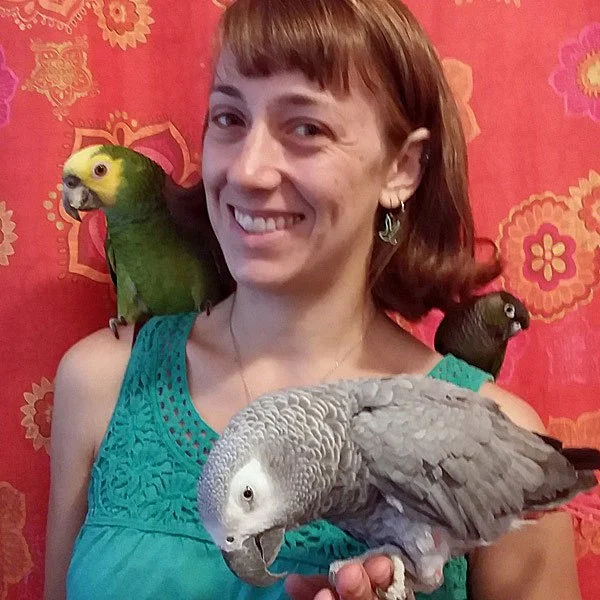
The ongoing commitment to advancing avian veterinary care continues with an upcoming webinar, "Avian Vet Insider – Avian Neoplasia, Part 2," scheduled for Friday, May 8th, 2026, at 12:00 p.m. PST. This in-depth session, presented by Dr. Stephanie Lamb, will serve as the concluding segment of a two-part series dedicated to understanding neoplastic disorders in birds. Building upon the foundational knowledge established in the first part, which explored common skin cancers and reproductive tract tumors, this installment will broaden its focus to encompass neoplastic conditions affecting other vital organ systems, notably the gastrointestinal tract. The webinar aims to equip avian veterinarians and enthusiasts with enhanced awareness and practical strategies for managing these complex health challenges in companion birds.
Background and Context of the Webinar Series
The "Avian Vet Insider" webinar series is a recognized platform for disseminating cutting-edge information and clinical insights within the avian veterinary community. Hosted by Lafeber Company, a prominent entity in avian nutrition and health, these sessions consistently attract a global audience of professionals seeking to deepen their expertise. The decision to dedicate two parts of the series to avian neoplasia underscores the growing prevalence and clinical significance of cancer in pet birds. Historically, discussions surrounding avian health have often focused on infectious diseases, nutritional deficiencies, and environmental stressors. However, as diagnostic capabilities improve and avian lifespans extend, neoplastic conditions are emerging as a more prominent cause of morbidity and mortality.
The first part of the "Avian Neoplasia" series, held previously, laid the groundwork by introducing fundamental concepts of cancer biology as it applies to avian species. Dr. Lamb, a respected figure in avian medicine, likely detailed the unique physiological characteristics of birds that influence tumor development and presentation. Discussions in the initial webinar would have covered the recognition of common skin lesions that may indicate malignancy, as well as the complexities of diagnosing and treating tumors arising from the reproductive organs. These areas are critical given the susceptibility of many pet bird species to such conditions, often influenced by factors such as age, genetics, and reproductive status.
Focus of "Part 2": Expanding the Scope of Avian Neoplasia
"Avian Vet Insider – Avian Neoplasia, Part 2" is designed to provide a comprehensive overview of neoplastic diseases beyond the scope of the initial session. The primary emphasis will be on the gastrointestinal (GI) tract, a system vital for nutrient absorption and overall health. Neoplasms in the GI tract of birds can manifest in various ways, ranging from benign polyps to aggressive adenocarcinomas and lymphomas. These conditions can present a diagnostic challenge due to the subtle nature of early symptoms and the limited accessibility for direct visualization and biopsy of many avian GI structures.
Dr. Lamb is expected to elaborate on the specific types of tumors that can affect the avian esophagus, proventriculus, ventriculus, small intestine, and cloaca. This will likely include discussions on the histological subtypes, common signalment (species, age, sex predispositions), and clinical signs associated with these tumors. Symptoms can be highly variable and may include weight loss, decreased appetite, vomiting or regurgitation, changes in droppings, abdominal distension, and lethargy. The webinar will likely delve into diagnostic approaches, such as imaging modalities (radiography, ultrasonography, CT scans), endoscopic evaluation, and histopathological examination of biopsy samples or surgical excisions.
Furthermore, the scope of "Part 2" may extend to other organ systems not covered in the initial webinar, potentially including respiratory tract neoplasia, hepatic and pancreatic tumors, or neurological neoplasms. The complexity of avian anatomy and physiology necessitates a system-by-system approach to fully appreciate the spectrum of neoplastic diseases.
Data and Trends in Avian Neoplasia
While comprehensive epidemiological data on avian neoplasia can be challenging to compile due to the diverse nature of pet bird ownership and varying levels of veterinary care accessed, available research and clinical observations point to an increasing recognition of these conditions. Studies from avian specialty hospitals and research institutions have highlighted specific tumor types and their prevalence in certain species. For instance, some studies have indicated a higher incidence of certain cancers in older birds, correlating with increased cellular damage and genetic mutations over time.

Species-specific predispositions are also a significant area of interest. For example, African Grey Parrots have been anecdotally reported to have a higher propensity for certain types of tumors, though robust statistical data is still being gathered. Similarly, budgerigars (Melopsittacus undulatus) have been known to develop various neoplasms, including lipomas, adenomas, and carcinomas. The genetic makeup of a bird, coupled with environmental factors and dietary influences, likely plays a role in susceptibility.
The advancement of diagnostic techniques has undoubtedly contributed to the perceived increase in diagnosed neoplasia. Improved imaging, more sophisticated laboratory analyses, and a greater willingness of owners to pursue diagnostic workups for their avian companions allow for earlier and more accurate identification of tumors. This trend is critical for improving patient outcomes.
Clinical Implications and Management Strategies
The implications of avian neoplasia for pet bird health are profound. Cancer can significantly impact a bird’s quality of life and survival. Early detection and accurate diagnosis are paramount for effective management. Dr. Lamb’s presentation is expected to provide insights into the current standards of care for avian cancer patients. This may include:
- Surgical Intervention: For localized tumors that are amenable to complete surgical resection, this remains a cornerstone of treatment. The webinar might discuss the technical challenges of avian surgery, such as anesthetic risks, anatomical considerations, and post-operative care.
- Medical Management: This can encompass chemotherapy, radiation therapy (though less commonly available for avian patients), and palliative care. The webinar may touch upon the types of chemotherapeutic agents used in birds, their potential side effects, and the importance of a multidisciplinary approach to treatment.
- Supportive Care: Managing the symptoms associated with cancer, such as pain, nausea, and nutritional deficits, is crucial for maintaining a bird’s well-being. This can involve pain management protocols, appetite stimulants, and nutritional support.
- Prognostic Factors: Understanding factors that influence the prognosis of avian cancer patients, such as tumor type, stage, grade, and the bird’s overall health status, is vital for setting realistic expectations for owners.
The webinar’s emphasis on awareness and understanding is particularly important. For many bird owners, the diagnosis of cancer in their beloved pet can be overwhelming. By providing clear, factual information about the disease, its presentation, and potential management options, veterinarians can empower owners to make informed decisions and provide the best possible care for their birds.
Timeline and Future Outlook
The webinar on May 8th, 2026, marks the culmination of this specific two-part series on avian neoplasia. However, the discussion and research into avian cancers are ongoing. The Lafeber Company’s "Avian Vet Insider" series is likely to continue exploring other critical aspects of avian health in future installments.
The trend towards increased recognition and improved management of avian neoplasia suggests a positive trajectory for avian veterinary medicine. As research progresses, we can anticipate:
- Enhanced Diagnostic Tools: Development of less invasive diagnostic techniques, such as advanced blood-based biomarkers for early cancer detection.
- Targeted Therapies: Exploration of more specific chemotherapeutic agents or immunotherapies that are effective against avian cancer cells with fewer systemic side effects.
- Improved Surgical Techniques: Refinement of surgical procedures and post-operative care to enhance the success rates of tumor removal.
- Greater Public Awareness: Continued education of bird owners about the signs of illness, the importance of regular veterinary check-ups, and the potential for neoplastic diseases.
The "Avian Vet Insider – Avian Neoplasia, Part 2" webinar represents a significant opportunity for the avian veterinary community to consolidate knowledge and enhance their ability to diagnose and manage cancer in birds. By sharing expertise and fostering a deeper understanding of these complex diseases, the webinar contributes to the overarching goal of improving the health and longevity of avian companions. The commitment to continuing education, as exemplified by this series, is crucial for advancing the field of avian veterinary medicine and ensuring that pet birds receive the highest standard of care.
