
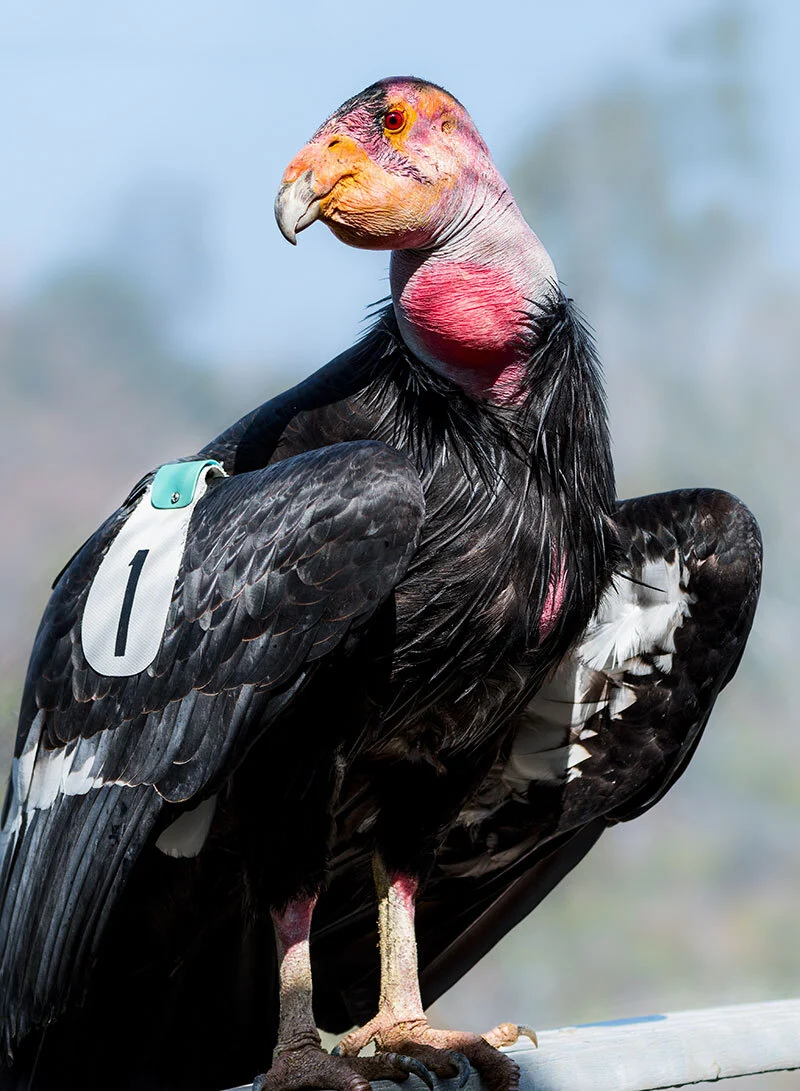
The Los Angeles Zoo is commemorating a monumental milestone: the sixtieth anniversary of Topa Topa, a male California condor whose life has become inextricably linked with the remarkable recovery of his critically endangered species. More than just an individual bird, Topa Topa represents a beacon of hope and a testament to decades of dedicated conservation efforts, embodying the resilience and potential for redemption in the face of near extinction. His journey from a weakened fledgling to a vital ambassador and breeding patriarch underscores the profound impact one animal can have on the survival of an entire species.
The Genesis of a Conservation Icon
Topa Topa’s story began sixty years ago when he was discovered as a one-year-old fledgling in a perilous state. Weighing a mere 17 pounds and exhibiting signs of severe malnutrition, his chances of survival in the wild were grim. Wildlife rehabilitators at the Los Angeles Zoo intervened, providing him with crucial care and ten days of intensive rehabilitation. The initial hope was to return him to his natural habitat, allowing him to rejoin the dwindling wild population. However, post-release monitoring revealed a stark reality: Topa Topa lacked the essential foraging skills typically learned from adult condors, a vital component for survival in the wild. Without adult guidance or mentorship, his prospects for independent survival were deemed exceptionally low. Consequently, Topa Topa was brought back to the Los Angeles Zoo, marking the beginning of his permanent residency and his eventual, pivotal role in the California Condor Recovery Program.
This decision to retain Topa Topa was not merely an act of compassion; it was a strategic move that would inadvertently lay the groundwork for the species’ future. At that time, the concept of a zoo housing a California condor was unprecedented. The Los Angeles Zoo became the first zoological institution globally to provide a protected environment for this majestic bird, a pioneering step in what would become a crucial conservation strategy.
A Species on the Brink: The Context of Condor Decline
The presence of Topa Topa within the confines of the zoo was a direct response to a catastrophic decline in the California condor population. By the mid-20th century, these magnificent birds, once soaring majestically over vast stretches of the western United States, had dwindled to alarmingly low numbers. Multiple factors contributed to this precipitous fall, including habitat loss due to development and agriculture, lead poisoning from ingesting ammunition fragments in carrion, and direct persecution by humans.
By 1982, the California condor was officially classified as critically endangered, with estimates suggesting fewer than 25 individuals remained in the wild. The situation was dire, prompting an urgent and comprehensive intervention. The critical turning point came in 1987 with the formal launch of the California Condor Recovery Plan. This ambitious initiative, spearheaded by state and federal wildlife agencies in collaboration with key zoological institutions like the Los Angeles Zoo and the San Diego Zoo, aimed to consolidate the remaining wild condors into a captive breeding program. The goal was to safeguard the species from imminent extinction while simultaneously working towards eventual reintroduction into carefully managed wild habitats.
Topa Topa’s Transformative Role: From Resident to Ambassador
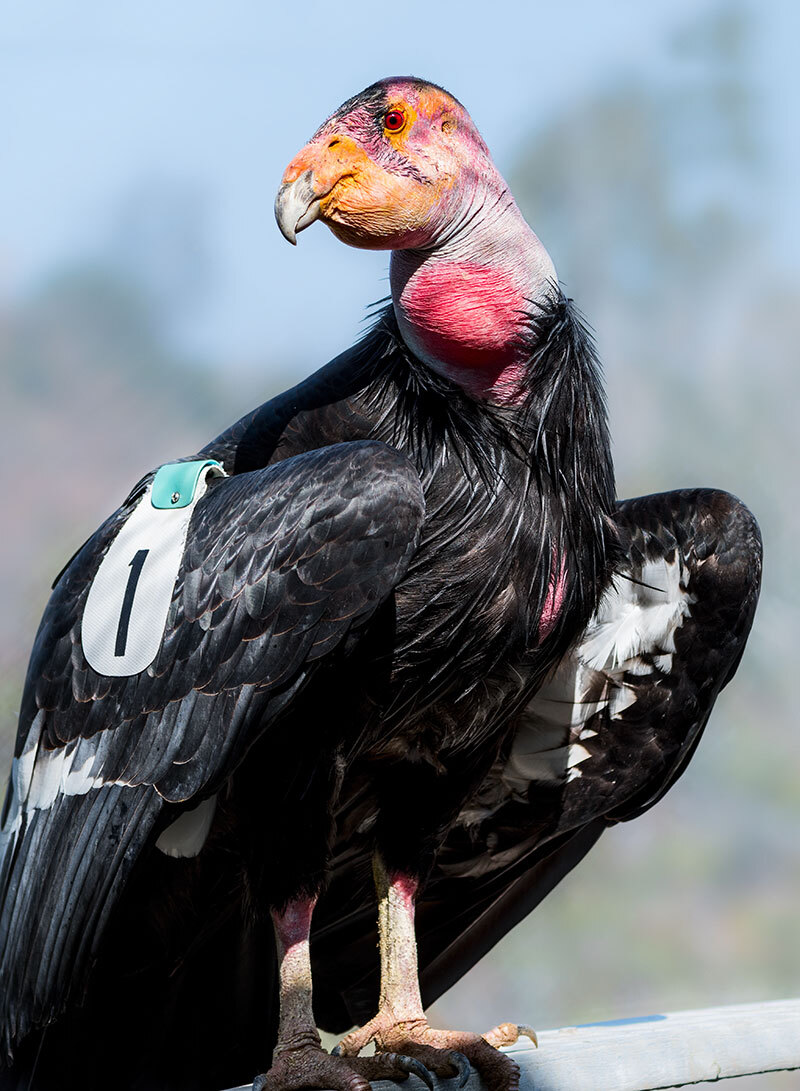
Upon his permanent arrival at the Los Angeles Zoo, Topa Topa transitioned from a rescued individual to an unwitting symbol of his species’ struggle. His consistent presence provided a unique opportunity for researchers and the public alike to study and understand the needs of these enigmatic birds. More importantly, Topa Topa became an invaluable educational ambassador. His story, the plight of his species, and the beauty of the California condor were brought to life for countless visitors. He gave a face and a narrative to a conservation crisis that might otherwise have remained abstract.
The true measure of Topa Topa’s legacy, however, lies in his profound contribution to the breeding program. In 1993, he fathered his first two chicks, a significant achievement that signaled the viability of captive breeding as a tool for species recovery. This initial success was the beginning of a remarkable lineage. Over the years, Topa Topa became a cornerstone of the breeding program, siring offspring who would themselves become vital participants in the effort to rebuild the condor population.
The breeding program’s overarching objective was to ensure that the chicks raised in captivity retained as much of their wild instincts as possible, minimizing dependence on human care. This was a delicate balancing act, requiring years of careful planning, specialized enclosure designs, and behavioral conditioning. Topa Topa, through his paternal influence and the established protocols surrounding his care and breeding, played an indispensable role in refining these methods. He provided a crucial link to the natural behaviors that the program aimed to preserve, guiding the development of future generations towards successful reintroduction.
A Sixty-Year Legacy: Quantifiable Impact
Topa Topa’s six decades with the Los Angeles Zoo represent more than just longevity; they signify a sustained and impactful contribution to conservation. The breeding program, initiated with a mere 27 birds in 1987, has seen an astonishing resurgence. Today, the global California condor population stands at over 600 individuals, a testament to the collaborative efforts of multiple institutions and the success of programs like the one Topa Topa has so profoundly influenced.
The impact of Topa Topa’s participation in the breeding program is staggering. He is directly or indirectly responsible for the lineage of approximately 100 birds currently within the captive breeding program. Furthermore, a remarkable 94 of his descendants are now thriving in the wild, a clear indicator of the program’s success in producing viable, self-sustaining condors. These reintroduced birds are monitored closely, contributing to scientific understanding and ensuring their continued adaptation to their natural environments.
Despite this extraordinary recovery, the California condor remains one of the rarest birds on Earth and is still listed by the International Union for Conservation of Nature (IUCN) as Critically Endangered. The challenges remain significant, including ongoing threats from lead poisoning, habitat fragmentation, and the need for continued vigilance and management. However, the progress achieved is undeniable, and Topa Topa’s role in this success is immeasurable.
Broader Implications and Future Outlook
The story of Topa Topa is not just about one condor; it is a powerful narrative about the efficacy of dedicated conservation strategies and the critical role of zoological institutions in species preservation. His sixty-year tenure highlights the long-term commitment required for conservation efforts to bear fruit. The transition from a species on the precipice of extinction to one with a growing population, albeit still endangered, offers a valuable model for other conservation initiatives worldwide.
The success of the California Condor Recovery Program, with Topa Topa as a central figure, underscores several key implications:
- The Importance of Captive Breeding: This program demonstrates that captive breeding, when executed with scientific rigor and a focus on reintroduction, can be a highly effective tool for preventing extinction.
- The Value of Zoological Partnerships: The collaboration between zoos and government agencies has been instrumental. Zoos provide the expertise, facilities, and resources necessary for intensive breeding programs, while government agencies offer regulatory oversight and manage reintroduction efforts.
- The Power of Long-Term Commitment: Conservation is not a short-term fix. Topa Topa’s sixty years represent a sustained effort that has spanned decades, requiring unwavering dedication from countless individuals.
- The Educational Impact of Individual Animals: Topa Topa’s role as an ambassador highlights how individual animals can connect the public to conservation issues, fostering empathy and support for wildlife protection.
Official Responses and Acknowledgements
While specific direct quotes from zoo officials at the time of Topa Topa’s rescue or early years are not available in the provided text, the overarching narrative strongly implies a deep sense of pride and gratitude. The Los Angeles Zoo’s ongoing commitment to Topa Topa and his species speaks volumes. One can infer that current zoo leadership and conservation staff view Topa Topa as a revered elder statesman of their conservation programs. A spokesperson for the Los Angeles Zoo might express sentiments such as: "Topa Topa is an extraordinary individual whose life has been a cornerstone of our commitment to saving the California condor. His journey from a struggling fledgling to a foundational patriarch of the species’ recovery is nothing short of inspiring. We are profoundly grateful for his sixty years of contribution and the enduring legacy he represents for conservation."
Similarly, officials from the U.S. Fish and Wildlife Service, which oversees the national recovery program, would likely acknowledge Topa Topa’s pivotal role. A representative might state: "The success of the California Condor Recovery Program is a testament to the dedication of partners like the Los Angeles Zoo and the incredible contributions of individuals like Topa Topa. His sixty years have witnessed a remarkable turnaround for a species once on the brink, and his genetic legacy continues to bolster wild populations. He is a living symbol of what is possible when science, dedication, and a commitment to nature converge."
A Lasting Tribute
Topa Topa, once a frail fledgling weighing just 17 pounds, has evolved into a monumental force for his species. His sixty-year existence at the Los Angeles Zoo has been far more than a life lived in captivity; it has been a life dedicated to ensuring the survival of the California condor. He has not only helped stave off extinction but has actively contributed to the species’ resurgence, making him an essential element in the remarkable comeback story of one of North America’s most iconic birds. The admiration he has earned is a reflection of his profound impact, a testament to the hope that even the most challenging conservation battles can be won with perseverance, scientific innovation, and the remarkable resilience of nature itself. Thank you, Topa Topa, for a legacy that soars.
