
Earth Day, observed annually on April 22nd since its inception in 1970, serves as a global testament to humanity’s collective commitment to safeguarding our planet. This pivotal day, now in its 54th year, mobilizes billions across every continent to reflect on and act upon critical environmental issues. While human efforts are paramount, the intricate tapestry of life on Earth relies on countless other species, many of which operate as unsung environmental heroes. Among these vital contributors, birds stand out for their remarkable and often underestimated roles in maintaining ecological balance. This Earth Day, we delve into the profound impact of several avian species, exploring how their unique behaviors and ecological functions contribute to a healthier planet.
The Global Significance of Earth Day
The establishment of Earth Day in 1970 marked a watershed moment in environmental awareness. Spearheaded by Senator Gaylord Nelson of Wisconsin, the first Earth Day was inspired by the growing concerns over air and water pollution. The movement tapped into a burgeoning counterculture and a widespread desire to address the detrimental effects of industrialization. The inaugural event saw an estimated 22 million Americans participate in rallies, educational programs, and community cleanups, demonstrating a powerful public demand for environmental protection. This grassroots success led to the creation of the United States Environmental Protection Agency (EPA) and the passage of landmark environmental legislation, including the Clean Air Act, the Clean Water Act, and the Endangered Species Act. Over the decades, Earth Day has evolved into a truly global phenomenon, coordinated by the Earth Day Network, which now boasts participation from over 190 countries. It remains a crucial platform for raising awareness, advocating for policy changes, and inspiring individual action towards environmental sustainability.
Hummingbirds: Tiny Wings, Monumental Ecological Impact
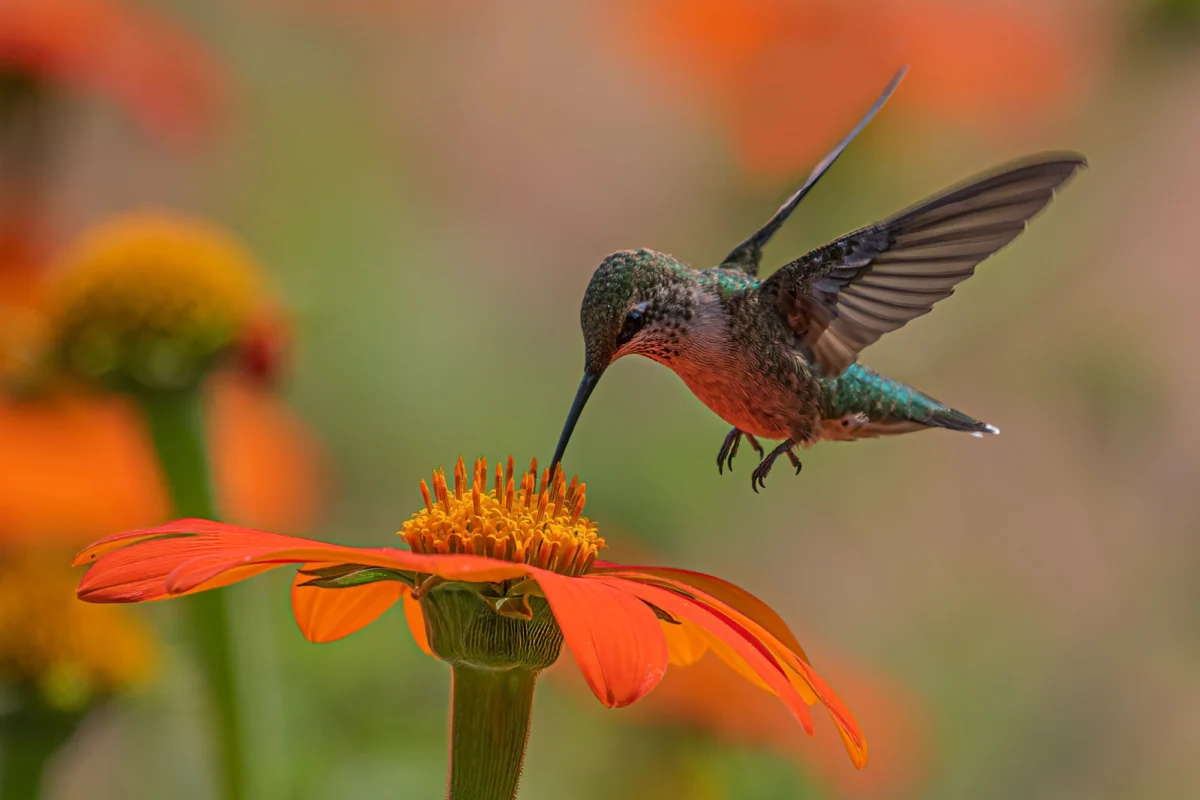
Hummingbirds, often admired for their iridescent plumage and astonishing aerial acrobatics, are far more than just beautiful curiosities. These diminutive birds, comprising over 360 species, are indispensable pollinators, playing a crucial role in the reproduction of countless plant species. Their specialized feeding habits, primarily on nectar, make them efficient vectors for pollen transfer. As they flit from one bloom to another, their long, slender beaks and specialized tongues collect and distribute pollen, facilitating the fertilization and subsequent seed production of numerous plants.
This pollination service is particularly critical in ecosystems where other vital pollinators, such as bees and butterflies, face challenges in their survival. Factors like habitat loss, pesticide use, and climate change have significantly impacted bee populations worldwide, making the contributions of hummingbirds even more pronounced. Their co-evolutionary relationships with specific plant species are a testament to the intricate web of life, where the survival of one species is inextricably linked to the health of another. For instance, certain tropical flowers have evolved shapes and colors specifically to attract hummingbirds, demonstrating a long-standing interdependence that promotes biodiversity.
Beyond pollination, hummingbirds serve as sensitive bioindicators of environmental health. Their high metabolism and specific dietary needs make them particularly susceptible to changes in their environment. Declines in hummingbird populations or shifts in their migratory patterns can signal broader ecological distress, such as habitat degradation or the effects of climate change. Research published in journals like Ecology Letters has highlighted how changes in flowering times due to warming temperatures can create a mismatch between hummingbird arrival and the availability of their food sources, impacting breeding success. According to a report by the National Audubon Society, some hummingbird species have already experienced significant population declines, underscoring the urgency of conservation efforts. The remarkable impact of these tiny creatures underscores the importance of preserving their habitats and mitigating environmental threats.
Vultures: Nature’s Indispensable Cleanup Crew
Often maligned and misunderstood, vultures are essential sanitation workers of the natural world, performing a critical service that prevents the spread of disease and maintains ecological balance. These large scavenging birds, characterized by their bald heads, are perfectly adapted for their role. Their lack of feathers on their heads and necks is a practical adaptation that prevents blood and bacteria from adhering to their plumage while feeding on carcasses, thereby reducing the risk of infection.
Vultures possess remarkably acidic digestive systems, capable of neutralizing dangerous pathogens and toxins found in decaying flesh that would be harmful, if not lethal, to most other animals, including humans. By consuming carcasses swiftly, they eliminate potential breeding grounds for disease-carrying insects and prevent the proliferation of bacteria that could contaminate soil and water sources. This vital role in decomposition helps to close nutrient cycles, returning essential elements to the ecosystem.
The ecological significance of vultures is widely documented. A study by the World Wildlife Fund (WWF) emphasized that the absence of vultures can lead to a surge in populations of disease-carrying rodents and feral dogs, posing significant public health risks. In parts of India, the widespread decline of vulture populations, largely due to the veterinary drug diclofenac (which is toxic to vultures), resulted in a dramatic increase in rabies cases transmitted by dogs, leading to an estimated tens of thousands of human deaths annually. This stark example illustrates the profound public health implications of losing these avian scavengers. Conservation efforts are underway globally to protect vulture populations from threats such as poisoning, habitat loss, and direct persecution. Their role as nature’s cleanup crew highlights an often-overlooked aspect of environmental stewardship.
Seabirds: Vital Connectors Between Land and Sea
The ability of birds to traverse vast distances not only connects continents but also bridges the critical divide between marine and terrestrial ecosystems. Seabirds, in particular, play a crucial role in nutrient cycling, acting as living conduits that transport vital elements from the ocean to land. Through their droppings, often referred to as guano, seabirds deposit significant amounts of nitrogen and phosphorus onto islands and coastal areas.
This nutrient influx is instrumental in enriching island soils, fostering the growth of lush vegetation. Healthier plant communities, in turn, provide essential habitats and food sources for a variety of terrestrial wildlife, contributing to the overall biodiversity and resilience of island ecosystems. The stabilization of habitats by robust vegetation also plays a role in preventing soil erosion, further preserving the integrity of these fragile environments.
A significant study published in Proceedings of the National Academy of Sciences found that seabird nutrient subsidies are crucial for maintaining the productivity of coastal ecosystems, even influencing the health of kelp forests and seagrass beds offshore. Research conducted by organizations like BirdLife International has shown that on remote islands, seabird guano can be the primary source of nutrients, supporting entire food webs. The loss of seabird colonies can lead to a decline in island vegetation, impacting the local fauna and increasing vulnerability to environmental disturbances. This connection between the ocean’s bounty and the land’s fertility, facilitated by seabirds, underscores their importance in maintaining the health of both marine and terrestrial environments.
Parrots: Dynamic Forest Gardeners
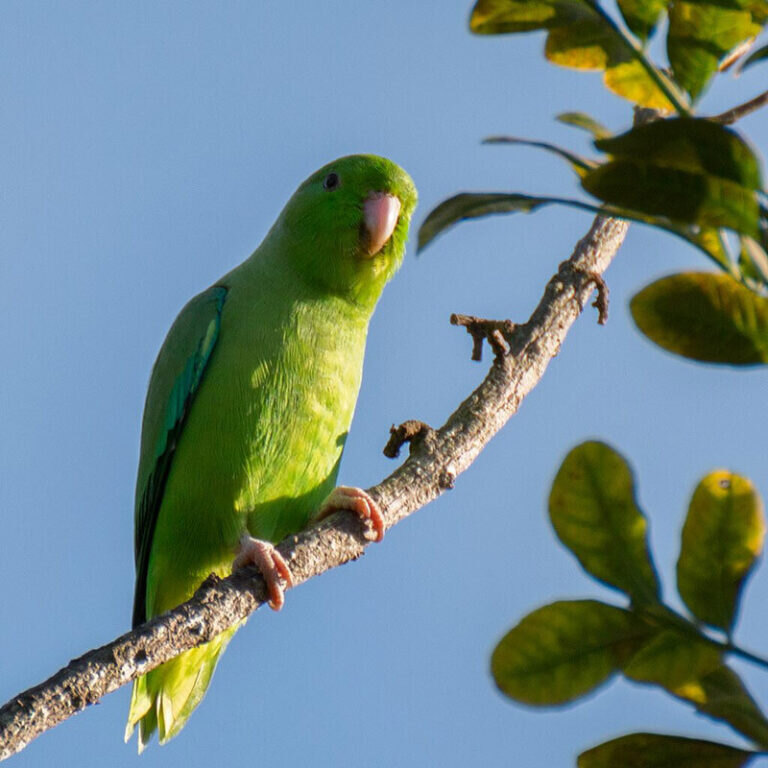
Parrots, renowned for their intelligence and vibrant colors, are also integral to the health and regeneration of forest ecosystems, acting as what researchers describe as "multilinkers." These versatile birds contribute to forest ecosystems in several critical ways: seed dispersal, pollination, and pest control.
As parrots forage for fruits and seeds, they inadvertently become agents of seed dispersal. They consume fruits and then travel considerable distances before excreting the seeds, often in new locations, which facilitates the natural regeneration and expansion of plant species. This "long-distance seed dispersal" is particularly valuable for species that rely on such mechanisms for wide-ranging colonization.
Furthermore, some parrot species contribute to pollination as they feed on nectar and pollen from certain flowers. Their feeding habits can also aid in pest control. In their natural habitats, many parrots consume insects, helping to regulate insect populations that could otherwise damage vegetation. A comprehensive study published in Frontiers in Ecology and the Environment highlighted the multifaceted role of parrots in seed dispersal, noting their capacity to move seeds further and to more diverse habitats than many other frugivorous animals. This ability is crucial for maintaining genetic diversity within plant populations and for enabling forests to adapt to changing environmental conditions. The movement of parrots across landscapes also facilitates the transfer of energy and nutrients between different ecological zones, further supporting the overall vitality of the ecosystem. Their role as forest gardeners is a testament to their complex ecological interactions.

Broader Implications and Conservation Imperatives
The ecological roles of hummingbirds, vultures, seabirds, and parrots are just a few examples of the myriad ways avian species contribute to planetary health. From the smallest hummingbird pollinating delicate flowers to the large vulture sanitizing the landscape, birds are indispensable partners in maintaining the delicate balance of our ecosystems. Their contributions are not merely beneficial; in many cases, they are essential for the survival of other species and the functioning of entire environmental systems.
The interconnectedness of these roles means that the decline of any one species or group can have cascading negative effects throughout an ecosystem. Habitat destruction, climate change, pollution, and unsustainable human practices pose significant threats to bird populations worldwide. The International Union for Conservation of Nature (IUCN) Red List of Threatened Species indicates that a significant percentage of bird species are facing an elevated risk of extinction.
As we continue to observe Earth Day and reflect on our responsibilities as stewards of the planet, it is crucial to recognize and support the vital work performed by these avian environmental heroes. Conservation efforts focused on protecting bird habitats, mitigating climate change, reducing pollution, and promoting sustainable land-use practices are not just about saving birds; they are about safeguarding the health and resilience of the natural systems upon which all life, including our own, depends. The continued study and appreciation of these birds’ ecological functions offer valuable insights into effective conservation strategies and underscore the profound importance of biodiversity for a healthy planet. The ongoing commitment to environmental protection, amplified by events like Earth Day, is essential for ensuring that these unsung heroes can continue their vital work for generations to come.
