
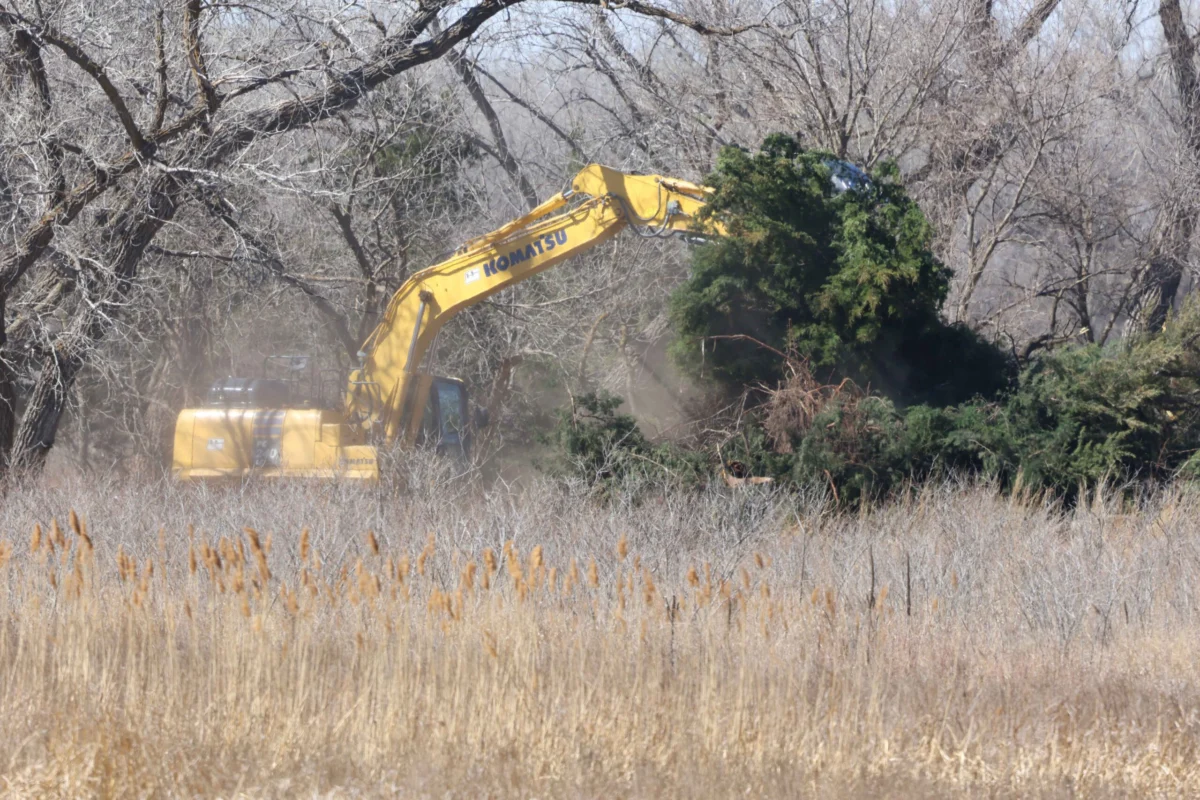
Nebraska, the proud birthplace of Arbor Day in 1872—an initiative that has since inspired countless tree-planting efforts nationwide—is currently witnessing a counterintuitive yet critically important environmental strategy: the strategic removal of trees. At the iconic Rowe Sanctuary along the Platte River, land managers are championing this seemingly paradoxical approach as a cornerstone of ecological restoration, aiming to enhance the health and resilience of one of North America’s most vital migratory bird corridors. While the sight of chainsaws in a conservation area might initially puzzle observers, understanding the unique ecological context of the central Platte River and its surrounding grassland ecosystems reveals the scientific imperative behind these recent endeavors.
The Platte River: A Biologically Unique Landscape Under Threat
The Platte River, recognized by the Nebraska Legacy Project as a Biologically Unique Landscape (BUL), is a hydrological and ecological marvel. It forms a critical nexus within the Central Flyway, a superhighway for millions of migratory birds traversing the continent. Each spring, the Platte’s wide, shallow, braided channels and adjacent wet meadows become an indispensable stopover for an astonishing array of species, including two of North America’s most imperiled avian travelers: the federally endangered Whooping Crane and the federally threatened Piping Plover. These species, along with Sandhill Cranes, various waterfowl, and shorebirds, depend on the river’s specific open, dynamic characteristics for roosting, foraging, and resting during their arduous migrations.
However, this invaluable ecosystem faces mounting challenges that threaten its integrity and the very species it supports. Among the most significant is woody encroachment, a phenomenon characterized by the aggressive spread of invasive and native but out-of-place woody plant species. Chief among these is the Eastern Red Cedar (Juniperus virginiana), a native species that, in the absence of historical disturbances like frequent fires and extensive bison grazing, has proliferated far beyond its historical range, transforming open grasslands and riparian zones into dense, monocultural thickets. Non-native shrubs also contribute to this ecological imbalance, collectively diminishing the open character that defines the Platte River landscape.
The Destructive Cycle of Woody Encroachment
The proliferation of species like Eastern Red Cedar dramatically alters habitat conditions, initiating a cascade of negative ecological impacts. Scientific studies have shown that dense cedar stands can reduce native plant diversity by as much as 90%, outcompeting grasses and forbs for sunlight, water, and nutrients. This loss of understory vegetation directly impacts the invertebrate and small mammal populations that form the base of the food web, subsequently affecting the birds and other wildlife that rely on them.
Beyond direct competition, Eastern Red Cedars fundamentally alter ecosystem function. Their dense canopy creates deep shade, preventing the growth of sun-loving native prairie plants. Their extensive, fibrous root systems are highly efficient at extracting soil moisture, leading to significant changes in local hydrology. This can reduce soil moisture levels, deplete groundwater reserves, and even diminish streamflow in smaller tributaries, impacting not only terrestrial species but also aquatic life that depends on stable water conditions. The altered hydrological cycle can exacerbate drought conditions and reduce the availability of critical wet meadows and ephemeral pools.
Furthermore, cedar encroachment increases the risk and intensity of wildfires. While historically, prairie fires were frequent and maintained open landscapes, dense cedar thickets act as "fuel ladders," allowing ground fires to climb into the canopy, transforming low-intensity burns into destructive crown fires that are far more damaging to the ecosystem and more challenging to control. This creates a positive feedback loop where fire suppression further encourages cedar growth, leading to more intense fires when they do occur. The loss of open habitats also impacts the hunting success of raptors and other predators, disrupting natural predator-prey dynamics.
A Strategic Restoration: The Rowe Sanctuary Project
Recognizing the severity of these threats, Rowe Sanctuary embarked on a multi-phase habitat restoration project earlier in the year, focusing on key riparian areas within its purview. This initiative, guided by extensive ecological research and planning, moved beyond simple removal to a nuanced, strategic approach designed to create a healthier, more balanced ecosystem.
Chronology of the Restoration Effort
The conceptualization of this project began years prior, with ongoing monitoring and ecological assessments revealing the accelerating pace of woody encroachment. By late winter and early spring, the planning phase transitioned into active implementation. Rowe Sanctuary’s dedicated habitat team, working in close collaboration with specialized contractors, initiated targeted removal efforts. This involved the use of various mechanical methods, including specialized mulching equipment and chainsaws, to efficiently clear dense stands of Eastern Red Cedar and other invasive shrubs. The timing of the removal was carefully chosen to minimize disturbance to migratory birds, primarily before the peak of spring migration and nesting season.
Following the initial clearing, the project shifts to the crucial phase of native plant community restoration. This involves preparing the disturbed soil and reseeding it with a diverse mix of native grasses and wildflowers (forbs) appropriate for the central Platte River region. Species like big bluestem, switchgrass, Indiangrass, and various coneflowers and milkweeds are reintroduced, aiming to re-establish the vibrant, biodiverse understory that once characterized these lands. This re-establishment is critical not only for supporting native insect populations but also for stabilizing soil, improving water infiltration, and enhancing the overall ecological resilience of the area.
A Mosaic Approach: Restoring Riparian Savannahs
A distinctive feature of Rowe Sanctuary’s project is its nuanced approach to tree removal. The goal is not a wholesale eradication of all woody vegetation but rather the creation of a mosaic landscape that reflects the Platte River’s historical ecological diversity. While invasive cedars and non-native shrubs are aggressively targeted, larger, native cottonwood trees (Populus deltoides) are intentionally preserved in specific areas. This selective retention aims to restore a "riparian savannah" ecosystem.
This concept is rooted in historical ecological evidence. Aerial imagery from as early as 1938, observed by Rowe Sanctuary staff, depicts small, wooded islands and scattered cottonwoods along the river corridor, particularly between present-day Kearney and Grand Island. This suggests that while vast open grasslands dominated, pockets of open-understory woodlands were also a natural component of the Platte’s diverse landscape.
The ecological rationale for maintaining these cottonwood-dominated savannahs is multifaceted. These larger trees provide essential habitat features, including:
- Nesting and Roosting Sites: Cottonwoods offer sturdy branches and cavities for nesting raptors, woodpeckers, and various songbirds.
- Perches: Elevated perches are crucial for predatory birds and insectivores to survey their surroundings for prey.
- Shade and Shelter: During hot Nebraska summers, cottonwoods provide vital shade for wildlife and can help regulate microclimates.
- Food Resources: While cedars offer limited food value, cottonwoods support a diversity of insects and provide some seed resources.
Species such as Great-Crested Flycatchers, Baltimore Orioles, and Red-headed Woodpeckers are among those expected to thrive in these restored riparian savannahs. Great-Crested Flycatchers are cavity nesters that prefer open woodlands with scattered large trees. Baltimore Orioles build elaborate hanging nests in the outer branches of tall trees and feed on insects and fruits. Red-headed Woodpeckers are omnivorous cavity nesters that prefer open woodlands with dead or decaying trees, which are often found in mature cottonwood stands. By selectively managing the understory to remain open, these ecosystems allow native grasses and wildflowers to flourish beneath the canopy, fostering a richer biodiversity than dense cedar thickets. This balanced approach ensures that the project supports a wider diversity of wildlife, including both open-country specialists and those that benefit from scattered woody cover.
Collaborative Funding and Partnerships
The ambitious scale and scientific rigor of Rowe Sanctuary’s restoration efforts underscore the necessity of robust financial and logistical support. These critical interventions have been made possible through a powerful coalition of conservation partners and significant funding.
The Nebraska Environmental Trust (NET) stands as a primary benefactor, providing substantial funding that directly underwrites the on-the-ground restoration work. NET, established by the Nebraska Legislature in 1992, is dedicated to preserving and enhancing the state’s natural resources and environmental quality. A spokesperson for NET, speaking on the importance of such initiatives, might emphasize, "The Rowe Sanctuary project exemplifies the critical role of active land management in restoring Nebraska’s invaluable natural heritage. Our investment reflects a commitment to science-based conservation that yields tangible benefits for wildlife and people, safeguarding the future of the Platte River."
Beyond NET, crucial support has also been extended by other key agencies and organizations, including Nebraska Game and Parks, which provides expertise in wildlife management and ecological restoration; the U.S. Fish and Wildlife Service, instrumental in protecting endangered species and their habitats; and the National Fish and Wildlife Foundation, a private non-profit organization that leverages public and private funds for conservation projects. These partnerships are vital, bringing together diverse expertise, financial resources, and a shared vision for the long-term health of the Platte River ecosystem. This multi-stakeholder approach ensures that the project benefits from a wide array of scientific knowledge and strategic planning.
Broader Impact and Implications
The benefits of the habitat restoration work at Rowe Sanctuary extend far beyond the immediate gains for wildlife. These projects contribute significantly to a broader range of ecosystem services and societal benefits, reinforcing the value of active conservation.
-
Enhanced Visitor Experience and Eco-tourism: Rowe Sanctuary is a globally recognized destination, drawing tens of thousands of visitors annually, particularly during the spring Sandhill Crane migration. Restored habitats, with their vibrant native plant communities and diverse wildlife, significantly enhance the visitor experience. The sight of healthy grasslands and functional riparian zones adds to the aesthetic appeal and provides more opportunities for wildlife viewing, strengthening Nebraska’s eco-tourism economy. Local businesses, from hotels to restaurants, benefit directly from the influx of visitors drawn by the beauty of the Platte River and its world-renowned crane migration. This economic impact reinforces the importance of ecological health for regional prosperity.
-
Living Classrooms for Environmental Education: The restored landscapes serve as dynamic "living classrooms," providing invaluable opportunities for environmental education. Students, researchers, and the general public can witness firsthand the principles of ecological restoration, learn about native plant and animal species, and understand the complex interdependencies within an ecosystem. Rowe Sanctuary’s educational programs connect people of all ages to conservation, fostering a deeper appreciation for the natural world and inspiring future generations of environmental stewards. This direct engagement helps to bridge the gap between scientific principles and public understanding, promoting a more informed and conservation-minded citizenry.
-
Ecosystem Services Beyond Biodiversity: The restoration of native plant communities and the improvement of hydrological functions provide critical ecosystem services. Healthy grasslands and riparian zones play a vital role in water quality improvement by filtering pollutants and sediment before they enter the river. They also enhance groundwater recharge, contributing to the overall water security of the region. Furthermore, robust native plant communities are more effective at sequestering atmospheric carbon, contributing to climate change mitigation efforts. The increased soil health and reduced erosion resulting from native vegetation establishment contribute to a more resilient landscape capable of withstanding extreme weather events.
-
A Model for Adaptive Management: The Rowe Sanctuary project stands as a compelling example of adaptive management in conservation. It demonstrates that effective conservation often requires active, informed intervention, even when those interventions seem counterintuitive. The project’s success provides a valuable blueprint for other land managers facing similar challenges of woody encroachment in grassland and riparian ecosystems across the Great Plains and beyond. It highlights the importance of scientific assessment, strategic planning, and collaborative partnerships in achieving meaningful, long-term conservation outcomes. The project’s nuanced approach, balancing open habitats with specific riparian savannahs, reflects a sophisticated understanding of historical ecology and future resilience.
Ultimately, Rowe Sanctuary’s strategic tree removal projects underscore a fundamental truth in contemporary conservation: merely protecting land is often insufficient. Active, science-based intervention is frequently required to reverse historical degradation and adapt to new ecological pressures. By meticulously removing invasive species and restoring native habitats, Rowe Sanctuary is not merely managing a parcel of land; it is ensuring that the Platte River ecosystem remains vibrant, resilient, and capable of supporting its extraordinary wildlife—and the people who cherish it—for generations to come. This enduring commitment to ecological health is a testament to the power of informed conservation.
