
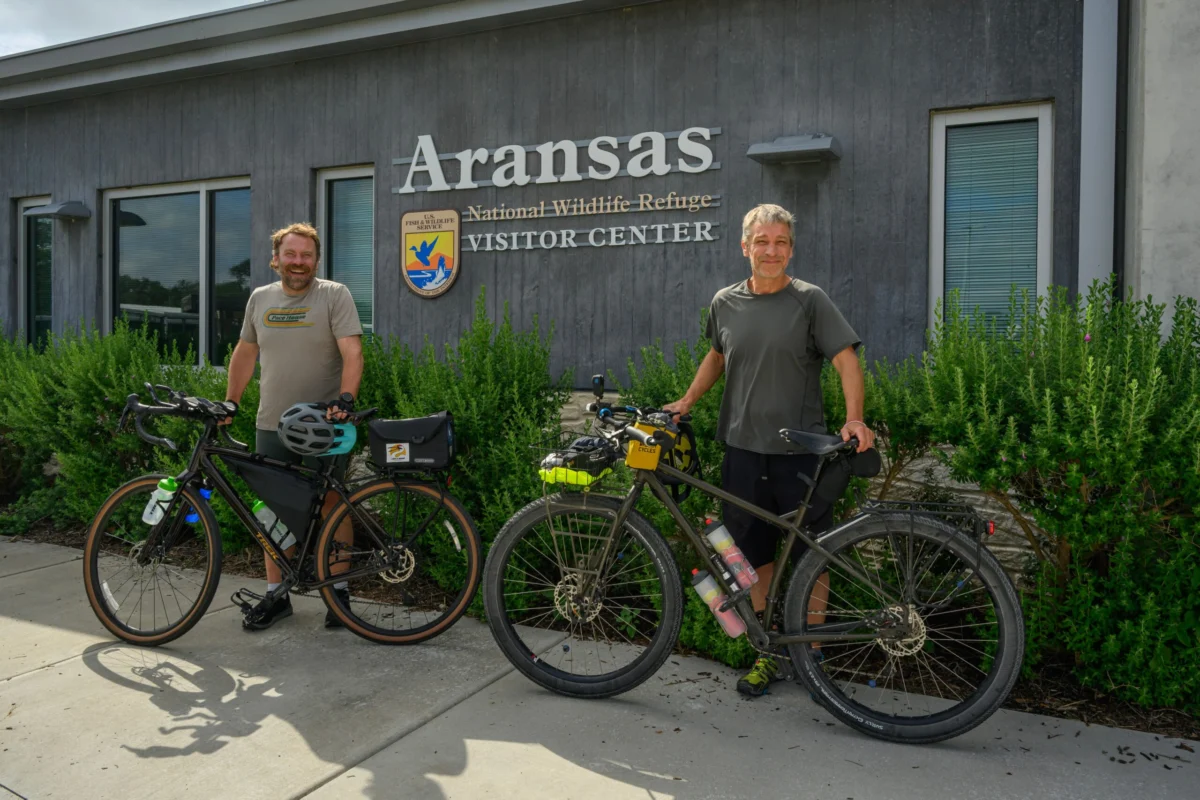
A monumental undertaking to spotlight the precarious journey of one of North America’s most endangered avian species is currently underway, as conservation photographer Mike Forsberg and ecologist Dr. Andy Caven embark on "Pedaling the Whooper Highway." This ambitious 2,500-mile, 50-day bicycle expedition, which commenced on May 11, 2026, from the Texas Gulf Coast, aims to trace the perilous migratory path of the Whooping Crane, culminating in central Saskatchewan. The initiative is a collaborative effort, shining a light on the critical conservation work carried out by organizations such as Rowe Sanctuary, Platte Basin Timelapse, and the International Crane Foundation, all united by a shared commitment to preserve the delicate ecosystems of the Central Flyway.
The Genesis of "Pedaling the Whooper Highway"
The inspiration for "Pedaling the Whooper Highway" stems from a profound dedication to the Whooping Crane ( Grus americana ), a species that teetered on the brink of extinction. The journey is not merely a physical feat but a deeply symbolic act, allowing its participants to viscerally experience the vast distances these magnificent birds traverse between their wintering grounds and nesting sites. For decades, conservationists have worked tirelessly to protect the Whooping Crane, whose population plummeted to a mere 15 individuals in the 1940s. While dedicated efforts have seen numbers slowly rebound, the species remains critically endangered, facing myriad threats across its extensive migratory corridor. This expedition seeks to elevate public consciousness regarding these challenges and the ongoing, intricate conservation strategies required for the species’ long-term survival. By physically mirroring the cranes’ arduous journey, Forsberg and Caven aim to foster a deeper understanding and empathy for the birds and the diverse habitats that sustain them.
The Central Flyway: A Lifeline for Migratory Species
The Central Flyway is one of four major migratory bird routes across the Americas, serving as a vital aerial highway for millions of birds each year. Stretching from the Canadian Arctic to the Gulf of Mexico, it funnels avian life through the heart of the Great Plains, encompassing vast expanses of grasslands, wetlands, and agricultural landscapes. For the Whooping Crane, specifically the Aransas-Wood Buffalo population, this flyway is their sole wild migratory route, linking their breeding grounds in Wood Buffalo National Park, Canada, with their wintering sanctuary at the Aransas National Wildlife Refuge on the Texas Gulf Coast.
This corridor is not exclusively for cranes; it is a biodiversity hotspot. Millions of Sandhill Cranes, along with numerous species of ducks, geese, shorebirds, raptors, and passerines, rely on the interconnected network of rivers, marshes, and prairies for food, rest, and shelter during their biannual migrations. The Platte River in Nebraska, a critical stopover point, exemplifies the importance of these habitats, providing essential foraging and roosting sites. However, the integrity of the Central Flyway is constantly threatened by habitat degradation, water depletion, agricultural expansion, urbanization, and the increasing pressures of climate change. The fragmentation of wetlands, conversion of native grasslands, and alteration of river flows directly impact the capacity of this flyway to support its dependent species, making initiatives like "Pedaling the Whooper Highway" crucial in advocating for its preservation. Data from organizations such as the U.S. Fish and Wildlife Service consistently highlight the continued decline in wetland acreage across the flyway, underscoring the urgency of sustained conservation efforts.
The Plight of the Whooping Crane: A History of Resilience and Peril
The Whooping Crane stands as a powerful symbol of wildlife conservation, its story a testament to both human impact and dedicated recovery efforts. Once widespread across North America, their population suffered catastrophic declines in the 19th and early 20th centuries due to unregulated hunting and extensive habitat loss. By the 1940s, the species reached its nadir, with only 15 individuals remaining in the wild. This critical juncture spurred unprecedented conservation action, leading to the establishment of protective legislation, habitat restoration programs, and captive breeding initiatives.
Today, two primary populations exist: the naturally occurring Aransas-Wood Buffalo population, which is the focus of Forsberg and Caven’s journey, and a reintroduced Eastern Migratory Population. The Aransas-Wood Buffalo population, while still critically endangered, has seen its numbers slowly climb to over 500 individuals in recent years, a remarkable recovery from its historical low. However, this progress remains fragile. The cranes face a multitude of ongoing threats throughout their migration. Collisions with power lines, a significant cause of mortality, pose a constant danger. Habitat loss and degradation, particularly along the Texas coast, threaten their vital wintering grounds. Climate change introduces new variables, impacting water availability, food sources, and extreme weather events. Diseases, such as avian influenza, also represent a potential catastrophic risk to the small, genetically limited population. The International Crane Foundation, a leading authority on crane conservation, estimates that continued vigilance and adaptive management strategies are essential to ensure the species’ long-term viability, emphasizing the need for robust policy frameworks and community engagement.
The Journey: A Chronology and Logistical Endeavor
The "Pedaling the Whooper Highway" expedition began on May 11, 2026, from the Texas Gulf Coast, specifically near the Aransas National Wildlife Refuge. Forsberg and Caven are traversing approximately 50 miles per day, pushing their physical and mental limits to cover the 2,500-mile distance over 50 days. Their route is meticulously planned to follow the general contours of the Whooping Crane’s migratory path, taking them through Texas, Oklahoma, Kansas, Nebraska, South Dakota, North Dakota, and eventually into the Canadian provinces of Manitoba and Saskatchewan.
The journey presents significant logistical challenges, ranging from navigating diverse terrain—from coastal plains to vast prairies—to enduring unpredictable weather conditions, including intense heat, strong headwinds, and potential storms. Each day involves not only the physical exertion of cycling but also the careful management of supplies, equipment, and outreach activities. The duo is expected to interact with local communities, conservationists, landowners, and schoolchildren along the way, sharing their experiences and gathering stories that illuminate the human connection to the land and its wildlife. This direct engagement is a core component of the awareness campaign, transforming an academic concept of migration into a tangible, human experience. The arrival in Nebraska, anticipated in early June, marks a significant milestone, coinciding with key events planned by local conservation partners.
The Visionaries Behind the Pedals
The expedition is spearheaded by two individuals whose careers epitomize the blend of art, science, and advocacy crucial for modern conservation.
Mike Forsberg is a Nebraska-based conservation photographer and the co-founder of Platte Basin Timelapse (PBT). For over seven years, Forsberg has immersed himself in the world of Whooping Cranes, utilizing his exceptional photographic skills and storytelling prowess to bring their narrative to a wider audience. His dedication has manifested in a critically acclaimed book, a compelling podcast series, and an upcoming feature-length film, all centered on the life and challenges of these iconic birds. Forsberg’s approach transcends mere documentation; he aims to forge an emotional connection between the public and the natural world, using powerful imagery and narrative to inspire action. His philosophy, as he articulates, is about fostering a sense of shared ownership: "I want everybody to feel a part of a community. These birds have a great story to tell. But it’s not just their story, it’s our story. This trip helps us to tell other people’s stories that we come in contact with along the way and lift them up." This sentiment underscores the participatory nature of the expedition, seeking to integrate local voices and perspectives into the broader conservation dialogue.
Dr. Andy Caven serves as the International Crane Foundation’s Director of Central Flyway Programs. His professional focus is deeply rooted in the scientific and policy aspects of crane conservation, particularly concerning Whooping Cranes, Sandhill Cranes, and their vital habitats. Dr. Caven brings a rigorous ecological perspective to the expedition, informed by extensive research and practical conservation delivery. His work involves collaborating with government agencies, landowners, and other non-profits to develop and implement effective strategies for habitat protection, population monitoring, and policy advocacy. His participation in "Pedaling the Whooper Highway" provides a unique opportunity to bridge the gap between scientific research and public outreach. From a scientific standpoint, Dr. Caven emphasizes that "this journey provides a unique opportunity to gather anecdotal evidence and direct observations of habitat conditions across the flyway, while simultaneously engaging with stakeholders whose daily lives intersect with these critical ecosystems. It’s a powerful way to translate data into direct experience and advocacy." Together, Forsberg’s artistic storytelling and Dr. Caven’s scientific expertise create a formidable force for conservation advocacy.
Community Engagement and Local Impact
A cornerstone of the "Pedaling the Whooper Highway" initiative is its commitment to community engagement along the entire migratory route. The expedition is designed not only to raise awareness but also to foster direct interaction with the people and organizations dedicated to conservation in the Central Flyway. Rowe Sanctuary, a key partner in this collaborative effort, is playing a pivotal role in facilitating public interaction as Forsberg and Caven enter Nebraska.
The sanctuary will host Mike and Andy on June 5, 2026, for a special Q&A presentation, offering the public a unique opportunity to hear firsthand accounts of their journey, insights into Whooping Crane conservation, and the broader ecological significance of the Central Flyway. Following this presentation, attendees are invited to participate in a 20-mile gravel bike-along, accompanying the duo on a segment of their journey to the Crane Trust. This interactive event provides a tangible connection to the expedition’s mission, allowing participants to experience a fraction of the distance covered by the cranes and the cyclists. The day’s events will conclude at 6:00 PM with a BBQ hosted by Crane Trust, requiring prior reservations. Such events are vital for building local support and translating abstract conservation goals into tangible community action. "Rowe Sanctuary is honored to host Mike and Andy," stated a representative from the sanctuary. "Their extraordinary journey embodies the spirit of collaboration and dedication that is essential for the future of the Whooping Crane. We believe that by bringing this story directly to our community, we can inspire a new generation of conservationists and reinforce the importance of protecting the Platte River and its inhabitants."
Broader Implications for Conservation
The "Pedaling the Whooper Highway" expedition carries profound implications beyond its immediate goal of raising awareness for Whooping Cranes. It serves as a powerful model for experiential conservation advocacy, demonstrating how personal commitment and innovative communication strategies can galvanize public support for environmental causes.
Firstly, the initiative underscores the critical role of public awareness campaigns in driving conservation success. While scientific research provides the foundation, widespread understanding and appreciation for endangered species are essential for sustained funding, policy changes, and community buy-in. By transforming the abstract concept of migration into a tangible, human-powered journey, Forsberg and Caven are making the Whooping Crane’s plight relatable and urgent.
Secondly, the expedition highlights the interconnectedness of ecosystems and the international nature of migratory species conservation. The challenges faced by Whooping Cranes in Texas are intrinsically linked to conditions in Saskatchewan, emphasizing the need for cross-border collaboration and consistent conservation policies across multiple jurisdictions. The stories collected from communities along the route will provide valuable qualitative data, revealing human perspectives on land use, water management, and wildlife coexistence—insights that can inform more effective, community-centric conservation strategies.
Finally, this journey reinforces the power of storytelling—through photography, film, and personal narrative—to bridge the gap between scientific data and public emotion. In an era saturated with information, compelling narratives like "Pedaling the Whooper Highway" cut through the noise, fostering a deeper emotional investment in the natural world. The anticipated feature-length film and ongoing media coverage will serve as enduring educational resources, inspiring future generations to become stewards of the environment. The initiative’s success could pave the way for similar experiential advocacy projects for other endangered species and critical habitats, demonstrating a scalable model for fostering ecological literacy and action. The long-term implications include potentially increased legislative support for habitat protection, enhanced funding for organizations like the International Crane Foundation and Audubon, and a more engaged citizenry prepared to advocate for the health of the Central Flyway.
How to Follow and Support
The public is encouraged to follow Mike Forsberg and Dr. Andy Caven’s incredible journey virtually through various platforms. Updates, photographs, and stories from the road are being shared regularly on social media channels associated with Platte Basin Timelapse, the International Crane Foundation, and Rowe Sanctuary. Detailed information about the expedition, including their current location, upcoming events, and ways to get involved, can be found on the respective organizations’ websites. Those interested in participating in the June 5th events at Rowe Sanctuary and Crane Trust in Nebraska are urged to register promptly, as space for the BBQ and bike-along may be limited. Registration details can be accessed via the link provided: https://act.audubon.org/a/agp-rowe-pedaling-whooper-highway. Beyond direct participation, individuals can support Whooping Crane conservation through donations to the International Crane Foundation, Audubon, and local conservation groups along the Central Flyway, or by engaging in advocacy for policies that protect wetlands and grasslands. Every pedal stroke and every shared story contributes to the enduring legacy of the Whooping Crane.
