
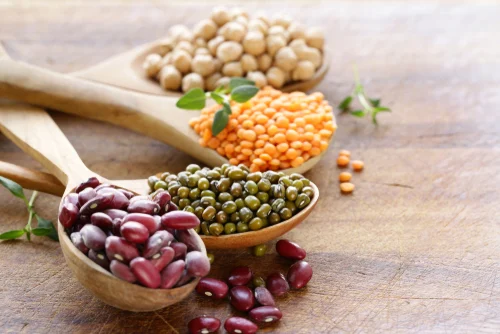
The consumption of raw or undercooked dried beans poses a severe and potentially lethal threat to backyard poultry due to the presence of a naturally occurring toxin known as phytohaemagglutinin. While beans are often considered a high-protein supplement for livestock, the failure to properly prepare these legumes can lead to rapid-onset gastrointestinal distress and high mortality rates in chickens. Avian experts and veterinary nutritionists emphasize that as few as three to four raw kidney beans can be fatal to an adult bird, making it one of the most dangerous common foodstuffs found in residential kitchens. This biochemical hazard stems from a class of proteins called lectins, which serve as a plant’s natural defense mechanism against insect predation but act as a potent poison when ingested by monogastric animals, including humans and poultry.
Understanding the Biochemical Risk: Phytohaemagglutinin and Lectins
Phytohaemagglutinin (PHA) is a type of lectin found in high concentrations in the seeds of many legumes, particularly in the common bean (Phaseolus vulgaris). In the plant kingdom, these proteins function as biological pesticides, deterring herbivores and insects from consuming the seeds before they can germinate. However, when a chicken consumes these beans in their raw, dried state, the PHA molecules bind to the carbohydrate moieties on the surface of the epithelial cells lining the digestive tract.

This binding process interferes with the bird’s ability to absorb nutrients and causes significant cellular damage. The toxicity is measured in hemagglutinating units (hau). For context, raw red kidney beans can contain between 20,000 and 70,000 hau, whereas fully cooked beans contain only 200 to 400 hau. Because chickens have a relatively fast metabolic rate and a sensitive digestive system, the impact of these toxins is accelerated. The presence of PHA causes the clumping of red blood cells (agglutination) and triggers a massive immune response that the avian body is often unable to withstand.
Clinical Manifestations and Mortality in Avian Subjects
The onset of symptoms following the ingestion of raw dried beans in chickens is typically rapid, often occurring within one to three hours of consumption. Owners of backyard flocks may observe a sudden decline in the health of their birds, characterized by extreme lethality. The primary clinical signs include severe nausea and lethargy, followed by projectile vomiting and profuse diarrhea. Because chickens cannot easily recover from the rapid dehydration and internal damage caused by PHA, the condition often progresses to organ failure.
Veterinary data suggests that the mortality rate for chickens that consume raw red kidney beans is alarmingly high. Unlike larger mammals, which might experience a period of intense illness followed by recovery, the small body mass of a chicken means that a toxic dose is easily reached. A single raw bean contains enough lectin to cause significant distress, and the consumption of a small handful—often provided by well-meaning but uninformed owners—can decimate an entire flock within 24 to 48 hours.

Chronology of Awareness: From Traditional Farming to Modern Backyard Keeping
The knowledge regarding bean toxicity has existed in agricultural circles for decades, but the recent surge in backyard chicken keeping has brought the issue back to the forefront of avian safety.
- Early Agricultural Research: In the mid-20th century, as soy and legume-based feeds became standard in the poultry industry, researchers identified that heat treatment was essential to neutralize "anti-nutritional factors" in beans.
- The Rise of Small-Scale Flocks (2010–Present): With the globalization of information and the trend toward sustainable home food production, more households began keeping chickens. This led to an increase in "table scrap" feeding, inadvertently exposing birds to raw kitchen waste.
- Modern Expert Intervention: Experts like Lisa Steele of Fresh Eggs Daily have spent nearly two decades codifying these safety protocols for the modern hobbyist. The current consensus among five-generation farmers and avian veterinarians is a "zero-tolerance" policy for raw dried beans in the coop.
- Current Guidelines: As of 2024, leading poultry organizations list raw beans alongside chocolate, caffeine, and avocado pits as the primary dietary hazards for domestic birds.
Standardized Preparation Protocols for Safe Consumption
While raw beans are toxic, they are not inherently "bad" for chickens once the chemical structure of the PHA protein has been denatured by heat. To transform a hazardous dried bean into a safe, protein-rich treat, a specific multi-step preparation protocol must be followed.
The Soaking Phase
Dried beans must be soaked in cold water for a minimum of 12 to 15 hours. This process begins to leach some of the water-soluble lectins out of the seed coat. However, soaking alone is insufficient to make the beans safe. The water used for soaking becomes a concentrated solution of toxins and must be discarded immediately. Under no circumstances should this soaking water be used for cooking or provided to animals.

The Rinsing and Boiling Phase
After soaking, the beans must be rinsed thoroughly under high-pressure running water. The final and most critical step is the boiling process. The beans must be placed in fresh water and brought to a rolling boil (212°F or 100°C) for at least 10 to 30 minutes. It is a common misconception that slow cookers or "crock pots" are sufficient for this task. Scientific studies have shown that slow cookers often do not reach a high enough temperature to destroy PHA; in fact, heating beans to only 175°F (80°C) can actually increase their toxicity levels fivefold. Only sustained boiling guarantees the total breakdown of the toxin.
Cooling and Serving
Once boiled and softened, the beans should be allowed to cool completely. At this stage, they are a safe source of fiber and protein. However, they should still be fed in moderation as part of a balanced diet to avoid displacing the essential nutrients found in high-quality layer pellets.
Analysis of Safe Alternatives and Exceptions
Not all legumes carry the same risk profile as dried kidney beans, though the "safety first" approach is recommended for all dried varieties. Understanding the nuances between different bean types can help poultry keepers manage their flocks more effectively.

Canned Beans: These are generally considered safe because the commercial canning process involves high-pressure steam and high-temperature cooking, which neutralizes lectins. However, canned beans are often packed in a brine high in sodium. Excessive salt intake can lead to kidney failure in chickens. Therefore, canned beans must be rinsed thoroughly to remove salt before being served to the flock.
Fresh Legumes: Fresh green beans, snap peas, and Lima beans picked directly from the garden are safe for chickens to consume raw. The concentration of PHA in the green, immature pods is negligible compared to the concentrated levels found in the mature, dried seed.
Sprouted Beans: There is significant debate regarding sprouted beans. While the process of germination can reduce lectin levels in some varieties (such as mung beans or lentils), it does not reliably eliminate the danger in others, particularly kidney beans. Given the high stakes of avian mortality, experts recommend boiling even sprouted beans if they are from a high-lectin variety.

Broader Implications for Sustainable Poultry Management
The risk of bean toxicity highlights a broader challenge in the movement toward sustainable, "zero-waste" farming. As more individuals seek to reduce food waste by feeding kitchen scraps to their livestock, the need for nutritional literacy becomes paramount. The accidental poisoning of a flock represents not only an animal welfare crisis but also an economic loss for the small-scale producer.
Furthermore, this issue intersects with biosecurity. Birds weakened by sub-lethal doses of toxins are more susceptible to environmental pathogens, such as avian influenza or coccidiosis. Maintaining a "clean" diet is therefore a fundamental pillar of flock immunity.
The consensus among the agricultural community is clear: while chickens are omnivores capable of processing a wide variety of foods, the biological defense mechanisms of the Phaseolus vulgaris plant are highly effective and unforgiving. By adhering to strict preparation standards—or by opting for safer fresh or canned alternatives—poultry keepers can ensure their birds remain healthy and productive. The education of the public remains the most effective tool in preventing avoidable deaths in backyard coops, ensuring that the tradition of home-raised poultry continues safely for generations to come.
