
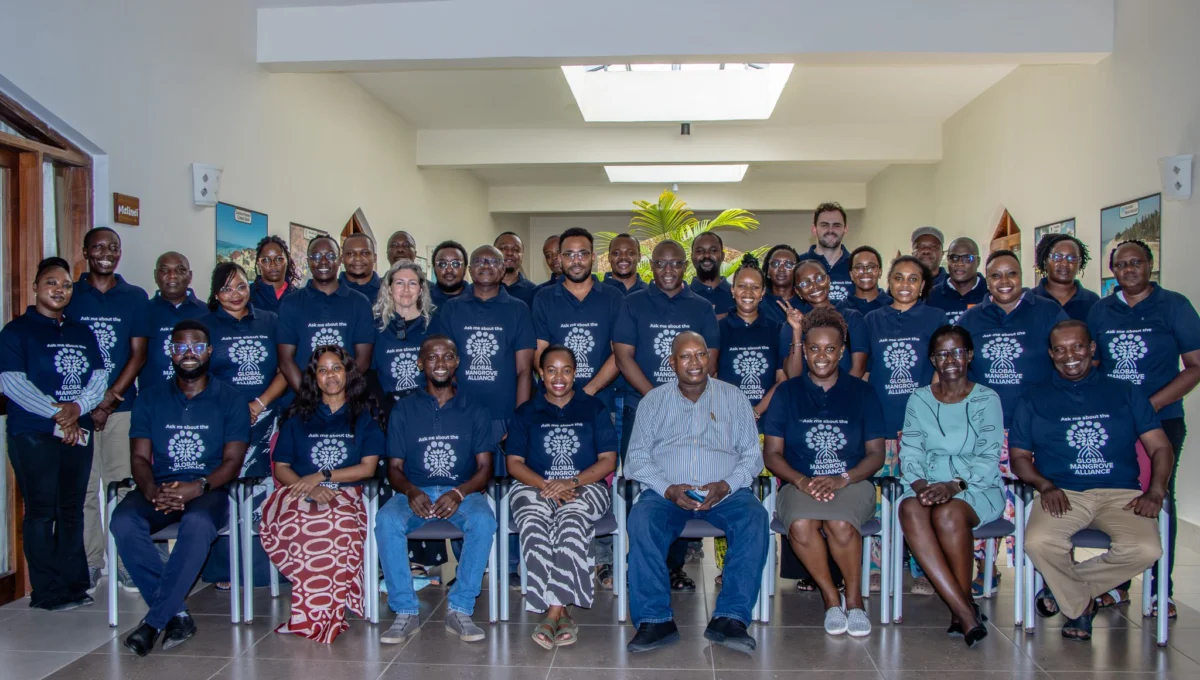
A pivotal gathering in Kenya has initiated the Kenya Mangrove Champions Initiative, a groundbreaking collaborative effort aimed at revolutionizing mangrove restoration through science-based, community-driven approaches. The workshop, hosted by Wetlands International and the Global Mangrove Alliance in Kenya, convened a diverse array of stakeholders, including mangrove practitioners, community leaders, youth advocates, technical experts, government representatives, and non-governmental organizations. This initiative signifies a crucial step in amplifying the impact of mangrove restoration by fostering a connected network of local leaders and practitioners.
The urgency for robust and effective mangrove restoration strategies has never been greater. Mangrove ecosystems, vital for coastal protection, biodiversity, and carbon sequestration, are under increasing threat from climate change, unsustainable development, and pollution. Global investment and ambition in mangrove restoration are on the rise, yet the success of these endeavors hinges on their ability to be deeply rooted in local realities and driven by the very communities that depend on these ecosystems. The Kenya Mangrove Champions Initiative seeks to bridge this gap, ensuring that restoration efforts are not only scientifically sound but also culturally relevant, economically beneficial, and socially equitable.
Building a Network for Sustainable Mangrove Restoration
The core objective of the Mangrove Champions Initiative is to cultivate a connected community of practitioners capable of moving beyond conventional, often short-lived, restoration projects. The emphasis is on developing sustainable and community-driven initiatives that acknowledge the unique ecological, social, economic, and cultural contexts of each mangrove landscape. Participants at the workshop underscored that effective mangrove restoration cannot be divorced from the livelihoods, cultural identities, and governance structures of local communities.
Central to this endeavor is the recognition and empowerment of "Mangrove Champions"—local leaders who are already at the forefront of driving change within their respective landscapes. Their invaluable lived experience, coupled with scientific and technical expertise, is deemed indispensable for designing restoration approaches that are both effective and enduring. The initiative aims to harness this synergy, creating a powerful alliance between grassroots knowledge and scientific understanding.
The Global Mangrove Alliance, which boasts national chapters worldwide, has been instrumental in supporting effective mangrove conservation and restoration at national levels. The Kenya chapter, through this initiative, is now bringing together a comprehensive spectrum of stakeholders to collectively learn and implement best practices in mangrove restoration. This collaborative framework is designed to foster a dynamic and interconnected network of practitioners across various sites, united by a commitment to continuous learning, robust collaboration, and grounded, locally-rooted action.
Elena Roddom of Wetlands International remarked on the profound value of the workshop, stating, "This experience was so valuable; all participants were so committed and keen to learn from each other. People felt very comfortable sharing their local experience and expertise. As a result, established mangrove restoration experts, researchers, and government actors learned from young mangrove champions and community leaders who are testing experimental approaches in the field, and vice versa." This sentiment highlights the reciprocal nature of learning and the importance of valuing diverse knowledge systems in conservation.
Field-Based Learning: The Power of Restoration Expeditions
A cornerstone of the Kenya Mangrove Champions Initiative is the organization of locally grounded mangrove restoration expeditions. These immersive field-based learning experiences are designed to bring theoretical knowledge to life and facilitate practical problem-solving. The inaugural expedition is scheduled to take place in Kwale County, situated near the bustling coastal city of Mombasa.
These expeditions will bring together Mangrove Champions, technical experts, NGOs, and government implementation agencies, such as the Kenya Forest Service, at active restoration sites where members of the Global Mangrove Alliance Kenya are actively engaged in mangrove restoration work. The expeditions are envisioned as dynamic, participatory learning environments where participants can openly discuss challenges, uncertainties, and hard-won lessons learned. The goal is to translate the classroom into the field, fostering a comfortable and conducive atmosphere for knowledge exchange and collaborative analysis.
During these expeditions, participants will collectively analyze ecological conditions, evaluate different restoration methodologies, and dissect implementation challenges directly within the restoration landscapes. A significant focus will also be placed on exploring effective and respectful engagement strategies with local communities. This includes joint reflection on local realities, encompassing power dynamics, community priorities and traditional knowledge, governance contexts, and the critical importance of engaging stakeholders beyond immediate community leadership.
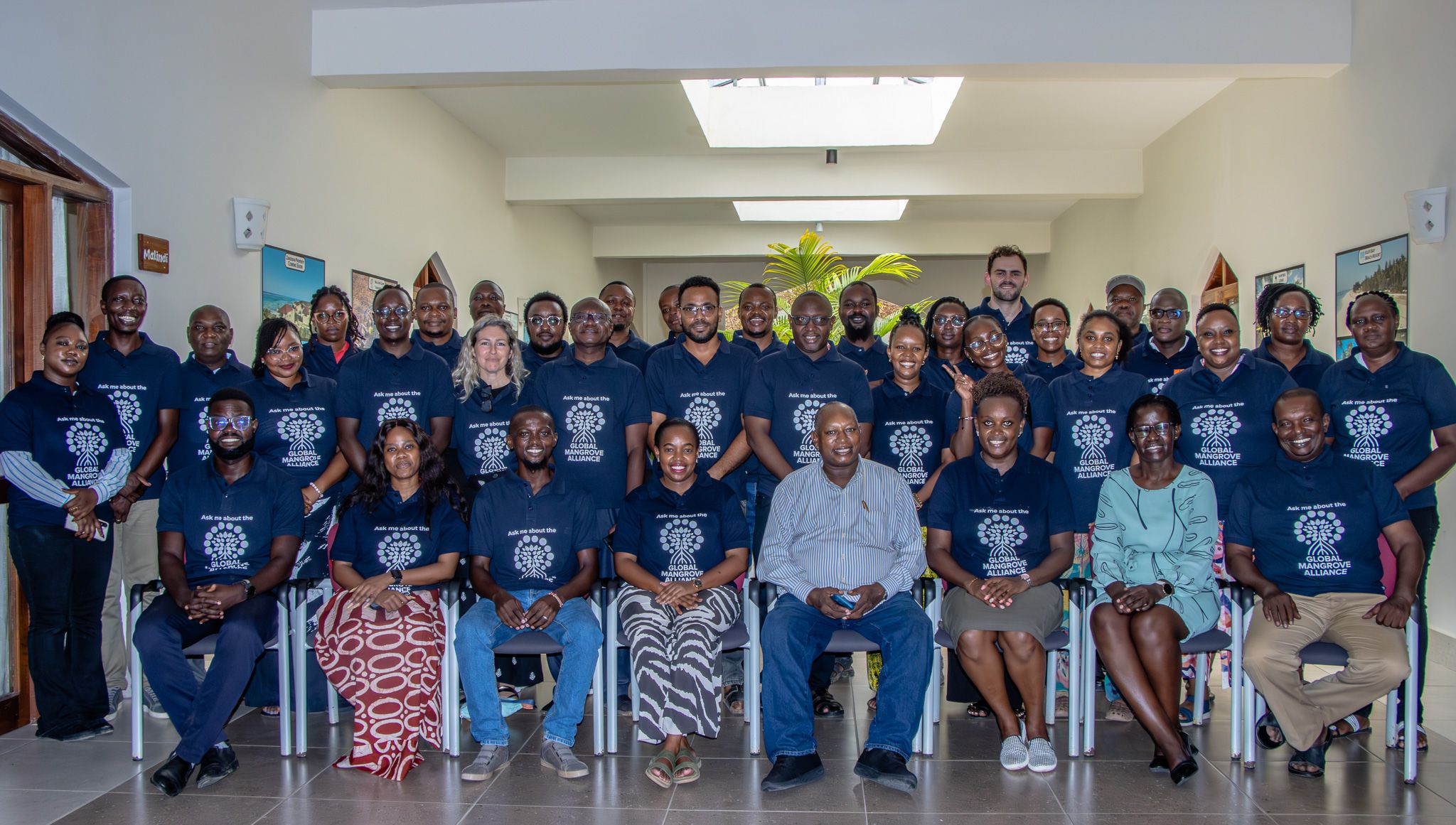
The expeditions are strategically designed to bolster both ongoing and future mangrove restoration projects in Kenya. Beyond immediate project enhancement, they aim to contribute to broader systemic changes that amplify the impact of mangrove restoration at scale. These expeditions are intended to transcend mere knowledge exchange, fostering behavioral change across the restoration sector by elevating the quality of restoration efforts, promoting collaborative learning, and embedding field-informed decision-making into practice.
A Foundation for Scalable Impact
Throughout the workshop, participants consistently emphasized the critical need for continuous reflection and cross-learning, not only within Kenya but also across international projects and countries. Key questions emerged regarding the methodologies for gathering meaningful data in contexts where baseline information may be scarce, how insights from one expedition can effectively inform another, and how compelling storytelling can contribute to a broader narrative of impact without sacrificing the nuanced realities of local contexts.
The workshop in Kenya serves as the foundational step for a more expansive effort to scale the Mangrove Champions Initiative across other countries and priority landscapes globally. The ambition is to cultivate a globally connected yet locally grounded community of practice. In this envisioned ecosystem, restoration knowledge will flow freely across diverse landscapes, and the future of mangrove restoration will be shaped as profoundly by local experience and leadership as it is by scientific advancement and global ambition.
Supporting Data and Context
Mangrove forests are among the most productive ecosystems on Earth, providing critical services valued at billions of dollars annually. Globally, they sequester up to 10 times more carbon per unit area than terrestrial forests, playing a vital role in climate change mitigation. They also act as natural barriers against storm surges and coastal erosion, protecting millions of people living in coastal communities.
Despite their immense value, mangrove ecosystems are disappearing at an alarming rate. Estimates suggest that between 20% and 35% of global mangrove cover has been lost since the 1980s, primarily due to aquaculture expansion, coastal development, and unsustainable resource extraction. This loss has profound implications for biodiversity, coastal resilience, and the livelihoods of communities dependent on mangrove resources.
The Global Mangrove Alliance, a coalition of governments, NGOs, and research institutions, aims to restore and protect 350 million hectares of mangroves by 2030. Initiatives like the Kenya Mangrove Champions Initiative are crucial for achieving these ambitious targets by ensuring that restoration efforts are effective, sustainable, and aligned with local needs and aspirations.
Broader Implications and Future Outlook
The success of the Kenya Mangrove Champions Initiative has significant implications for the future of coastal ecosystem restoration globally. By prioritizing local leadership and integrating traditional knowledge with scientific expertise, the initiative offers a replicable model for other countries facing similar challenges. The focus on experiential learning through expeditions ensures that practitioners gain practical skills and develop a deeper understanding of the complexities involved in successful mangrove restoration.
The emphasis on building a connected community of practice is particularly important. In an era of rapid environmental change, the ability to share lessons learned, adapt strategies, and foster innovation collectively is paramount. The initiative’s commitment to cross-learning between projects and countries will enable a more agile and responsive approach to conservation challenges, ensuring that interventions are informed by a diverse range of experiences and contexts.
As the initiative expands, it has the potential to not only restore degraded mangrove ecosystems but also to empower coastal communities, enhance their resilience to climate change impacts, and create sustainable livelihood opportunities. The ultimate goal is to foster a paradigm shift in mangrove restoration, moving from top-down approaches to a more inclusive, equitable, and effective model driven by those who are closest to these vital natural resources. The Kenya Mangrove Champions Initiative is a testament to the power of collaboration and local leadership in safeguarding our planet’s critical coastal ecosystems.
