
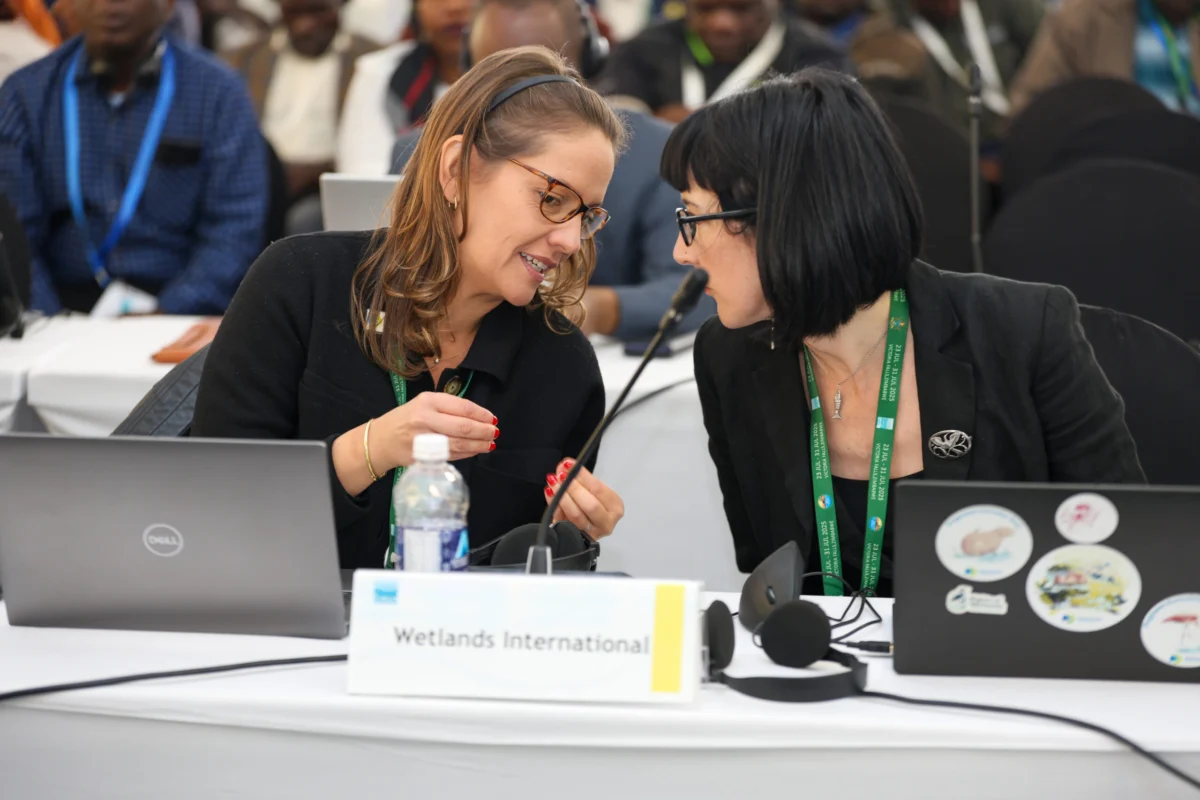
Switzerland — The Standing Committee of the Ramsar Convention on Wetlands, meeting in Switzerland, has made significant strides in advancing the global agenda for wetland conservation and wise use. The gathering, held on the shores of Lake Geneva, a designated Wetland of International Importance, served as a crucial intersessional meeting following the 15th Conference of the Parties (COP15) held in Victoria Falls, Zimbabwe, in July of the previous year. This committee meeting is instrumental in maintaining momentum and ensuring accountability between the high-profile COPs, the next of which is scheduled for June 2028 in Panama City.
Key Decisions and Framework Adoption
A major achievement of the Standing Committee (SC67) was the adoption of the Indicator Framework for the 5th Strategic Plan (2025-2034). This framework is a critical follow-up to the commitments made at COP15 in Zimbabwe and represents a significant success for the Scientific and Technical Review Panel (STRP), which developed the framework. The swift adoption underscores the urgency and collaborative spirit driving global wetland action. The framework is designed to guide and measure progress towards the ambitious goals set for wetland protection, restoration, and sustainable management over the next decade.
International Organisation Partners (IOPs) Mobilize for Action
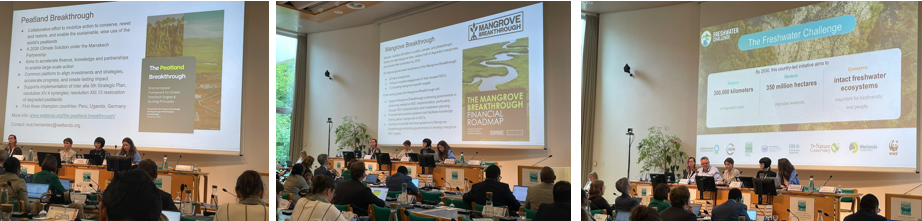
The International Organisation Partners (IOPs) of the Ramsar Convention – Birdlife International, the International Water Management Institute (IWMI), the International Union for Conservation of Nature (IUCN), Wetlands International, the World Wide Fund for Nature (WWF), and the Wildfowl and Wetlands Trust (WWT) – provided a comprehensive update on their collective support for the implementation of the 5th Strategic Plan. These organizations highlighted their crucial role in delivering on the COP15 mandate, emphasizing their collaborative efforts on three vital voluntary global initiatives: the Freshwater Challenge, the Mangrove Breakthrough, and the Peatland Breakthrough. These initiatives aim to accelerate action on critical wetland types and address the drivers of their degradation.
GeoWetlands Initiative Gains Momentum
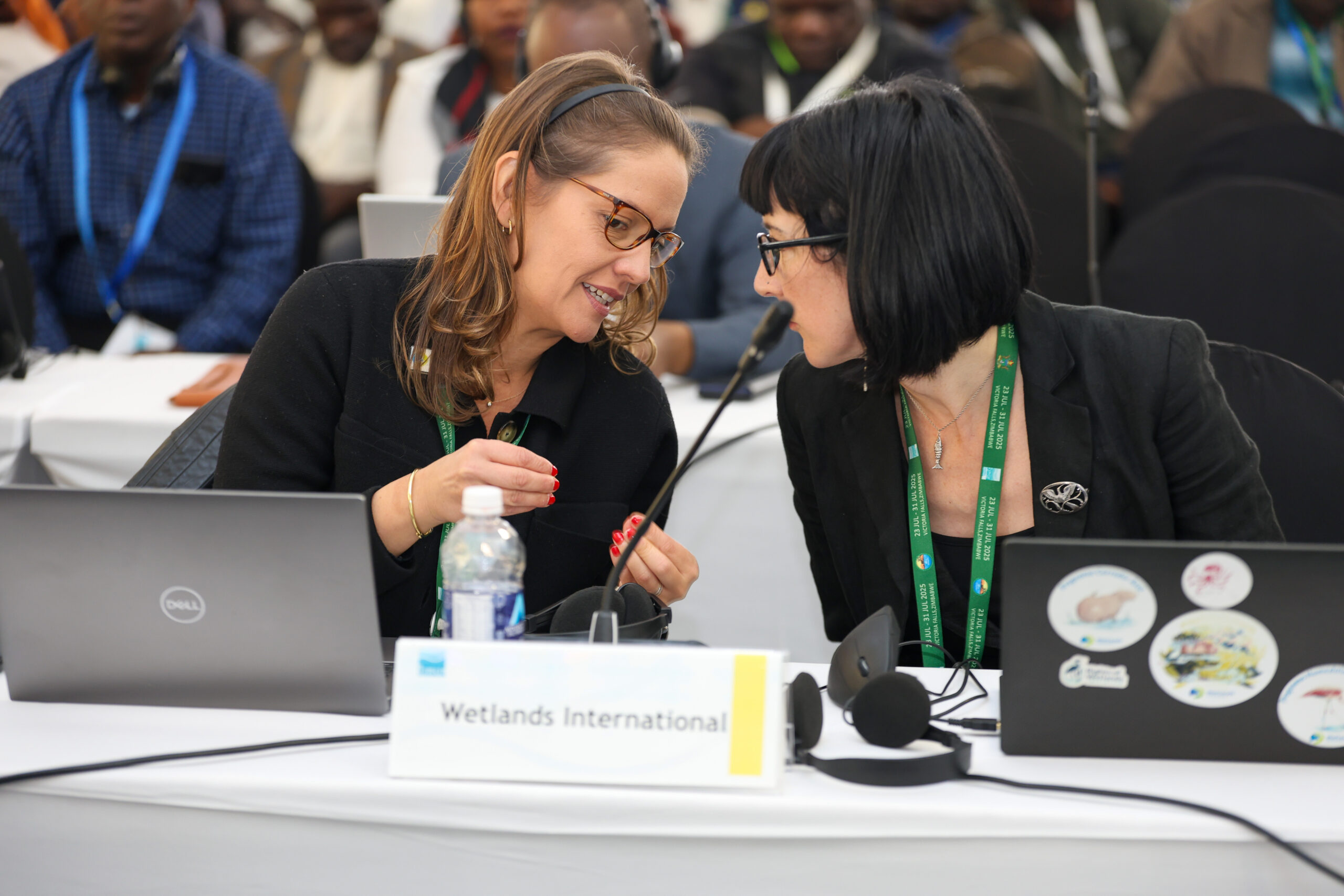
Wetlands International underscored the immense value of the GeoWetlands initiative, a project dedicated to leveraging Earth observation for wetland monitoring and management. The organization expressed its honor in continuing to contribute to this vital work, including coordinating the GeoWetlands partnership. The finalization of the 2026-2028 workplan and partnership agreement provides a clear framework for collaborative progress in remote sensing of wetlands and the advancement of National Wetland Inventories. This coordinated approach is essential for providing accurate, up-to-date data crucial for informed decision-making and effective conservation strategies.
Prioritizing Wetland Values in Finance and Policy
A central theme of the Standing Committee meeting was the imperative to integrate the intrinsic and economic values of wetlands into financial and economic decision-making processes. Laura MacKenzie, Senior Advocacy Officer for Wetlands International, delivered a powerful statement on behalf of all six IOPs during the Opening Plenary. She emphasized three key priorities for action: addressing the root causes of wetland loss and degradation, particularly within financial and economic systems; reconfiguring human-wetland relationships, including the recognition of the Rights of Wetlands; and establishing wetlands as indispensable components for achieving the objectives of other Multilateral Environmental Agreements (MEAs). MacKenzie stressed the need for wetlands to be recognized as critical watery connectors flowing through the agendas of the three Rio Conventions (UNFCCC, CBD, UNCCD) and the UN Water Conference.
The IOPs’ statement highlighted the alarming findings of recent reports, such as the IPBES business and biodiversity assessment and UNEP’s State of Nature Finance report, which indicate that for every dollar invested in nature protection, thirty dollars are spent on its destruction. This stark contrast underscores the urgent need for policy shifts that prioritize wetland conservation. Examples cited of concerning policy developments include the recent weakening of glacier area protection laws in the High Andes, which could exacerbate threats from lithium mining to regional wetlands and water security, and the proposed dilution of the EU Water Framework Directive. These instances illustrate a persistent challenge where wetland safeguards are often undermined in the name of development.
Advancing Scientific Understanding and Data Collection
The Global Waterbirds Estimates Partnership (GWEP) was another focal point. Wetlands International acknowledged the comprehensive update on the partnership’s progress, reiterating the essential contributions of governments (Australia, Switzerland, United Kingdom), Birdlife International, Manomet, and Wetlands International itself. The organization highlighted the urgent need to address funding gaps to ensure the successful delivery of the 2027 Waterbird Population Estimates. Wetlands International expressed its pleasure in working constructively with contracting parties, the STRP, and numerous partners since the adoption of the relevant resolution at COP15, and looks forward to building on this momentum. This collaborative effort is vital for monitoring the health of migratory bird populations, many of which are intrinsically linked to wetland ecosystems.

Building Momentum for Transformative Solutions
Wetlands International is actively advocating for transformative solutions, including exploring support for a potential new draft resolution on the rights of wetlands. This initiative builds upon the IUCN resolution adopted in November concerning the rights of rivers. The organization also shared success stories from initiatives like the Freshwater Challenge, Mangrove Breakthrough, and Peatland Breakthrough. These collaborative platforms bring together governments, NGOs, the private sector, and financial institutions to accelerate wetland conservation and restoration efforts. By encouraging more governments to join these voluntary global initiatives, Wetlands International aims to enhance the mainstreaming of wetland action into national targets and plans, thereby boosting efforts to meet climate, biodiversity, water security, and sustainable development goals.
The Crucial Role of Multilateralism
The meeting reinforced the critical role of multilateralism in achieving water and wetland action. The year 2026 began with significant positive developments for wetlands and international cooperation. The Convention on Migratory Species (CMS) COP15, hosted by Brazil, adopted decisions on flyways, connectivity, and migratory wetland species. Furthermore, the Pantanal Declaration championed the central role of wetlands not only in biodiversity conservation but also in climate regulation, water security, and community livelihoods. The Standing Committee meeting provided a platform to strategize how this momentum can be sustained by ensuring wetlands are prioritized as critical watery interconnectors at all three upcoming Rio Convention COPs and the UN Water Conference.
Looking Ahead to COP16 in Panama
A particularly inspiring agenda item was the update from Panama on its preparations to host the Convention on Wetlands COP16 in Panama City in June 2028. Following Zimbabwe’s successful COP and its championing of wetlands, Panama faces the challenge of building upon that legacy. However, Panama’s established global leadership in nature conservation, particularly concerning wetlands, bodes well for the upcoming conference. Wetlands International, with an office in Panama, has committed to supporting the country in leveraging the current momentum and ensuring that COP16 further accelerates wetland action worldwide.
Context of the Ramsar Convention and COP15
The Ramsar Convention on Wetlands, established in 1971, is an intergovernmental treaty that provides a framework for national action and international cooperation for the conservation and wise use of wetlands and their resources. The Convention’s Conference of the Parties (COP) is its governing body, meeting every three years to review progress, adopt resolutions, and set priorities for action.
COP15, held in Victoria Falls, Zimbabwe, marked a pivotal moment for global wetland conservation. The "Victoria Falls Declaration" adopted at COP15 committed parties to ambitious goals for wetland protection and restoration. The conference emphasized the irreplaceable value of wetland ecosystems for people, nature, and climate, highlighting their crucial role in addressing global challenges such as climate change, biodiversity loss, and water scarcity. The setting of Victoria Falls, adjacent to one of the world’s most iconic Ramsar sites, served as a powerful backdrop for these discussions.
The Significance of Intersessional Meetings
While COPs garner significant media and public attention due to high-level political commitments and final negotiations, the Standing Committee meetings are equally vital. Unlike the annual climate COPs, the Ramsar COP occurs every three years, making these intermediate gatherings essential for:
- Maintaining Momentum: Ensuring that the ambitious targets set at COP are actively pursued between conferences.
- Reviewing Progress: Assessing the implementation of resolutions and identifying challenges.
- Strengthening Accountability: Holding parties and partners accountable for their commitments.
- Sharing Knowledge and Tools: Facilitating the exchange of best practices, scientific findings, and practical tools for wetland management.
- Deepening Partnerships: Fostering collaboration among governments, international organizations, civil society, and the private sector.
The Standing Committee’s work directly supports the implementation of the Ramsar Convention’s mission to achieve, by the wise use and wise management of all wetlands, the conservation of global biodiversity and the well-being of humanity. The outcomes of SC67 in Switzerland are poised to significantly shape the trajectory of global wetland conservation efforts leading up to COP16 in Panama.
