
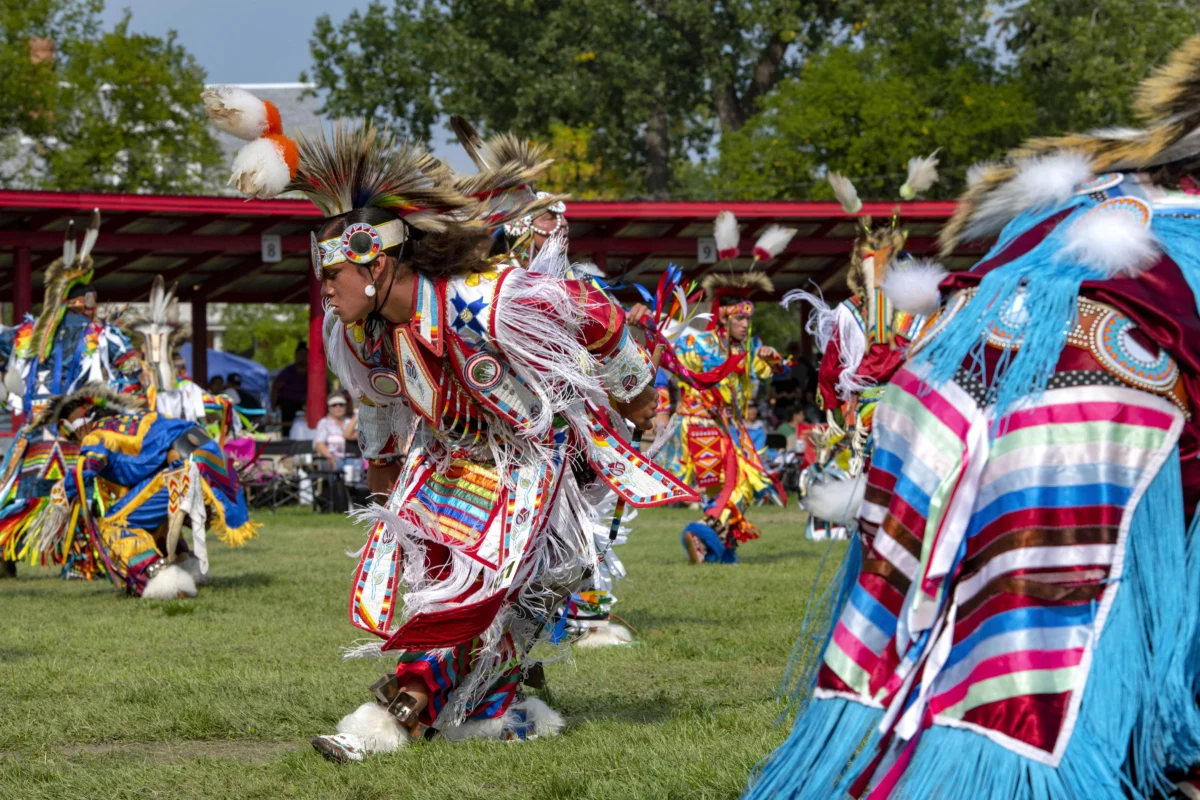
The second week of April, often seen as a gentle transition between the nascent warmth of early spring and the burgeoning intensity of summer, heralds a profound cultural season for many Indigenous communities across North America: the start of "powwow season." This period marks the first local gatherings, vibrant inter-tribal celebrations that will continue through the summer and into early autumn, serving as crucial venues for cultural preservation, community building, and artistic expression. For enrolled members of tribes like the Seminole Nation of Oklahoma, particularly those residing far from ancestral lands in major urban centers, the experience of a powwow is a powerful anchor, a feeling of coming home amidst the rhythmic pulse of drums and the kaleidoscope of traditional regalia.
The Heartbeat of Indigenous Gatherings: An Overview of Powwows
Powwows are not merely festivals; they are dynamic, living traditions that bring together diverse Indigenous nations for weekends steeped in ceremony, dance, song, feasting, and commerce. These gatherings are deeply rooted in history, evolving from communal dances and celebrations of success among Plains tribes in the 19th century, often associated with warrior societies. Over time, particularly as Indigenous communities faced immense pressures to assimilate, powwows transformed into vital spaces for cultural resilience and continuity. Today, they serve as powerful affirmations of Indigenous identity, sovereignty, and artistic heritage, attracting participants and spectators from all walks of life. The earliest powwows of the year typically begin in March, steadily increasing in frequency and scale as the weather warms, creating a nationwide tapestry of cultural exchange.
The atmosphere at a powwow is immediately palpable. A deep, resonant drumbeat often serves as the collective heartbeat, its vibrations echoing through the air and through the chests of those gathered. This central rhythm accompanies hours of dancing, a spectrum of styles ranging from competitive performances to social dances open to all. Surrounding the dance arena, often referred to as the "arbor" or "dance circle," vendors showcase intricate beadwork, handcrafted jewelry, traditional clothing, and a myriad of other Indigenous artworks, providing essential economic opportunities for artists and artisans. The aroma of traditional foods, such as frybread, corn soup, and various stews, permeates the air, inviting communal feasting.
A Glimpse into the Preparations: The Dancer’s Journey
For many, like a Seminole Nation member living in a bustling Texas metropolis, the anticipation of a powwow begins well before the event itself. Early mornings are dedicated to meticulous preparation. Skirts crafted from handpicked fabrics, adorned with rows of colorful ribbons, are carefully chosen. Jewelry boxes, often overflowing with pieces that carry personal and cultural significance, are sifted through for the perfect adornments. Long earrings, designed to sway gently and catch the light, are a favored choice, their movement complementing the dancer’s steps. This personal ritual underscores the profound connection participants have to their regalia, each piece a testament to heritage and identity.
Historical Context and Evolution of Powwows
The term "powwow" itself is believed to derive from the Narragansett word "pauwau," referring to a spiritual leader or healer. However, the modern powwow, as recognized today, largely traces its lineage to the Plains tribes. Originally, these gatherings were often linked to specific events like successful hunts or warfare, involving ceremonies, dances, and gift exchanges. With the forced relocation and reservation system imposed by the U.S. government in the late 19th and early 20th centuries, many Indigenous cultural practices were suppressed. The "Indian dance prohibition," for instance, made it illegal for Indigenous peoples to perform many traditional dances.
Despite these oppressive measures, powwows adapted and persisted, often held discreetly or under the guise of other events. They became crucial spaces for maintaining cultural continuity and strengthening inter-tribal bonds. In the mid-20th century, particularly with the rise of Indigenous rights movements, powwows experienced a significant resurgence, evolving into the vibrant, pan-Indigenous celebrations we see today. They now serve as vital educational platforms, not only for younger generations within Indigenous communities but also for non-Indigenous audiences seeking to understand and appreciate Native American cultures. Estimates suggest that well over a thousand powwows take place annually across North America, ranging from small community gatherings to large, internationally recognized events.
The Spiritual Significance of Birds in Indigenous Cultures
Central to many Indigenous worldviews is a deep reverence for the natural world, and birds hold a particularly sacred place. They are often seen as messengers between the physical and spiritual realms, embodying freedom, wisdom, and connection to the Creator. Their unique behaviors, calls, and migratory patterns have inspired countless stories, ceremonies, and artistic expressions. This profound connection is vividly expressed in the various bird-inspired dances performed at powwows, each echoing the movements, spirit, and symbolism of specific avian species. The integration of bird elements into dance is not merely mimicry; it is a spiritual invocation, a way to honor these creatures and draw upon their inherent power.
Avian Grace and Power: Four Distinct Bird-Inspired Dances
While a multitude of dance styles grace the powwow circle, several explicitly draw inspiration from birds, both in name and movement. For attendees, paying close attention to these particular performances offers a unique window into the rich symbolism and storytelling embedded within Indigenous dance.
1. Men’s Chicken Dance:
The Men’s Chicken Dance is a high-energy, often jovial competition dance that captivates audiences with its dynamic portrayal of the prairie-chicken. Originating from the Blackfeet Nation, this dance mimics the elaborate courtship rituals of the male prairie-chicken on its "lek" or booming ground. Dancers embody the bird’s distinctive movements: ducking their heads, ruffling their "feathers" (often represented by elaborate bustles and headdresses), and hopping, stomping, and wiggling their shoulders with a vibrant, rhythmic intensity. The regalia for Chicken Dancers is typically bright and colorful, featuring prominent feathers that stand high on their heads and protrude from their backs, enhancing the avian illusion. The better a dancer replicates the bird’s movements, the more impressed the judges—mirroring how successfully a male prairie-chicken impresses potential mates in the wild. This dance is a celebration of life, courtship, and the enduring spirit of the prairie.
2. Women’s Swan Dance:
In stark contrast to the lively Chicken Dance, the Women’s Swan Dance is characterized by its profound grace and fluidity. Practiced by women from nations such as the Citizen Potawatomi, Meskwaki, and Yakama, this dance draws inspiration from the elegant movements of swans. Dancers typically form a neat line, slowly weaving intricate circles across the dance grounds. Their arms, held out from their bodies with elbows gently bent, mimic the gentle flapping of swan wings. In some interpretations, dancers may crouch low to the ground before executing a soft, waving motion with their arms, further evoking the swan’s serene presence on water. This dance is deeply spiritual, often dedicated to ancestors, reflecting oral traditions where swans are said to have gifted women their songs and dances. It is a powerful expression of reverence, continuity, and the beauty of the natural world.
3. Quail Dance:
The Quail Dance is a lighthearted, co-ed partner dance practiced by many Eastern tribes, including the Choctaw and Cherokee. Inspired by the Northern Bobwhite quail, the dance involves duos standing in a line before skipping in tandem with sudden, agile movements. It is designed to be social and accessible, encouraging participation from a wide range of dancers. The movements are often improvisational, allowing dancers to add their unique flair with hand motions and head bobbing, much like a quail’s characteristic head movements. Male dancers, in particular, may incorporate a cloth or handkerchief, flashing it in the air to mimic the male quail’s courtship display of fanning its tail to attract a mate. The Quail Dance is a joyful expression of community, playfulness, and the interconnectedness of human and animal life.
4. Eagle Dance:
Perhaps one of the most sacred and powerful avian-inspired dances is the Eagle Dance, honoring the majestic Bald and Golden Eagles. This dance is more ritualistic than others and is often performed on special occasions, calling for blessings in health and rainfall from the Creator. Dancers, often adorned with feather-covered shawls that span their backs and arms like wings, begin by crouching low, moving their heads with the keen alertness of a waking eagle. They then transition into a series of hops and skips on alternating legs, arms flapping in a smooth, undulating motion, creating a mesmerizing ebb and flow that captures the eagle’s powerful flight. Practiced by many Pueblo tribes, including the Zuni and Hopi, the Eagle Dance is tied to profound beliefs that eagles are capable of sending messages between Heaven and Earth. It is a spiritual display that honors warriors, celebrates spirituality, and seeks divine connection.
Beyond Specific Dances: Avian Elements in Broader Powwow Traditions
The influence of birds extends far beyond these four specific dance styles, permeating various aspects of powwow culture and regalia. In the dynamic Women’s Fancy Shawl category, dancers drape fringe-lined shawls across their backs, mimicking wings, and then spread their arms to the side, performing a rapid, intricate "crow hop" movement. Similarly, men performing the breathtaking Hoop Dance manipulate large hoops along the length of their arms, shaping them into elaborate forms, often resembling eagle wings or other avian figures, as they dance. These dances, while not exclusively bird-named, consciously integrate avian aesthetics and movements, reinforcing the deep cultural connection to birds.
The Sacredness of Feathers and Regalia
Honoring birds is integral to all aspects of the powwow scene, most notably through the incorporation of feathers, particularly eagle feathers, into regalia. Eagle feathers are highly sacred and their use is often restricted, signifying honor, strength, and a connection to the Creator. As Kenneth Shirley, Diné and CEO of the dance troupe Indigenous Enterprise, eloquently states, "The way that it’s on top of our heads, it shows the significance of the bird and how much of a connection it has with Native Americans." Shirley, a Fancy Dancer who wears two feathers atop his head, emphasizes the spiritual transfer of energy: "I just love the fact that the energy is being transferred into us when we’re dancing." This sentiment highlights that regalia is not merely costume; it is a sacred extension of the dancer and a conduit for spiritual power and ancestral connection. The intricate beadwork, porcupine quills, and other natural materials used in regalia often incorporate designs and colors inspired by birds and other elements of the natural world, further cementing this relationship.
Cultural Preservation, Community, and Broader Impact
Powwows play a critical role in cultural preservation and revitalization. They are intergenerational spaces where elders transmit knowledge, language, and traditions to younger generations. Children observe, learn, and eventually participate, ensuring the continuity of these vibrant practices. Beyond their cultural significance, powwows also have a tangible economic impact, supporting Indigenous artists, vendors, and local communities. The sale of authentic Indigenous art and crafts provides vital income and helps sustain traditional art forms.
For participants like Ojibwe dancer Amayah Little Wolf, who competes in the women’s Fancy Shawl category, dancing is a profound act of honoring her community and the natural world. "Once you start to hear the beat and the songs, it’s like everything else disappears," Little Wolf shares. "It’s healing, and it just reminds me of being excited and being a kid, doing it again and again for the first time." This sense of healing and renewed excitement is a common thread, reflecting the therapeutic and unifying power of these gatherings.
In a broader context, powwows serve as powerful educational tools for non-Indigenous audiences. They offer a respectful entry point for learning about diverse Indigenous cultures, challenging stereotypes, and fostering greater understanding and appreciation. By attending and observing, visitors can witness the richness, resilience, and contemporary vitality of Indigenous peoples, moving beyond historical narratives to engage with living traditions. These gatherings are vibrant demonstrations of sovereignty and cultural strength, contributing to a more informed and respectful national dialogue about Indigenous issues.
From the thunderous drums of the dance grounds to the communal warmth of the frybread line, the air at a powwow is undeniably charged with a unique, shared magic. It is a testament to the enduring spirit of Indigenous communities, their profound connection to the natural world, and their unwavering commitment to celebrating and preserving their heritage for generations to come. The bird-inspired dances, in particular, stand as eloquent testaments to this relationship, soaring expressions of culture, spirituality, and the timeless wisdom found in the avian realm.
