
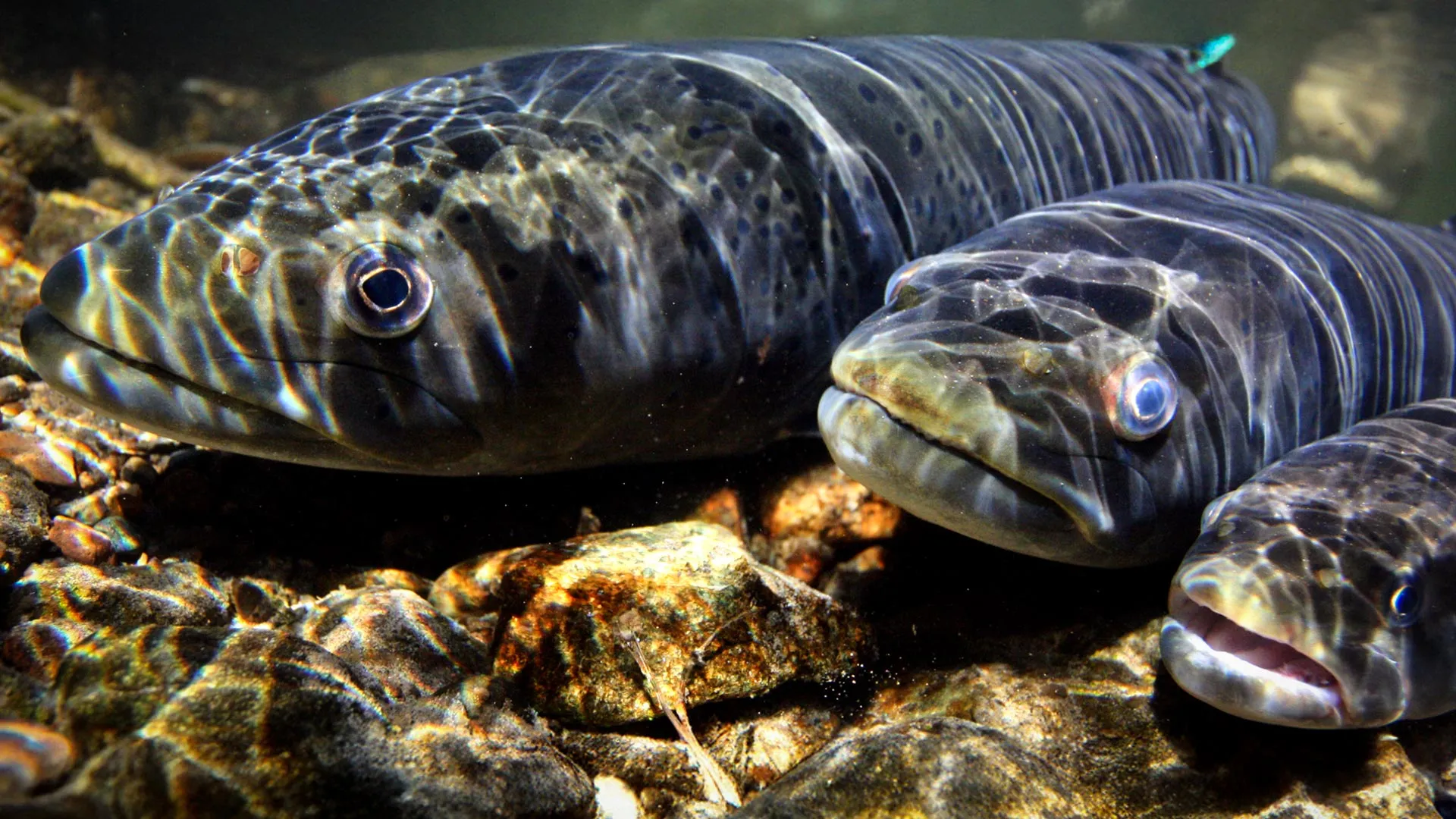
A groundbreaking new report from the Convention on the Conservation of Migratory Species of Wild Animals (CMS), a pivotal United Nations environmental treaty, issues a stark warning: some of Earth’s most essential and longest animal migrations, those taking place beneath the surface of rivers, are rapidly collapsing. Released as a critical input to forthcoming international conservation discussions, including the anticipated 15th Meeting of the Conference of the Parties (COP15) in Brazil, the "Global Assessment of Migratory Freshwater Fishes" highlights a largely overlooked biodiversity crisis that demands immediate and coordinated global action.
The assessment unequivocally identifies migratory freshwater fish as among the most imperiled species worldwide. These aquatic travelers are not merely components of riverine ecosystems; they are foundational, critical for maintaining the ecological integrity of healthy rivers, sustaining vast inland fisheries that are lifelines for millions, and providing crucial food security and livelihoods for hundreds of millions of people across continents. Their decline represents a severe threat not just to biodiversity, but to human well-being and regional stability.
The Unseen Crisis: Rivers Under Threat
The comprehensive report, built upon extensive global datasets and rigorous IUCN assessments encompassing nearly 15,000 freshwater fish species, paints a grim picture. It reveals that migratory freshwater fish populations have plummeted by an alarming 81% globally since 1970. The crisis is even more pronounced for species already recognized by CMS: a staggering 97% of the 58 CMS-listed migratory fish species, which include both freshwater and salt-water species that utilize freshwater for parts of their life cycle, are now teetering on the brink of extinction. This rate of decline far outpaces that observed in terrestrial or marine ecosystems, yet the plight of freshwater species has historically received comparatively little global attention, earning it the moniker of a "largely overlooked freshwater biodiversity crisis."
These fish species are unique in their dependence on long, uninterrupted river pathways. Their life cycles often involve epic journeys that span thousands of kilometers, connecting vital spawning grounds in headwaters, rich feeding areas in middle reaches, and productive floodplain nurseries in lower basins. Such migrations frequently traverse multiple national borders, underscoring the inherently international nature of their conservation needs. When these critical connections are severed—whether by physical barriers, altered water flows, or degraded habitats—populations can collapse with shocking speed, disrupting entire food webs and ecosystem services.
Drivers of Decline: A Multifaceted Assault
The assessment provides compelling evidence that the rapid decline of these aquatic migrants is driven by a complex interplay of human activities:
- Dams and Habitat Fragmentation: Hydropower development, irrigation projects, and flood control structures have led to the construction of tens of thousands of dams worldwide. While providing energy and water resources, these structures act as insurmountable barriers, blocking migration routes and fragmenting vital habitats. The impact is profound, preventing fish from reaching spawning grounds or nursery areas, altering natural flow regimes, sediment transport, and water temperature, all of which are crucial for fish reproduction and survival. Major river systems like the Mekong, the Amazon, and the Danube have seen extensive damming, with devastating consequences for their migratory fish populations.
- Pollution: Rivers, unfortunately, often serve as conduits for human waste. Industrial effluent, agricultural runoff laden with pesticides and fertilizers, untreated sewage, and the pervasive spread of plastic pollution all degrade water quality. This contamination directly harms fish, impacts their reproductive success, and destroys critical habitats, making entire sections of rivers uninhabitable.
- Overfishing: Driven by growing human populations and insufficient regulatory frameworks, overfishing remains a significant threat. Both legal and illegal, unreported, and unregulated (IUU) fishing practices exert immense pressure on fish stocks, particularly for commercially valuable migratory species. The lack of sustainable management practices and enforcement exacerbates the problem, often leading to localized extinctions and broader population crashes.
- Climate Change: The overarching threat of climate change manifests in multiple ways for freshwater fish. Changes in water temperature can disrupt spawning cues and metabolic rates. Altered hydrological cycles lead to more extreme floods and droughts, impacting water availability and habitat quality. Rising water temperatures can also reduce dissolved oxygen levels, stressing fish and making them more susceptible to disease.
A Call for Global Action: Identifying Species at Risk
In response to this escalating crisis, the report highlights hundreds of migratory fish species that are in dire need of coordinated international action. Specifically, 325 migratory freshwater fish species have been identified as candidates for international conservation efforts, a number that significantly expands upon the 24 already listed under the Convention’s Appendices. These appendices denote varying levels of protection: Appendix I for species requiring strict protection due to their immediate threat of extinction, and Appendix II for species that require international cooperation for their conservation. The fact that the total number of species identified exceeds 325 in the regional breakdown (because some species occur on multiple continents) further emphasizes the transboundary nature and complexity of the conservation challenge.
The assessment pinpoints several key river systems as global priorities for intervention due to their exceptional biodiversity and the acute threats they face. These include South America’s mighty Amazon and La Plata-Paraná systems, Europe’s iconic Danube, Asia’s life-giving Mekong, Africa’s historic Nile, and the Indian sub-continent’s vast Ganges-Brahmaputra. Protecting these rivers and their inhabitants necessitates a paradigm shift: treating rivers as interconnected, living systems rather than fragmented national waterways.
Amazon Basin: A Vital Stronghold Under Pressure
The Amazon Basin, a region of unparalleled biodiversity, remains one of the last major strongholds for migratory freshwater fish. However, this status is increasingly jeopardized by escalating development pressures, including large-scale infrastructure projects, mining, and agricultural expansion. As the prospective host of COP15, Brazil has taken a proactive stance, proposing several significant conservation measures focused on the Amazon and La Plata-Paraná river systems.
A case study accompanying the global assessment specifically identifies 20 migratory fish species in the Amazon that meet the criteria for potential CMS Appendix II listing. These long-distance migrants are not only ecologically vital but also economically central to regional fisheries, constituting approximately 93% of total landings and underpinning an industry valued at an estimated US$436 million annually. The potential loss of these species would trigger severe economic and social repercussions for local communities.
Among these remarkable species is the dorado (gilded) catfish (Brachyplatystoma rousseauxii), a bottom-dwelling fish with striking metallic gold/silver coloring that can grow up to 2 meters (6.5 ft) in length. This species undertakes the longest known freshwater migration of any fish on Earth, a monumental journey of 11,000 kilometers from the Andean headwaters to coastal nursery areas in the Amazon estuary. Its epic life cycle exemplifies the incredible biological feats that are now at risk.
To bolster conservation efforts for these iconic species, Brazil and other regional countries are championing a Multi-species Action Plan for Amazonian Migratory Catfish (2026-2036), developed through extensive regional cooperation. Furthermore, Brazil has proposed adding the spotted sorubim catfish (Pseudoplatystoma corruscans) to CMS Appendix II. This proposal underscores the urgent need for coordinated action in the La Plata Basin, where these fish confront severe threats from dam construction, altered water flows, and relentless fishing pressure. These initiatives represent some of the most ambitious international efforts to safeguard migratory freshwater fish, reinforcing the core principle of CMS: that effective conservation solutions must encompass the full geographic range of migratory species and are inextricably linked to robust cooperation between nations.
Chronology of Concern and Policy Responses
The "Global Assessment of Migratory Freshwater Fishes" was released in February 2024, ahead of CMS COP14 in Samarkand, Uzbekistan, serving as a critical scientific foundation for ongoing and future policy discussions. Its findings are expected to heavily influence the agenda for CMS COP15, which Brazil is slated to host, where these proposed conservation measures will be formally considered and hopefully adopted.
The report also outlines a series of practical, immediate steps that governments can take to reverse these alarming trends. These include:
- Restoring River Connectivity: Prioritizing the removal of obsolete dams and the implementation of effective fish passage solutions (such as fish ladders or nature-like bypasses) at essential barriers.
- Establishing Environmental Flows: Ensuring that rivers maintain sufficient water levels and natural flow variations to support fish migration and habitat needs, particularly during critical spawning periods.
- Controlling Pollution: Implementing stringent regulations on industrial and agricultural discharges, investing in improved wastewater treatment, and addressing plastic pollution in river systems.
- Combating Overfishing: Strengthening fisheries management through quotas, protected areas, seasonal closures, and robust enforcement against illegal, unreported, and unregulated fishing.
- Creating Transboundary Protected Areas: Establishing and effectively managing protected areas that span national borders, securing vital habitats along entire migratory pathways.
- Integrating Climate Resilience: Incorporating climate change adaptation strategies into river management plans to mitigate impacts on fish populations.
- Fostering International Cooperation: Enhancing collaborative efforts among riparian nations for shared river basin management, data sharing, and joint conservation initiatives.
Voices from the Frontlines: Expert and Stakeholder Reactions
The urgency of the report’s findings resonates deeply with experts and conservationists.
Dr. Zeb Hogan, the lead author of the assessment, articulated the profound implications: "Many of the world’s great wildlife migrations take place underwater. This assessment shows that migratory freshwater fish are in serious trouble, and that protecting them will require countries to work together to keep rivers connected, productive, and full of life." His statement underscores the necessity of a holistic, collaborative approach.
Amy Fraenkel, CMS Executive Secretary, highlighted the previously neglected aspect of this crisis: "This new assessment highlights a major priority for the conservation of migratory species and their habitats, that has not had adequate focus to date. By aligning science, policy and international cooperation, governments can safeguard the world’s remaining great freshwater fish migrations and the communities and ecosystems that depend on them." Her emphasis on the alignment of science, policy, and cooperation points to the integrated solutions required.
Michele Thieme, Vice President and Deputy Lead of Freshwater at World Wildlife Fund-US, stressed the cross-border reality of the problem: "Rivers don’t recognize borders – and neither do the fish that depend on them. The crisis unfolding beneath our waterways is far more severe than most people realize, and we are running out of time. Rivers need to be managed as connected systems, with coordination across borders, and investments in basin-wide solutions now before these migrations are lost forever." Her call to action reflects the critical window of opportunity that is rapidly closing.
Local communities and indigenous groups, whose livelihoods and cultural heritage are intrinsically linked to these fish, are also voicing increasing concern. For many, the decline of migratory fish represents not just an ecological loss but a direct threat to their food security, traditional practices, and economic stability. Governments in affected regions, while acknowledging the conservation imperative, often grapple with the complex trade-offs between economic development, energy needs, and environmental protection, making transboundary cooperation both essential and challenging.
Broader Implications: Ecosystems, Economies, and Human Well-being
The implications of this freshwater biodiversity crisis extend far beyond the fish themselves.
- Ecological Impact: The loss of migratory fish can trigger trophic cascades, destabilizing entire river ecosystems. These fish often play crucial roles as keystone species, facilitating nutrient cycling, controlling insect populations, and providing food for a wide array of other wildlife, from birds to mammals. Their disappearance diminishes the resilience and productivity of freshwater habitats.
- Socio-economic Impact: For hundreds of millions, migratory freshwater fish are a primary source of protein and income. Their decline directly translates into heightened food insecurity, exacerbated poverty, and the erosion of traditional fishing cultures, particularly in developing nations. The economic value of inland fisheries, estimated in the hundreds of millions of dollars annually in key basins, stands to be irrevocably lost.
- Geopolitical Dimensions: Shared river systems are often sources of both cooperation and conflict. The degradation of these vital resources and the subsequent impact on livelihoods can strain relations between riparian nations. Conversely, the necessity of conserving transboundary migratory species presents a powerful impetus for enhanced international cooperation, shared governance, and peacebuilding efforts.
- Policy and Governance: The crisis underscores the urgent need for a more integrated approach to water resource management. Traditional sector-specific policies (e.g., hydropower, agriculture, fisheries) often fail to account for the holistic needs of river ecosystems. The report advocates for integrated river basin management plans that prioritize ecological connectivity, environmental flows, and transboundary collaboration, backed by stronger international legal frameworks and significant financial investment in conservation.
The "Global Assessment of Migratory Freshwater Fishes" serves as a clarion call. It highlights an urgent, often unseen, environmental catastrophe unfolding beneath the surface of our planet’s most vital freshwater arteries. The fate of these incredible migratory species, and the health of the rivers they inhabit, now rests on the collective political will, scientific collaboration, and dedicated action of the global community. Without a fundamental shift in how humanity manages and values its freshwater resources, the silent highways of our rivers risk becoming ecological graveyards, with profound and irreversible consequences for both nature and people.
