

The arrival of spring in North America signals one of the most significant ecological events on the continent: the northward migration of millions of birds. Southern Ontario, characterized by its unique position within the Great Lakes basin, serves as a critical bottleneck and refueling station for these avian travelers. Between May 5 and May 16, a specialized expedition comprising five experienced observers conducted a comprehensive survey of the region’s primary migration hotspots, moving from the urban landscapes of Toronto through the globally recognized "warbler capital" of Point Pelee, and concluding in the southern boreal reaches of Algonquin Provincial Park. This 12-day assessment highlighted the resilience of migratory species while underscoring the shifting dynamics of habitats influenced by climate change and urban expansion.

The Urban Threshold: Toronto and the Lake Ontario Shoreline
The expedition commenced on May 5 in Toronto, Canada’s largest metropolitan area. Despite the density of the "urban jungle," the city’s green corridors, such as Colonel Sam Smith Park, provide essential stopover points for early-season migrants. The initial two days of the survey were characterized by cool, drizzly conditions, which typically depress bird activity. However, these weather patterns often lead to "fallouts," where migrants are forced to land and wait for better conditions, providing observers with high-density sightings.
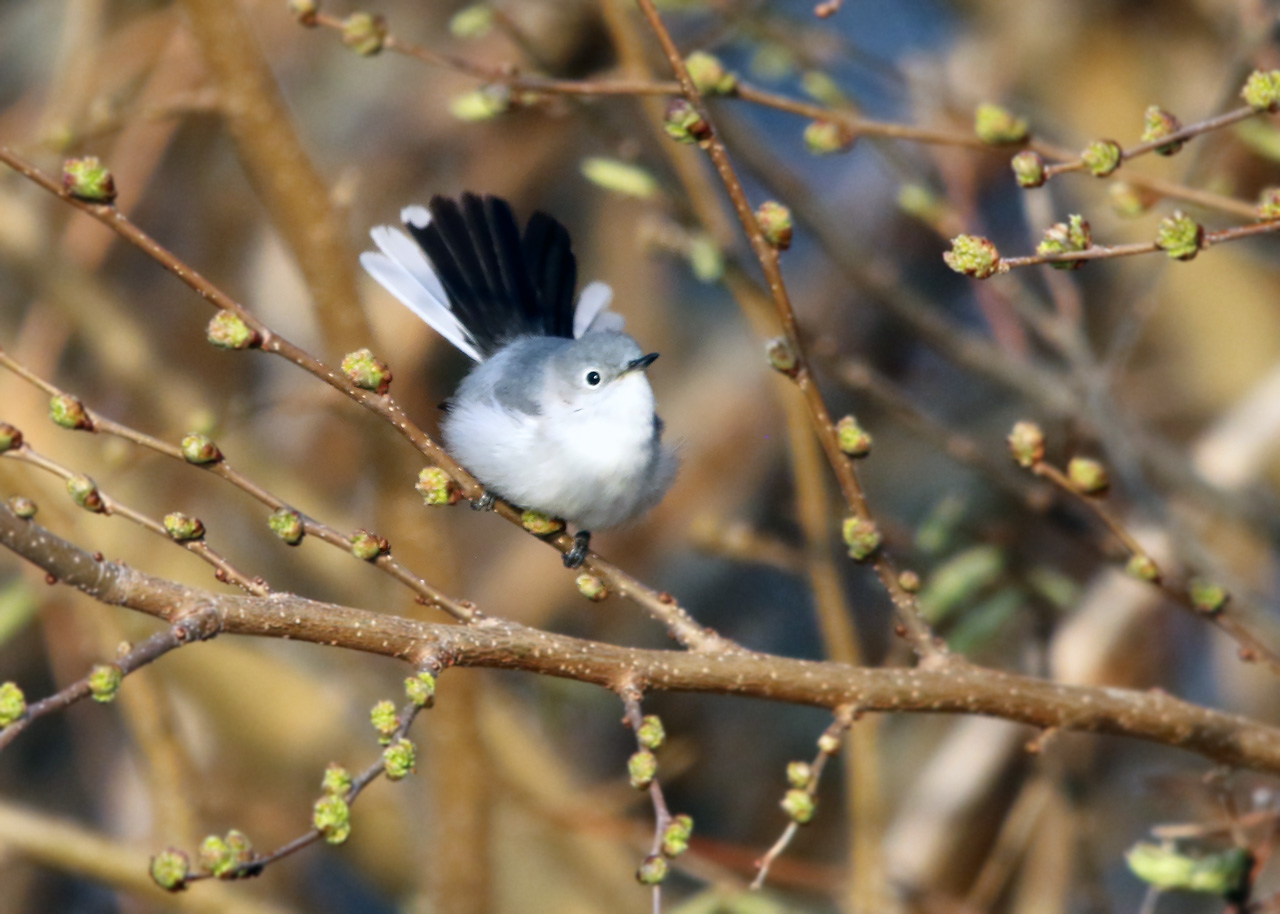
During this phase, the group recorded foundational species including the Ruby-crowned Kinglet, Palm Warbler, and Blue-grey Gnatcatcher. Local breeding populations, such as the Northern Cardinal and Yellow Warbler, were already established. Notable observations included a rare sighting of two Black-crowned Night Herons roosting in an urban park—the only encounter with this species during the entire 12-day period. The presence of Red-necked Grebes nesting near active marinas and lingering waterfowl like the Long-tailed Duck indicated the transition from wintering residents to spring arrivals. These observations reinforce the importance of urban green spaces as vital "islands" of biodiversity within developed regions.
The Southernmost Tip: Point Pelee and the Phenomenon of Reverse Migration
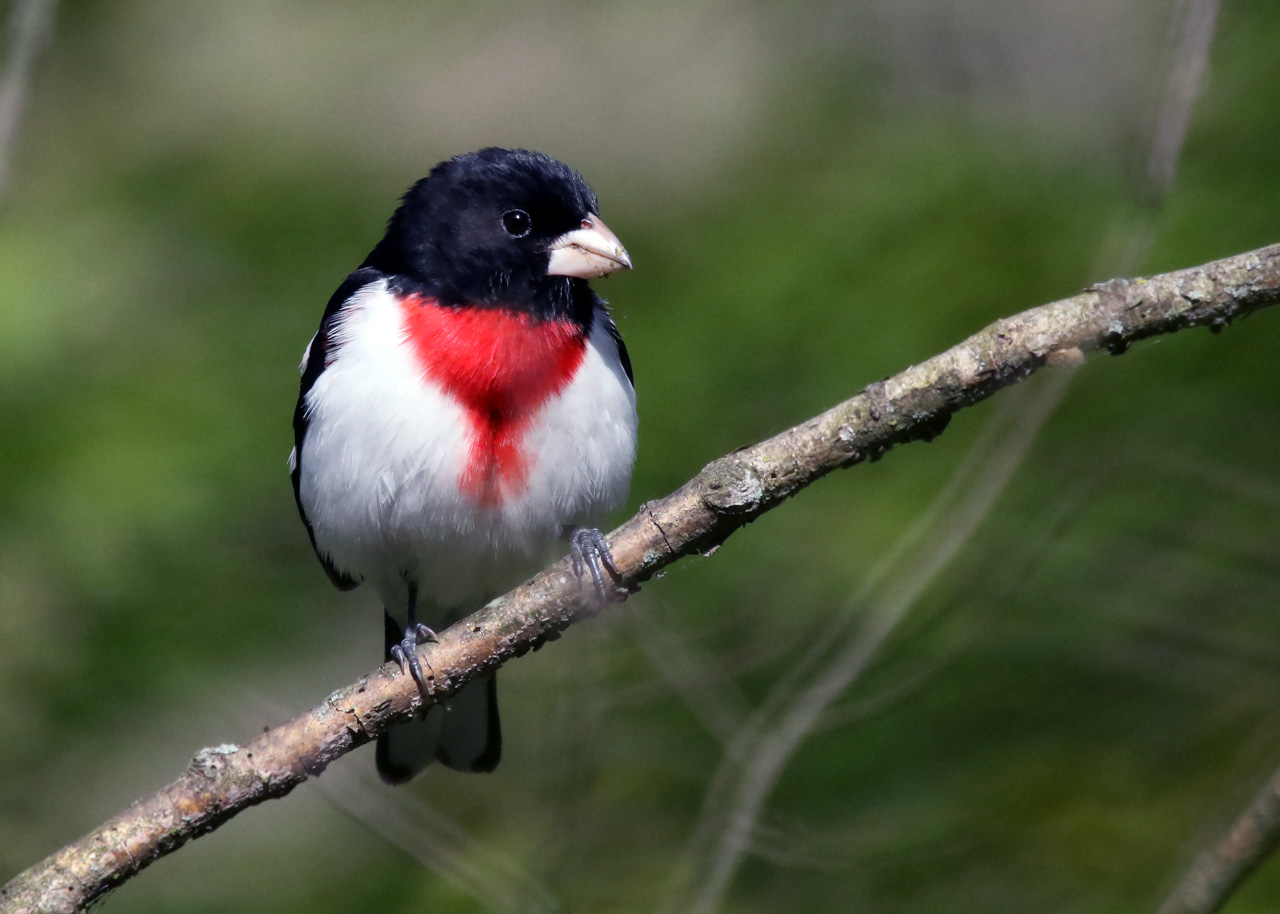
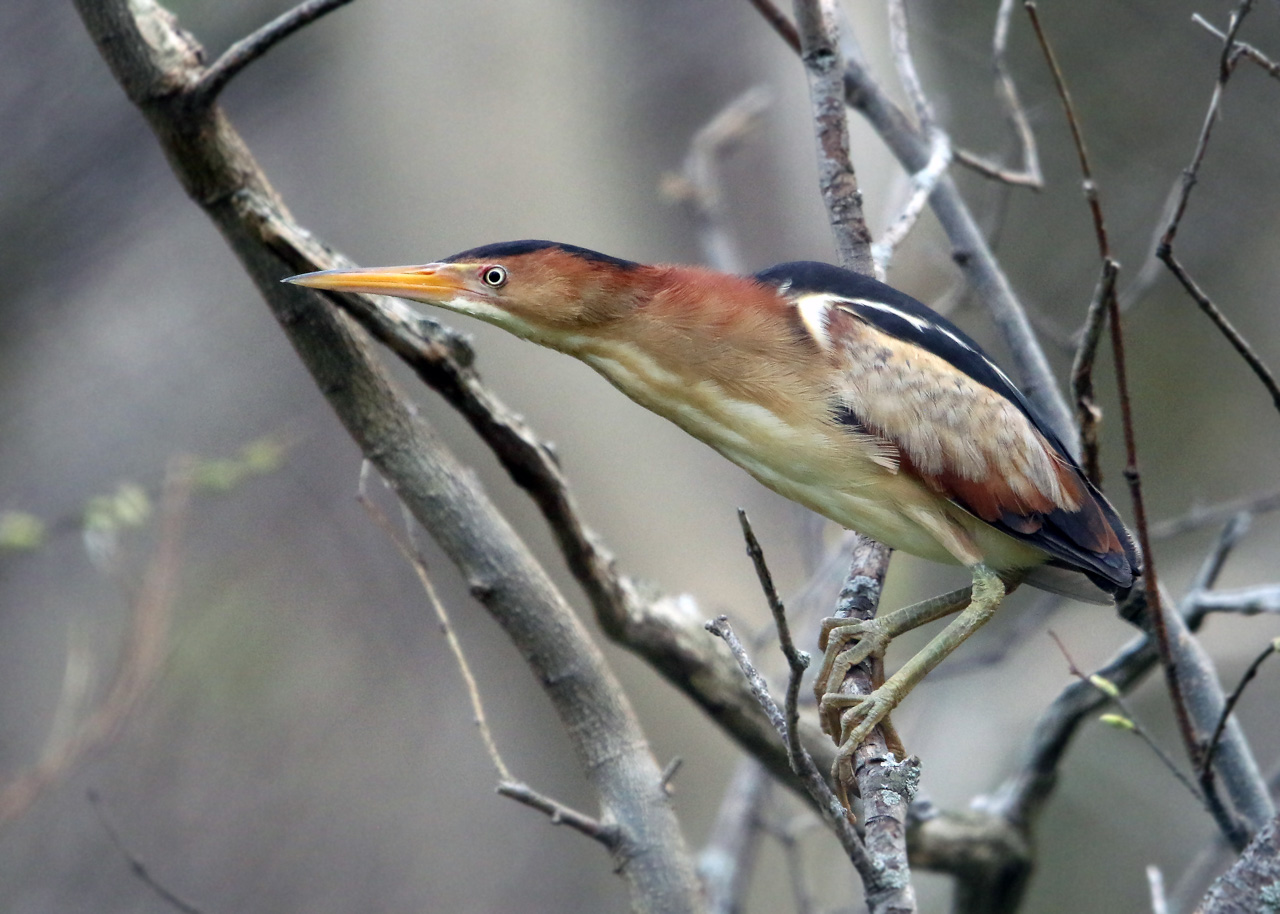
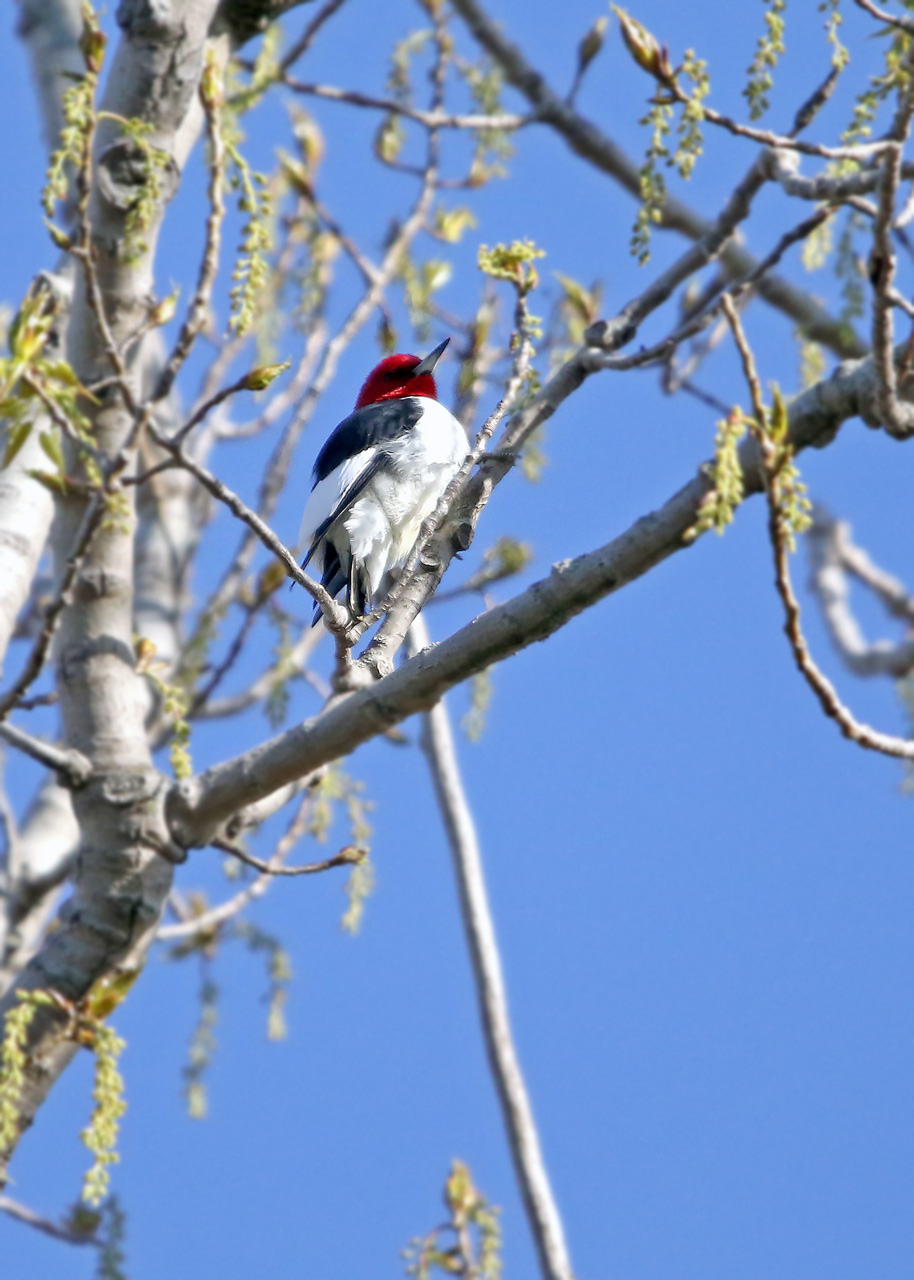
From May 7 to May 9, the focus shifted to Point Pelee National Park, a sand spit extending into Lake Erie that represents the southernmost point of mainland Canada. Point Pelee is internationally renowned for its "trap" effect, where birds crossing Lake Erie land at the first available vegetation. The expedition utilized the park’s famous tram system to reach "The Tip" before dawn, observing a diverse array of species including Red-headed Woodpeckers, Rose-breasted Grosbeaks, and the elusive Least Bittern.
A significant highlight of the Point Pelee segment was the observation of "reverse migration." This phenomenon occurs when recently arrived migrants, finding themselves at the end of a peninsula or facing unfavorable winds, funnel back toward the tip and make short flights back over the lake or along the shoreline. The group documented dozens of warblers, orioles, and sparrows participating in this behavior. Additionally, the presence of a Black-headed Gull—a species considered very rare for Ontario—drew significant attention from the broader ornithological community present at the park.
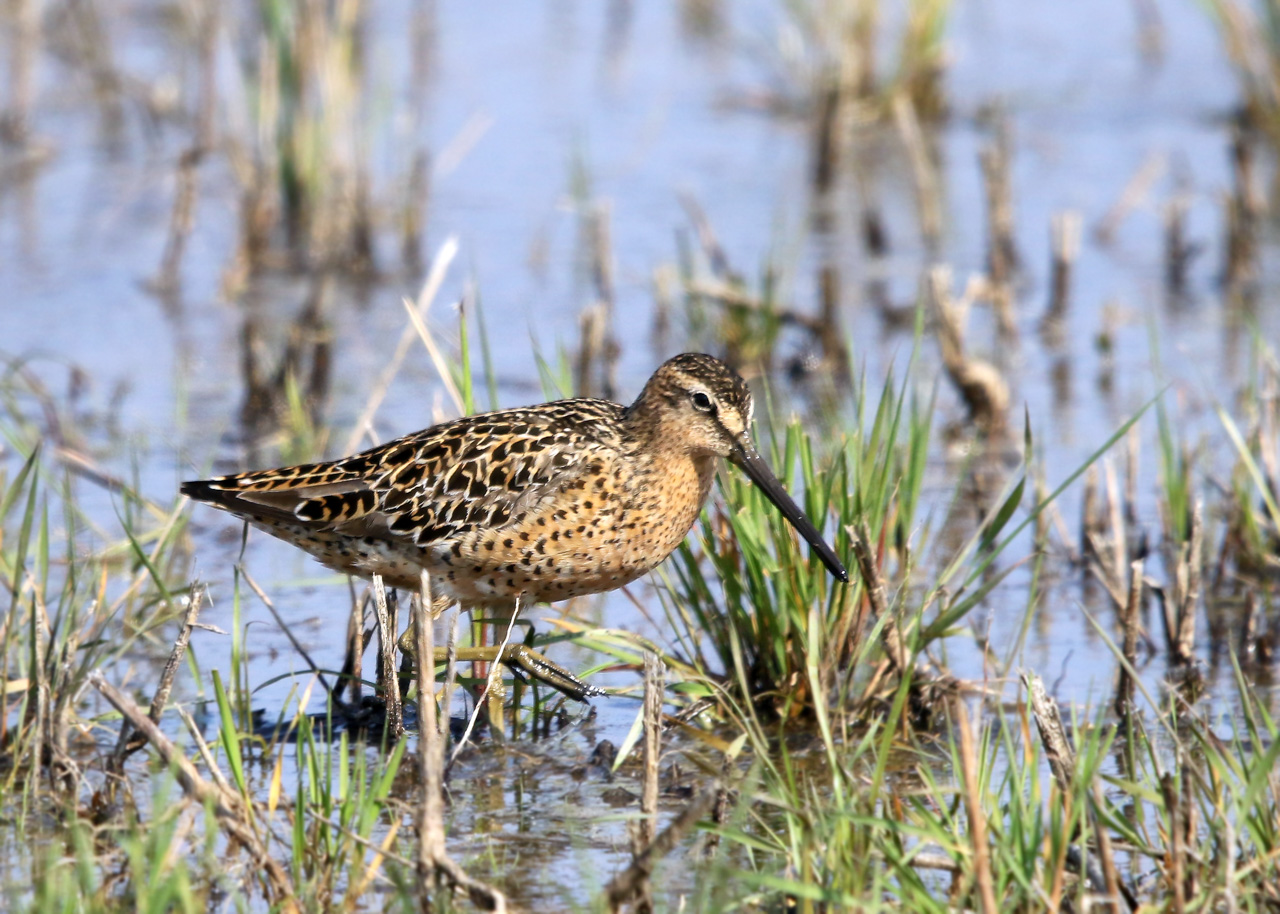
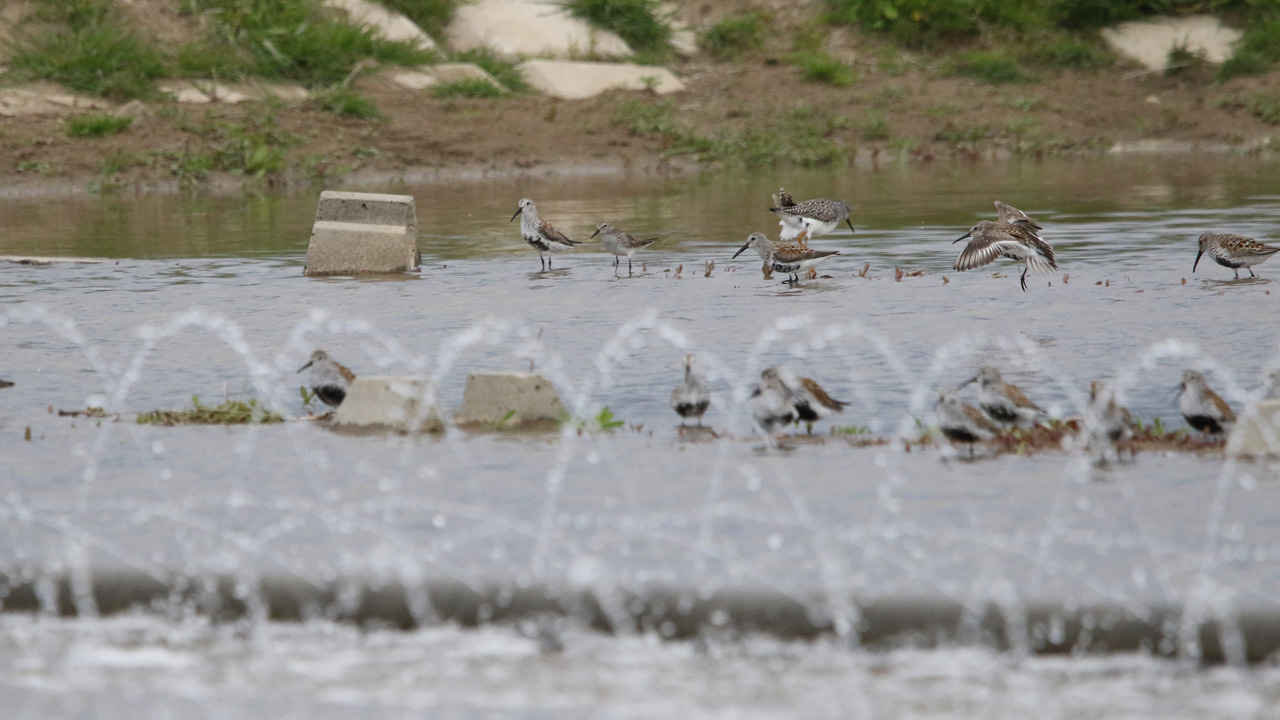
Beyond the park boundaries, the survey extended to Hillman Marsh, a managed wetland that serves as a crucial stopover for shorebirds. The observers identified 12 species of shorebirds, including Wilson’s Snipe, Black-bellied Plover, and both Short-billed and Long-billed Dowitchers. The diversity of waterfowl, including Northern Shovelers and Blue-winged Teal, highlighted the marsh’s role in supporting a wide taxonomic range of migrants.
Transition through the Carolinian Forest: Rondeau and Long Point
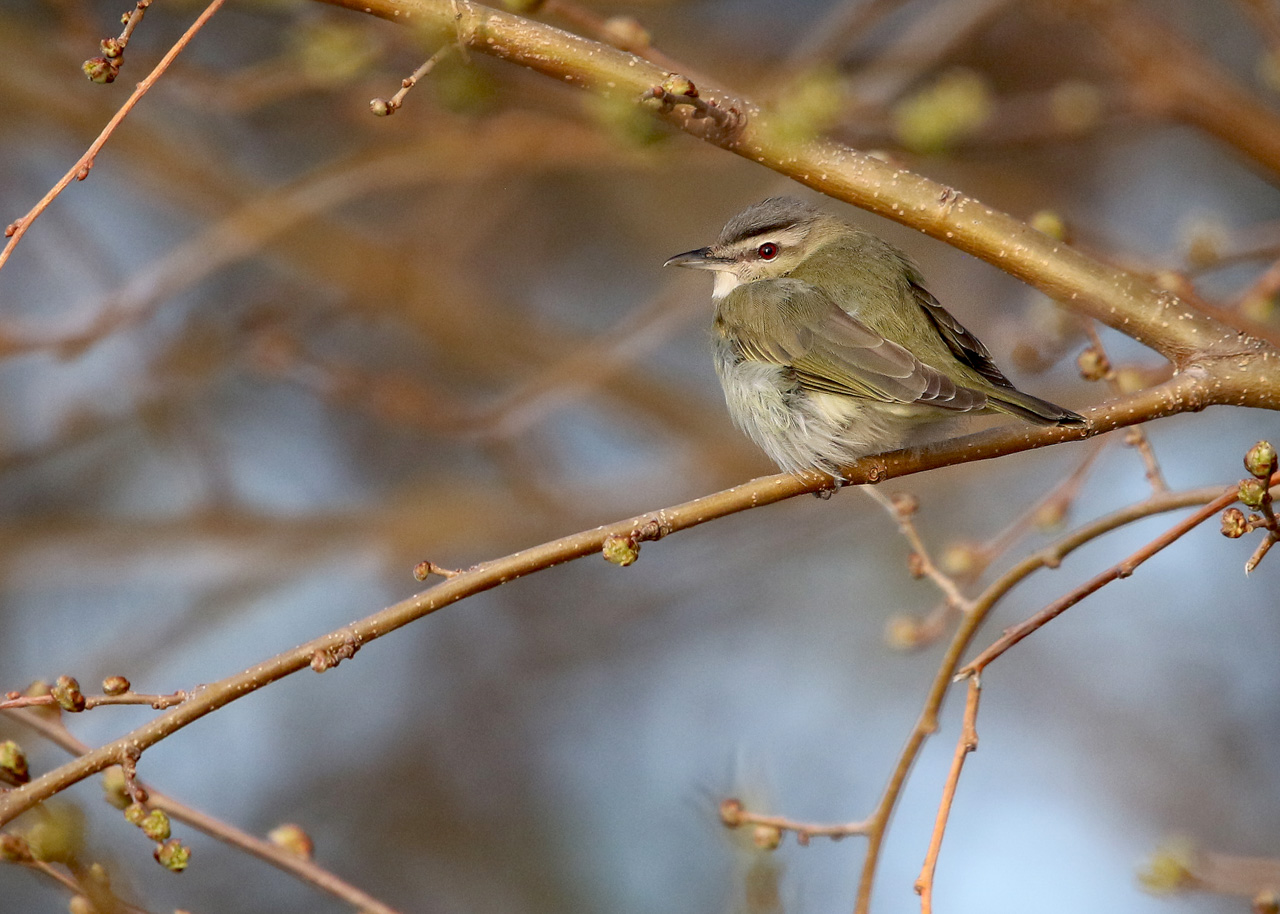
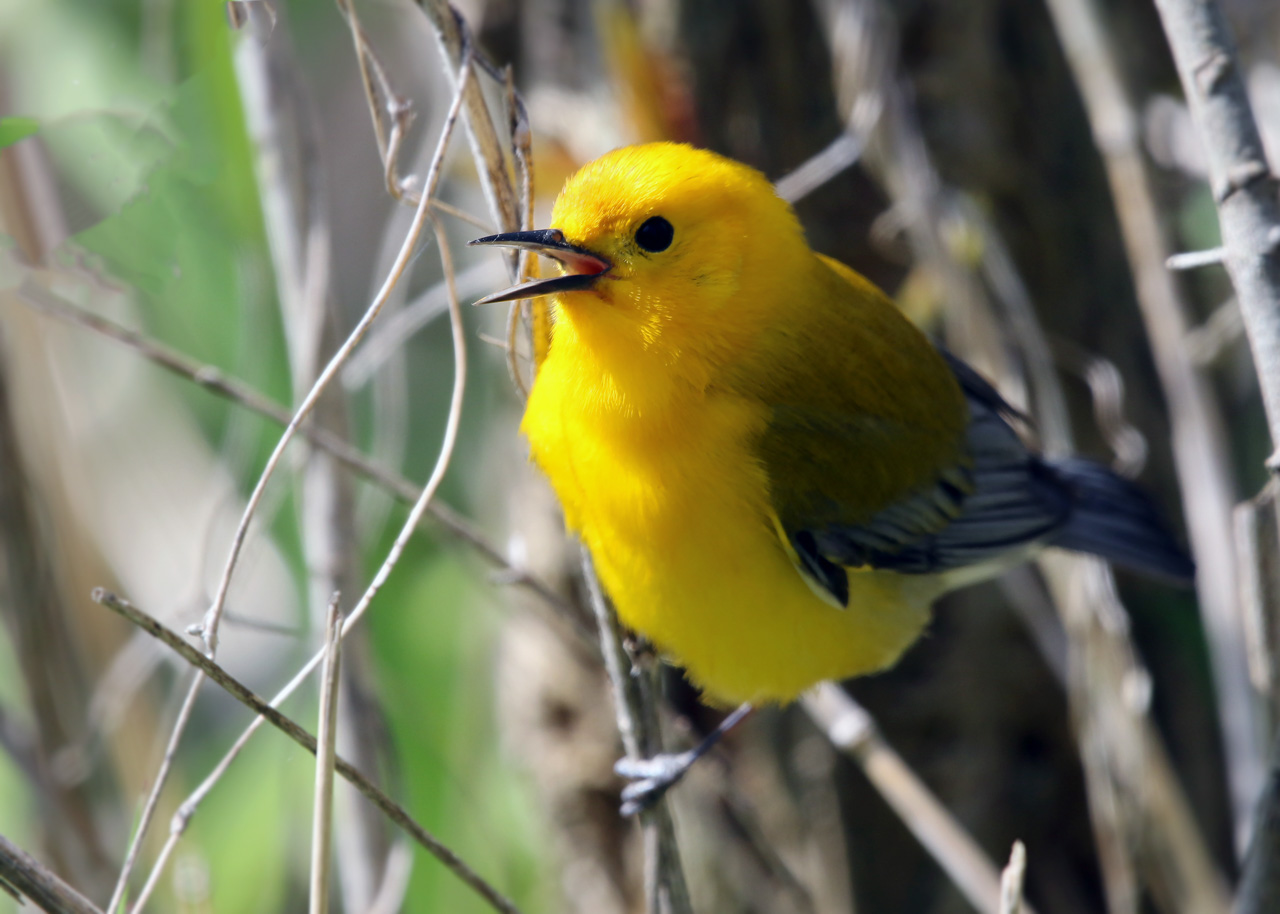
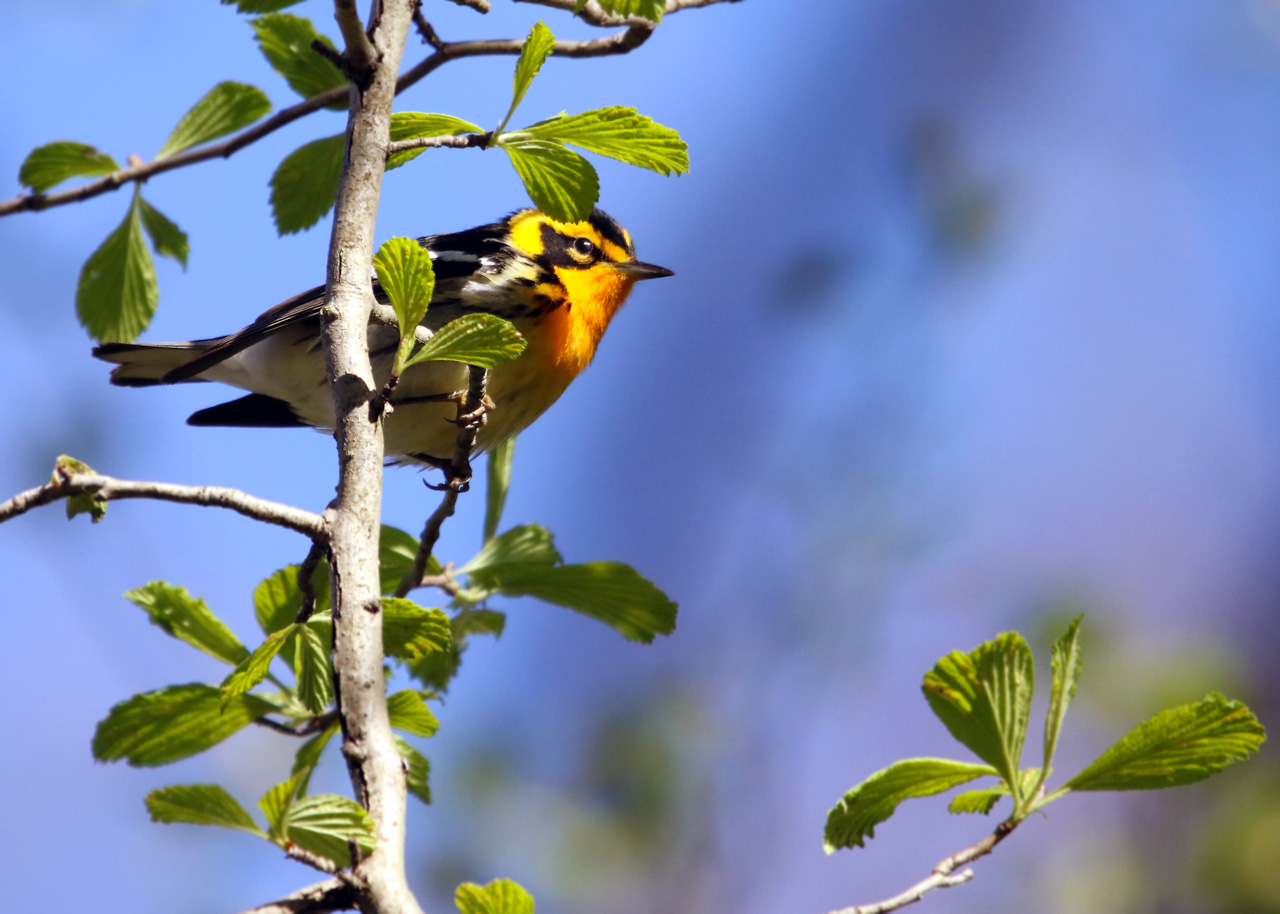
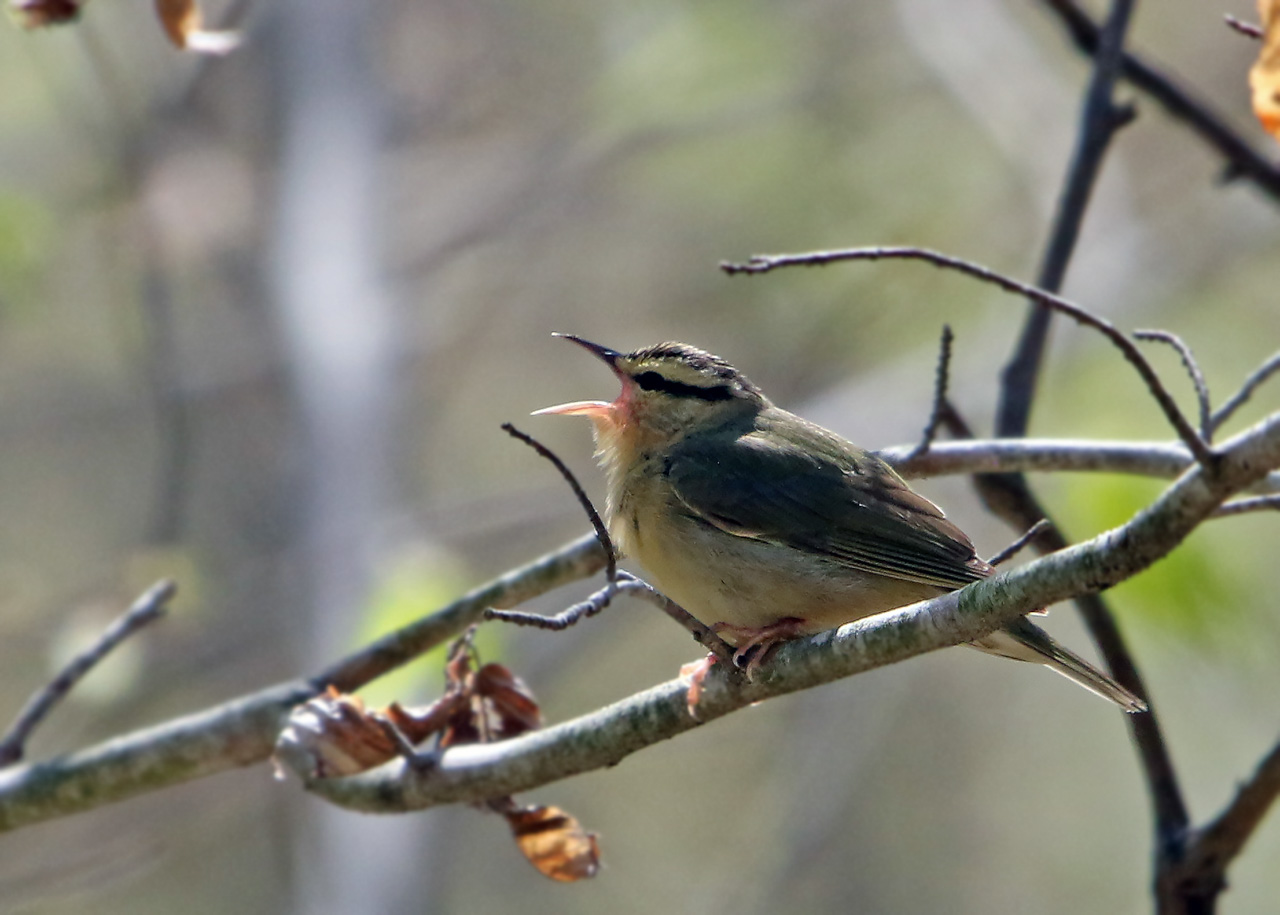
On May 10, the survey moved eastward to Rondeau Provincial Park and the Long Point area. These locations are characterized by Carolinian forest—a life zone found only in the southernmost portion of Ontario, featuring high biodiversity and many species at the northern limit of their range. At Rondeau, the expedition noted a significant surge in migration intensity, recording 15 warbler species in a single morning, including the Blackburnian and Cape May warblers. A rare Worm-eating Warbler foraging in the Tulip Tree Trail was identified as a regional highlight.
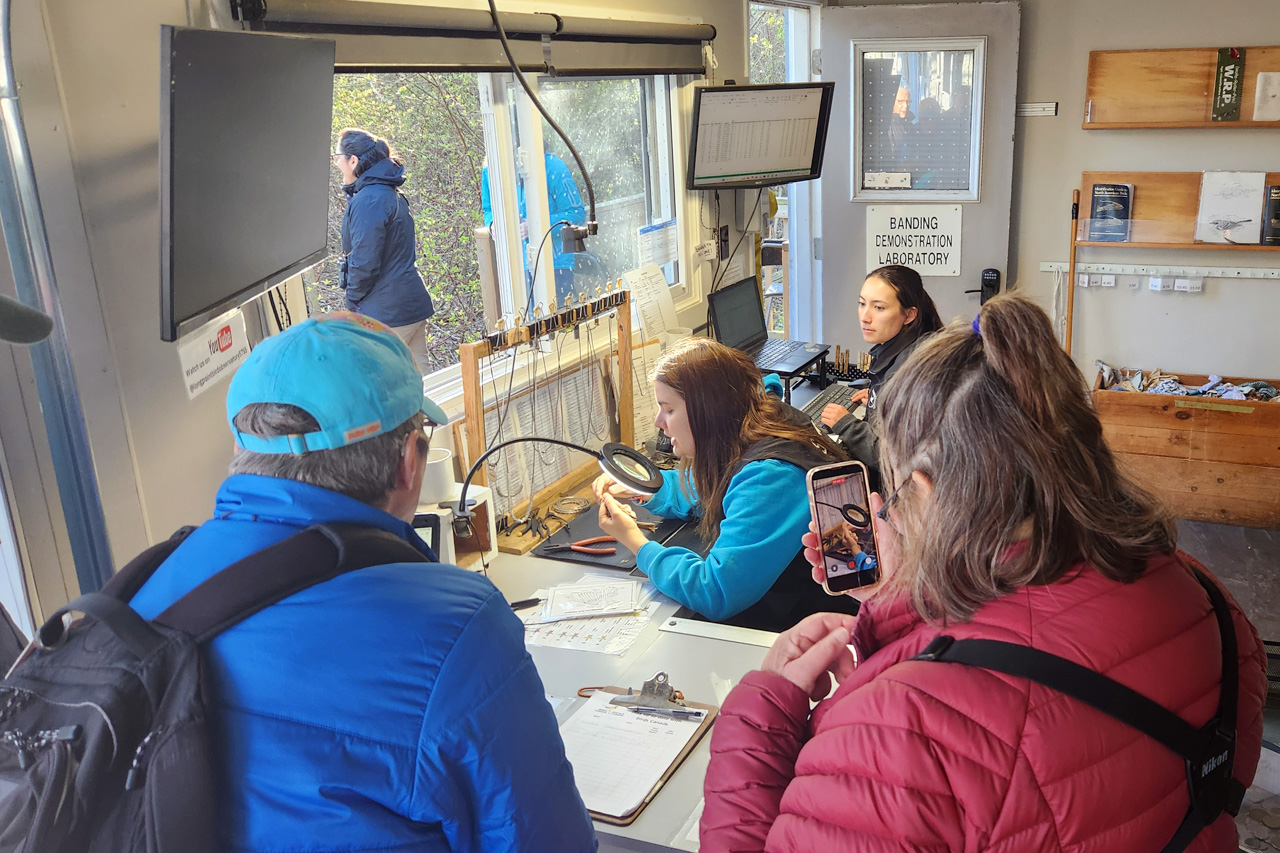
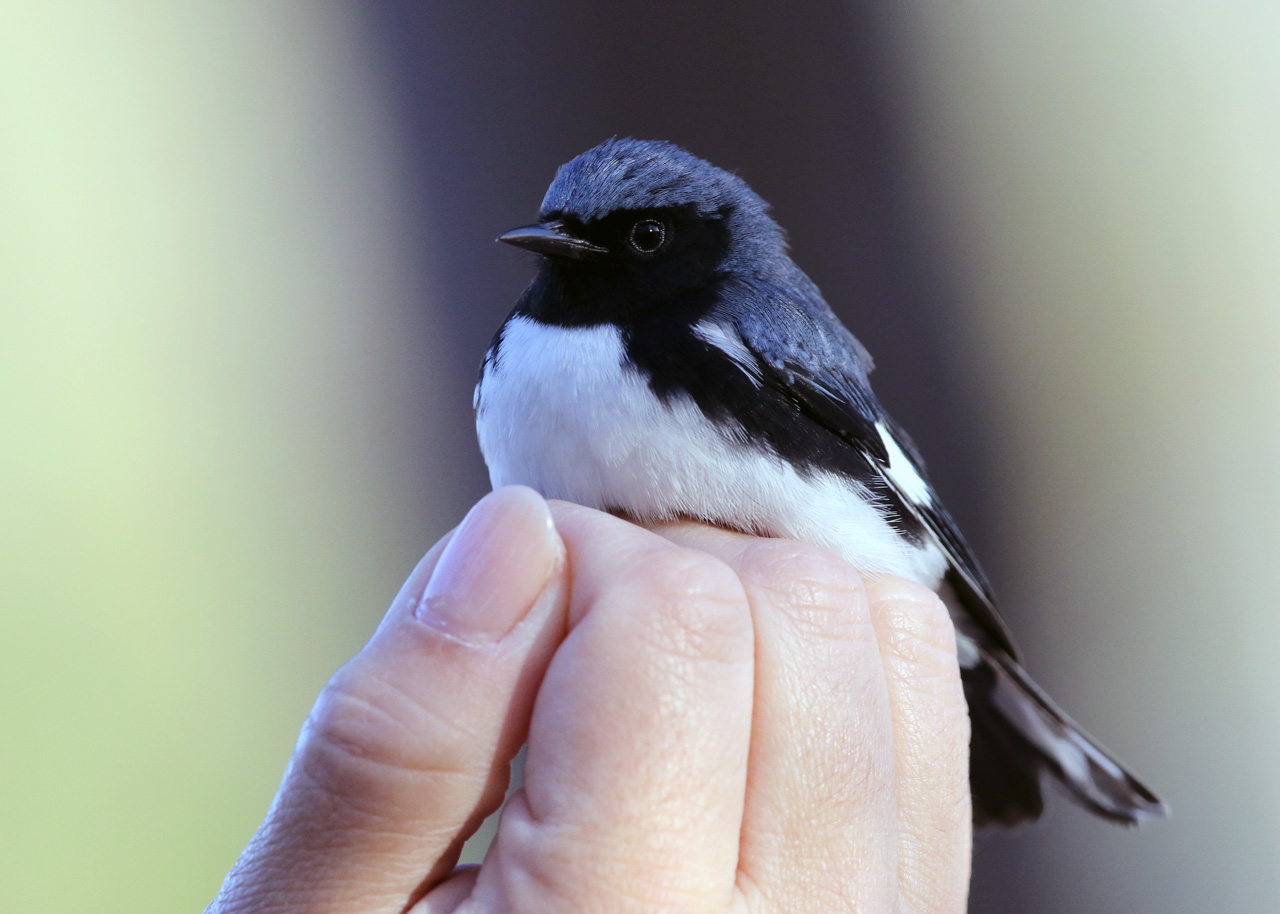
The Long Point region, while perhaps less publicized than Pelee, remains a cornerstone of North American avian research. The expedition visited the Old Cut Banding Station, managed by Birds Canada. Here, researchers provided demonstrations of the banding process, showcasing Black-throated Blue Warblers and White-crowned Sparrows. Scientific banding data from this station provides long-term insights into population trends and the health of the Atlantic Flyway.
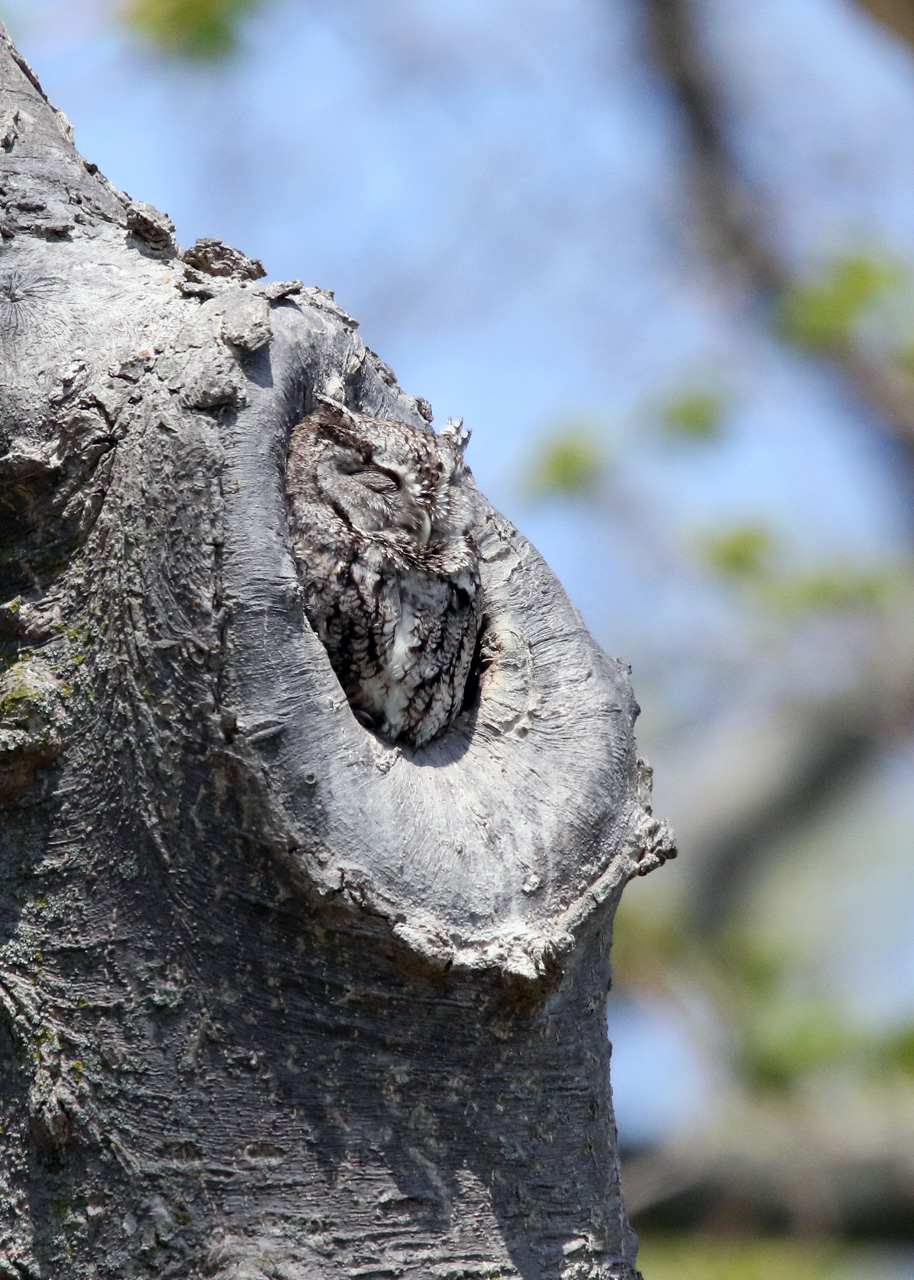
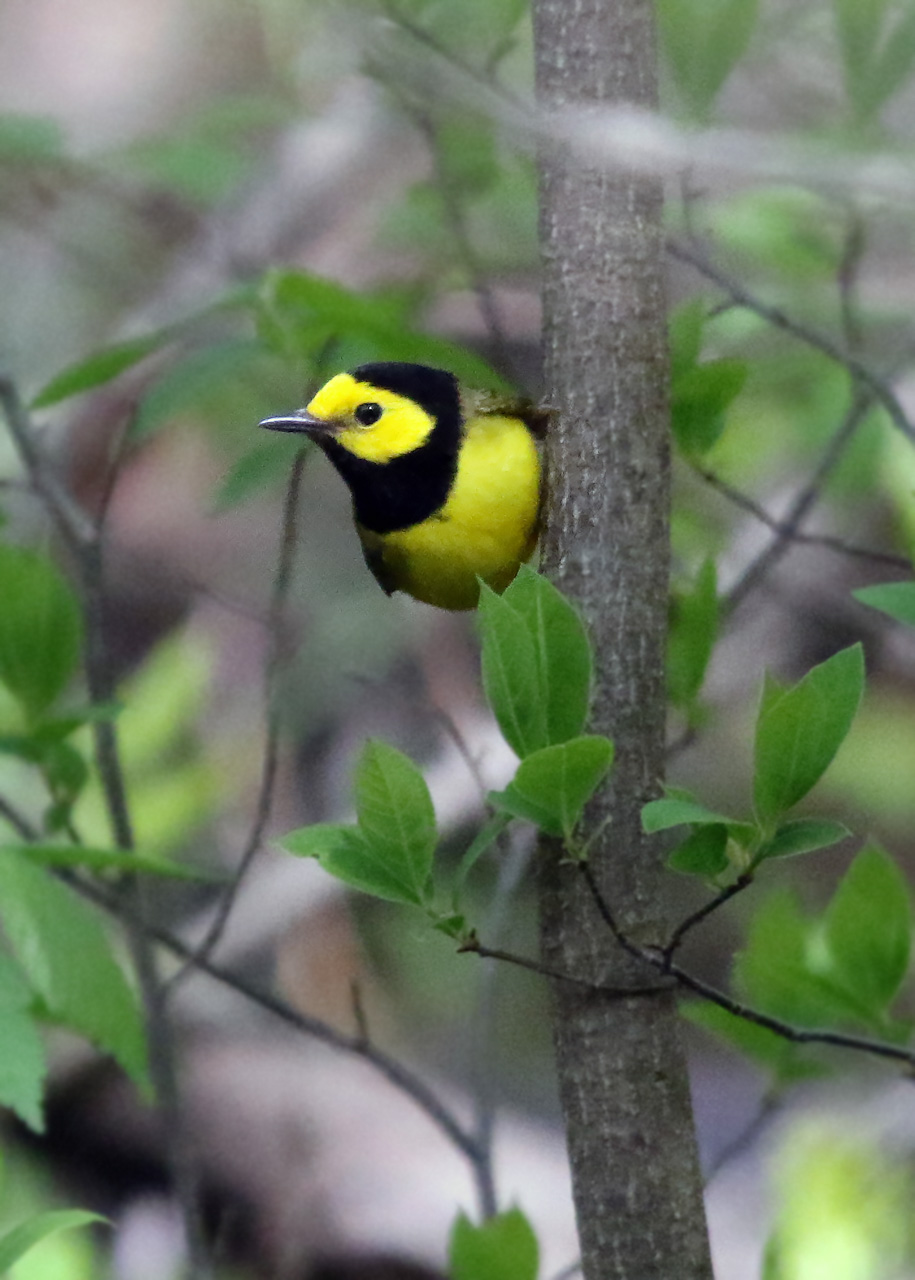
The survey in this region also included the Backus Woods and Big Creek areas. The former provided sightings of Scarlet Tanagers and Hooded Warblers among a carpet of spring ephemerals like trilliums and Dutchman’s breeches. The latter, a vast marshland, offered the only sightings of Common Gallinules and a resident family of Sandhill Cranes. The observation of an Eastern Whip-poor-will at dusk further emphasized the nocturnal biodiversity of the region’s field edges.
The Alvar Landscape: Carden Provincial Park
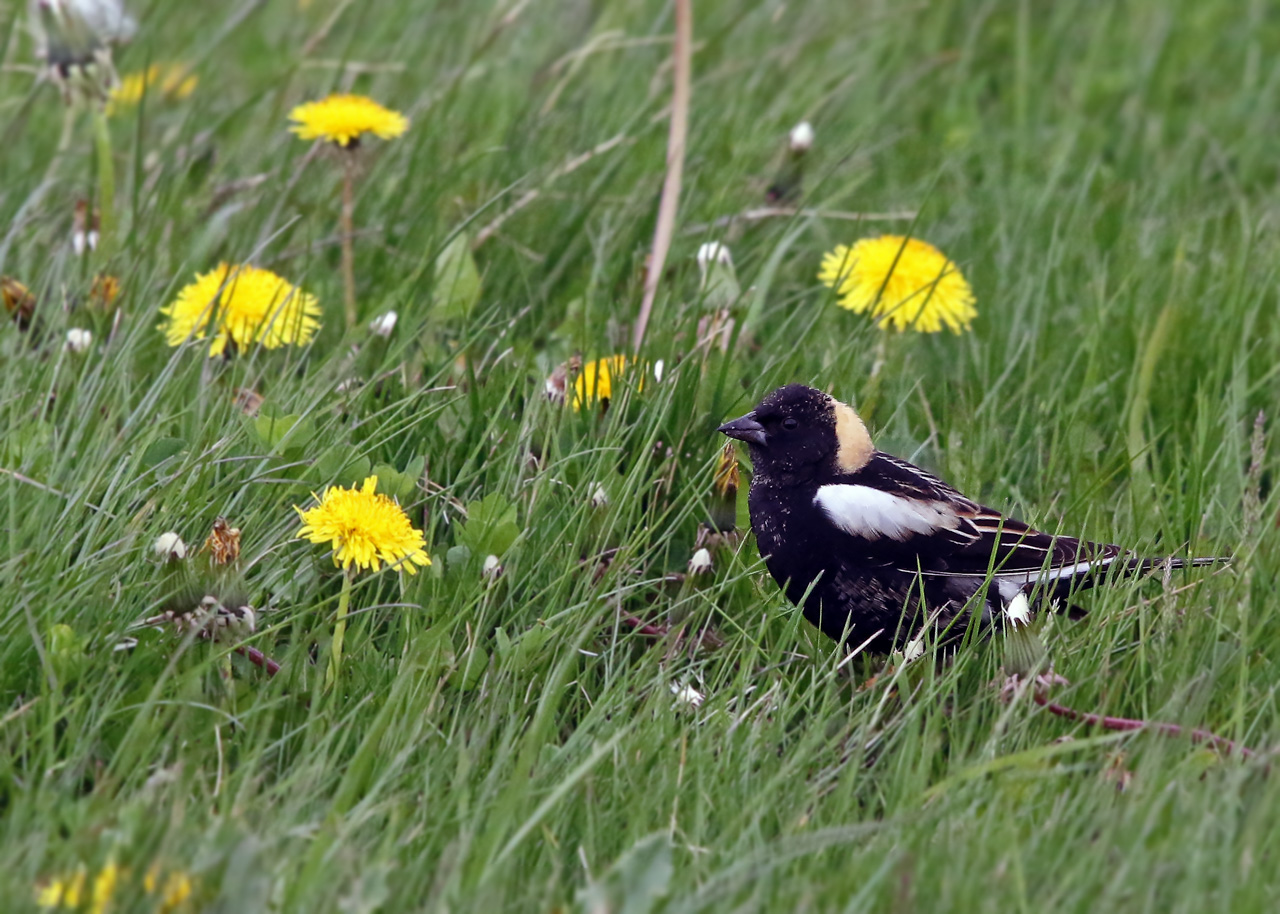
On May 13, the expedition transitioned to a vastly different geological setting: the Carden Alvar Provincial Park. Alvars are globally rare ecosystems characterized by thin soil over limestone bedrock, supporting unique grassland communities. This environment hosted a suite of species not found in the southern forests, such as the Eastern Meadowlark, Bobolink, and Grasshopper Sparrow.
While the group noted the absence of the provincially endangered Loggerhead Shrike—a species that has seen dramatic declines in its Carden stronghold—other sightings remained robust. A Golden-winged Warbler and a Virginia Rail were among the key data points collected. The Carden Alvar represents a critical habitat for grassland birds, which are currently among the most rapidly declining avian cohorts in North America due to habitat loss and agricultural intensification.
The Boreal Frontier: Algonquin Provincial Park
The final phase of the journey, from May 14 to May 16, took place in Algonquin Provincial Park. As the southernmost enclave of boreal forest in Ontario, Algonquin offers a stark contrast to the Carolinian south. The expedition focused on "specialty" boreal species, tracking down the Black-backed Woodpecker and the Ruffed Grouse.
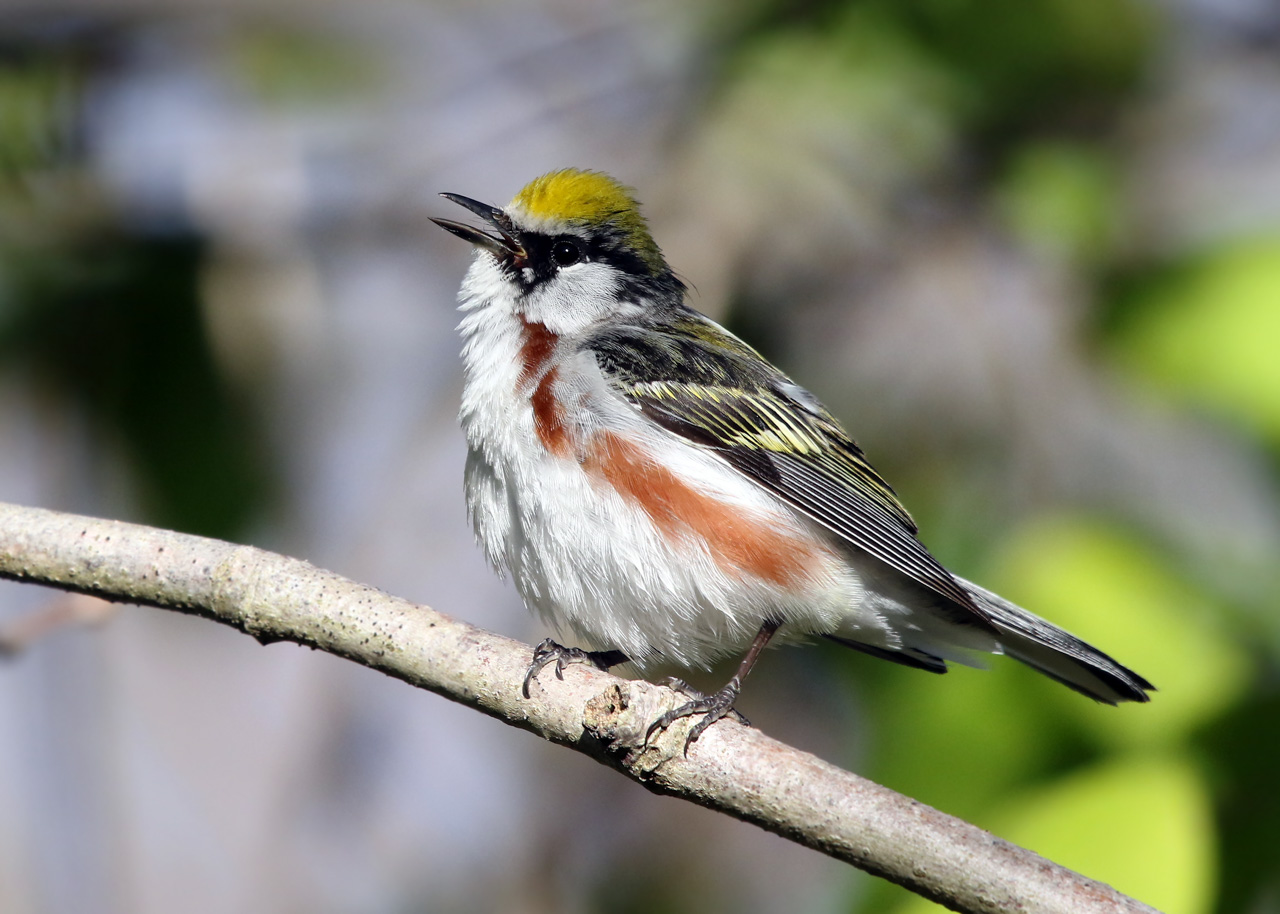
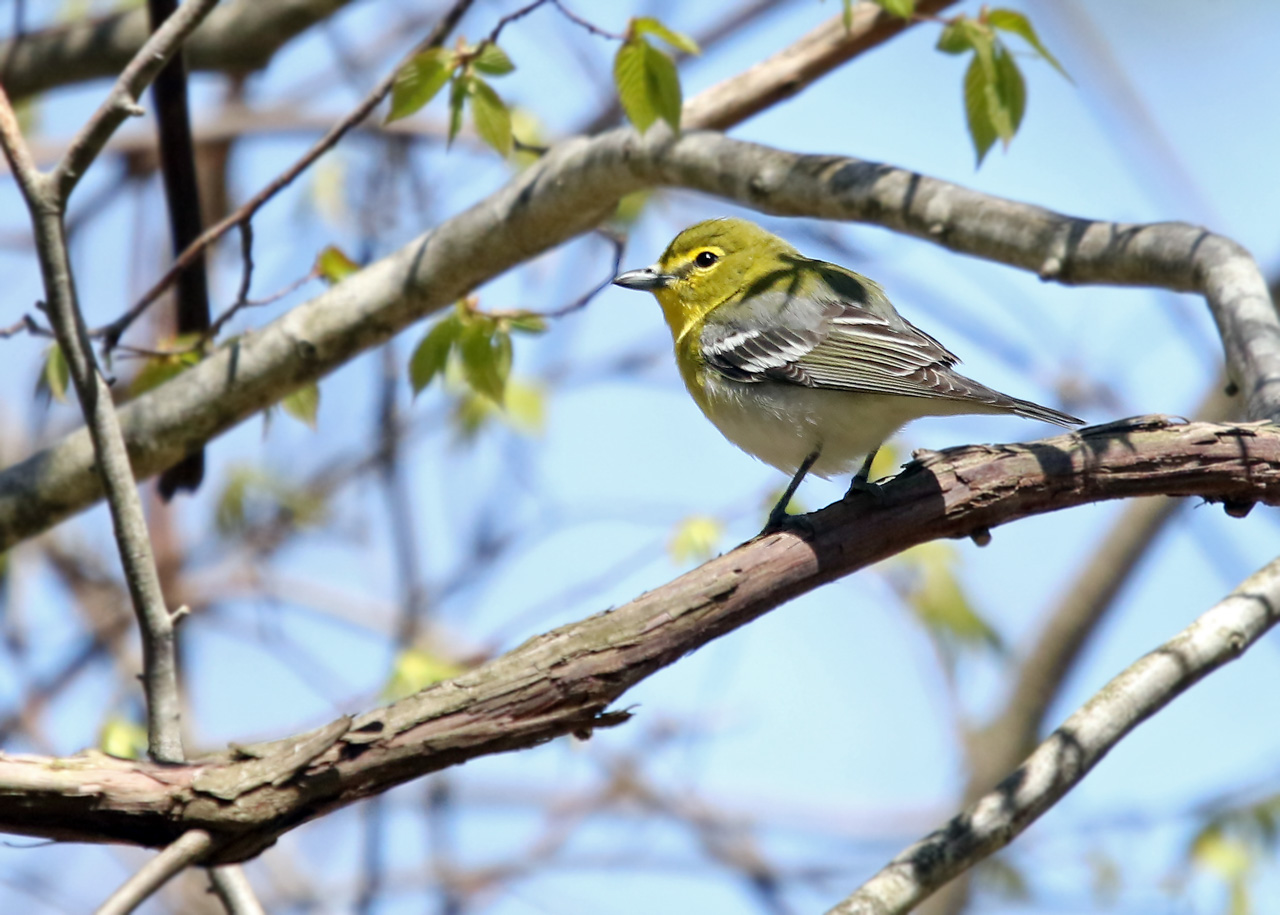
However, the survey noted a concerning trend: boreal species are reportedly becoming scarcer in Algonquin. Local experts suggest this may be a result of a "boreal retreat," where species move further north as climate change alters the temperature and vegetation profiles of their traditional southern ranges. Despite this, the group successfully identified 24 species of warblers by the end of the trip, with the final additions—Bay-breasted and Pine Warblers—found on the grounds of the Spring Lake Resort.
In addition to avian data, the Algonquin segment provided significant mammalian observations, including a roadside Moose and a Beaver. The trip concluded with a spectacular display by an American Woodcock, providing a definitive end to the 12-day assessment of Ontario’s spring biodiversity.
Analysis of Ecological Implications and Conservation Data
The data gathered during this 12-day expedition provides a snapshot of the current state of migration in the Great Lakes region. The recording of 24 warbler species and a wide array of shorebirds and waterfowl suggests that the migratory corridors of southern Ontario remain highly functional. However, the nuances of the observations point toward broader environmental challenges.
Climate Change and Phenology
The "boreal retreat" observed in Algonquin Park is a significant indicator of shifting climate zones. As temperatures rise, the specific habitat requirements for species like the Black-backed Woodpecker may no longer be met in their traditional southern limits. Furthermore, the timing of migration—phenology—is increasingly out of sync with the emergence of insects, the primary food source for migrating warblers. While this specific expedition saw high diversity, long-term data from stations like Long Point are essential to determine if these birds are arriving earlier each year.
Habitat Fragmentation and Protection
The reliance of the group on provincial and national parks (Point Pelee, Rondeau, Long Point, Carden, and Algonquin) highlights the indispensable role of protected areas. Outside of these zones, southern Ontario is heavily developed or farmed. The "trap" effect at Point Pelee is a testament to how birds are funneled into these remaining pockets of natural habitat. The continued protection and expansion of these "hotspots" are vital for the survival of species moving through the Atlantic and Mississippi flyways.
Economic and Social Impact
Birdwatching is a significant economic driver in Ontario. During the May migration window, thousands of "birders" visit the Lake Erie shoreline, supporting local hospitality and tourism industries. The expedition noted the "show of both birds AND birders" at Point Pelee, reflecting a growing public interest in citizen science and nature tourism. This social engagement is a powerful tool for advocating for conservation policy.
Conclusion
The 12-day survey from May 5 to May 16 successfully documented the peak of spring migration in southern Ontario. From the urban parks of Toronto to the ancient limestone alvars of Carden and the rugged boreal forests of Algonquin, the expedition underscored the region’s status as a premier destination for ecological observation. While the abundance and diversity of species remain impressive, the noted absence of certain endangered species and the shifting ranges of boreal birds serve as a reminder of the ongoing environmental pressures facing the continent’s avian populations. The findings reinforce the necessity of cross-regional habitat conservation and continued scientific monitoring to ensure that the spectacle of spring migration persists for future generations.
