
The Architectural Heart of Pigeon Racing
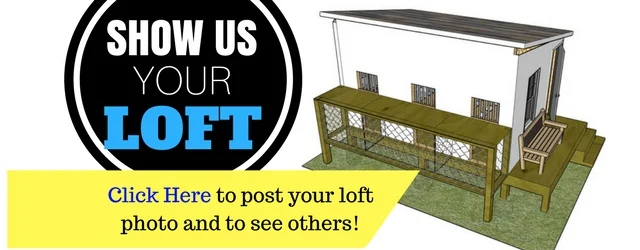
In the discipline of pigeon racing, the loft is far more than a simple enclosure; it is a sophisticated biological laboratory, a training center, and a sanctuary. The "Show Us Your Loft!" campaign highlights the critical role that infrastructure plays in the performance and health of the racing homer. Historically, loft design was a localized craft, passed down through generations within regional clubs. However, the globalization of the sport, facilitated by platforms like Pigeon Insider, has led to a cross-pollination of ideas.
A modern racing loft must address several complex variables: ventilation, security from predators, humidity control, and the facilitation of the "trapping" process—where birds return from a race and must enter the loft quickly to record their time. By encouraging members to post photos of their setups, the community provides a transparent look at how different climates and urban environments dictate specific architectural choices. For instance, a loft in the arid regions of the American Southwest requires vastly different cooling mechanisms compared to a loft in the damp, temperate climates of Belgium or the United Kingdom.
Evolution and Chronology of the Modern Loft
The history of pigeon housing has transitioned from basic wooden crates to high-tech, climate-controlled facilities. In the early 20th century, lofts were often makeshift structures located in backyards or on the roofs of tenement buildings. As the sport became more competitive and the financial value of top-tier avian bloodlines increased, the necessity for specialized housing became apparent.
- The Traditional Era (Pre-1950s): Lofts were primarily functional, focusing on basic shelter and protection from rain. Most were constructed from reclaimed timber with wire mesh fronts.
- The Systematic Era (1960s–1990s): The introduction of specific racing systems, such as the "Widowhood" method, required lofts to be divided into distinct sections for cocks and hens. Privacy and light control became essential components of design.
- The Technological Era (2000s–Present): Modern lofts now frequently incorporate electronic timing systems (ETS), automated cleaning belts, and sophisticated ventilation fans. The current "Show Us Your Loft!" initiative captures this era, showcasing how digital integration has become standard in the community.
Technical Analysis: Heat, Humidity, and Avian Health
A primary driver behind the community’s interest in loft design is the physiological impact of the environment on the racing pigeon. Data from veterinary studies and experienced racers suggest that temperature and humidity are the two most significant environmental factors affecting a bird’s respiratory health and, consequently, its racing speed.
High humidity within a loft can lead to the proliferation of pathogens such as coccidiosis and respiratory infections. Conversely, extreme heat can cause dehydration and stress, hindering the bird’s ability to recover after a grueling long-distance flight. The "Show Us Your Loft!" initiative allows members to see how successful "champions" manage these variables. Submissions often feature "deep litter" systems versus "grated floors," providing a visual case study on moisture management.
Expert analysis suggests that the most successful lofts maintain a constant flow of fresh air without creating drafts, which can be detrimental to the birds’ plumage and muscle tone. By sharing photos, veterans of the sport can offer critiques and advice to newcomers, ensuring that the fundamental standards of animal welfare are met across the global community.
The "Mistakes of Non-Champions": A Comparative Study
One of the most valuable aspects of the Pigeon Insider initiative is the ability to compare "champion" lofts with those of less successful racers. Historically, the "10 Mistakes of Non-Champions" often include poor loft hygiene, overcrowding, and inadequate ventilation.
Overcrowding is perhaps the most frequent error identified in community discussions. When a loft exceeds its carrying capacity, the oxygen levels drop, and the stress levels of the birds rise, leading to a breakdown in the "home loft" instinct that drives them to return quickly during races. Through the photo-sharing campaign, the community can visually demonstrate the ideal bird-to-space ratio. This peer-to-peer education is vital for maintaining the integrity of the sport and ensuring that the birds are kept in optimal conditions.
Educational and Social Impact
Beyond the technicalities of racing, the "Show Us Your Loft!" campaign serves an educational purpose. Racing pigeons have increasingly been used as learning tools in academic settings, teaching students about genetics, navigation, and biology. A well-constructed loft provides a controlled environment for these observations.

Furthermore, the initiative addresses the social aspect of the hobby. Pigeon racing has seen a decline in some Western regions due to urbanization and changing recreational interests. By creating a vibrant online gallery of lofts, Pigeon Insider revitalizes the sense of community. It allows a fancier in a remote village to feel connected to a professional breeder in a major city. This digital camaraderie is essential for the survival of the sport, as it provides a platform for mentorship that was previously limited to local physical clubs.
Economic Implications of High-End Loft Infrastructure
The financial investment required for a top-tier racing loft can be substantial. In the contemporary market, where a single champion pigeon can sell for over $1 million at auction, the infrastructure used to house such assets is treated with the same gravity as a high-end stable for thoroughbred horses.
The photos shared in the "Show Us Your Loft!" thread often reveal significant investments in security. Modern lofts are frequently equipped with CCTV, alarm systems, and reinforced entry points to protect valuable breeding stock. Additionally, the resale value of a property can be influenced by the presence of a professionally designed loft, particularly in regions where the sport remains a cultural staple.
Official Responses and Community Engagement
The response to the initiative has been overwhelmingly positive, with hundreds of members from various continents contributing to the discussion. Official moderators from Pigeon Insider have noted that the diversity of the submissions reflects the global reach of the sport.
"Seeing the ingenuity of our members is inspiring," noted a community representative in a recent update. "From repurposed garden sheds that have been meticulously optimized for airflow to custom-built multi-story facilities, the passion for the birds is the common thread."
The initiative also encourages members to discuss their "Breeding Lofts" specifically. Unlike racing lofts, breeding lofts must prioritize nesting space and the safety of young "squeakers." The nuances of these designs are a frequent topic of debate, with many members advocating for separate "sections" to prevent the spread of illness among the most vulnerable members of the flock.
Future Implications and Broader Impact
The "Show Us Your Loft!" campaign is more than a social media trend; it is a documentation of a specialized form of architecture that is rarely studied outside of the columbarian world. As urban planning laws become more stringent regarding the keeping of livestock and birds in residential areas, these photographic records serve as evidence of the clean, professional, and non-disruptive nature of modern pigeon racing.
In the long term, the data gathered from these community interactions may influence the development of pre-fabricated loft kits, making the sport more accessible to beginners. By standardizing the "fundamentals of pigeon racing" through visual examples, the Pigeon Insider Community is ensuring that the next generation of fanciers has a clear blueprint for success.
The initiative remains open to all members, with the community looking forward to a continued influx of submissions that highlight the beauty, complexity, and dedication inherent in the world of pigeon racing. As the sport continues to adapt to the digital age, the "loft"—the physical home of the racing pigeon—remains its most enduring and essential symbol. Through transparency and shared knowledge, the Pigeon Insider Community is helping to ensure that these homes are as safe, healthy, and efficient as possible for the avian athletes they house.
