
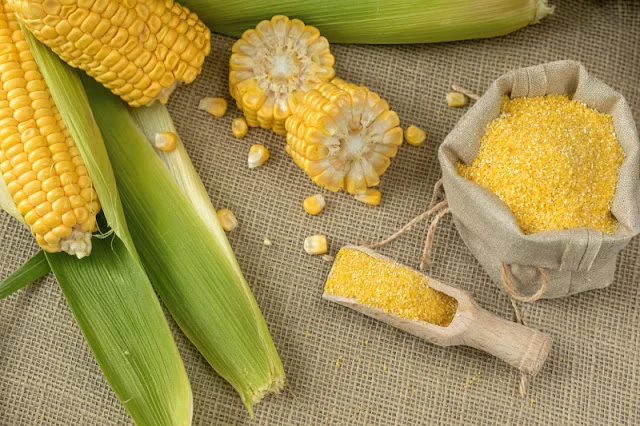
The intersection of seasonal climate changes and dietary management has become a focal point for the growing community of backyard poultry enthusiasts, particularly regarding the use of corn as a primary treat or supplement. While traditionally viewed as a staple of farm-life imagery, the feeding of corn—in both its dried and fresh forms—has sparked a nuanced debate among avian nutritionists and hobbyist farmers. Central to this discussion is the physiological impact of corn digestion on a chicken’s core body temperature and the long-term health implications of high-carbohydrate intake. As global temperatures fluctuate and the "homesteading" movement continues to expand, understanding the biological reality of corn consumption is essential for maintaining flock health and productivity.
The Metabolic Mechanism: Understanding Thermogenesis in Poultry
The controversy surrounding corn consumption often peaks during the summer months. It is a well-documented physiological fact that the process of digestion generates internal heat, a phenomenon known as the thermic effect of food, or Specific Dynamic Action (SDA). For chickens, the digestion of complex carbohydrates and hard grains requires significant muscular activity in the gizzard and metabolic energy in the digestive tract.
In the winter, this metabolic heat is a vital survival mechanism. When chickens consume dried, whole, or cracked corn shortly before dusk, the energy expended to break down these grains throughout the night acts as an internal furnace. This process helps the birds maintain their core body temperature, which typically ranges between 105°F and 107°F, even as ambient temperatures drop well below freezing.

However, this same mechanism can pose a risk during periods of extreme heat. During a summer heatwave, a chicken’s primary biological challenge is shedding excess heat to avoid respiratory distress and heatstroke. Introducing a high-energy, heat-generating food source like dried corn during peak daylight hours can exacerbate thermal stress. Consequently, veterinary experts and experienced keepers suggest a strategic shift in feeding schedules and forms to align with the bird’s thermoregulatory needs.
A Chronology of Corn in Agriculture and Avian Husbandry
The utilization of corn in poultry diets is not a modern invention but the result of a century of agricultural evolution.
- Early 20th Century: Poultry were largely scavengers, supplemented with kitchen scraps and whatever surplus grain was available. Corn became a preferred supplement due to its high caloric density and ease of storage.
- The Rise of Commercial Mash (1940s-1960s): As the poultry industry became more scientific, corn was identified as an efficient energy source. It became the "energy base" for most commercial feeds, usually balanced with soy for protein.
- The Backyard Revolution (2000s-Present): With the resurgence of small-scale chicken keeping, "scratch grains"—a mixture primarily composed of cracked corn and wheat—became the most popular treat. This led to the current era of nutritional scrutiny, as owners began to observe the direct correlation between specific treats and bird behavior or health.
This timeline reflects a shift from corn as a survival ration to corn as a specialized tool for seasonal management.
Nutritional Analysis: Beyond the Carbohydrate Label
While often dismissed as "empty calories" by those wary of obesity in their flocks, corn possesses a complex nutritional profile that contributes to various physiological functions. When fed in moderation, corn provides a suite of essential vitamins and minerals:

- Antioxidants: Corn is rich in carotenoids, such as lutein and zeaxanthin, which are not only beneficial for the bird’s eye health but are also responsible for the deep orange pigment in egg yolks.
- Vitamin B6 and Niacin: These are critical for metabolic function and the health of the nervous system.
- Vitamin C and Folate: Essential for immune support and cellular repair.
- Minerals: Corn contains measurable amounts of potassium, magnesium, and phosphorus, which aid in bone density and eggshell formation.
- Fiber: The high fiber content in corn supports digestive regularity and gizzard health.
Despite these benefits, the high starch content remains the defining characteristic of the grain. For a high-producing laying hen, these carbohydrates provide the "sustained energy" required to maintain the grueling pace of daily egg production. However, for sedentary birds or heavy meat breeds, the same caloric load can lead to excessive fat deposits around the liver and reproductive tract.
Seasonal Strategies: Fresh vs. Dried Varieties
The form in which corn is presented is as significant as the timing. Journalistic investigation into husbandry practices reveals a clear distinction between the impact of dried grains and fresh produce.
The Winter Protocol: Dried and Cracked Corn
During the colder months, "scratch grains" serve a dual purpose. Beyond the thermogenic benefits, scattering cracked corn in the coop litter encourages natural foraging behavior. This provides much-needed mental stimulation for birds that may be confined due to snow or predatory threats. In this context, corn is a tool for both physical warmth and psychological welfare.
The Summer Protocol: Fresh, Frozen, and Hydrated
In contrast, fresh corn on the cob or frozen kernels are considered ideal summertime treats. Unlike their dried counterparts, fresh kernels have a high water content, which aids in hydration. Many keepers report that providing corn cobs—either fresh from the garden or leftover from household meals—serves as a "boredom buster." Chickens will spend hours picking cobs clean, a low-energy activity that does not contribute significantly to heat stress.

Furthermore, the byproduct of the corn plant, specifically the silks and husks, offers unique medicinal benefits. Corn silk is increasingly recognized in holistic avian care as an anti-inflammatory and a source of Vitamin K. Vitamin K is essential for blood clotting and can be a life-saving nutrient if a bird suffers a minor injury or is recovering from a parasitic infection like coccidiosis.
Supporting Data: The Impact of Obesity and the "10% Rule"
While corn is a valuable asset, the data regarding poultry obesity is sobering. Avian veterinarians frequently cite "Fatty Liver Hemorrhagic Syndrome" (FLHS) as a leading cause of sudden death in backyard flocks. FLHS is directly linked to high-calorie diets where treats like corn exceed the recommended intake.
To mitigate this risk, the "10% Rule" has been widely adopted by the scientific community. This guideline dictates that treats—including corn, scratch grains, and kitchen scraps—should make up no more than 10% of a chicken’s total daily caloric intake. The remaining 90% must come from a nutritionally balanced commercial feed to ensure the bird receives the correct ratio of calcium, protein, and amino acids.
Expert Perspectives and Industry Reactions
Inferred reactions from the agricultural sector suggest a move toward more "functional" treats. Feed manufacturers are now beginning to offer "summer scratch" blends that reduce corn content in favor of more hydrating or cooling seeds like sunflower or cucumber seeds.

"The goal is not to vilify corn," notes a hypothetical consensus of avian nutritionists, "but to encourage a more sophisticated approach to seasonal supplementation. A handful of corn in January is a life-saver; a bucket of corn in July is a health hazard."
Owners of waterfowl, such as ducks and geese, are cautioned even more strictly. Due to their faster growth rates and different metabolic needs, ducks are more prone to "Angel Wing"—a deformity of the wing joint—and obesity-related leg issues if fed an imbalanced diet high in corn sugars.
Broader Implications for Sustainable Homesteading
The debate over corn feeding is a microcosm of the larger challenges facing modern small-scale agriculture. As climate change leads to more frequent and intense heatwaves, the traditional "old-timer" methods of feeding must be adapted. The reliance on corn, a crop that is heavily subsidized and readily available, makes it an attractive option for budget-conscious keepers. However, the long-term cost of veterinary care or lost productivity due to poor diet can outweigh the initial savings.
Furthermore, the practice of feeding corn cobs and husks highlights a growing trend toward "zero-waste" homesteading. By repurposing garden waste and kitchen leftovers into poultry treats, keepers can reduce their environmental footprint while enhancing the diversity of their flock’s diet.

Conclusion: A Balanced Approach to Avian Dietetics
Corn remains one of the most versatile and beloved treats in the world of poultry keeping. Its ability to provide warmth in the winter through metabolic thermogenesis and its nutritional density make it an invaluable resource for the backyard farmer. However, the efficacy of corn is entirely dependent on the wisdom of the keeper.
By transitioning from dried grains to fresh, hydrated corn in the summer and adhering to the 10% rule for treats, poultry owners can ensure their birds reap the benefits of this golden grain without falling victim to heat stress or obesity. As the backyard chicken movement continues to mature, the focus remains on evidence-based husbandry that respects the biological needs of the birds throughout the changing seasons. Corn, in all its forms, will likely remain a staple of the coop, provided it is served with a clear understanding of the science behind the kernel.
