
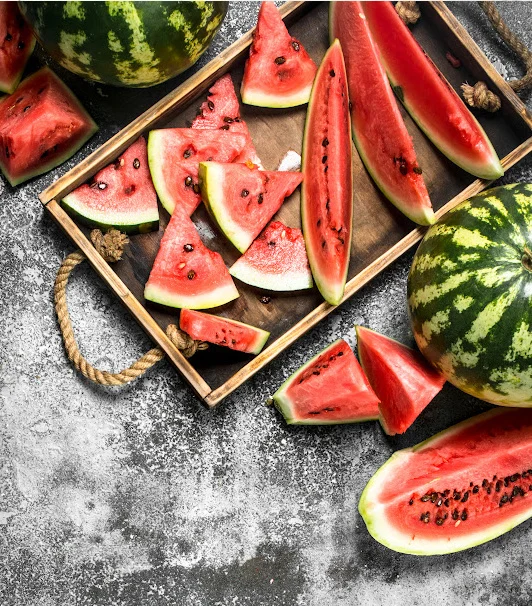
The integration of high-moisture botanical supplements into the diets of domestic poultry has emerged as a critical strategy for small-scale farmers and backyard enthusiasts seeking to maintain flock health during periods of extreme thermal intensity. As global temperatures continue to fluctuate, with summer heatwaves becoming both more frequent and more severe, the physiological welfare of Gallus gallus domesticus—the common chicken—requires proactive nutritional interventions. Among the most effective supplemental food sources identified by avian experts and seasoned agriculturists is the watermelon (Citrullus lanatus). This fruit, characterized by its extraordinary water content and dense micronutrient profile, serves as more than a mere treat; it functions as a biological tool to combat dehydration, oxidative stress, and parasitic load in poultry populations.
The Physiological Necessity of Hydration in Avian Species
Chickens are remarkably resilient creatures, yet they possess a unique physiological vulnerability to high temperatures. Unlike mammals, chickens do not have sweat glands. They rely primarily on respiratory evaporation—panting—to dissipate excess body heat. This process, while effective for cooling, leads to a rapid loss of internal moisture and can quickly result in respiratory alkalosis, a condition where the bird’s blood pH levels become imbalanced due to the excessive loss of carbon dioxide.
When ambient temperatures exceed 85 degrees Fahrenheit (29 degrees Celsius), poultry begin to experience varying levels of heat stress. At this threshold, the consumption of water becomes the single most important factor in survival and productivity. Watermelon, which is comprised of approximately 92 percent water, provides an immediate and highly palatable source of hydration. By offering watermelon during peak heat hours, keepers can ensure that birds are ingesting fluids even if they are reluctant to move toward traditional waterers. The mechanical action of pecking at the moist flesh of the melon also encourages natural foraging behaviors, which can often be suppressed when birds are lethargic due to heat.
.jpg)
Nutritional Composition and its Impact on Poultry Vitality
Beyond its primary function as a hydrating agent, watermelon contains a sophisticated array of vitamins and minerals that bolster the avian immune system. According to nutritional analysis, the fruit is a significant source of Vitamin A, Vitamin B6, and Vitamin C, alongside essential minerals such as magnesium and potassium.
Vitamin C, in particular, plays a pivotal role in heat stress management. While chickens are capable of synthesizing their own Vitamin C under normal conditions, their internal production often fails to meet the demand during periods of environmental stress. Supplementing with watermelon helps bridge this gap, supporting the adrenal glands and reducing the levels of corticosterone, a stress hormone that can inhibit growth and egg production.
Furthermore, the presence of potassium and magnesium acts as an electrolyte replacement. As chickens pant and increase their water intake, they frequently flush essential salts from their systems. The electrolytes found in watermelon help maintain the osmotic balance within the bird’s cells, preventing the systemic collapse often associated with severe dehydration.
Carotenoids and the Economics of Egg Quality
For poultry keepers focused on egg production, the dietary intake of their flock directly correlates with the marketability and nutritional value of the final product. Watermelon is rich in carotenoids, the organic pigments responsible for the vibrant red and orange hues found in various fruits and vegetables. When chickens consume these pigments, they are metabolized and deposited into the yolk of the egg.
.jpg)
The result is a shift in the Roche Yolk Color Fan scale, moving the yolk from a pale, straw-like yellow to a deep, rich orange. While yolk color is often perceived by consumers as a sign of superior flavor, it is also an indicator of increased levels of Vitamin A and antioxidants. By utilizing watermelon as a seasonal supplement, keepers can enhance the aesthetic and nutritional quality of their eggs without resorting to synthetic feed additives, thereby maintaining a more "natural" or "organic" production profile.
Antioxidant Properties and Long-Term Health Implications
One of the most significant discoveries in avian nutrition is the impact of lycopene on long-term health. Watermelon contains higher concentrations of lycopene than any other fresh fruit or vegetable, including tomatoes. Lycopene is a powerful antioxidant that neutralizes free radicals—unstable molecules that can damage cells and lead to chronic diseases.
In poultry, the regular intake of antioxidants has been linked to a reduction in the incidence of certain cancers and cardiovascular issues. While the lifespan of a commercial broiler or layer is relatively short, backyard flocks kept for companionship or long-term egg production benefit immensely from these protective compounds. By reducing oxidative damage at the cellular level, watermelon contributes to a more robust immune response, making the flock less susceptible to common environmental pathogens.
The Role of Cucurbitacin in Natural Parasite Management
A lesser-known but equally vital component of the watermelon is cucurbitacin. This biochemical compound is found in various members of the Cucurbitaceae family, including cucumbers, pumpkins, and watermelons. Preliminary observations and traditional agricultural wisdom suggest that cucurbitacin may act as a natural anthelmintic, or "wormer," for poultry.

Internal parasites, such as roundworms and tapeworms, can devastate a flock, leading to weight loss, decreased egg production, and increased mortality. While watermelon should not be viewed as a total replacement for veterinary-prescribed deworming protocols in the event of a severe infestation, its inclusion in the diet serves as a preventative measure. The seeds of the watermelon, which are entirely safe for chickens to consume, are believed to contain higher concentrations of these beneficial compounds, providing a mechanical and chemical deterrent to intestinal parasites.
Practical Application: Serving Methods and Safety Protocols
The versatility of the watermelon allows for various delivery methods, each catering to different flock dynamics. The most common approach involves slicing the melon in half and placing it in the run, allowing the birds to peck at the flesh, seeds, and rind. Because the rind is also edible and contains high levels of fiber and citrulline (an amino acid that aids blood flow), it should not be discarded.
For keepers seeking to maximize the cooling effect, "watermelon slushies" or frozen melon chunks are recommended. By blending the melon and freezing it in molds, owners provide the birds with a long-lasting cooling station. This method is particularly effective during multi-day heatwaves where maintaining a low core body temperature is a matter of survival.
However, professional poultry management requires adherence to certain safety standards. While watermelon is beneficial, it must be offered as a supplement rather than a primary feed source. A chicken’s diet should still consist of at least 90 percent high-quality balanced poultry feed to ensure they receive the necessary protein and calcium for skeletal health and eggshell formation. Additionally, any uneaten watermelon should be removed from the coop or run at the end of the day to prevent the growth of mold and to avoid attracting nocturnal predators or pests.

Broader Implications for Sustainable Agriculture
The use of watermelon in poultry care aligns with broader trends in sustainable and circular agriculture. Often, "ugly" fruit that is deemed unsuitable for retail sale due to cosmetic imperfections can be diverted from landfills and repurposed as high-value animal feed. This not only reduces waste but also lowers the input costs for the poultry keeper.
The expert consensus, championed by figures such as Lisa Steele, a fifth-generation chicken keeping expert and author, emphasizes a return to "old-timer" methods that prioritize natural health over chemical intervention. This philosophy suggests that a diverse diet, mimicking the variety a bird might find in a natural foraging environment, leads to a more resilient and productive flock.
Conclusion: A Strategic Component of Avian Welfare
In summary, the watermelon represents a critical intersection between hydration, nutrition, and preventative medicine in the field of backyard poultry management. Its ability to provide immediate relief from heat stress, coupled with its long-term benefits for egg quality and immune function, makes it an indispensable tool for the modern keeper. As climate patterns shift and the demand for high-quality, home-raised food increases, the strategic use of such botanical supplements will likely remain a cornerstone of best practices in avian husbandry. By understanding the biochemical and physiological impacts of these natural treats, poultry keepers can ensure the health and longevity of their flocks through even the most challenging environmental conditions.
