
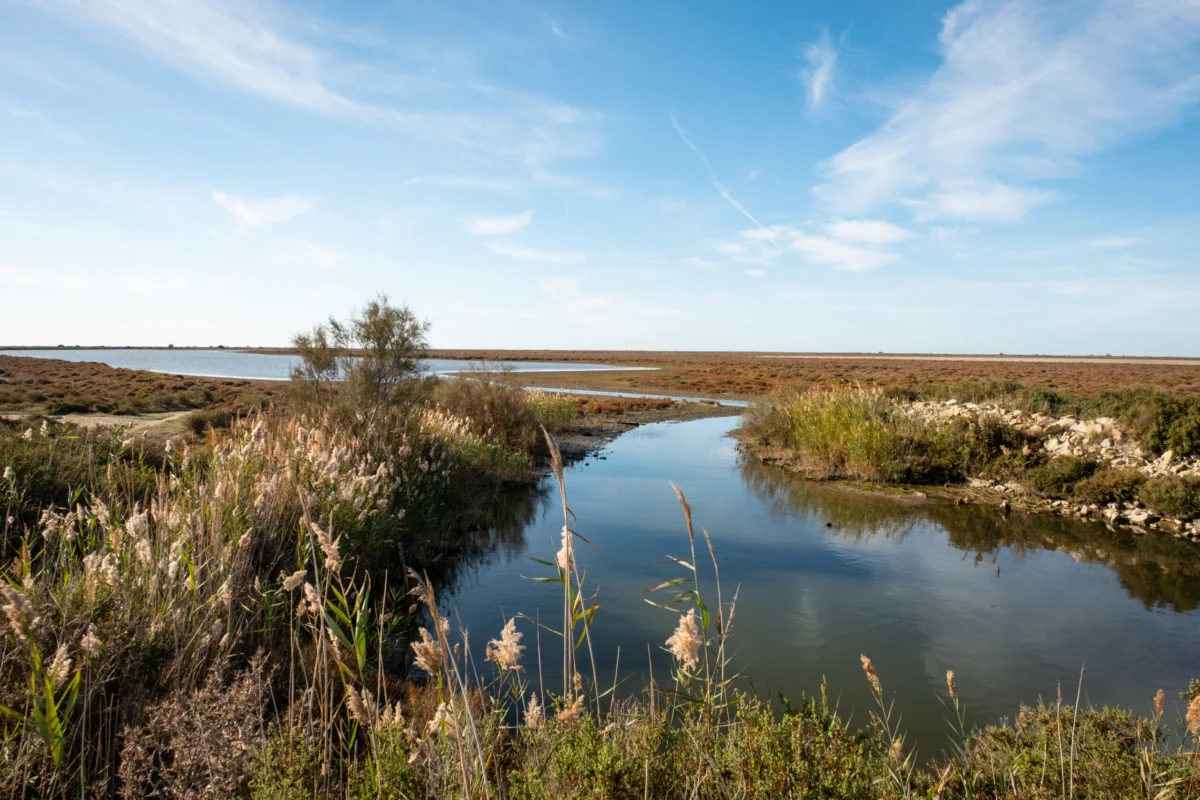
As spring unfurls across southern France, painting the Camargue with the vibrant hues of returning migratory birds, a stark contrast is emerging between the region’s unparalleled natural beauty and the mounting pressures it faces. The Rhône delta, a vital European wetland of international renown, is at a critical juncture, caught between its ecological significance and a series of ambitious infrastructure projects that threaten its delicate balance. This article delves into the ecological importance of the Camargue, the specific threats it confronts, and the growing concerns over democratic participation in decision-making processes that will shape its future.
A Jewel of Biodiversity: The Ecological Significance of the Camargue
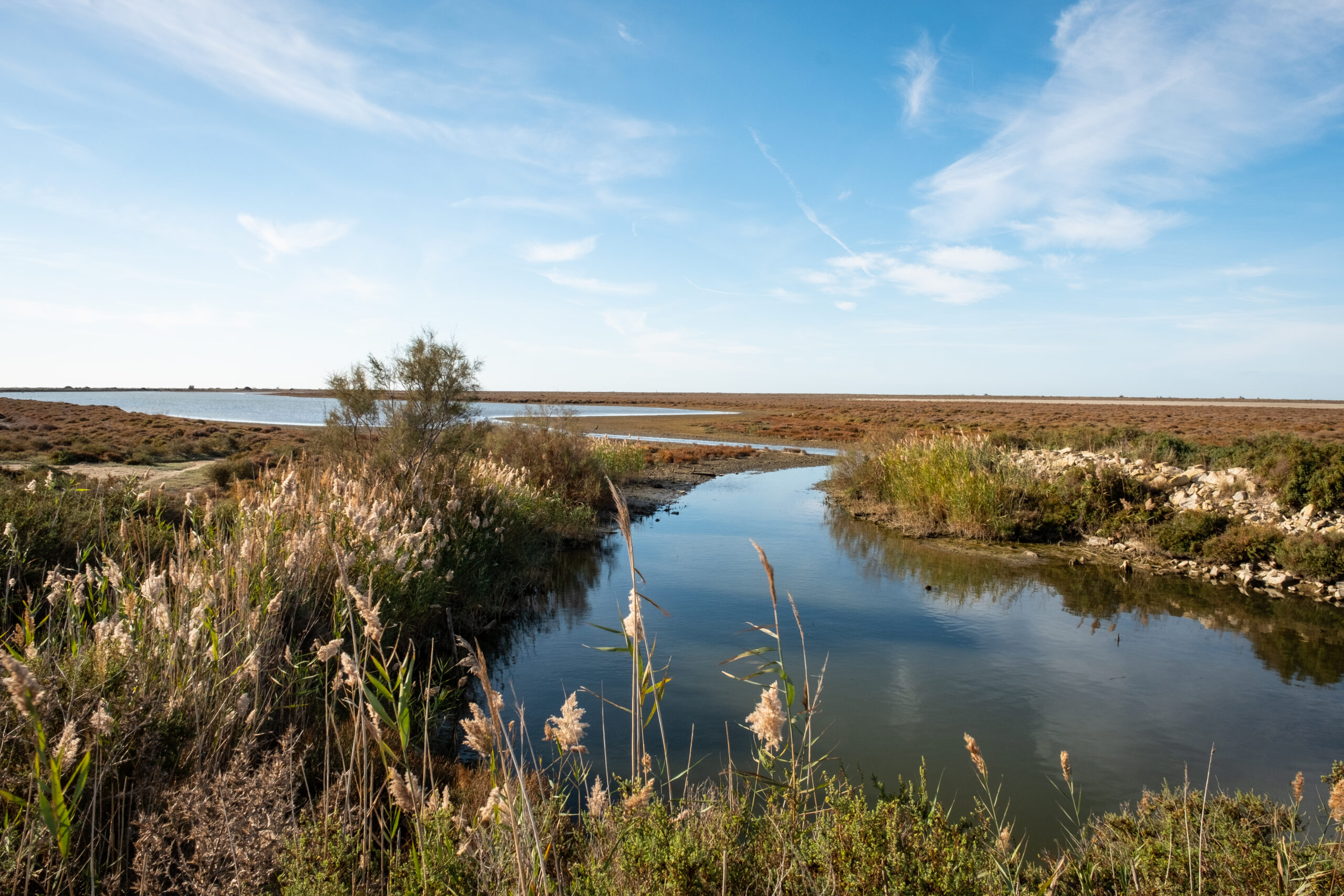
The Camargue, situated at the mouth of the Rhône River, stands as one of Europe’s largest and most ecologically diverse wetland systems. Its unique landscape, a mosaic of salt marshes, lagoons, reed beds, and rice paddies, provides a critical haven for an astonishing array of wildlife. The region lies along major migratory flyways, serving as an indispensable stopover and breeding ground for tens of thousands of birds. It is estimated that the Camargue hosts approximately 400 bird species, a testament to its rich biodiversity. More alarmingly, it shelters 103 species listed on the European Red List of the IUCN, highlighting the urgent need for their protection.
This ecological richness is not confined to birds. The Camargue, along with the adjacent Crau and Alpilles regions, forms a biodiverse "golden triangle" of immense ecological value, recognized globally. The French State, acknowledging this importance early on, designated the Camargue primarily for its environmental role, a strategic decision made in the 1970s that contrasted with the industrial development of the nearby Fos-Berre area and the tourism focus in Languedoc-Roussillon.
This commitment to conservation has been consistently reinforced over the decades. In 1986, the Camargue achieved a landmark designation as the first French site recognized as a Wetland of International Importance under the Ramsar Convention. Today, it boasts an exceptional array of protection statuses and labels, including UNESCO Biosphere Reserve status, designation as a Regional Natural Park, and the presence of multiple nature reserves and sites managed by the Conservatoire du Littoral. These accolades underscore the international recognition of its unique ecological value and the imperative to safeguard it.
Mounting Pressures: Infrastructure Projects in Conflict with Conservation
Despite its protected status, the Camargue is currently facing a confluence of significant threats from proposed infrastructure projects. These developments, when considered individually, raise serious concerns. However, their cumulative impact poses a far greater risk to the integrity of this fragile ecosystem.
The High-Voltage Power Line (THT) Project
One of the most contentious projects is the proposed construction of a very high-voltage power line (THT) that would traverse both the Camargue and the Crau plains. The stated rationale for this project is to bolster energy capacity, with a target of delivering an additional 4 GW of power by 2030. Proponents argue that an overhead line is the only feasible method to achieve this capacity within the given timeframe.
However, this project has met with widespread opposition. Environmental organizations, local residents, farmers, and protected area managers have voiced strong concerns regarding its potential impacts on the region’s sensitive environment, its iconic landscapes, and the local economy. The overhead nature of the line is particularly problematic, raising fears of visual blight, habitat fragmentation, and potential risks to avian populations through electrocution or collision.
The Arles Superhighway
Another significant infrastructure proposal is a superhighway project planned to cut through a portion of the Camargue. This development is particularly alarming as it threatens to impact some of the delta’s rare and ecologically vital peatlands. Peatlands are crucial carbon sinks and play a significant role in hydrological regulation. Their destruction or degradation could have far-reaching environmental consequences, exacerbating climate change impacts and disrupting local water cycles.
The Bridge for Heavy Lorries
A third project involves the construction of a bridge designed to facilitate heavy lorry traffic through the heart of the delta. While the explicit aim might be to improve logistical flows, critics argue that this will lead to increased noise pollution, air pollution, and traffic congestion within a protected natural area. The increased heavy vehicle presence could also pose risks to wildlife and further fragment sensitive habitats.
A Democratic Deficit: Consultation Processes Under Scrutiny
Beyond the direct ecological impacts, a critical concern emerging from these projects is the perceived democratic deficit in the decision-making process. While consultation efforts have been undertaken, many stakeholders feel their voices have not been adequately heard or considered. The State has, in several instances, maintained its original positions despite clear opposition from local communities and environmental experts, leading to a sense of disenfranchisement and a erosion of trust in governance.
The Fos-Berre Reindustrialization Debate and the THT Line
A pivotal moment in this unfolding scenario was the public debate organized in 2025 by the National Commission for Public Debate (CNDP) concerning reindustrialization and decarbonization projects in Fos-Berre. During this debate, significant opposition to the overhead THT line was articulated, focusing on its environmental, landscape, and economic ramifications. An alternative solution was put forward, as documented in the public debate report.
Despite this clear expression of public concern, the State maintained its initial stance. The CNDP’s recommendations, including the initiation of a conciliation process to find a balanced solution, were not adopted. The responses regarding the industrial rationale for the projects have been characterized as vague, failing to adequately address critical aspects such as sufficiency and the multifaceted roles of these territories. This suggests a prioritization of development goals over the nuanced concerns raised during public deliberation.
The Arles Superhighway Public Inquiry
A similar pattern emerged with the Arles superhighway project. Following a public inquiry held in December 2025, the Commission delivered an unequivocal opinion. It issued an unfavorable ruling on the project’s declaration of public utility and a strongly unfavorable assessment regarding its socio-economic, environmental, and health impacts. Notwithstanding these critical findings, the regional prefect has recently confirmed the State’s intention to proceed with the project.

Implications for Democracy and Environmental Governance
The persistent disregard for the outcomes of consultation processes and public inquiries carries significant implications for democratic governance and public trust. Such decisions appear to conflict with fundamental rights, including the right to public participation in environmental decision-making, as enshrined in Article 7 of the French Environmental Charter and the international framework of the Aarhus Convention.
This situation resonates with warnings issued by the United Nations Special Rapporteur on Environmental Defenders, Michel Forst. In his 2024 report, Forst highlighted an alarming erosion of democratic safeguards and a progressively weakened public participation, with particular concern noted for France. His findings underscore a global trend where environmental decision-making processes are increasingly perceived as lacking transparency and genuine stakeholder engagement.
Rethinking Solutions: Towards Sustainable Coexistence
The challenges facing the Camargue are undeniable, but the proposed solutions must not create a false dichotomy between economic development and environmental protection, nor pit the energy transition against natural heritage preservation. Instead, they must be rooted in principles of sufficiency – in energy, land use, and water management. Crucially, biodiversity must no longer be treated as a mere "adjustment variable" in development plans.
The Camargue, situated at the delta of one of Europe’s most powerful rivers, is at the forefront of the challenges confronting the 21st century. Its wetlands are not simply ecological assets; they are the bedrock of the region’s ecological, agricultural, and cultural wealth. Furthermore, they function as vital climate buffers, acting as significant carbon sinks and providing a crucial form of "life insurance" in an era of escalating climate change.
It is in this very region, at Tour du Valat, that the international movement for wetland conservation took root in the late 1950s, spearheaded by the visionary Luc Hoffmann. This pioneering effort ultimately led to the creation of the Ramsar Convention, the first multilateral environmental agreement, a testament to the Camargue’s historical significance in global conservation efforts.
As the 67th Standing Committee of the Ramsar Convention convenes this week, a critical question hangs in the balance: Will France uphold its international commitments and demonstrate the political will to truly protect this invaluable natural jewel? The decisions made in the coming months regarding the proposed infrastructure projects will serve as a crucial indicator of France’s dedication to its environmental responsibilities and the integrity of its democratic processes. The world watches to see if this unique wetland, a symbol of both ecological resilience and the delicate dance between human activity and nature, will be safeguarded for future generations.
