
The physiological demands placed upon a racing pigeon during a long-distance flight are comparable to those of an elite endurance athlete. To sustain flight over hundreds of miles, often across treacherous terrain and through varying weather conditions, the avian body requires a sophisticated management of energy reserves. Traditionally, the diet of these birds has been centered on carbohydrates, yet modern nutritional science and the practical experience of veteran fanciers suggest that a shift toward high-fat fuels, specifically peanuts, can significantly enhance performance and recovery. Understanding the metabolic pathways of the pigeon is essential for any fancier looking to optimize their flock’s racing potential.
The Metabolic Engine: Carbohydrates versus Fats
The avian digestive system is highly efficient at converting dietary intake into usable energy. For most racing pigeons, the primary source of fuel is carbohydrates derived from grains such as maize, wheat, and peas. Once ingested, these carbohydrates are converted into animal proteins and stored in the liver and muscle tissues in the form of glycogen. During a race, this glycogen is mobilized and converted back into energy to power the pectoral muscles.
From a caloric perspective, the combustion of one gram of glycogen yields approximately 4.1 calories of energy. While this is sufficient for short-distance sprints, it presents a significant limitation for marathon races. When a pigeon’s "glycogen tank" runs dry before it reaches the loft, the bird’s metabolism enters a catabolic state. In this phase, the body begins to break down its own muscle proteins to sustain flight. Because protein provides the same 4.1 calories per gram as glycogen, the bird effectively consumes its own physical structure to keep moving. This results in the "feathers and bones" phenomenon often seen in birds returning from grueling races, where they have lost substantial body mass and require weeks of recovery.
In contrast, fat serves as a much more dense and efficient fuel source. A single gram of fat provides 9.3 calories, which is approximately 2.33 times the energy yield of carbohydrates or proteins. By shifting the bird’s fuel source from glycogen to fat, fanciers can provide their pigeons with a "high-octane" fuel comparable to that used in Formula-1 racing. This allows the bird to maintain its roundness and physical condition even after hours of continuous flight, as the body preserves its muscle tissue by burning stored lipids instead.
Comparative Nutritional Data of Pigeon Feed
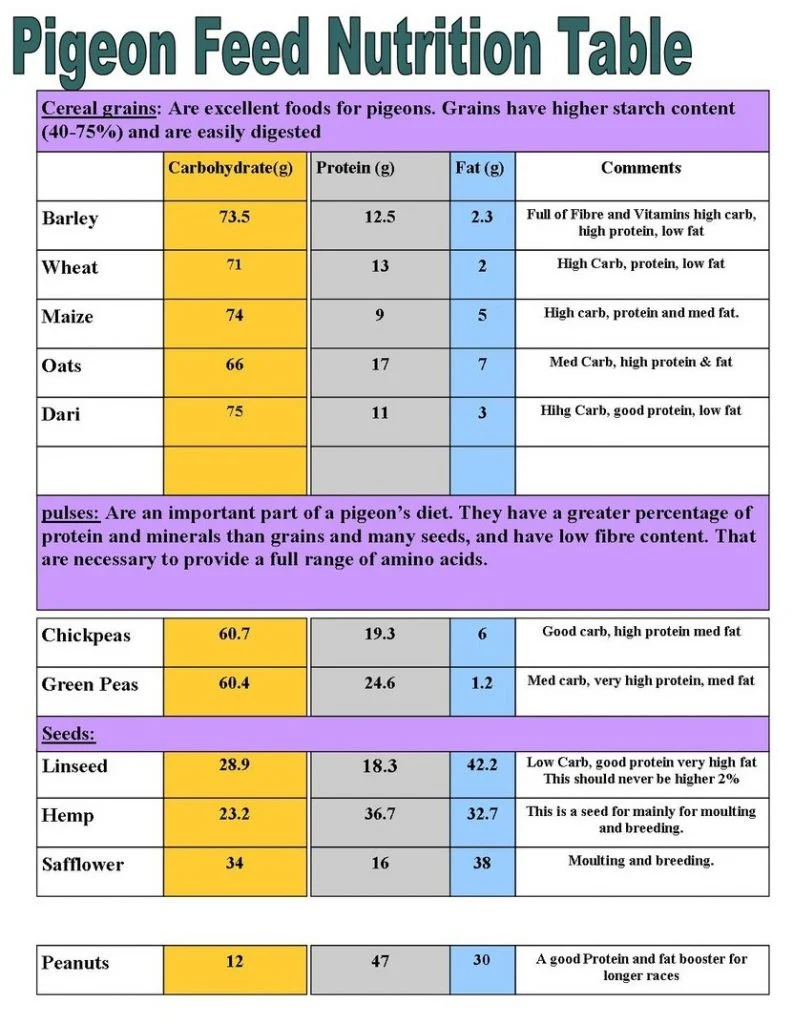
To understand the impact of fat-rich diets, it is necessary to examine the nutritional profiles of common feed components. Standard mixtures are often low in fat, necessitating the addition of specific seeds and nuts to boost energy density.
- Maize: 4% fat (Standard energy source)
- Rolled Oats: 7% fat
- Sunflower Seeds: 28% fat
- Hempseed: 32% fat
- Linseed: 34% fat
- Rapeseed: 42% fat
- Peanuts: Approximately 45-50% fat and 30% protein
Research conducted in the United Kingdom has further validated these findings, demonstrating that performance improves markedly when feed is enriched with fats, such as a 5% addition of corn oil. However, the peanut remains the "gold standard" for many elite fanciers due to its unique combination of high fat and high protein content.

The Historical Context of Peanut Feeding
The use of peanuts in pigeon racing is not a new phenomenon, though its widespread adoption has grown as nutritional science has caught up with anecdotal evidence. One notable historical account involves Eduard Pape of Hamburg, a laborer at a port where peanuts were unloaded for oil mills. Following World War II, when traditional grain was scarce, Pape utilized free access to peanuts to feed his racing team.
Pape’s experience provided a natural experiment in avian nutrition. By feeding his birds almost exclusively on peanuts, he discovered that he could reduce their rations by half while achieving superior racing results, particularly in difficult, long-distance events. His success highlighted two critical factors: the high caloric density of peanuts and the necessity of careful portion control to prevent overfeeding. This historical precedent set the stage for modern specialists like Dr. Meyer and Steven Van Breemen to refine peanut-based feeding strategies.
The Peanut: Composition and Practical Application
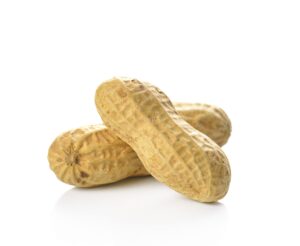
A peanut is structurally unique, consisting of two halves covered by a thin brown skin. In the context of pigeon nutrition, it is valued for its 30% protein content, which is second only to the soybean among common feeds. This makes it an ideal supplement not only for racing but also for breeding. The composition of a peanut closely mirrors that of "crop milk," the protein-and-fat-rich substance produced by parent pigeons to feed their young.
Introduction and Taming
Pigeons are naturally cautious regarding unfamiliar food. Fanciers typically introduce peanuts during the winter months to allow the birds to acclimate. Once the birds recognize the taste, they often begin to prefer peanuts over all other grains. This preference serves a dual purpose: it provides high-quality nutrition and acts as a powerful tool for taming. By carrying a handful of peanuts in a coat pocket, a fancier can encourage even the most timid birds to feed from the hand, fostering a bond that reduces stress in the loft.
Management in the Breeding Loft
During the rearing of squabs, the nutritional demands on the parents are immense. Between the sixth and twelfth day of a youngster’s life, as they transition from crop milk to solid feed, the addition of 5 to 10 grams of peanut pieces can be transformative. This high-fat supplement ensures the young birds develop robustly and helps parents who may struggle with the transition to "rough" feed. Furthermore, weaning young birds with peanuts ensures they are easily "called in" to the loft, a habit that pays dividends during their later racing careers.
Strategic Feeding for the Racing Season
The application of peanut feeding becomes most technical during the racing season, particularly within the "widowhood" system. The goal is to maximize the bird’s motivation to return to its box while ensuring it has the energy reserves to do so at high speed.
The Widower and the Nest Box
For male widowers, the peanut serves as a reward. Upon returning from exercise, birds find peanut pieces in their individual feeders. This reinforces their territorial attachment to their box. Fanciers observe that widowers who are poor eaters or struggle to maintain weight often see a significant improvement in condition when tasty peanuts are added to their diet.
Managing Racing Hens
The strategy for racing widowhood hens is more delicate. While they require energy, overfeeding can lead to unwanted behaviors such as "lesbian activity" or premature egg-laying. Dr. Meyer, a proponent of this method, suggests feeding hens peanuts sparingly throughout the week but increasing the ration on the evening before and the day of basketing. This ensures the hens are "loaded" with energy for the race without becoming overly heavy or hormonal during the week. Fanciers have noted that this method often results in hens that are faster and more reliable than their male counterparts, especially in difficult conditions.
Chronology of Race Preparation
The timing of peanut distribution is dictated by weather forecasts and race distance. A disciplined approach to feeding can be the difference between a podium finish and a lost bird.
- Early Week (Recovery): For birds returning from a hard race, the focus is on "cleansing" rations low in protein. Peanuts are given sparingly to allow the digestive system to recover.
- Mid-Week (Maintenance): Occasional peanuts are used as rewards to maintain the bond between bird and fancier.
- Late Week (Loading): If a headwind is forecasted, the portion of peanuts is increased to build fat reserves. In the case of a predicted tailwind, peanuts are fed more sparingly to prevent the birds from becoming too heavy.
- Day of Basketing: For races involving two nights in the basket, a high-carbohydrate meal is provided in the morning, followed by a substantial peanut feeding in the early afternoon. This allows the birds to "eat for two days," providing a slow-burning energy source that sustains them through transport and the early stages of the flight.
Broader Implications for the Sport
The shift toward high-fat, peanut-enriched diets represents a broader trend of professionalization in pigeon racing. As the sport moves away from traditional, "one-size-fits-all" grain mixtures, the focus has shifted toward individual bird management and caloric precision.
The implications of this nutritional strategy extend beyond mere speed. By preventing the catabolism of muscle tissue, peanut-fed birds recover faster, allowing them to compete more frequently throughout a 14-week season without a decline in form. Furthermore, the psychological benefits of hand-feeding and rewarding birds with peanuts create a more manageable and disciplined loft environment.
In conclusion, while peanuts are a more expensive feed option, their value as a high-density fuel source is unparalleled. For the serious fancier, they are not merely a treat but a critical component of a winning strategy. By understanding the science of fat metabolism and applying a disciplined feeding schedule, racing pigeon enthusiasts can ensure their birds return not as "feathers and bones," but as healthy, high-performance athletes ready for the next challenge. This intersection of historical wisdom and modern nutritional science continues to define the cutting edge of the pigeon racing hobby.
