
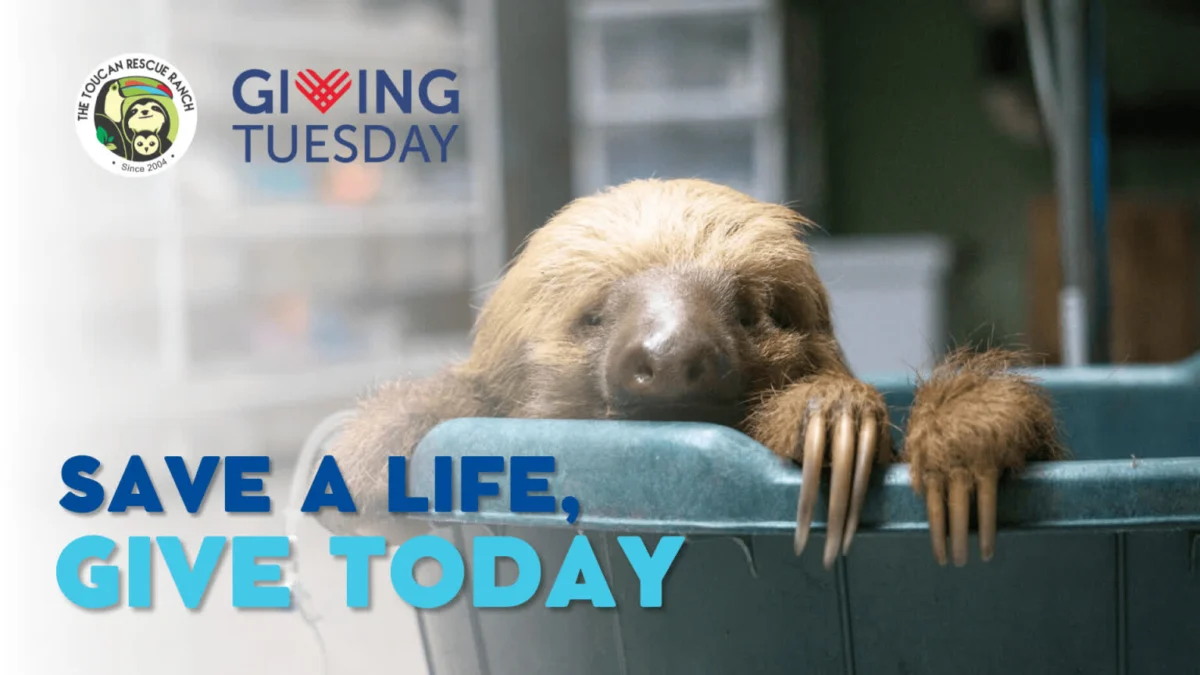
The Toucan Rescue Ranch, a prominent wildlife rehabilitation facility in Costa Rica, has officially launched its Giving Tuesday campaign in response to a historic surge in animal emergencies. As the organization marks its 20th year of operation, it reports that the number of injured, orphaned, and displaced animals entering its care has reached an unprecedented level, surpassing all previous records. The non-profit organization is seeking to raise critical funds to sustain its rescue, rehabilitation, and rewilding programs, which serve as a vital lifeline for the nation’s biodiversity.
Founded two decades ago, the Toucan Rescue Ranch (TRR) has evolved from a small rescue center into a sophisticated medical and rehabilitation complex. However, the current year has presented challenges that threaten to overextend the facility’s resources. According to internal data released by the ranch, the facility received over 400 vulnerable animals in 2023. By July 2024, that number had already been exceeded, placing the organization on a trajectory to handle the highest volume of wildlife cases in its two-decade history. This surge highlights a growing crisis at the intersection of human development and wildlife preservation in Central America.
The Growing Crisis of Human-Wildlife Conflict
The rise in wildlife admissions is largely attributed to escalating human-wildlife conflicts, a byproduct of Costa Rica’s rapid infrastructure development and urban expansion. Toucan Rescue Ranch officials have identified several primary drivers behind the influx of patients, including electrocutions from uninsulated power lines, motor vehicle strikes, and the persistent issue of the illegal pet trade.
Electrocution remains one of the most devastating causes of injury for arboreal species such as sloths and monkeys. As power lines crisscross through fragmented forest canopies, animals often use them as bridges, leading to severe burns, limb loss, or death. These cases require intensive, long-term veterinary care, including surgeries and specialized wound management. Similarly, as roads expand into previously remote areas, the incidence of animals being struck by vehicles has climbed, resulting in complex fractures and internal trauma that demand immediate emergency intervention.
The illegal pet trade also continues to impact native populations. Animals confiscated from domestic environments often suffer from malnutrition, psychological distress, and a lack of natural survival skills. Rehabilitating these individuals for eventual release into the wild is a labor-intensive process that can span several years, requiring specialized enclosures and minimal human contact to prevent habituation.
Analyzing the 2024 Surge: A Statistical Overview
The statistics provided by Toucan Rescue Ranch for the 2024 period offer a sobering look at the state of wildlife conservation in the region. A significant 41.8% of the animals currently housed at the facility are classified as orphans. These young animals, often found after their mothers have been killed by predators, vehicles, or electrocution, require 24-hour care. This includes specialized milk formulas, temperature-controlled incubators, and "surrogate" training to ensure they develop the necessary behaviors to survive in the wild.
The fact that the 2024 admission numbers surpassed the total 2023 count by mid-year suggests a nearly 100% increase in the demand for rescue services. This trend is not isolated to a single species; rather, it affects a broad spectrum of Costa Rican fauna, including toucans, owls, raptors, and various mammal species. The increased demand has forced the ranch to double its efforts in procurement of medical supplies, specialized diets, and veterinary staffing.
The Rewilding Mission and Operational Costs
At the core of the Toucan Rescue Ranch’s philosophy is the concept of rewilding. Unlike traditional sanctuaries that may provide permanent residency for animals, TRR focuses on returning every possible patient to its natural habitat. The rewilding process is a multi-stage journey that begins with emergency stabilization and progresses through clinical recovery, physical therapy, and finally, "soft release" at specialized sites.
The financial burden of this mission is substantial. The organization has set a Giving Tuesday fundraising goal of $8,000 to cover immediate operational deficits. These funds are allocated toward several critical areas:
- Specialized Nutrition: Different species require highly specific diets, ranging from specialized insectivore mashes to high-protein formulas for growing orphans.
- Veterinary Equipment: The facility utilizes advanced medical technology, including digital X-rays and laser therapy, to treat complex injuries.
- Habitat Maintenance: To prepare animals for the wild, the ranch must maintain large, naturalistic enclosures that mimic the rainforest environment.
- Field Operations: Rescue calls often require the dispatch of teams to remote locations, involving transportation costs and specialized capture equipment.
As a donor-funded non-profit, TRR operates without substantial government subsidies, making individual contributions during global movements like Giving Tuesday essential for its survival.
Chronology of Conservation: Two Decades of Impact
The Toucan Rescue Ranch was established in 2004, initially focusing on the rescue and hand-rearing of displaced toucans. Over the last 20 years, its scope has widened significantly in response to the needs of the Costa Rican Ministry of Environment and Energy (MINAE).
- 2004-2010: Focus on avian rescue and the establishment of initial rehabilitation protocols.
- 2011-2015: Expansion into mammalian rescue, specifically focusing on the two-fingered and three-fingered sloths, leading to the development of the "Sloth Institute" partnership and specialized release programs.
- 2016-2020: Implementation of advanced medical facilities and the establishment of remote release sites in the Sarapiquí region, allowing for a more scientific approach to rewilding.
- 2021-2024: Transition to high-volume emergency response as urban encroachment and climate factors increase the frequency of wildlife displacements.
This timeline illustrates a shift from a niche rescue center to a critical component of the national environmental infrastructure. The current 20-year milestone serves as both a celebration of past successes and a warning regarding the increasing pressure on wildlife.
Broader Implications for Biodiversity and Education
The work of the Toucan Rescue Ranch extends beyond the clinical treatment of individual animals; it has significant implications for global biodiversity. Costa Rica houses approximately 6% of the world’s biodiversity, and the loss of even a small number of keystone species can have a cascading effect on the ecosystem. By rehabilitating and releasing apex predators and seed dispersers, TRR helps maintain the health of the rainforest.
Furthermore, the organization emphasizes education and research. By documenting the causes of injury and the success rates of various rehabilitation techniques, TRR provides valuable data to biologists and policymakers. This information can be used to advocate for safer infrastructure, such as insulated power lines and wildlife bridges, which address the root causes of animal injuries rather than just the symptoms.
The educational outreach programs conducted by the ranch aim to foster a culture of coexistence between humans and wildlife. By sharing the stories of the animals in their care, the ranch highlights the tangible impact of human activities on the environment, encouraging more sustainable practices among locals and tourists alike.
Giving Tuesday and the Path Forward
Giving Tuesday, which follows the Thanksgiving holiday in the United States, has become a global focal point for charitable giving. For organizations like Toucan Rescue Ranch, it represents a critical opportunity to secure the funding necessary for the upcoming year. The organization has emphasized that all donations are tax-deductible, providing an incentive for international donors to contribute to Costa Rican conservation efforts.
The ranch’s leadership has expressed profound gratitude for the ongoing support of the global community. In a statement regarding the campaign, the organization noted that every animal entering their doors provides a "renewed purpose" to heal and protect. The $8,000 goal, while modest in the context of global conservation, is described as a "miracle-working" sum that can provide life-saving care for dozens of animals in the coming months.
As the 2024 calendar year draws to a close, the record-breaking number of wildlife emergencies serves as a call to action. The Toucan Rescue Ranch remains committed to its mission of giving the voiceless a voice and ensuring that Costa Rica’s native species continue to thrive for generations to come. Through the support of animal lovers and conservationists worldwide, the ranch hopes to turn the tide on the current crisis and continue its legacy of rewilding the "magic" of the rainforest.
