
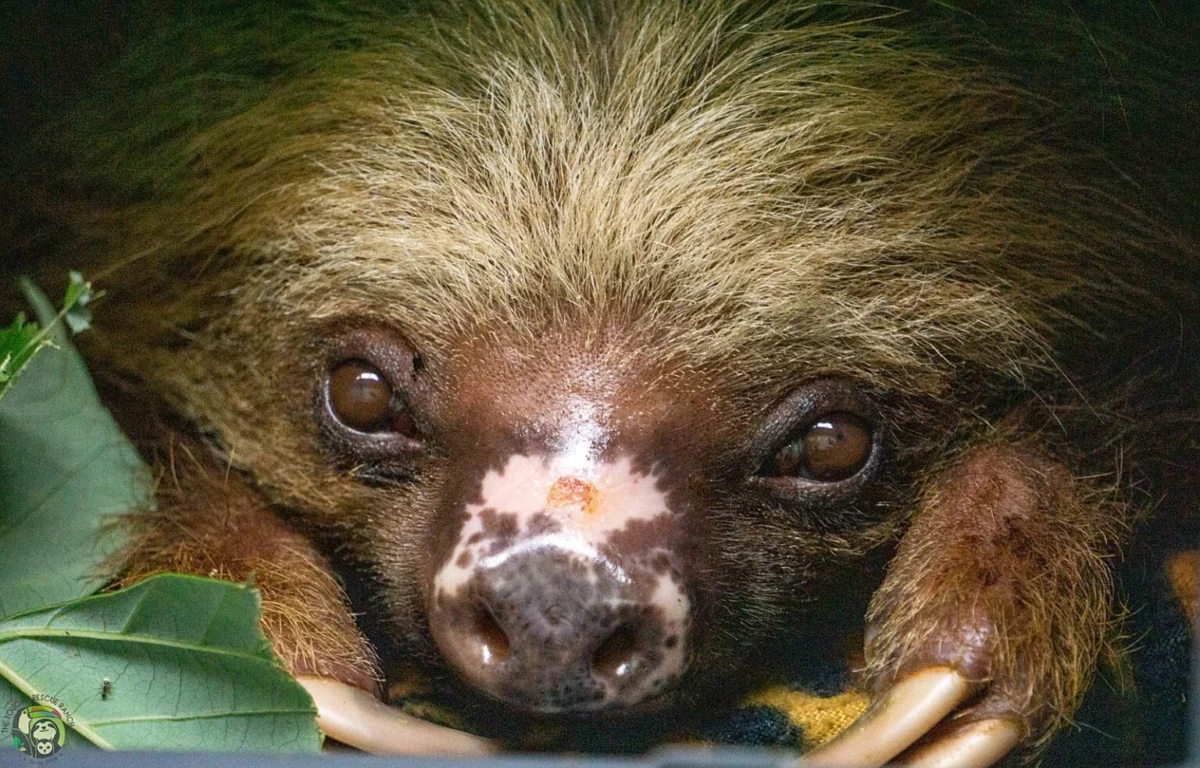
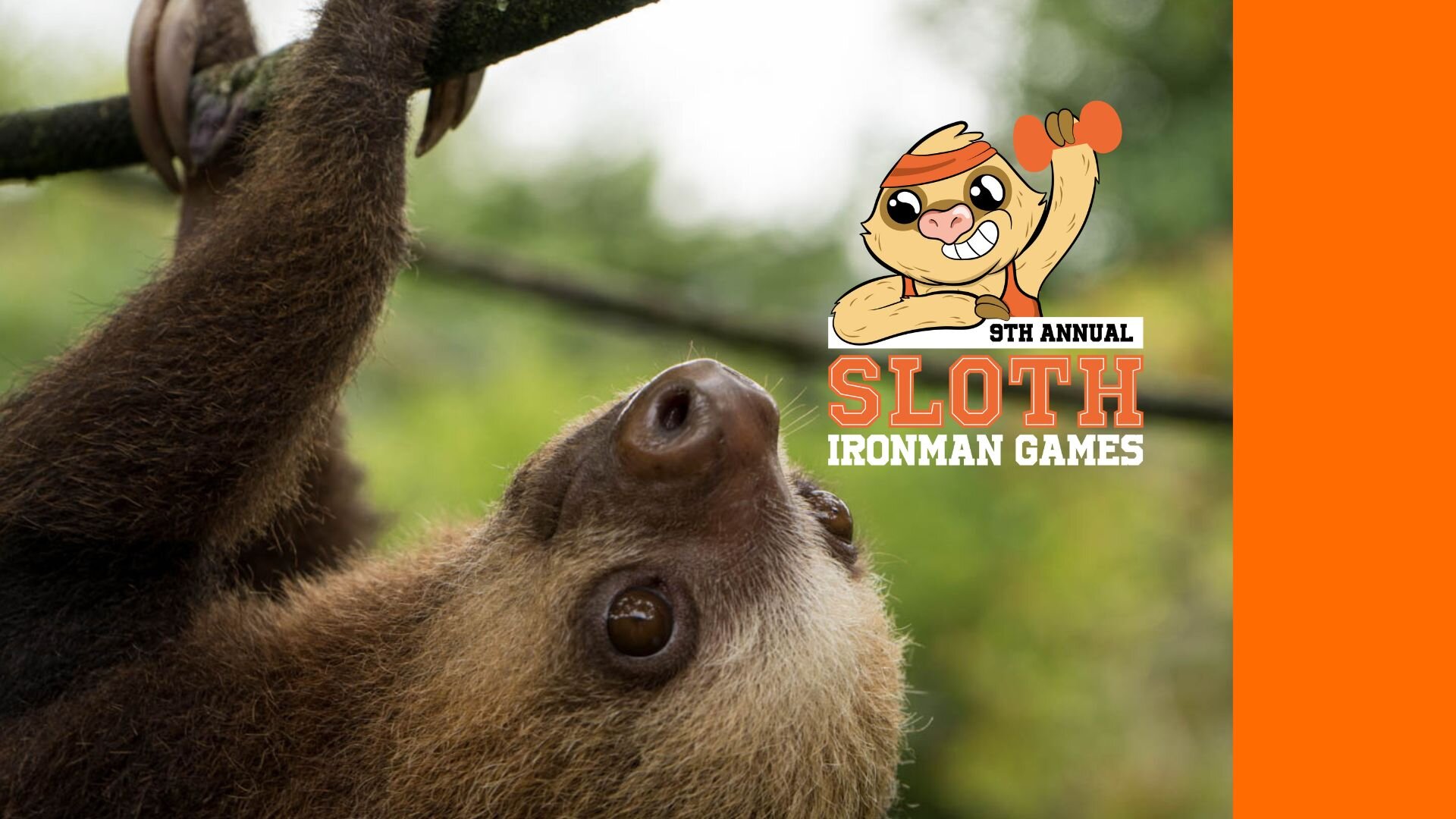
The Toucan Rescue Ranch (TRR), a prominent wildlife rescue and rehabilitation center located in the San José province of Costa Rica, has officially announced the commencement of the 9th Annual Sloth Ironman Games. This yearly event, which has evolved into a global phenomenon for wildlife enthusiasts, serves as the primary fundraising vehicle for the Saving Sloths Together (SST) program. The initiative is a collaborative effort between the Toucan Rescue Ranch and The Sloth Institute Costa Rica (TSI), aimed at the rescue, rehabilitation, and eventual release of orphaned and injured sloths back into their natural habitats.
The Sloth Ironman Games represent a unique intersection of animal enrichment and public advocacy. By utilizing a series of non-invasive challenges that mirror the natural behaviors of these arboreal mammals, the event highlights the physical capabilities and biological requirements of sloths. While the atmosphere is celebratory and competitive, the underlying mission is rooted in the serious reality of sloth conservation in a rapidly developing landscape. The 2024 edition features four carefully selected "slothletes," all of whom are currently undergoing the final stages of their rehabilitation journey, preparing for a life of independence in the Costa Rican rainforest.
The Mechanics of the Competition and Biological Significance
The Sloth Ironman Games are structured to showcase the specific evolutionary adaptations of both the Hoffmann’s two-toed sloth (Choloepus hoffmanni) and the Brown-throated three-toed sloth (Bradypus variegatus). Unlike traditional athletic competitions, these games prioritize the natural pace and instincts of the animals. The "slothletes" participate in events that are integrated into their daily enrichment schedules, ensuring that the activities provide cognitive and physical stimulation without causing stress.
The competition includes several key events:
- The 1-Meter Dash: This event measures the sloth’s ability to navigate climbing structures. While sloths are famously slow on the ground, they are efficient climbers. This challenge monitors their grip strength and coordination, both of which are essential for survival in the canopy.
- The Hibiscus Eat-Off: Nutrition is a cornerstone of the rehabilitation process. This event highlights the dietary needs of sloths, focusing on their consumption of native flora. In the wild, sloths are folivores, and their slow metabolism is a direct result of their low-energy leaf-based diet.
- The Poop-Off Challenge: Though humorous in title, this event addresses a critical biological function. Sloths typically descend to the forest floor only once a week to defecate, a behavior that exposes them to significant predation. Monitoring this cycle is a vital part of health assessments for sloths in rehabilitation.
Points are awarded based on performance in these events, but the final standings are also heavily influenced by public participation. Supporters can "vote" for their favorite slothlete by making financial donations in the animal’s name. This model effectively engages the public in the conservation process, turning viewers into active contributors to the sloths’ medical and nutritional funds.
Chronology and Event Schedule
The 9th Annual Sloth Ironman Games are scheduled to take place throughout October, culminating in a live-streamed championship ceremony. All events are broadcast via the Toucan Rescue Ranch’s social media platforms, including Facebook and YouTube, to allow for international participation.
The schedule for the 2024 games is as follows (all times in GMT-6):
- Opening Ceremony and Athlete Introduction: The public is introduced to the four slothletes, learning about their individual rescue stories and their progress in the rehabilitation program.
- The 1-Meter Dash: The first physical challenge focusing on mobility and climbing efficiency.
- The Hibiscus Eat-Off: A showcase of the sloths’ foraging and feeding behaviors.
- The Poop-Off: A week-long observation period tracking the biological cycles of the participants.
- The Championship Ceremony (October 25): The final points from both the athletic events and the fundraising tallies are combined to crown the 2024 Sloth Ironman Champion.
This timeline is designed to build momentum and awareness for the Saving Sloths Together program, leading up to International Sloth Day, which is observed annually on the third Saturday of October.
Supporting Data: The State of Sloth Conservation in Costa Rica
The necessity of the Sloth Ironman Games is underscored by the increasing threats facing sloth populations in Central America. According to data from wildlife rescue organizations in the region, the primary causes of sloth admissions to clinics are anthropogenic. Habitat fragmentation due to deforestation forces sloths to descend to the ground or use dangerous infrastructure to move between trees.
Key statistics and threats include:
- Electrocutions: One of the leading causes of injury for sloths is contact with uninsulated power lines. As urban areas expand into forest corridors, sloths often mistake power lines for tree branches. These incidents frequently result in severe burns and limb amputations.
- Dog Attacks: When sloths are forced to cross open ground due to a lack of canopy connectivity, they are highly vulnerable to domestic dog attacks.
- Vehicle Collisions: The expansion of road networks through tropical forests has led to an increase in sloths being struck by vehicles as they attempt to cross highways.
- Illegal Pet Trade and Tourism: The "sloth selfie" industry continues to be a concern, where sloths are taken from the wild to be used as photo props for tourists, leading to high stress levels and often death for the animals involved.
The Saving Sloths Together program addresses these issues through a multi-faceted approach. Since its inception in 2017, the program has standardized the "Soft Release" protocol. This involves a transitional period where sloths are placed in large enclosures within the wild to acclimate to the sights, sounds, and climate of the rainforest while still being monitored by biologists.
The Saving Sloths Together Program and Institutional Impact
The partnership between Toucan Rescue Ranch and The Sloth Institute has revolutionized sloth rehabilitation in Costa Rica. By combining TRR’s veterinary expertise and clinical facilities with TSI’s specialized knowledge of sloth behavior and release techniques, the SST program ensures the highest possible success rate for rewilding.
The rehabilitation process for an orphaned sloth is extensive and costly. An orphan may spend up to two years in the program, beginning in the "Sloth Preschool," where they learn basic climbing skills, and progressing through "Elementary School" and "High School" phases that focus on diet diversification and predator awareness. The funds raised during the Sloth Ironman Games are allocated toward:
- Specialized Veterinary Care: Including surgeries, X-rays, and long-term physical therapy for injured adults.
- Nutritional Support: Sourcing and preparing a wide variety of native leaves and flowers to ensure a balanced diet.
- Tracking Technology: Before release, sloths are often fitted with VHF or GPS tracking collars. This allows researchers to monitor their movements and health in the wild, providing invaluable data on the success of the rewilding process.
"The goal is always release," a representative from the Toucan Rescue Ranch stated in a recent briefing regarding the games. "Every sloth that enters our clinic is a candidate for the wild unless their injuries are so severe that they cannot survive independently. The Sloth Ironman Games allow the public to see these animals not just as ‘cute’ creatures, but as resilient survivors that belong in the rainforest."
Broader Implications and Analysis of Wildlife Advocacy
The Sloth Ironman Games represent a shift in how conservation organizations engage with the modern public. By using "edutainment"—a blend of education and entertainment—the Toucan Rescue Ranch is able to reach a broader demographic than traditional scientific appeals might. This approach humanizes the individual animals (the slothletes) while maintaining a focus on the species’ ecological importance.
From an ecological perspective, sloths are vital to the health of the rainforest. As a "host" species, their fur supports a mini-ecosystem of moths, beetles, and algae. Furthermore, their slow digestion and infrequent defecation contribute to the nutrient cycle of the forest floor. The loss of sloth populations can have cascading effects on the biodiversity of the tropical canopy.
The success of the games also highlights the importance of international support for local conservation efforts. While the events take place in Costa Rica, a significant portion of the donations comes from North America and Europe. This global interest is crucial for funding the high-tech medical equipment and specialized staff required for modern wildlife rehabilitation.
Conclusion: Community Involvement and the Path Forward
As the 9th Annual Sloth Ironman Games progress toward the October 25th finale, the Toucan Rescue Ranch continues to invite the global community to participate. Beyond making donations, the public is encouraged to purchase limited-edition merchandise, with all proceeds benefiting the SST program. The event also serves as an educational platform, teaching supporters about the simple steps they can take to protect sloths, such as supporting reforestation projects and opting for sustainable tourism practices.
The ultimate victory in the Sloth Ironman Games is not the crowning of a champion, but the successful return of these "slothletes" to the wild. The 2024 games stand as a testament to the dedication of conservationists in Costa Rica and the power of collective action in preserving the planet’s most unique and vulnerable species. As the rainforest faces ongoing challenges, initiatives like Saving Sloths Together provide a blueprint for how science, community engagement, and a bit of "slow-motion" competition can ensure a future for the sloths of the Americas.
