
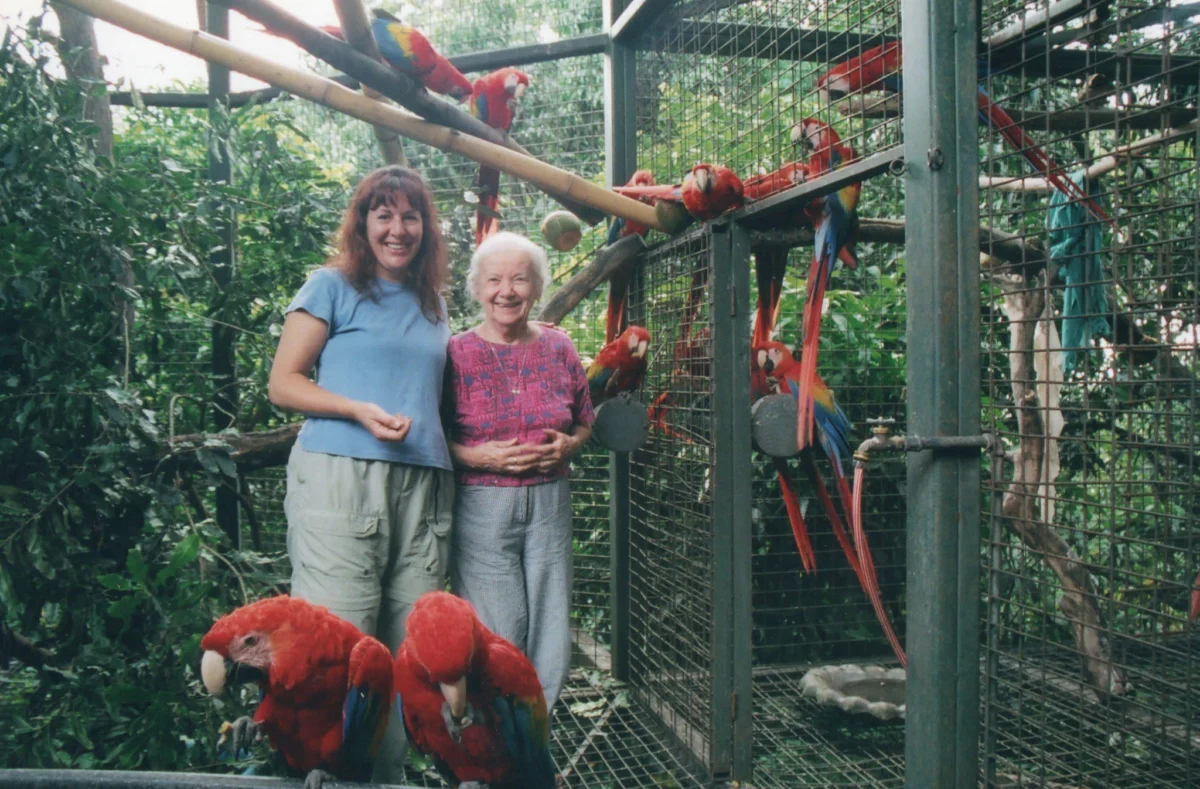
The Toucan Rescue Ranch (TRR), an institution that has become synonymous with the protection and rehabilitation of Costa Rican biodiversity, celebrated its 20th anniversary in 2024, marking two decades of significant contributions to wildlife medicine and conservation science. Founded in 2004 by Leslie Howle and Jorge Murillo, the organization has evolved from a specialized avian rescue center into a multi-species veterinary hospital and release facility of international renown. This evolution mirrors the broader shifts in global conservation strategies, moving from simple animal welfare to complex, data-driven rewilding programs and international educational outreach.
The Genesis of a Conservation Powerhouse (2004–2007)
The origins of the Toucan Rescue Ranch were rooted in a specific need to address the welfare of toucans and other tropical birds in Costa Rica. In 2004, Leslie Howle and Jorge Murillo established the facility with a primary focus on avian rescue. However, it was their commitment to scientific excellence that early on distinguished the ranch from other local initiatives. By 2007, the TRR achieved a major milestone in ornithology, becoming the first facility in Costa Rica and only the second in the world to successfully captive-breed Emerald Toucanets. This achievement was not merely a reproductive success but a validation of the ranch’s husbandry protocols and its potential to contribute to the preservation of species through controlled breeding and eventual release.
The year 2007 also marked a pivotal shift in the organization’s scope. The arrival of "Millie," a two-fingered sloth, signaled the ranch’s transition into mammal rescue. This expansion was a response to the growing environmental pressures in Costa Rica, where rapid urbanization and habitat fragmentation were increasingly bringing mammals like sloths, monkeys, and anteaters into conflict with human infrastructure. The inclusion of mammals required a significant upgrade in expertise and facilities, setting the stage for the ranch’s future as a comprehensive wildlife center.
Geographic and Legal Expansion (2008–2013)
As the volume of rescued animals grew, the physical limitations of the original site necessitated expansion. In 2008, the Toucan Rescue Ranch invested in a 25-acre property in Sarapiquí, a region characterized by its lush rainforest and high biodiversity. This acquisition was strategic; it provided the space necessary for "soft-release" programs, where animals could acclimate to a natural environment under supervision before returning to the wild.
By 2013, the organization achieved two critical milestones that solidified its long-term viability. First, it established a high-tech veterinary hospital at its headquarters in San Isidro, Heredia. This facility allowed the TRR to move beyond basic rehabilitation into advanced wildlife medicine, offering surgeries, diagnostic imaging, and intensive care that were previously unavailable for many rescued species. Second, the Toucan Rescue Ranch became a registered 501(c)3 non-profit in the United States. This legal status was transformative, allowing the organization to tap into international philanthropic networks and secure the funding necessary for large-scale conservation projects.
Innovation in Rehabilitation and Reforestation (2015–2018)
The mid-2010s saw the TRR refine its "Rescue, Rehabilitate, Release" (RRR) model. In 2015, the ranch converted a 16-acre farm in Sarapiquí into a dedicated soft-release site. This facility became the final stage for animals transitioning back to the wild, ensuring they possessed the necessary foraging and climbing skills to survive without human intervention.
In 2017, the ranch entered a high-profile partnership with The Sloth Institute to form the "Saving Sloths Together" (SST) program. This collaboration was born out of a necessity to address the unique challenges of sloth conservation. Sloths in Costa Rica face severe threats from power line electrocutions, dog attacks, and road accidents. By combining the TRR’s medical expertise with The Sloth Institute’s research capabilities, the SST program became a global leader in sloth rehabilitation.
Recognizing that rescue efforts are futile without a healthy habitat, the TRR partnered with the Costa Rican coffee giant Café Britt in 2018 for a major reforestation initiative. Over 2,000 native trees were planted to restore fragmented rainforest canopies. This project highlighted the importance of biological corridors, allowing wildlife to move safely between protected areas. To monitor the success of these efforts, the TRR also began utilizing advanced tracking equipment, including VHF collars, to gather data on the survival rates and movements of released sloths.
Technological Integration and Pandemic Adaptation (2019–2021)
As the organization entered its 15th year, it embraced digital transformation. In 2019, the TRR implemented specialized animal care software to streamline clinical operations. This allowed for better longitudinal tracking of patient health and more efficient management of the hundreds of animals passing through the clinic annually. Fundraising efforts during this period also funded the construction of new pre-release aviaries and expanded clinic space.
The COVID-19 pandemic in 2020 presented an existential threat to many conservation NGOs that relied on tourism. However, the Toucan Rescue Ranch demonstrated remarkable resilience by pivoting to virtual education. The organization’s virtual tours became the #1 experience on Amazon’s Virtual Experiences platform, reaching a global audience that could no longer travel to Costa Rica. This shift not only provided a vital revenue stream but also expanded the ranch’s educational impact, teaching international audiences about the importance of biodiversity. The ranch’s commitment to safety and excellence was recognized during this time with the World Travel and Tourism Council’s "Safe Travels" certification.
Specialization and the 20-Year Milestone (2023–2024)
In 2023, the Toucan Rescue Ranch launched the "Saving Howler Monkeys Together" program, applying the lessons learned from sloth conservation to one of Costa Rica’s most iconic primate species. Howler monkeys are particularly vulnerable to habitat loss and "yellow fever" outbreaks, and the TRR’s new initiative focused on rewilding these primates through specialized care and community education. The completion of a new Education Center at the Sarapiquí Release Site further cemented the ranch’s role as a hub for conservation learning.
The year 2024 marked two decades of operation, celebrated with several high-impact developments. Through generous grants, the wildlife hospital received significant upgrades, including a new blood analysis machine and advanced X-ray equipment. These tools have drastically improved the diagnostic capabilities of the veterinary team, leading to higher survival rates for critically injured animals.
Furthermore, the TRR held its inaugural U.S. fundraiser, "Wildlife Wonders," at the Nashville Zoo. This event was a landmark moment, securing the ranch’s first Association of Zoos and Aquariums (AZA) conservation partner and raising over $25,000. Additionally, the "Sloth Ironman Games," a creative annual fundraising event, broke records by raising over $30,000, demonstrating the power of engaging, community-driven conservation marketing.
Analysis of Implications and Future Outlook
The history of the Toucan Rescue Ranch reflects a broader trend in the professionalization of wildlife rescue. What began as a passionate project by Leslie Howle and Jorge Murillo has evolved into a sophisticated scientific operation that bridges the gap between veterinary medicine and field biology. The TRR’s success is largely attributed to its "integrated conservation" approach, which recognizes that saving an individual animal is only effective if accompanied by habitat restoration, scientific research, and public education.
The organization’s impact on Costa Rican wildlife is quantifiable. By providing a high-level veterinary alternative to government-run facilities, the TRR has saved thousands of animals that would otherwise have been euthanized or left to perish. Moreover, its data on sloth and monkey rehabilitation has contributed to global knowledge of these species, influencing how they are managed in both wild and captive settings.
As the TRR looks toward 2025 and beyond, the challenges of climate change and continued urbanization remain significant. However, the organization’s 20-year track record of adaptation suggests it is well-equipped to face these threats. With a modernized hospital, a robust network of international partners, and a deeply ingrained culture of education, the Toucan Rescue Ranch stands as a model for wildlife conservation in the 21st century. The mission to rescue, rehabilitate, and release continues, ensuring that the vibrant "wild" of Costa Rica remains intact for generations to come.
