
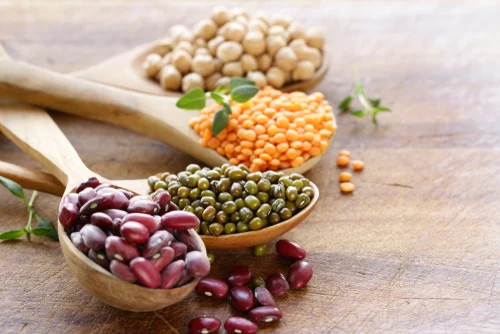
The ingestion of raw, dried beans presents a lethal threat to backyard poultry due to the presence of phytohaemagglutinin, a potent glycoprotein and natural toxin that serves as a chemical defense mechanism for plants. While beans are often considered a high-protein supplement for livestock, the failure to properly process these legumes can result in rapid-onset digestive failure and high mortality rates within a flock. Agricultural experts and avian veterinarians warn that as few as three to four raw kidney beans can contain enough toxins to kill an adult chicken within hours, making it one of the most dangerous common foodstuffs a keeper can inadvertently provide to their birds.
The Biochemical Profile of Phytohaemagglutinin
Phytohaemagglutinin (PHA), commonly referred to as a lectin, is found in high concentrations in many varieties of common beans, particularly the red kidney bean (Phaseolus vulgaris). In nature, this toxin acts as a biopesticide, protecting the seeds from being consumed by insects or damaged by fungi. However, when consumed by vertebrates, including humans and poultry, PHA acts as a hemagglutinin, causing red blood cells to clump together (agglutinate).

In chickens, the biological impact is devastating. Once the raw bean enters the digestive tract, the lectins bind to the carbohydrate moieties of the epithelial cells lining the small intestine. This binding disrupts the cellular metabolism and interferes with the absorption of nutrients. For a species with a high metabolic rate like the chicken, this disruption leads to a systemic shock. The toxin effectively compromises the integrity of the intestinal wall, allowing for the translocation of bacteria and causing severe inflammatory responses.
Symptomology and the Chronology of Ingestion
The progression of PHA poisoning in chickens is notably rapid, often leaving keepers with little time for medical intervention. Because chickens possess a unique digestive system involving the crop, proventriculus, and gizzard, the breakdown of a hard, dried bean occurs over several hours, leading to a delayed but intense release of toxins.
- Initial Ingestion (0–2 Hours): The chicken consumes the dried beans. At this stage, the bird appears normal, though the beans may cause physical impaction if consumed in large quantities before they begin to soften.
- Early Onset (2–4 Hours): As the beans move from the crop into the acidic environment of the proventriculus and the grinding action of the gizzard, the PHA is released. The bird may show signs of lethargy and a sudden loss of appetite.
- Acute Phase (4–8 Hours): Severe gastrointestinal distress begins. In humans, this is characterized by projectile vomiting; in chickens, this manifests as a fluid-filled crop, visible distress, and the onset of profuse, watery diarrhea. The bird may become "hunched" with ruffled feathers.
- Critical Stage (8–12 Hours): Systemic toxicity leads to dehydration and electrolyte imbalance. If the dosage of PHA was high—equivalent to just a few raw kidney beans—the bird’s heart rate slows, and the central nervous system begins to fail.
- Fatality: Death typically occurs due to a combination of shock and organ failure. Because the toxin is so potent, the survival rate for chickens that have ingested raw kidney beans is statistically low without immediate and aggressive veterinary care, such as crop flushing and activated charcoal administration.
Comparative Toxicity Across Bean Varieties
While all common beans contain some level of lectins, the concentration varies significantly between varieties. Understanding these levels is crucial for poultry management and feed safety.

- Red Kidney Beans: These contain the highest concentrations of PHA. Raw kidney beans are measured at 20,000 to 70,000 hemagglutinating units (hau). Even after partial cooking, if the temperature does not reach a certain threshold, the toxicity can actually increase by as much as five times before eventually breaking down.
- White Kidney Beans (Cannellini): These contain about one-third the amount of toxin found in red kidney beans but remain highly dangerous to poultry if raw.
- Broad Beans (Fava Beans): These contain different toxins, such as vicine and convicine, which can cause favism (a type of hemolytic anemia) in susceptible species.
- Soybeans: Raw soybeans contain trypsin inhibitors and lectins that interfere with protein digestion. They must be heat-treated (toasted or steamed) before being included in commercial poultry feed.
- Fresh Legumes: Fresh green beans, sugar snap peas, and garden peas contain negligible amounts of PHA compared to their dried counterparts and are generally considered safe treats for chickens when fed in moderation.
Safe Preparation and Mitigation Protocols
The risk associated with beans is entirely dependent on preparation. Thermal processing is the only reliable method to denature the PHA proteins and render the beans safe for consumption. For backyard keepers who wish to utilize dried beans as a protein source, a strict multi-step protocol must be followed.
First, beans must be soaked in water for at least 12 hours. This process begins the hydration of the seed coat and allows some of the water-soluble toxins to leach out. Crucially, the soaking water must be discarded and never used for cooking or provided to the birds as drinking water.
Following the soak, the beans must be rinsed thoroughly and then boiled in fresh water. High-temperature boiling is the most critical step. Scientific studies indicate that beans must be boiled at 100°C (212°F) for a minimum of 10 to 15 minutes to completely deactivate the lectins. It is important to note that slow cookers or "crock pots" are often insufficient for this task. Many slow cookers do not reach a high enough temperature quickly enough to neutralize PHA; in some cases, cooking beans at internal temperatures of 80°C (176°F) can actually increase the toxicity of the beans, making them more lethal than if they were raw.

Once the beans have been fully boiled and softened, they should be cooled and can then be safely offered to chickens. Canned beans represent a convenient alternative, as the industrial canning process involves high-pressure steam and heat that effectively neutralizes all toxins. However, keepers are advised to rinse canned beans to remove excess sodium, which in high amounts can lead to salt poisoning and kidney dysfunction in poultry.
The Role of Sprouting in Toxin Reduction
There is frequent debate within the poultry community regarding the safety of sprouted beans. While the process of germination and sprouting does reduce the levels of hemagglutinin in certain legumes—such as mung beans and lentils—it does not reliably eliminate the toxins in kidney beans or lima beans.
For the safety of the flock, agricultural experts recommend a "zero-tolerance" policy for raw or sprouted kidney beans. While some varieties may become "safer" through sprouting, the marginal nutritional gain does not outweigh the catastrophic risk of accidental poisoning. If a keeper is uncertain about the specific variety of bean or the efficacy of the sprout, boiling remains the only foolproof safety measure.

Broader Implications for Backyard Poultry Management
The rise in backyard chicken keeping over the last decade has led to an increase in accidental poisonings as new keepers treat their birds like household pets, often sharing kitchen scraps without a full understanding of avian physiology. Unlike many mammals, chickens are opportunistic omnivores that may not instinctively avoid toxic foods if they are presented as part of a meal.
The economic and emotional impact of losing a productive hen to a preventable toxin is significant. Beyond the immediate loss of egg production, the introduction of toxins into a flock can weaken the immune systems of the surviving birds, making them more susceptible to respiratory infections and environmental stressors.
This issue also highlights a gap in the labeling of "scratch grains" and supplemental feeds. While commercial feeds are strictly regulated for safety, "table scrap" feeding remains an unregulated area of poultry husbandry. Veterinary associations are increasingly calling for better education for hobbyist farmers regarding the "Forbidden Foods" list, which includes not only raw beans but also avocado (containing persin), chocolate (containing theobromine), and moldy grains (containing mycotoxins).

Conclusion and Fact-Based Analysis
The toxicity of raw dried beans is not a matter of dietary sensitivity but a fundamental biochemical incompatibility. The presence of phytohaemagglutinin serves as a stark reminder that many natural, plant-based foods require specific processing to be rendered edible. For the backyard chicken keeper, the rule is absolute: dried beans must be soaked, drained, rinsed, and boiled at high temperatures before they ever reach the coop.
By adhering to these safety standards and prioritizing processed or fresh-frozen legumes over raw dried varieties, keepers can provide a protein-rich diet without the shadow of PHA toxicity. As the popularity of sustainable, home-based egg production continues to grow, the dissemination of accurate, scientifically-backed nutritional information remains the primary defense against the accidental decimation of domestic flocks.
