
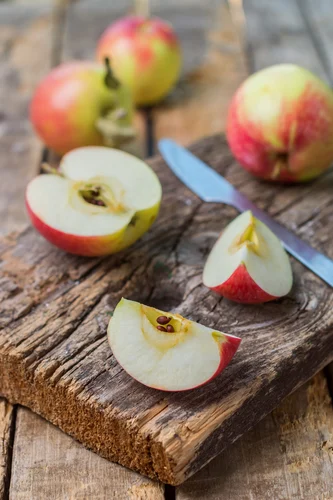
The practice of supplemental feeding in backyard poultry management has evolved from the casual disposal of kitchen scraps into a sophisticated component of avian husbandry. As the popularity of hobby farming and self-sufficiency continues to rise across North America and Europe, poultry owners are increasingly seeking ways to diversify the diets of their flocks while maintaining optimal health and egg production. Among the most common treats provided to Gallus gallus domesticus—the domestic chicken—is the apple. While apples offer a range of nutritional advantages, including essential fiber and antioxidants, they also present a specific biochemical risk located within their seeds. Agricultural experts and avian nutritionists emphasize that while the flesh of the apple is a safe and healthy supplement, the seeds contain amygdalin, a cyanogenic glycoside that can release lethal hydrogen cyanide upon digestion. Understanding the balance between nutritional enrichment and toxicological safety is essential for the modern poultry keeper.
The Nutritional Profile of Apples in Avian Diets
Apples are frequently cited by experts, such as Lisa Steele, a fifth-generation chicken-keeping authority, as an excellent treat for poultry. When integrated correctly into a balanced diet, apples contribute several key nutrients that support the overall well-being of the bird. The primary benefit of apples lies in their high fiber content, specifically pectin. Fiber is crucial for maintaining a healthy digestive tract in chickens, aiding in the movement of feed through the complex avian digestive system, which includes the crop, proventriculus, and gizzard.

Beyond fiber, apples are rich in vitamin C and various antioxidants. While chickens are capable of synthesizing their own vitamin C, supplemental intake can be beneficial during periods of environmental stress, such as extreme heat or molting. Antioxidants play a vital role in neutralizing free radicals, thereby supporting the immune system and potentially improving the longevity and productivity of the flock. Furthermore, the high water content in fresh apples provides a secondary source of hydration, which is particularly useful during the summer months.
The Biochemical Risk: Amygdalin and Cyanide Poisoning
The primary concern regarding apples in a poultry context is the presence of seeds. Apple seeds, along with the pits of other "stone fruits" such as peaches, plums, apricots, and cherries, contain a compound known as amygdalin. This molecule is a cyanogenic glycoside composed of sugar and cyanide. When the seed is crushed or chewed—a process that occurs naturally in the chicken’s gizzard through the mechanical grinding of grit and stones—the amygdalin reacts with digestive enzymes to release hydrogen cyanide (HCN).
Hydrogen cyanide is a potent toxin that interferes with cellular respiration. Specifically, it inhibits the enzyme cytochrome c oxidase, which is essential for the cells’ ability to utilize oxygen. When this enzyme is blocked, the cells cannot produce ATP (adenosine triphosphate), the primary energy currency of life, leading to cellular hypoxia even in the presence of adequate blood oxygen levels. In chickens, whose metabolic rates are significantly higher than those of mammals, the onset of cyanide-related symptoms can be rapid.

Clinical Symptoms of Cyanide Toxicity in Poultry
Identifying the signs of cyanide poisoning is critical for emergency intervention, although in many cases, the symptoms progress too quickly for effective treatment. The physical manifestations of toxicity are a direct result of the body’s inability to utilize oxygen. One of the most visible signs is a "blue-ish comb" or wattles, a condition known as cyanosis. This occurs because the blood, though saturated with oxygen that it cannot deliver to the tissues, may become stagnant or the bird may suffer from acute respiratory distress.
Other symptoms include:
- Dyspnea: Labored breathing or shortness of breath as the bird struggles to compensate for cellular hypoxia.
- Tachycardia: A rapid heart rate as the cardiovascular system attempts to circulate more oxygen.
- Neurological Impairment: Loss of coordination, tremors, or gasping for air.
- Acute Cardiac Arrest: In high doses, the heart muscle fails due to a lack of energy production.
- Coma and Death: If the dosage is sufficient, the bird will lose consciousness and expire within minutes to hours of ingestion.
While a single apple seed is unlikely to contain enough cyanide to kill a healthy adult hen, the cumulative effect or the ingestion of multiple seeds can be devastating for younger chicks, elderly birds, or those with underlying health issues. The vulnerability of smaller birds is primarily due to their lower body mass, which reduces the "lethal dose" threshold.

Chronology of Dietary Standards in Backyard Husbandry
The transition toward cautious treat-feeding represents a shift in the chronology of backyard poultry standards over the last century. In the early 20th century, farm chickens were largely scavengers, consuming whatever was available in the farmyard, including fallen fruit from orchards. During this era, mortality rates were often high, and the specific causes of death were rarely investigated with scientific rigor.
By the mid-20th century, the rise of commercial poultry feed standardized nutrition, focusing on high-protein crumbles and pellets designed for maximum growth and egg output. However, the late 20th and early 21st centuries saw a "back-to-the-land" movement, where hobbyists returned to feeding kitchen scraps. This led to a resurgence of nutritional research into which human foods were safe for avian consumption. Today, the consensus among experts like Steele and various university agricultural extensions is that "natural" does not always mean "safe." The modern protocol requires the deliberate preparation of fruits—specifically the removal of cores and pits—to mitigate the risks that were previously ignored or misunderstood.
Management Strategies: Preparation and the 10% Rule
To safely incorporate apples into a flock’s diet, poultry managers are advised to follow specific preparation techniques. The most effective method is to core the apple entirely, removing the central column that houses the seeds. Once cored, the apple can be sliced into manageable pieces or cut in half. Some keepers utilize the "tetherball" method, where a cored apple is hung from a string in the run. This not only provides nutrition but also serves as environmental enrichment, encouraging natural foraging behavior and reducing boredom-induced pecking among the birds.

Furthermore, nutritionists emphasize the "10% Rule." This guideline dictates that treats, including healthy options like apples, should never exceed 10% of a chicken’s total daily caloric intake. The remaining 90% must come from a nutritionally complete poultry feed. Over-reliance on treats can lead to several health complications:
- Obesity: Excessive sugars from fruit can cause fat deposits around the liver and reproductive tract, leading to "Fatty Liver Hemorrhagic Syndrome."
- Nutritional Deficiencies: If birds fill up on apples, they may consume less of their balanced feed, leading to deficiencies in calcium, phosphorus, and essential amino acids like methionine.
- Reduced Egg Production: A lack of protein and calcium directly impacts the bird’s ability to produce strong-shelled eggs consistently.
Comparative Risks: Stone Fruits and Other Toxicants
The risk associated with apple seeds extends to other common garden fruits. Stone fruits, including peaches, plums, and apricots, contain amygdalin within their hard pits (endocarps). While it is physically difficult for a chicken to break open a peach pit, the risk remains if the pit is cracked or if the bird is particularly persistent. Experts recommend the same level of caution: always pit stone fruits before offering them to the flock.
Beyond cyanogenic fruits, the broader context of poultry safety includes avoiding other known toxicants. These include:

- Avocados: Contain persin, which can cause myocardial necrosis in birds.
- Chocolate: Contains theobromine, a stimulant that is toxic to the avian heart.
- Dried or Undercooked Beans: Contain hemagglutinin (phytohaemagglutinin), which is lethal to poultry.
- Salty or Sugary Processed Foods: Chickens cannot process high levels of salt, which can lead to sodium poisoning.
Broader Implications for the Poultry Industry and Food Security
The meticulous management of backyard flock diets has broader implications for local food security and the prevention of zoonotic issues. Healthy, well-fed chickens are more resistant to diseases such as Avian Influenza or Coccidiosis. When hobbyists follow expert guidelines regarding toxins like cyanide, they maintain the longevity of their flocks, ensuring a stable supply of eggs for their households.
Furthermore, the dissemination of this information through platforms like Fresh Eggs Daily and agricultural extensions highlights a growing sophisticated "citizen science" movement. Backyard keepers are no longer just passive owners; they are informed managers who understand the biochemistry of the feed they provide. This level of care reduces the burden on veterinary services and promotes a culture of animal welfare that aligns with modern ethical standards.
In conclusion, while apples are a beneficial and highly anticipated treat for chickens, they are not without peril. The presence of cyanide-producing amygdalin in the seeds necessitates a proactive approach to preparation. By coring apples, limiting intake to 10% of the total diet, and remaining vigilant for symptoms of toxicity, poultry keepers can provide their flocks with a diverse, enriching diet that supports both health and productivity. The integration of scientific understanding with traditional farming practices remains the hallmark of successful modern poultry husbandry.
