

Published on: May 19, 2026
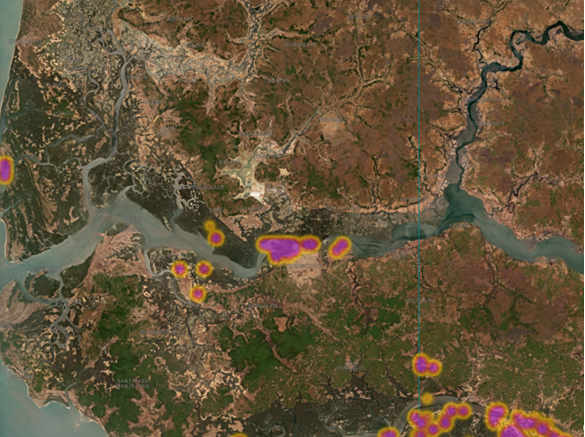
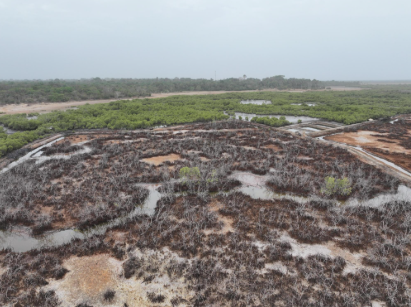
In the tranquil village of Séleki, nestled deep within Senegal’s verdant Casamance region, a silent crisis was unfolding. Mangrove forests, the vibrant coastal guardians, were inexplicably vanishing. The cause wasn’t the visible hand of logging, but a more insidious threat, one that technology has now brought to light. Thanks to the sophisticated alert functionality of Global Mangrove Watch (GMW), a vital online platform, local conservationists Boubacar Sagna and Khadim Diop, part of Wetlands International’s dedicated team, were promptly notified of a significant loss: approximately two hectares of mangrove had disappeared. Their immediate investigation, undertaken in collaboration with Capitaine Agustin Sadio, an officer of the Marine Protected Area (MPA), revealed the culprit: man-made dikes.
This discovery in Séleki is a microcosm of a larger, ongoing challenge facing the ecologically rich Casamance. The region’s mangroves are far more than just coastal vegetation; they are indispensable natural fortresses against the escalating threats of flooding and sea-level rise. Beyond their protective functions, these intricate ecosystems are the bedrock of local livelihoods, providing a bounty of essential resources such as fish, oysters, and honey, which sustain numerous communities. The economic value of these mangrove-dependent industries is substantial, with fisheries alone contributing significantly to the regional GDP.
However, these invaluable natural assets are under relentless pressure. They face a dual threat from both human activities, often driven by economic needs, and the inexorable forces of natural environmental shifts. The good news, however, is that effective solutions for mangrove restoration are well-established. The critical prerequisite for implementing these solutions, though, is precise and timely information about where degradation is occurring. The vastness of the MPAs in the Casamance region presents an almost insurmountable challenge for a small, dedicated team of rangers attempting to patrol these expansive territories on foot or by boat alone.
This is precisely where the groundbreaking capabilities of Global Mangrove Watch come into play. The platform acts as an advanced, space-based monitoring system for mangrove ecosystems. By leveraging high-resolution remote sensing data, GMW provides near real-time information on mangrove loss. This critical data empowers MPA managers, conservationists, policymakers, and practitioners with the irrefutable evidence needed to swiftly respond to threats such as illegal logging, pinpoint the specific causes of local mangrove decline, and meticulously track the progress of restoration efforts. This technological leap signifies a paradigm shift in conservation, moving from reactive responses to proactive, data-driven interventions.
The Rooted Resilience Project: Empowering Local Action
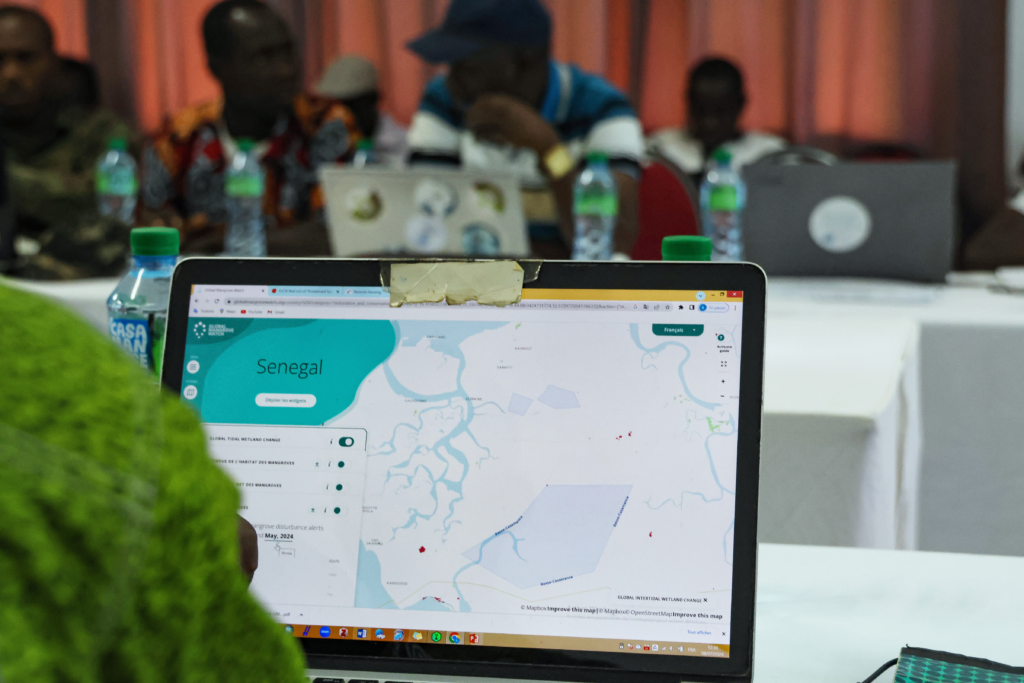
The initiative to bring Global Mangrove Watch to the forefront of conservation in the Casamance is part of Wetlands International’s impactful "Rooted Resilience" project. This ambitious program, generously supported by The Swedish Postcode Lottery Foundation, has been instrumental in training a diverse array of stakeholders. This includes local authorities, community leaders, and university students, equipping them with the skills to effectively utilize GMW’s monitoring tools. The training has already yielded tangible results, enabling rangers to monitor their entire areas of responsibility with unprecedented efficiency. This newfound oversight allows them to reallocate their limited time and resources towards more direct community engagement, fostering collaborative efforts for mangrove conservation. The project aims to create a sustainable model where technology and local knowledge converge to protect these vital ecosystems.
Séleki’s Story: From Aquaculture Dikes to Sustainable Livelihoods
The case of Séleki offers a compelling narrative of how GMW alerts can initiate a chain reaction of positive change. Within the UKB Marine Protected Area (Ufoyaal Kassa-Bandial), the investigation revealed that the two hectares of lost mangroves were a direct consequence of dikes constructed to create aquaculture ponds. While ostensibly aimed at boosting local food production and economic activity, these structures inadvertently disrupted the natural hydrological balance. By impeding the natural ebb and flow of brackish water, the dikes starved the mangroves of the tidal rhythms essential for their survival. Over time, this disruption led to the gradual withering and death of the vital coastal vegetation.
The implications of this specific degradation are significant. Mangrove forests in this area are crucial for maintaining water quality, supporting fish nurseries, and providing nesting grounds for a variety of bird species, including egrets and herons, which are indicators of a healthy ecosystem. The loss of these mangroves can lead to increased coastal erosion, reduced fish stocks, and a diminished capacity to buffer storm surges.
Recognizing that conservation is intrinsically linked to human well-being, Wetlands International Afrique is actively facilitating a crucial dialogue. This multi-stakeholder engagement involves the Séleki community, the National Aquaculture Agency, and the owner of the dikes. The objective is to collaboratively develop alternative, sustainable livelihood strategies that do not compromise the health of the mangrove ecosystem. The focus is on finding innovative ways to enhance food security and economic prosperity without resorting to practices that obstruct natural water flows. A key component of this strategy involves exploring the feasibility of reopening the dikes, thereby allowing the ecosystem to gradually heal and recover.
The approach championed by Wetlands International in Séleki aligns with the principles of Community-Based Ecological Mangrove Restoration (CBEMR). This method emphasizes working hand-in-hand with local communities to create the optimal conditions for mangroves to regenerate naturally. This includes restoring hydrological connectivity, managing local resource use, and empowering communities to become stewards of their own natural heritage. The project also actively promotes the development of alternative income streams, such as the sustainable harvesting of mangrove honey, as demonstrated in other areas under the Rooted Resilience project. These initiatives not only provide economic benefits but also foster a deeper connection and commitment to mangrove conservation.
Kalone-Bliss Kassa: The Unseen Hand of Nature
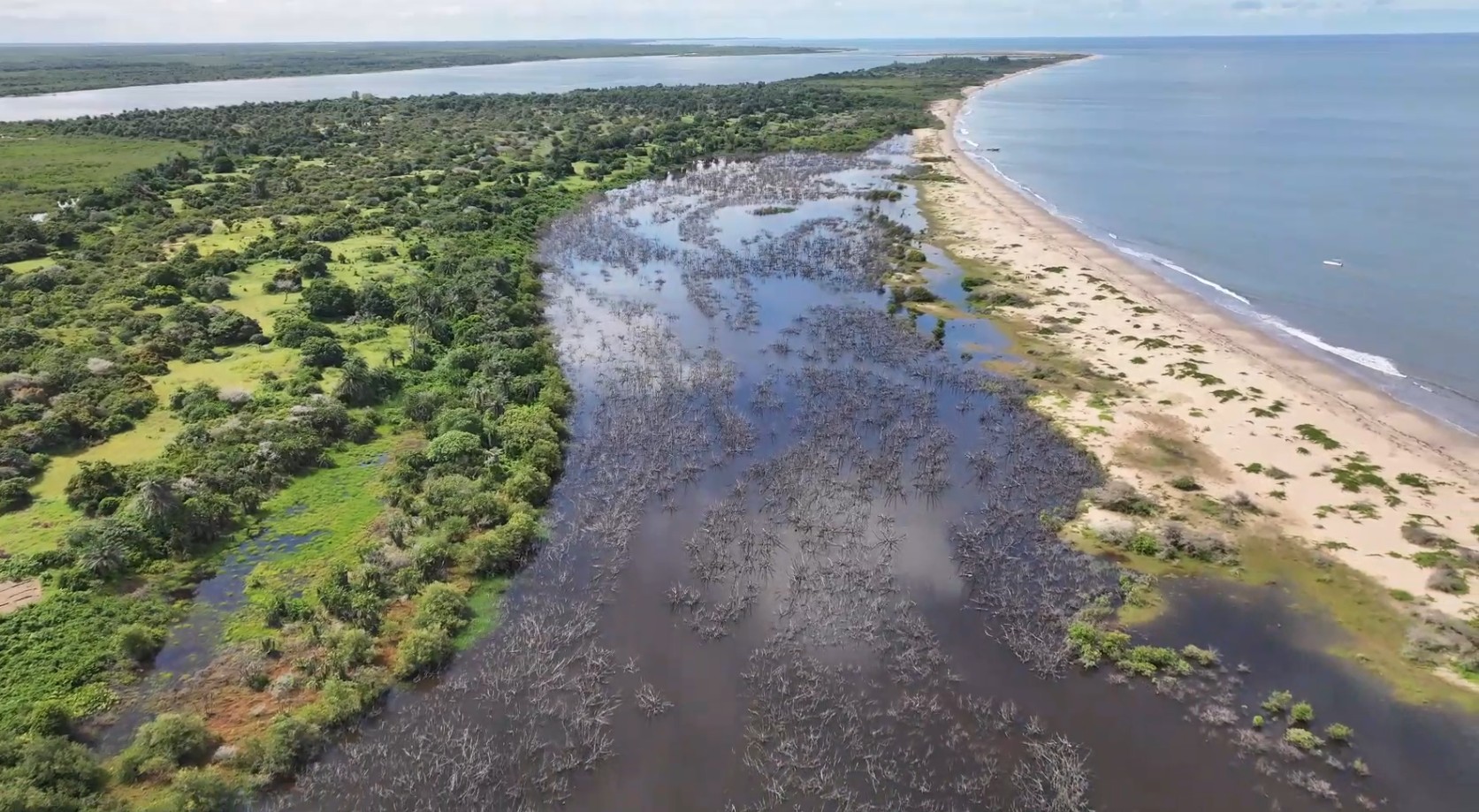
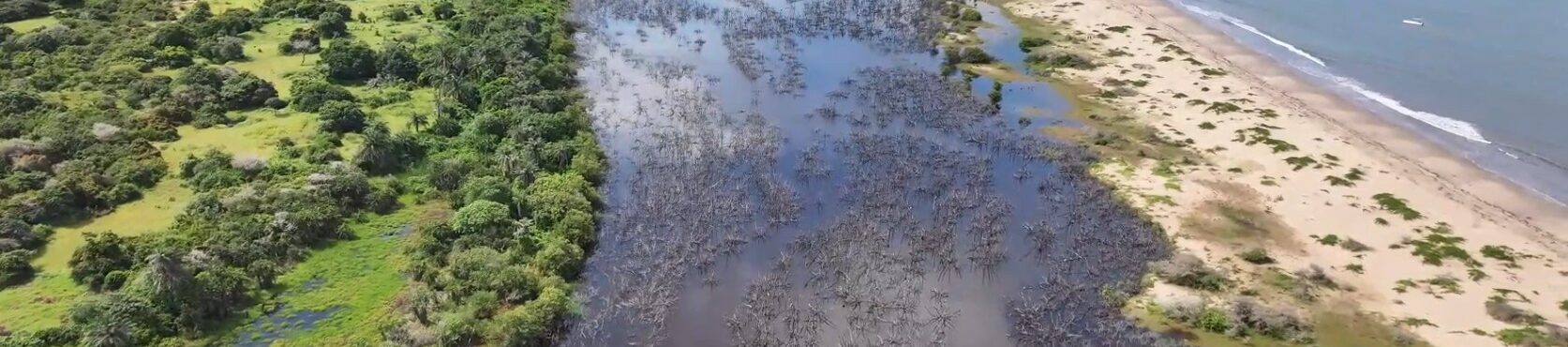
The GMW platform has also alerted authorities to mangrove loss in the KBK Marine Protected Area (Kalone-Bliss Kassa), but with a different underlying cause. Here, approximately 16 hectares of mangroves are succumbing to a natural phenomenon: the gradual migration of a massive sand dune. This encroaching dune has effectively acted as a natural dam, severing the vital inflow of water that sustains the mangrove forest. This scenario serves as a potent reminder that even within designated protected areas, mangroves remain vulnerable to the dynamic and often unpredictable shifts of coastal geography.
The ecological significance of the Kalone-Bliss Kassa area cannot be overstated. It is a critical habitat for a variety of avian species, including significant populations of cormorants and egrets, which rely on the mangrove ecosystem for foraging and roosting. The ongoing degradation poses a direct threat to these bird populations and the overall biodiversity of the MPA. An in-depth impact study is currently underway to assess the long-term ecological consequences of this natural sand dune movement and to evaluate potential intervention strategies that could mitigate its impact without disrupting the natural coastal processes. This could involve exploring nature-based solutions to stabilize or redirect the dune’s movement, or conversely, identifying ways to adapt conservation strategies to accommodate these natural shifts.
Niamone-Kalounayes: Addressing Human-Induced Pressures
A third significant alert was issued in the Niamone-Kalounayes MPA, where direct evidence of mangrove cutting was observed. While the precise reasons for these cuttings remain unclear, initial assessments suggest potential uses for fencing vegetable gardens in the vicinity or for the utilization of mangrove wood in local product transformation processes. The legality of these actions is currently under investigation. Crucially, the proactive alerts generated by Global Mangrove Watch have prompted the MPA to intensify its patrolling efforts in the affected area. This heightened vigilance aims to deter further degradation and to gather more information regarding the motivations behind the mangrove cutting. The increased surveillance is a direct consequence of the GMW system enabling targeted and efficient deployment of limited ranger resources.
The Future of Casamance Mangroves: A Fusion of Technology and Community
The comprehensive approach being deployed in Senegal’s Casamance region, characterized by the strategic integration of cutting-edge satellite technology with deep-rooted community engagement and robust government partnerships, offers a hopeful blueprint for the future of coastal conservation. This synergistic model is crucial for ensuring that the vital mangrove ecosystems of the Casamance continue to serve as effective natural defenses for the coast, safeguarding communities and biodiversity for generations to come.
The journey from a digital alert on a screen to the tangible restoration of a thriving mangrove forest is undoubtedly a long and complex one. However, in places like Séleki, the initial, critical steps toward recovery have already been taken. This progress, driven by innovation and collaboration, brings a renewed sense of hope to the communities whose very existence is intertwined with the health and resilience of these magnificent mangrove ecosystems. The data provided by Global Mangrove Watch is not merely a tool for monitoring; it is a catalyst for action, fostering a more informed, effective, and collaborative approach to mangrove conservation across Senegal and beyond. The success stories emerging from the Casamance underscore the transformative potential of technology when harnessed for the common good, demonstrating that even the most complex environmental challenges can be addressed through a combination of scientific insight and unwavering human commitment.
