

Published on: May 12, 2026
The insatiable global appetite for sand, fueled by relentless population growth, burgeoning economies, and rapid urbanization, is now outstripping its natural replenishment rate, posing a grave threat to fundamental global resources and stability. This escalating crisis imperils water and food security, undermines climate resilience, decimates biodiversity, and hinders sustainable development, according to a stark warning issued in a comprehensive new report by the United Nations Environment Programme (UNEP).
The report, titled Sand and Sustainability: An Essential Resource for Nature and Development, underscores the critical need for governments and industries worldwide to acknowledge the profound and multifaceted value of sand. Beyond its indispensable role in modern infrastructure, sand is intrinsically linked to the health of natural ecosystems and the planet’s capacity to adapt to a changing climate. The report argues for the full integration of these diverse values into sand governance frameworks to avert a looming global catastrophe.
Sand extraction represents by far the largest extractive industry on Earth. Annually, an astonishing 50 billion tonnes of sand are mined globally, predominantly from the world’s freshwater systems and coastal wetlands. This colossal volume is essential for constructing the critical infrastructure that underpins contemporary societies, economies, and development initiatives, from the concrete that forms our buildings to the asphalt that paves our roads.
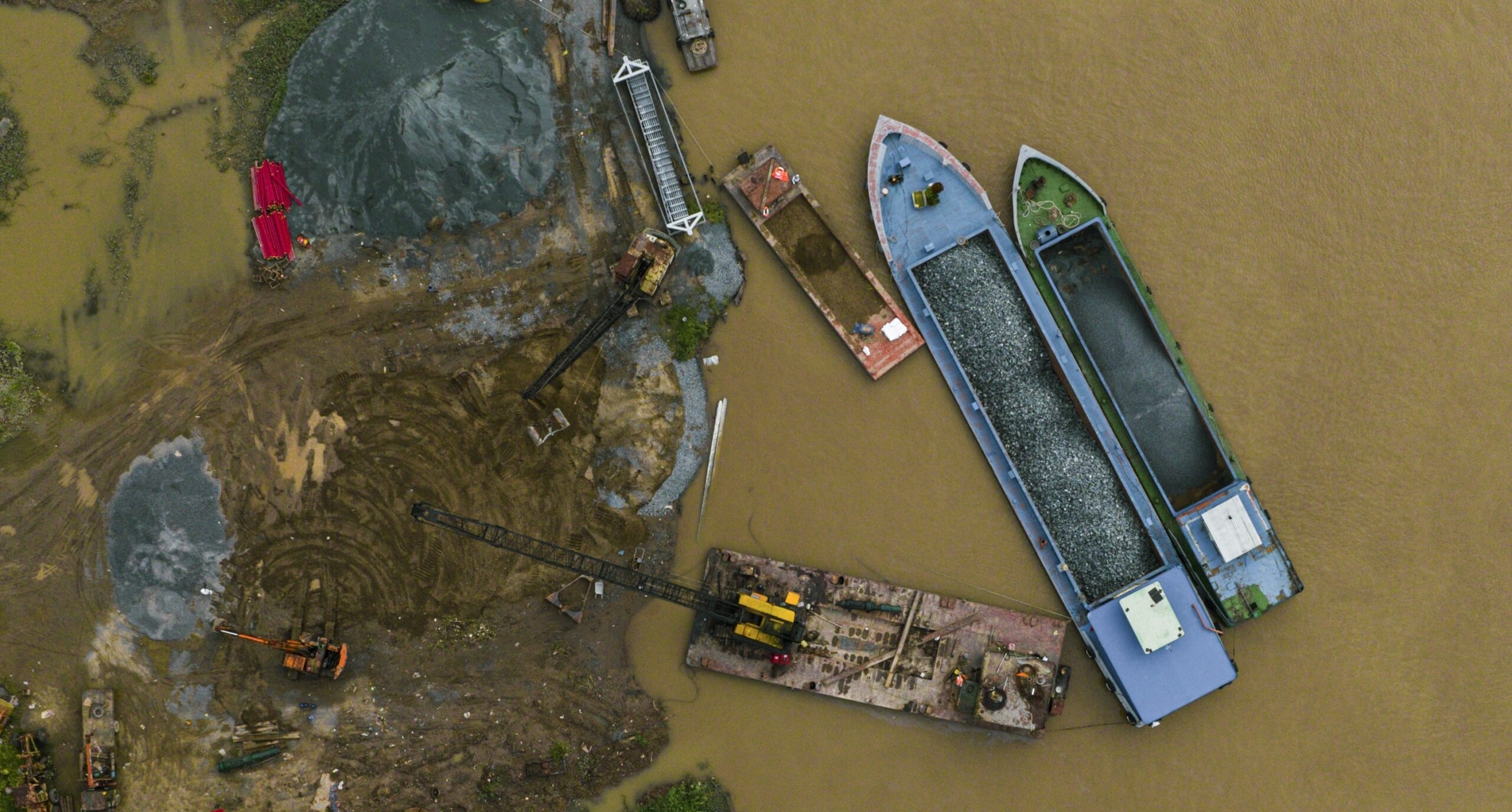
The natural processes that create sand – gradual geological erosion – are exceptionally slow. Humanity’s current rate of consumption far surpasses the Earth’s ability to regenerate this vital resource. Projections indicate a further surge in demand, with the need for sand in construction alone anticipated to rise by as much as 45 percent by 2060, exacerbating the existing imbalance.
"Sand is sometimes referred to as the unrecognized hero of development, but its essential role in sustaining natural services that we depend on is even more overlooked," stated Pascal Peduzzi, Director of the UNEP Global Resource Information Database in Geneva (GRID-Geneva). "Sand is our first line of defense against sea level rise, storm surges, and salination of coastal aquifers, all hazards exacerbated by climate change."
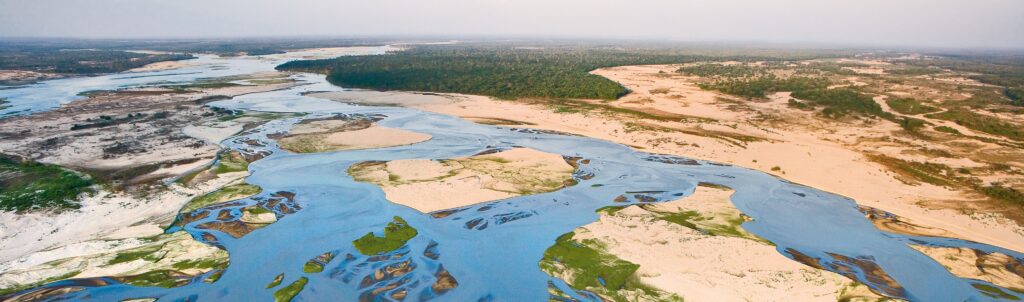
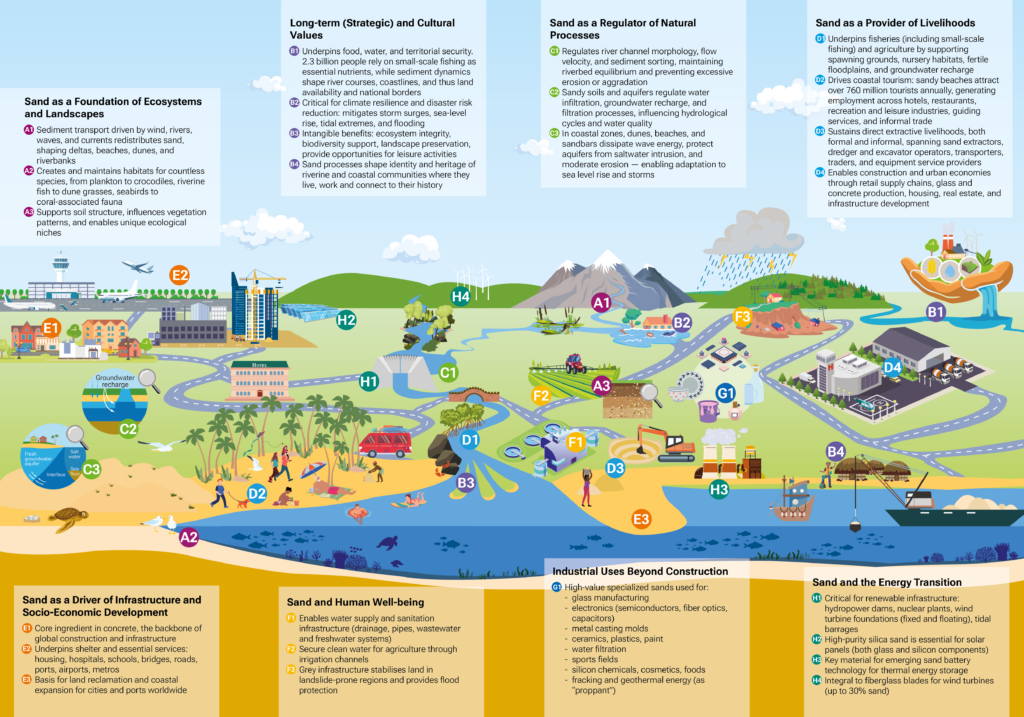
The report meticulously details the inherent tension between the demand for "dead" sand – that which has been extracted and transformed into inert materials like concrete, asphalt, and glass – and "alive" sand, which continues to perform crucial ecological functions within rivers, deltas, and coastal zones. While "dead" sand is essential for our built environment, its extraction effectively removes it from natural cycles. Conversely, "alive" sand actively contributes to landscape stability, filters water, regulates river flows, protects shorelines from erosion, maintains the integrity of deltas, prevents saltwater intrusion into coastal aquifers, and supports a rich tapestry of biodiversity.
Richard Lee, Global Head of Communications at Wetlands International, who reviewed the report, emphasized this critical duality: "Sand is not only a cornerstone of our societies and economies, but also a critical component of the very fabric of the ecosystems that our societies and economies are built on – in many cases, literally. Sand helps shape the structure of rivers, floodplains, beaches and deltas, maintaining the land beneath hundreds of millions of people’s homes, fields & feet."

Lee further elaborated on the far-reaching consequences of over-extraction: "Sand also provides critical habitats for fish, birds, crabs, and countless other species, and helps maintain ecological balance. Extract too much – as we are doing – and the results can be disastrous: lives and livelihoods lost as river and coastal erosion undermines buildings and infrastructure; families forced to migrate as deltas sink and shrink; water insecurity rises as the water table falls and salt water intrudes further inland; and food security worsens as fields flood and fisheries decline."
A Growing Crisis: The Unprecedented Demand for Sand
The scale of sand extraction has reached unprecedented levels in recent decades, driven by a confluence of factors. The global population has surged, leading to increased demand for housing and infrastructure. Rapid economic development in emerging economies has further amplified construction activities. Urbanization, a defining characteristic of the 21st century, necessitates extensive infrastructure development, from transportation networks to utilities, all heavily reliant on sand as a primary aggregate.
Timeline of Escalating Demand:
- Mid-20th Century Onwards: Post-World War II reconstruction and the beginning of widespread globalization spurred a significant increase in construction and infrastructure development, laying the groundwork for increased sand extraction.
- Late 20th Century – Early 21st Century: The rapid economic ascent of many Asian nations, particularly China, led to an exponential rise in infrastructure projects, including mega-cities, high-speed rail networks, and massive dam constructions, driving unprecedented demand for sand.
- 2010s – Present: Global awareness of the environmental impacts of resource extraction begins to grow, but demand continues to rise, outpacing sustainable supply. Reports from organizations like UNEP start to highlight the severity of the sand crisis.
- 2020s: The UNEP report marks a critical juncture, issuing a stark warning about the unsustainable trajectory of sand extraction and its cascading environmental and societal consequences. Projections indicate continued demand growth, particularly in developing nations.
The Ecological and Economic Interplay of "Dead" vs. "Alive" Sand
The UNEP report meticulously distinguishes between sand used for industrial purposes ("dead" sand) and sand that remains part of natural ecosystems ("alive" sand). This distinction is crucial for understanding the true cost of sand extraction.
"Dead" Sand:
- Primary Use: Construction aggregate for concrete, asphalt, glass, and other manufactured materials.
- Economic Value: High, as it forms the bedrock of infrastructure and economic development.
- Environmental Impact: Extraction depletes natural reserves, alters landscapes, and can lead to habitat destruction. Once processed, it is removed from natural cycles.
"Alive" Sand:
- Ecological Functions: Stabilizes riverbanks and coastlines, filters water, regulates water tables, prevents saltwater intrusion, forms critical habitats for numerous species, and contributes to delta formation and resilience.
- Economic Value: Often undervalued, yet crucial for coastal protection (reducing disaster risk), sustainable fisheries, and supporting biodiversity.
- Environmental Impact: Remains integrated within natural systems, contributing to ecosystem health and resilience.
The report highlights that the demand for both types of sand is often in direct competition. The decision to extract sand from a particular location requires a nuanced understanding of its ecological value versus its immediate utility for development. This necessitates robust data collection, comprehensive mapping of ecologically sensitive areas, and diligent monitoring of cumulative impacts.
Supporting Data and Emerging Trends
- Extraction Volume: The 50 billion tonnes of sand extracted annually is more than all other extractive industries combined, including fossil fuels, mining, and biomass.
- Source of Extraction: A significant portion of this sand is extracted from rivers and coastal areas, leading to severe ecological degradation.
- Marine Sand Extraction: Data from UNEP’s Marine Sand Watch initiative reveals alarming trends, with approximately half of dredging companies operating within Marine Protected Areas (MPAs), accounting for 15% of the total volume dredged. This raises serious questions about the effectiveness of conservation efforts when faced with economic pressures.
- Projected Demand: The anticipated 45% increase in construction sand demand by 2060 translates to an additional 10 billion tonnes of sand needed annually on top of current levels.
- Economic Value of Ecosystem Services: While difficult to quantify precisely, the economic value of ecosystem services provided by healthy riverine and coastal sand ecosystems, such as flood protection and fisheries, is immense, far exceeding the immediate economic gains from extraction in many cases.
Official Responses and Analysis of Implications
The UNEP report serves as a critical call to action, urging a paradigm shift in how sand is perceived and managed. The analysis presented suggests several key implications:
- Increased Risk of Environmental Disasters: Continued unsustainable extraction will exacerbate coastal erosion, leading to increased vulnerability to storm surges and sea-level rise, particularly in low-lying coastal communities and island nations. This will necessitate costly adaptation measures and potentially lead to mass displacement.
- Water and Food Insecurity: The degradation of river systems and coastal aquifers through sand mining will directly impact water availability for agriculture and human consumption. Reduced freshwater flows and increased saltwater intrusion will diminish arable land and harm fisheries, leading to widespread food insecurity.
- Biodiversity Loss: Critical habitats for numerous species, from fish and birds to invertebrates, are being destroyed by sand extraction. This loss of biodiversity weakens ecosystem resilience and can have cascading effects throughout food webs.
- Economic Instability: While sand extraction is currently a lucrative industry, its long-term unsustainability will lead to resource depletion, increased extraction costs, and potential conflict over dwindling supplies. This could destabilize economies heavily reliant on construction and infrastructure development.
- Social Unrest and Migration: Communities whose livelihoods are directly tied to riverine and coastal ecosystems, such as fishing villages and agricultural communities, will bear the brunt of the negative impacts. Environmental degradation and resource scarcity can fuel social unrest and force populations to migrate.
Towards Responsible Sand Governance
The report advocates for a comprehensive and coordinated approach to sand management, emphasizing the need for:
- Integrated Governance: Establishing coordinated governance frameworks that span multiple sectors (environment, infrastructure, economy) and levels of administration (local, national, regional, and potentially global).
- Strategic Resource Management: Treating sand not merely as a commodity but as a strategic resource that underpins both the built environment and natural ecosystems. This requires long-term planning that balances extraction needs with ecosystem protection.
- Enhanced Transparency and Monitoring: Greater transparency in sand extraction permits, project approvals, and financing flows is essential. This includes robust impact assessments and effective long-term monitoring to ensure that protected areas are not exploited.
- Technological Solutions and Innovation: The report highlights the availability of tools like the Sand and Sustainability Assessment Tool developed by UNEP to support more sustainable sand management at various scales.
- International Cooperation: Given the transboundary nature of many river systems and coastal zones, enhanced regional coordination and potentially global governance mechanisms are crucial for addressing sand sustainability effectively.
Evidence from regions like Africa and Southeast Asia demonstrates the tangible consequences of unsustainable sand extraction, including supply shortages, severe environmental degradation, and growing opposition from affected communities. The report underscores that early and coordinated intervention is not only possible but also cost-effective in the long run.
Ultimately, the message from UNEP is clear: the future of our planet and its inhabitants hinges on our ability to recognize the profound value of sand – both as a building block for our societies and as a vital component of the natural world. A conscious choice to use this essential resource wisely and with care is paramount.
PHOTO CREDITS:
Cover photo – © WWF-Viet Nam / Cham Team
Rufiji River, Tanzania – © Michael Poliza / WWF
Hippos in the Rufiji river – © Greg Armfield / WWF
