
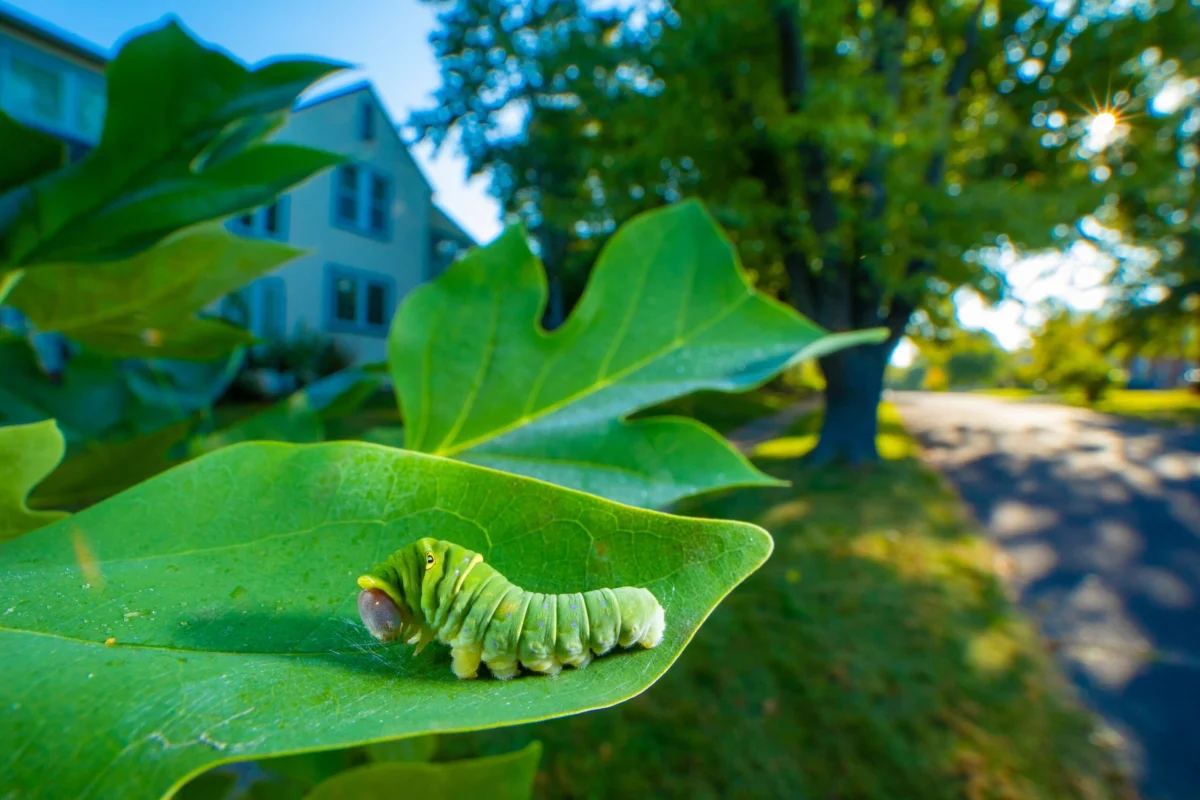
The world of photography often draws enthusiasts to grand landscapes, majestic wildlife, or sweeping urban vistas. However, a vibrant, intricate universe exists at our feet, teeming with subjects of unparalleled beauty and complexity: insects and other arthropods. While many of the fundamental skills and tools honed in bird photography—patience, understanding of light, compositional awareness—translate seamlessly to capturing these smaller subjects, achieving truly exceptional images of the minuscule inhabitants of our ecosystems also necessitates specialized considerations and a nuanced approach. This burgeoning field not only offers immense artistic satisfaction but also plays a crucial role in scientific documentation and conservation efforts.
The Allure of the Arthropod World: A Hidden Biodiversity
Insects and arthropods, often overlooked in the grand tapestry of nature photography, present a captivating array of subjects. Their dazzling colors, ranging from iridescent blues and greens to subtle earth tones, their bizarre and intricate shapes—from the geometric precision of a fly’s eye to the delicate filigree of a butterfly’s wing—and their unique, often surprisingly complex behaviors make them ideal photographic muses. Unlike their avian counterparts, which can be notoriously skittish and elusive, many insects are more cooperative, allowing photographers closer access and extended observation periods, especially during cooler parts of the day when their metabolic rates are lower.
Globally, insects represent the vast majority of known animal species, with over one million described species and estimates suggesting a total closer to five to ten million. This incredible biodiversity is fundamental to nearly all terrestrial ecosystems, with insects serving critical roles as pollinators, decomposers, predators, and prey. Documenting this richness through photography is not merely an artistic pursuit but a vital contribution to understanding and appreciating the natural world, especially given current concerns about insect population declines.
Bridging the Gap: From Avian to Arthropod Photography
For photographers already adept at capturing birds, the transition to insects can feel natural. The long telephoto lenses or high-magnification zoom cameras favored by bird photographers are often effective for larger insects such such as butterflies, dragonflies, and bees. Lenses in the 70-200mm or 100-400mm range, for instance, provide a comfortable working distance, allowing the photographer to maintain a respectful distance from potentially skittish or stinging subjects while still achieving a good frame. This also minimizes disturbance to the insect’s natural behavior. However, the true magic of insect photography, particularly for the vast majority of smaller species, lies in the realm of macro photography.
Nature and conservation photographer Noppadol Paothong emphasizes the critical role of macro lenses for smaller insects. A true macro lens is designed to achieve at least a 1:1 magnification ratio, meaning the subject is projected onto the camera sensor at life-size. This capability allows for the capture of exquisite detail, revealing textures, hairs, and anatomical features invisible to the naked eye. Macro lenses come in various focal lengths, typically ranging from 50mm to 180mm. A 100mm macro lens, for example, is a popular choice, offering a good balance between working distance and portability. Longer macro lenses, like 150mm or 180mm, provide an even greater working distance, which can be advantageous for photographing easily disturbed or potentially dangerous insects, allowing the photographer to keep a safer distance. Shorter focal length macro lenses, while often more affordable, require very close proximity to the subject, which can be challenging for both the insect and the photographer.
Beyond dedicated macro lenses, photographers can explore other avenues to achieve high magnification. Extension tubes, which are hollow rings placed between the camera body and a standard lens, increase the lens’s minimum focusing distance and magnification. Close-up filters, which are essentially magnifying glasses that screw onto the front of a lens, offer a more budget-friendly entry into macro, though often with some compromise in optical quality. For advanced enthusiasts, reverse lens mounting, where a standard lens is attached backward to the camera body (often via an adapter), can achieve extreme magnification ratios, though this setup typically sacrifices autofocus and aperture control.
Mastering the Technicalities: Camera Settings and Illumination
Once the appropriate equipment is selected, dialing in camera settings becomes paramount. One of the most critical aspects of macro photography is managing depth of field (DoF). Taking photos with a shallow depth of field, achieved with a wider aperture (e.g., f/2.8 to f/5.6), can artfully isolate the subject, rendering its background a pleasing, creamy blur. This technique draws the viewer’s eye directly to the intricate details of the insect.
However, Paothong sometimes opts for a different approach, choosing to keep more of the surroundings in focus. This technique, often achieved with a wide-angle macro lens or a higher f-stop (smaller aperture, such as f/8 to f/16), calls attention to the insect’s role within its habitat—its interactions as a predator, prey, or pollinator. This contextual photography tells a broader ecological story, highlighting the insect’s interconnectedness with its environment. It’s a challenging approach, as increasing the depth of field in macro photography often necessitates significantly more light to compensate for the smaller aperture. Very high f-stops (e.g., f/22 or higher) can also introduce diffraction, a phenomenon where light waves spread out as they pass through a small aperture, leading to a slight softening of the image. Advanced techniques like focus stacking, where multiple images are taken at different focus points and then combined in post-processing, can overcome this challenge, yielding a single image with exceptional sharpness from front to back.
Insects can move with surprising speed, even when seemingly still. A sudden twitch or flight requires high shutter speeds to freeze motion, typically ranging from 1/250s to 1/1000s or even faster for rapidly moving subjects like hovering bees or flying dragonflies. This necessity for fast shutter speeds underscores the importance of proper lighting. Adequate illumination allows for the use of faster shutter speeds and smaller apertures without resorting to excessively high ISO settings, which can introduce digital noise and degrade image quality.
When relying on natural light, photographers generally aim for the source to be behind them, illuminating the subject evenly. The "golden hours"—mornings shortly after sunrise or late afternoons before sunset—often provide soft, warm, directional light that enhances textures and colors. The diffuse light of overcast days can also be ideal, as it minimizes harsh shadows and provides a consistent, soft illumination that is particularly flattering for macro subjects.
However, natural light alone is often insufficient for the demands of macro photography, especially when using higher f-stops for greater depth of field or fast shutter speeds. Many photographers choose to augment natural light with artificial sources. On-camera flashes are common, but their direct light can be harsh, creating strong shadows and specular highlights. To mitigate this, diffusers—small attachments that spread and soften the flash output—are essential. Softbox lights, often mounted on a movable arm attached to the camera, offer a more controlled and softer light source. Ring flashes, which encircle the lens, provide even, shadowless illumination, ideal for revealing fine details. Twin flashes, positioned on either side of the lens, offer versatility in creating modeling and depth. The ability to position an artificial light source precisely, often using flexible arms, gives the photographer immense control over the light quality and direction, crucial for rendering the intricate forms of insects.
Beyond the Lens: Field Craft, Ethics, and Storytelling
Getting the best shot transcends technical proficiency; it requires respecting insects as living photographic subjects. Visual journalist Diana Cervantes, based in New York City, exemplifies this philosophy. While photographing the critically endangered Sacramento Mountains checkerspot butterfly in New Mexico, she immersed herself in their world, spending countless hours observing their specific quirks and behaviors. This deep engagement allowed her to anticipate their movements and capture authentic, compelling images. Her experience underscores that understanding the subject’s natural history and ethology is as important as understanding camera settings.
Paothong’s practice of growing native plants in his garden to attract insects further illustrates this connection. By cultivating a thriving habitat, he not only ensures a steady supply of subjects but also creates a richer environment for storytelling, enabling him to photograph insects within their natural context and highlight their roles in ecosystem relationships. This approach integrates ecological awareness directly into the photographic process.
Ethical considerations are paramount in insect photography. Minimal disturbance to the subject and its habitat is a guiding principle. This means avoiding excessive handling, not damaging plants, and leaving the environment as found. For some species, particularly those that are rare or endangered, specific guidelines or permits may be necessary, and photographers should always prioritize the well-being of the subject over the pursuit of a perfect shot.
Cervantes emphasizes that "It’s not about the gear; it’s just about the way you see and connect with the world." She travels light, typically carrying only a 100mm f/2.8 lens, which allows her to hike into remote areas without being encumbered by heavy equipment. She points out that the scientists she collaborates with often take high-quality pictures using only their cell phones, demonstrating that vision, patience, and a deep connection to the subject can yield remarkable results even without the most advanced equipment. This sentiment resonates with the idea that the photographer’s eye and understanding are ultimately the most powerful tools.
The Conservation Lens: Documenting a Fragile World
The role of insect photography extends far beyond aesthetics; it has become an increasingly vital tool for conservation and scientific research. Recent studies have highlighted a disturbing global trend often referred to as the "insect apocalypse," indicating widespread and often rapid declines in insect populations. Data from various regions, including a landmark 2017 study in Germany reporting a 75% decline in flying insect biomass over 27 years, and a 2019 global review suggesting over 40% of insect species are threatened with extinction, underscore the urgency of understanding and addressing these losses. The primary drivers include habitat loss and fragmentation, pesticide use, climate change, light pollution, and invasive species.
In this context, insect photography serves multiple critical functions:
- Public Awareness and Education: Striking, high-quality images of insects can transform public perception, moving beyond common misconceptions of "bugs" as pests to fostering appreciation for their beauty and ecological importance. These images are powerful educational tools, used in museums, documentaries, and conservation campaigns to engage and inform a broader audience about biodiversity and the threats it faces.
- Citizen Science: The rise of online platforms like iNaturalist and BugGuide has empowered amateur photographers to become citizen scientists. By uploading geo-tagged images of insects, individuals contribute valuable data on species distribution, phenology (the timing of biological events like emergence or migration), and population trends. This crowdsourced data can supplement professional scientific surveys and provide insights into large-scale ecological changes that would otherwise be impossible to track.
- Scientific Documentation: For entomologists, detailed photographs are indispensable. They aid in species identification, particularly for newly discovered or cryptic species, and provide visual records of morphological features. Photography can document rare species, track the spread of invasive species, and monitor the health of specific insect populations over time, offering crucial visual evidence for scientific papers and conservation reports.
- Policy and Advocacy: Compelling images are often used by conservation organizations to advocate for policy changes, habitat protection, and funding for research. A powerful photograph of an endangered insect in its threatened habitat can be far more persuasive than statistics alone, galvanizing public support and influencing decision-makers.
Accessibility and Innovation: Democratizing Macro Photography
Cervantes’s observation about scientists using cell phones for high-quality pictures highlights a significant trend: the democratization of macro photography. While professional macro lenses and advanced camera bodies remain the gold standard for many applications, technological advancements have made macro photography more accessible than ever. Clip-on macro lenses for smartphones, coupled with the improving quality of smartphone cameras and computational photography features, allow virtually anyone to explore the miniature world with surprising clarity. This accessibility is crucial for expanding the reach of citizen science and inspiring a new generation of nature enthusiasts.
The philosophy that "it’s not about the gear" is not a dismissal of specialized equipment but rather an emphasis on the photographer’s vision, patience, and ability to connect with the subject. Whether armed with a top-tier macro setup or a smartphone, the essence of impactful insect photography lies in the storytelling—the ability to convey the intricate lives and vital roles of these small creatures.
Further technological innovations, such as the advanced electronic viewfinders (EVFs) and focus peaking features in modern mirrorless cameras, have also simplified precise focusing, which is notoriously challenging in macro photography due to the extremely shallow depth of field. In-camera focus stacking capabilities are also becoming more common, streamlining a process that once required extensive post-processing.
The Future of Microcosmic Storytelling
As the world faces unprecedented environmental challenges, the ability to document and share the beauty and importance of insects and other arthropods becomes increasingly critical. Insect photography is not merely a niche genre; it is a powerful medium for art, science, and advocacy. It invites us to slow down, observe, and appreciate the often-unseen wonders that sustain our planet. By mastering the specialized techniques and embracing ethical practices, photographers can contribute significantly to a broader understanding and appreciation of biodiversity, fostering a deeper connection with the natural world and inspiring action to protect its most delicate and vital inhabitants.
This story originally ran in the Summer 2026 issue as “Ready for Their Close-Up.” To receive our print magazine, become a member by making a donation today.
