
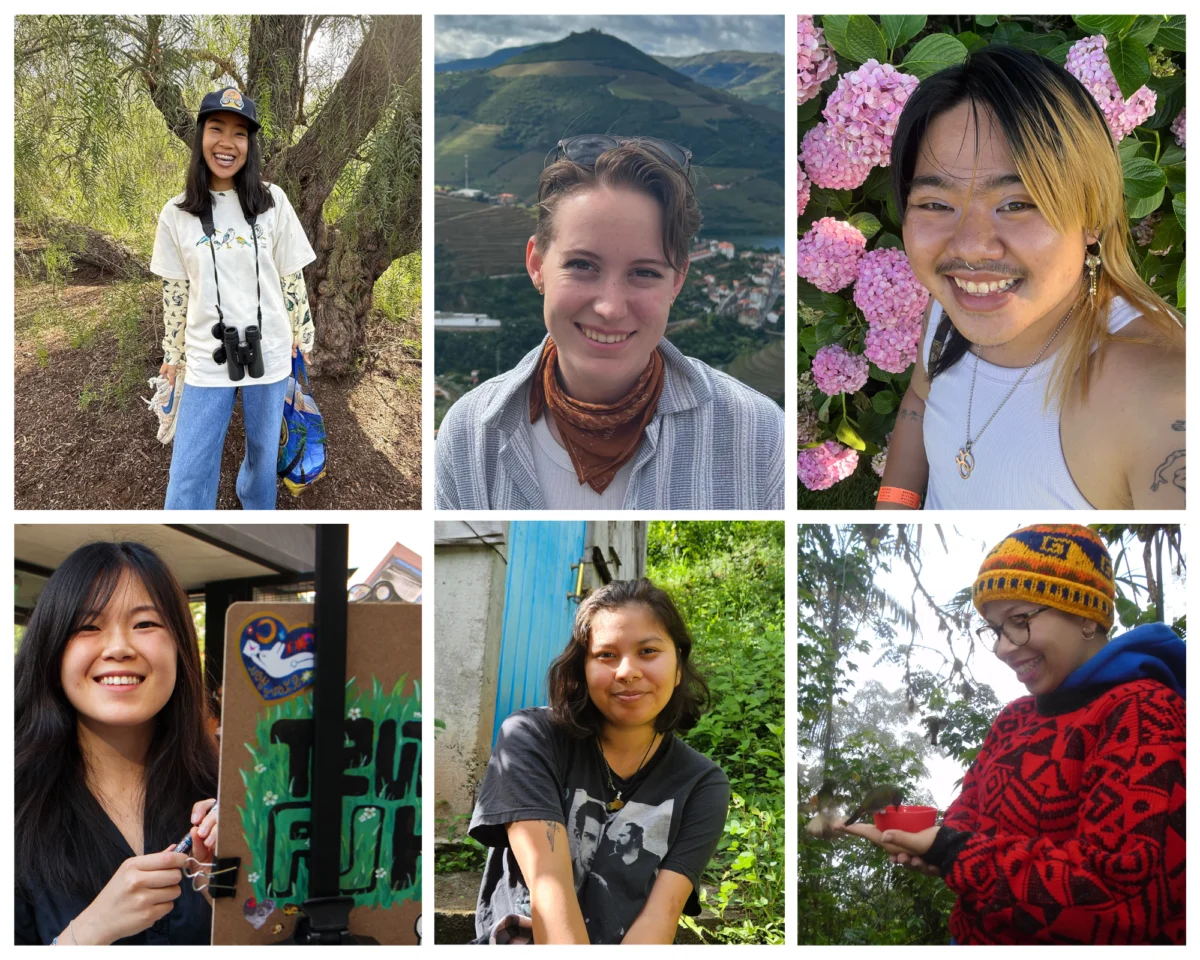
Audubon California proudly announces the launch of its 2026 Coastal Leadership Program (CLP) cohort, an intensive initiative designed to cultivate the next generation of environmental stewards dedicated to protecting California’s invaluable coastal ecosystems. Beginning this July, a meticulously selected group of early career professionals, whose expertise spans environmental science, education, and the arts, will embark on a four-and-a-half-month journey. This immersive program is structured to provide participants with profound insights into the multifaceted aspects of coastal conservation, equipping them with both specialized knowledge and practical skills essential for long-term environmental stewardship.
The Critical Importance of California’s Coastal Ecosystems
California’s coastline, stretching approximately 1,100 miles, is a dynamic tapestry of diverse habitats, including expansive estuaries, rugged rocky intertidal zones, pristine sandy beaches, and vibrant kelp forests. These ecosystems are not merely scenic backdrops; they are critical engines of biodiversity, supporting an extraordinary array of plant and animal life, many of which are endemic or endangered. The state’s coastal zones serve as vital migratory pathways for millions of birds, acting as essential stopovers and breeding grounds along the Pacific Flyway. Beyond their ecological significance, these areas underpin substantial economic activity, driving tourism, recreation, and commercial fisheries, contributing billions annually to California’s economy.
Threats to Coastal Biodiversity and Resilience
Despite their immense value, California’s coastal ecosystems face unprecedented threats. Climate change stands as a primary concern, manifesting through accelerating sea-level rise, increased ocean acidification, and more frequent extreme weather events. The Intergovernmental Panel on Climate Change (IPCC) projects significant sea-level rise along global coastlines, threatening to inundate wetlands, erode beaches, and displace human and wildlife communities. Pollution, particularly from plastics, agricultural runoff, and industrial discharge, continues to degrade marine and estuarine environments, impacting water quality and marine life. Habitat loss due to relentless urban development and coastal erosion further fragments critical ecosystems, while human disturbances from recreation and overfishing add pressure to fragile populations. These cumulative stressors underscore the urgent need for dedicated conservation efforts and a well-trained workforce capable of addressing complex environmental challenges.
The 2026 Coastal Leadership Program: A Deep Dive
The Coastal Leadership Program is meticulously structured to offer a comprehensive learning experience that blends theoretical understanding with hands-on application. Participants will engage in a rigorous curriculum delivered through evening sessions at the Audubon Center at Debs Park, featuring insights from leading guest speakers who are experts in their respective fields—ranging from marine biologists and climate scientists to environmental policymakers and community organizers. These sessions provide the foundational knowledge necessary to understand the scientific, political, and social dimensions of coastal conservation.
Complementing the academic component, significant emphasis is placed on field-based learning. Cohort members will spend extensive time in various coastal environments, working directly with Audubon California’s partnering organizations. This practical engagement is crucial for developing tangible skills in coastal habitat restoration, which includes techniques for native plant propagation, invasive species removal, and erosion control. Participants will also receive intensive training in bird identification, focusing on the specific species that inhabit California’s diverse coastal habitats, and learning to contribute to citizen science initiatives that monitor bird populations. Furthermore, the program delves into environmental policy, exploring the intricacies of landmark legislation such as the California Coastal Act, federal environmental regulations, and local ordinances that govern land use and resource management. Climate change adaptation and mitigation strategies are also central themes, equipping leaders with the knowledge to advocate for resilient coastal communities and ecosystems.
The program’s overarching goal is to foster professional skills vital for long-term stewardship. This includes leadership development, effective communication strategies for diverse audiences, project management, grant writing, and community organizing techniques. By integrating these elements, the CLP aims to create well-rounded conservationists who can not only understand environmental issues but also mobilize communities, influence policy, and implement effective solutions.
Introducing the 2026 Cohort: Diverse Expertise for a Unified Cause
The 2026 Coastal Leadership Program cohort comprises ten individuals whose varied backgrounds and passionate commitment promise a dynamic and collaborative learning environment. Their collective experiences reflect the multidisciplinary approach necessary for modern conservation challenges.
Stephanie Hu: Art, Advocacy, and Avian Habitats
Stephanie Hu, an artist hailing from the South Bay, brings a unique perspective to the cohort, blending creative expression with environmental advocacy. Her leisure time is frequently dedicated to birding along the Lower LA River, where she observes the intricate relationship between urban development and avian life. Stephanie co-leads a high school mentorship program that connects students with the LA River ecosystem and leverages art to support community-based organizations in Southeast Los Angeles. Her particular interest lies in exploring how the built environment influences the coexistence of birds and humans, a critical inquiry in rapidly urbanizing coastal regions. Stephanie is eager to expand her coastal ecology knowledge and forge connections with fellow enthusiasts dedicated to the preservation of the California coast.
Abigail Garcia: Global Perspective, Local Impact
Abigail Garcia, a recent Biology graduate from Kenyon College, originates from the San Fernando Valley. Her introduction to coastal conservation occurred during a fellowship at the Massachusetts Audubon Society, where she actively contributed to Saltmarsh Sparrow conservation efforts. This experience provided her with a valuable comparative understanding of coastal challenges on the East Coast. Abigail finds birding to be a profound way to maintain a connection to "home" regardless of her physical location, highlighting the emotional and spiritual dimensions of nature engagement. She is enthusiastic about delving into the intricacies of California’s coastal ecosystems, close to her roots, and building a supportive community with other young adults passionate about birding.
Anya Jiménez: Storytelling for Conservation
Anya Jiménez is a multi-talented individual, identifying as a filmmaker, ecologist, New Yorker, and drag king. Her conservation journey has taken her across the globe, including banding Darwin’s finches in the Galápagos, a foundational experience in evolutionary ecology. She has also contributed to ocean storytelling initiatives aboard the R/V OceanXplorer in both Indonesia and China, underscoring her expertise in environmental communications on a global scale. Locally, Anya served as an environmental communications photographer for the Wrigley Institute for Environment and Sustainability on Catalina Island, capturing the beauty and fragility of California’s marine environments. Though new to birding, Anya is keen to learn from her peers and utilize her storytelling prowess to educate communities about the critical importance of environmental stewardship for California’s coastal birds.
Olive Gaetz: Art, Education, and Ecological Outreach
Olive Gaetz, originally from Texas and now a Californian, works as a graphic designer and freelance artist in Pasadena. Her lifelong fascination with birding was ignited by childhood summers spent at her local Audubon Center in Dallas. This passion manifests through her artwork, curatorial projects, and exploration of new environments. In 2025, Olive independently curated "Signs From Above," an art exhibition from the collections of Scripps College, which explored the global cultural significance of birds. She aspires to continue developing projects that integrate her passions for art, birding, and community, illustrating the interconnectedness of all life through the natural world. As a relatively new resident of California, Olive is acutely aware of the ecological risks facing the coastline and is eager to learn how to leverage her creativity, design expertise, event-planning skills, and public speaking abilities to develop impactful conservation projects and outreach campaigns.
Xitlaly Uribe: Championing Equity in Green Spaces
Xitlaly Uribe is a first-generation Mexican-American queer community advocate whose professional and personal life is driven by a commitment to equity and the creation of urban green spaces. Currently, she coordinates programs that support immigrant and low-wage workers, focusing on health, wellness, and workforce development—demonstrating a deep understanding of the intersection between social justice and environmental well-being. Outside of her professional commitments, Xitlaly enjoys biking and volunteering at animal shelters. Guided by a steadfast motto of social justice, they are dedicated to fostering inclusive and equitable communities, making their participation in the CLP particularly relevant to addressing environmental justice issues within coastal conservation.
Ciel: Bridging Language, Nature, and Community
Ciel, a queer, Latine linguist and emerging naturalist, is a native of Los Angeles. Their passion for nature was ignited after participating in the City Nature Challenge in 2025, an experience that led to a captivating interest in birding and wildlife photography. Ciel is particularly keen to expand their knowledge of environmental justice, enhance their shorebird identification skills, and, crucially, facilitate greater connection between Black and Brown communities and green spaces. Their linguistic background offers a unique lens through which to communicate complex environmental concepts and bridge cultural divides in conservation efforts.
Andrea: Advocating for Outdoor Equity
Andrea is a first-generation college student at Pasadena City College, currently pursuing a biology degree with aspirations of a bachelor’s in Animal Biology and a minor in Wildlife Conservation. Growing up in Los Angeles, she has directly witnessed and experienced the exclusion of historically marginalized communities, including Latino immigrant communities, from outdoor spaces and the pervasive barriers to access. This personal experience fuels her motivation to bridge the outdoor-equity gap and advocate for greater outdoor accessibility and environmental justice. Andrea is particularly excited to hone her skills in research and public speaking, deepen her understanding of bird species and migration patterns, and gain a more comprehensive grasp of urbanization’s effects on natural environments.
Gabriella: Zapotec Heritage and Storytelling
Gabriella, a community educator of Zapotec heritage, is committed to utilizing storytelling as a powerful tool for fostering stewardship of the land. She finds profound connection with the natural world through hiking, biking, and exploring parks. Her approach emphasizes the cultural and ancestral ties to the environment, particularly relevant for indigenous communities. Gabriella is most excited about building a collaborative learning community with fellow bird enthusiasts and deepening her knowledge of the unique Southern California coastal landscape, drawing on traditional ecological knowledge and contemporary conservation science.
Ray: Printmaking, Community, and Coastal Restoration
Ray, a Viet and trans printmaker, is deeply passionate about community building. Over the past year, they have cultivated a profound interest in birdwatching, tidepooling, and ocean exploration—activities that provide direct engagement with coastal ecosystems. Through the Coastal Leadership Program, Ray aims to expand their knowledge of shorebird life cycles and develop the skills necessary to host informative and accessible events. Their goal is to empower people to actively participate in coastal restoration efforts and learn about shorebirds in an inclusive and engaging manner, leveraging their artistic background for effective outreach.
Laurel Tamayo: Film, Flight, and Mental Well-being
Laurel Tamayo, a filmmaker and impact producer, is dedicated to harnessing the power of entertainment to inspire climate resilience. Born and raised in Hawaiʻi, she possesses an innate love for the ocean, tide pooling, and photographing shorebirds. Last year, Laurel achieved a personal milestone, surpassing her goal of spotting 100 new bird species, a testament to her dedication to avian observation. Through the CLP, she is eager to deepen her understanding of local bird conservation in Los Angeles and explore the crucial intersection of birding, youth engagement, and mental health, recognizing the therapeutic and educational benefits of connecting with nature.
Funding and Collaborative Support
The successful execution of Audubon California’s 2026 Coastal Leadership Program cohort is made possible through the generous funding provided by the California Coastal Commission. This critical support is channeled through a grant program specifically designed to bolster coastal protection initiatives. The program’s funding mechanism is directly supported by sales of the iconic WHALE TAIL® License Plate and through donations made to the Protect Our Coast and Oceans Fund on California state tax returns.
The California Coastal Commission, established by voter initiative in 1972 and made permanent by the California Coastal Act of 1976, is a state agency charged with protecting and enhancing California’s coast and ocean. Their support for the Coastal Leadership Program underscores a shared commitment to developing future leaders who will safeguard these vital resources. This collaboration highlights the synergy between governmental agencies and non-profit organizations in achieving comprehensive and sustainable conservation outcomes for one of the world’s most ecologically significant coastlines. The ongoing success of the WHALE TAIL® License Plate program, which has generated millions of dollars for coastal and ocean protection, demonstrates the public’s enduring commitment to preserving these natural treasures for future generations.
Broader Implications for California’s Future
The launch of the 2026 Coastal Leadership Program carries significant implications for the future of California’s environmental landscape. By investing in a diverse cohort of emerging professionals, Audubon California and its partners are actively fostering a robust pipeline of leaders equipped to tackle increasingly complex environmental challenges.
Fostering a New Generation of Leaders
The program is a strategic investment in human capital for environmental conservation. These individuals, armed with specialized knowledge and practical skills, are poised to assume leadership roles in governmental agencies, non-profit organizations, research institutions, and community groups. Their training ensures a continuous supply of dedicated professionals capable of designing, implementing, and advocating for effective conservation strategies.
Enhancing Community Engagement and Environmental Justice
The diverse backgrounds and interests of the cohort members, particularly their emphasis on community engagement, art, storytelling, and addressing environmental justice, are crucial for broadening the reach and impact of conservation efforts. By connecting with historically marginalized communities, bridging cultural divides, and advocating for equitable access to green spaces, these leaders will help ensure that conservation is inclusive and beneficial for all Californians. Their varied approaches will enable more effective communication of conservation messages, making environmental stewardship relevant and accessible to a wider public.
Long-term Stewardship and Policy Influence
The comprehensive curriculum, covering everything from habitat restoration to environmental policy, positions the cohort members to influence long-term stewardship outcomes. Their deepened understanding of policy mechanisms and climate change impacts will enable them to contribute to informed decision-making and advocate for robust environmental protections. As they advance in their careers, these leaders will play a pivotal role in shaping policies, driving innovative research, and inspiring collective action necessary to ensure the resilience and vitality of California’s iconic coastline for generations to come. The program represents a proactive step towards building a sustainable future where human communities and natural ecosystems thrive in harmony along the Golden State’s magnificent shores.
