

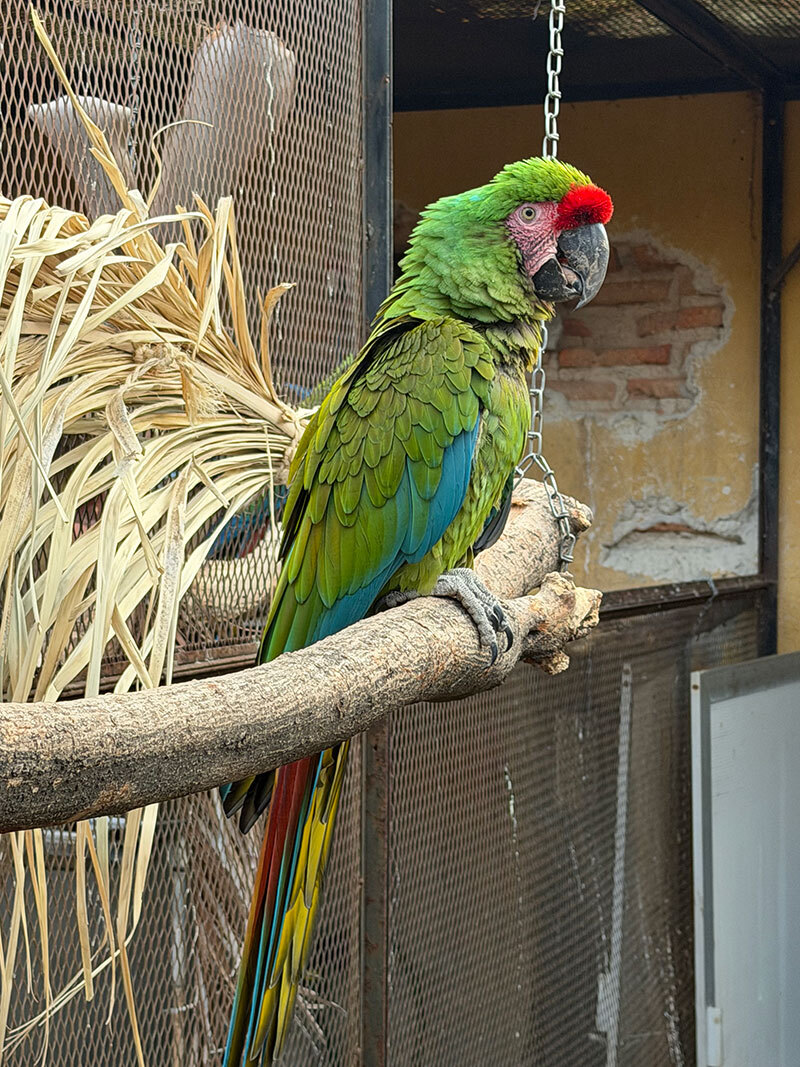
The vibrant emerald, sapphire, and gold plumage of the Military Macaw (Ara militaris) once painted a dazzling spectacle across the lush forests of western Mexico. Their raucous calls, a signature sound of the region, echoed through ancient canopies. However, for decades, these magnificent birds have been progressively silenced, their numbers dwindling to a critical point. The culprits are a familiar litany of environmental degradation: relentless illegal logging that decimates their habitat, unchecked urban expansion encroaching upon their territories, and the insidious grip of wildlife trafficking that plunders their populations for the exotic pet trade. Today, encountering a wild Military Macaw is an increasingly rare and poignant event, a stark testament to their precarious existence. Yet, amidst this somber reality, a beacon of hope shines brightly, emanating from the unwavering dedication of the Txori Foundation.
The Txori Foundation: A Legacy of Avian Advocacy
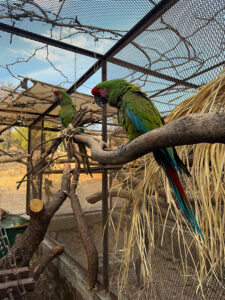
Established in 1989, the Txori Foundation emerged from a deep-seated concern for Mexico’s escalating environmental crises. With a mission that predates its formal inception, the organization has dedicated itself to the protection and rehabilitation of wildlife for over a century, a testament to the enduring nature of their commitment. Their most urgent and ambitious undertaking currently centers on a carefully curated flock of sixteen Military Macaws residing within the sanctuary’s protective embrace. These birds are not merely being housed; they are undergoing an intensive, multi-faceted rehabilitation program designed to equip them with the essential survival skills necessary for a triumphant return to their ancestral wild.
This monumental endeavor is overseen by a specialized, multidisciplinary team whose passion for avian welfare is palpable. This dedicated network comprises:
- Veterinarians: Ensuring the physical health and well-being of each macaw, addressing any lingering injuries or health issues stemming from their past experiences.
- Avian Behaviorists: Guiding the birds through a process of reacquiment to natural foraging behaviors, predator avoidance techniques, and social integration within the flock.
- Habitat Specialists: Working to identify and prepare suitable reintroduction sites, ensuring the availability of natural food sources and safe roosting locations.
- Conservation Biologists: Monitoring the genetic health of the flock and contributing to long-term strategies for population recovery.
- Education and Outreach Coordinators: Engaging local communities and the broader public to foster understanding and support for conservation efforts.
The overarching objective of this comprehensive rehabilitation is nothing short of a paradigm shift in the conservation landscape for Military Macaws in Mexico. By meticulously preparing this flock for release, the Txori Foundation aims to reintroduce them into their original biological corridors. This strategic reintroduction is envisioned as the catalyst for natural repopulation, igniting a genuine and sustainable recovery for a species teetering on the brink of oblivion.
A Countdown to Freedom: The March 2027 Release
The culmination of years of meticulous care and preparation is slated for March 2027, when the Txori Foundation aims to open the aviary doors and witness these sixteen Military Macaws take flight into their natural habitat. This ambitious release, however, is contingent on the successful navigation of a significant financial hurdle. As a privately funded conservation initiative, the Txori Foundation faces the perpetual challenge of securing consistent and adequate financial resources to sustain its vital operations.
Before the grand release can materialize, the Foundation must achieve its fundraising targets to cover a suite of essential, non-negotiable costs. These critical expenditures include:
- Specialized Aviary Upgrades: Enhancing the rehabilitation enclosures to better simulate natural environments and facilitate the transition to outdoor living.
- Nutritional Support: Providing a diverse and nutrient-rich diet that mimics natural foraging opportunities, crucial for building strength and resilience.
- Veterinary Care and Monitoring: Ongoing health assessments and potential treatments to ensure the birds are in peak condition for release.
- Tracking and Monitoring Equipment: Essential for post-release observation, allowing researchers to track the macaws’ movements, survival rates, and integration into wild populations.
- Habitat Restoration Efforts: Investing in the reforestation and protection of key areas within the macaws’ historical range to ensure a welcoming and supportive environment upon their return.
The success of this March 2027 release carries profound implications that extend far beyond the immediate fate of these sixteen individual birds. The liberation of this flock will create vital space within the Txori Foundation’s sanctuary. This newly available capacity will enable the organization to extend its life-saving interventions to a new wave of macaws – birds that have been victims of the cruel and exploitative wildlife trafficking trade, or those rescued from environments where they could not survive. This expansion of their rehabilitation program signifies a second chance for countless more macaws, offering them the care they deserve and, ultimately, their own pathway back to the wild.
The Broader Impact: A Ripple Effect for Conservation
The plight of the Military Macaw is emblematic of a wider crisis facing numerous avian species across the globe. According to the International Union for Conservation of Nature (IUCN) Red List, a significant percentage of parrot species are categorized as threatened with extinction. The factors driving these declines – habitat loss, climate change, and the illegal pet trade – are interconnected and demand a multi-pronged approach to conservation. The Txori Foundation’s comprehensive strategy, encompassing rehabilitation, reintroduction, and community engagement, offers a model that could be replicated and adapted for other endangered avian populations.
The establishment of biological corridors, a key component of the Txori Foundation’s plan, is a scientifically recognized and effective method for restoring fragmented habitats and facilitating the movement and genetic exchange of wildlife populations. By working to re-establish these natural pathways, the Foundation is not only aiding the Military Macaw but also contributing to the overall ecological health and resilience of the western Mexican landscape. This approach recognizes that the survival of a species is inextricably linked to the health of its environment.
A Call to Action: Supporting the Macaw’s Future
The journey toward the successful reintroduction of the Military Macaw is undeniably arduous, yet the Txori Foundation remains steadfastly encouraged by the growing awareness and collaborative spirit emerging within the community. As the world becomes more cognizant of the interconnectedness of ecosystems and the ethical imperative to protect biodiversity, the willingness of individuals and organizations to support conservation initiatives is on the rise.
Parrot enthusiasts and conservation-minded individuals worldwide have a tangible opportunity to play a direct role in the resurgence of the Military Macaw. By amplifying the message of the Txori Foundation’s work, sharing their story, and contributing to their fundraising efforts, supporters can directly impact the lives of these magnificent birds and contribute to the restoration of Mexico’s natural heritage.
This month, Lafeber, a leading provider of avian nutritional supplements and educational resources, has pledged a donation to support the Txori Foundation’s critical preparations for the macaws’ release into their native habitat. This contribution underscores the importance of such collaborative efforts in bridging the gap between conservation goals and tangible outcomes.
For those who wish to extend their support beyond sharing this vital information, direct donations to the Txori Foundation are instrumental in helping them achieve their ambitious fundraising targets. Every contribution, no matter the size, brings the March 2027 release closer to reality and offers a brighter future for the Military Macaw, a future where their vibrant calls once again echo through the Mexican skies. The conservation of these iconic birds is not merely an environmental endeavor; it is a testament to humanity’s capacity for stewardship and a promise to future generations that the wild wonders of our planet will endure.
