
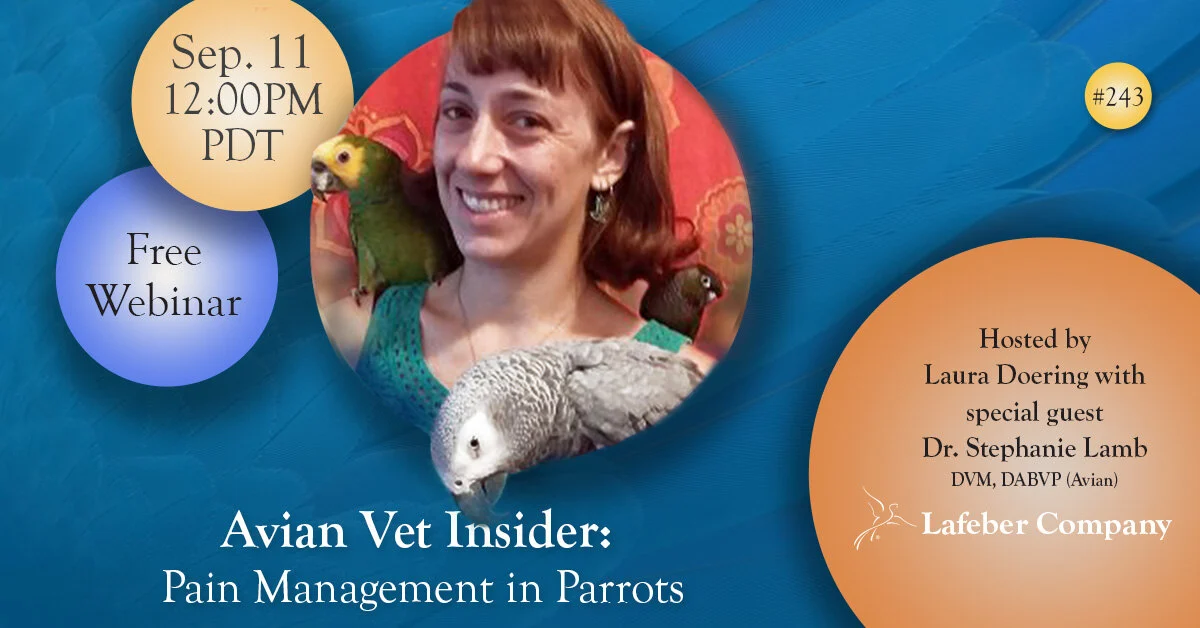
As September marks the annual observance of Animal Pain Awareness Month, avian health experts are shifting their focus toward a critical, often overlooked aspect of pet bird care: the identification and management of chronic and acute pain in psittacine species. On Friday, September 11, 2026, at 12:00 p.m. PDT, Dr. Lamb will host a comprehensive webinar titled "Avian Vet Insider — Pain Management in Parrots." This educational session aims to bridge the gap between clinical veterinary practice and home-based observational care, providing parrot owners with the tools necessary to detect subtle behavioral shifts that may indicate physical distress.
The Challenge of Pain Detection in Avian Species
The primary obstacle in avian pain management is the biological imperative of the prey animal. In the wild, birds that demonstrate signs of weakness, lethargy, or physical impairment are at a significantly higher risk of predation. Consequently, parrots have evolved to mask symptoms of illness or injury until their conditions reach advanced stages. This survival mechanism poses a major diagnostic challenge for veterinarians and a source of significant anxiety for bird owners, who may only notice a problem when the bird is critically ill.
During the upcoming webinar, Dr. Lamb will detail the physiological and behavioral markers that indicate a bird is in pain. These markers are often non-obvious and can include subtle changes in vocalization, alterations in preening behavior, changes in posture, and fluctuations in appetite or activity levels. Understanding these nuances is essential for early intervention, which frequently correlates with better long-term prognoses.
Chronology of Pain Awareness Initiatives
The push for improved pain management in non-traditional companion animals has gained momentum over the last decade. Historically, veterinary medicine prioritized pain relief for domestic dogs and cats, while avian pain protocols were often extrapolated from general avian anatomy studies without species-specific calibration.
In 2024, the International Association for Animal Hospice and Palliative Care (IAAHPC) emphasized that pain assessment scales for birds were underutilized in general practice. The 2026 webinar represents a continuation of this trend, bringing together pedagogical resources to educate the public on the importance of pain recognition. By aligning this webinar with Animal Pain Awareness Month, organizers hope to leverage existing public health messaging to increase the reach of their educational efforts.
Clinical Approaches to Avian Analgesia
A significant portion of the session will be dedicated to the pharmacology of avian pain management. The administration of analgesics in birds requires specialized knowledge due to their high metabolic rates and unique hepatic processing capabilities. Dr. Lamb’s presentation will cover:
- Non-Steroidal Anti-Inflammatory Drugs (NSAIDs): An analysis of how these medications reduce inflammation and pain, including the specific risks associated with avian renal health.
- Opioids: A discussion on the appropriate use of controlled substances for post-surgical pain or severe trauma, emphasizing the necessity of veterinary oversight.
- Adjuvant Therapies: Exploration of how medications like gabapentin or tramadol are increasingly being utilized in avian practice to manage neuropathic or chronic pain conditions.
Furthermore, the webinar will delve into alternative and integrative therapies. These may include environmental modifications, such as the use of specialized perches to distribute weight for arthritic birds, nutritional support to reduce inflammatory markers, and physical therapy techniques adapted for avian patients.
Data-Driven Insights and Clinical Implications
According to recent clinical audits from avian-specialized veterinary practices, nearly 40% of geriatric parrots show signs of osteoarthritis or age-related orthopedic discomfort. Despite this prevalence, a significant percentage of these birds do not receive adequate pain management because owners are unable to differentiate between normal aging and chronic pain.

By educating owners on the "Pain Ethogram"—a systematic way to record and track behavioral changes—Dr. Lamb intends to empower the layperson to become a more effective advocate for their bird’s health. The implication of this education is profound: earlier detection leads to the use of lower dosages of medication, less invasive procedures, and a significantly higher quality of life for the patient.
Expert Perspectives and Professional Advocacy
Veterinary professionals frequently note that the greatest challenge in treating avian patients is the "lag time" between the onset of pain and the veterinary consultation. Dr. Lamb’s proactive approach, focusing on the education of the owner, is widely viewed by industry experts as the most effective strategy for mitigating this lag.
"The goal is to move beyond the reactive model of care," says a spokesperson from the veterinary clinical community. "When owners are trained to recognize the earliest indicators of discomfort—such as a shift in perching preference or a slight decrease in social engagement—the entire landscape of avian medicine changes. We move from treating a crisis to managing health."
Preparing for the Session: Practical Steps for Attendees
Prospective attendees are encouraged to review their bird’s current health records and document any specific behaviors they have observed over the past few months. Because the webinar will include an interactive component, having a clear understanding of the bird’s baseline behavior is highly recommended.
The webinar is accessible via the Zoom platform. Participants are urged to use the provided time zone converter to ensure they are present for the 12:00 p.m. PDT start time, as the session will cover a substantial volume of technical information in a limited window. Registration is currently open through the official Lafeber pet bird portal, and there is no cost associated with attendance, reflecting the industry’s commitment to public education.
Broader Impact on Companion Bird Welfare
The ripple effect of such educational initiatives is substantial. As more parrot owners become fluent in the language of avian pain, the demand for specialized pain management services in general practice increases. This, in turn, encourages more veterinary clinics to expand their avian-specific training and equipment.
The integration of pain management into routine avian wellness visits is the final goal of this awareness campaign. By establishing a culture where pain is actively looked for rather than ignored, the veterinary community hopes to elevate the standard of care for all psittacines. Whether a bird is suffering from a minor soft-tissue injury or a chronic, age-related condition, the principles shared by Dr. Lamb will serve as a foundational resource for bird owners globally.
Summary of Key Takeaways
The upcoming webinar is structured to provide a multi-faceted view of avian health. Attendees will walk away with:
- Observational Skills: Techniques for identifying the subtle behavioral changes that signify pain.
- Pharmacological Literacy: A better understanding of how common medications interact with avian physiology.
- Holistic Strategies: Insight into how lifestyle, environment, and nutrition complement pharmaceutical interventions.
- Resource Accessibility: Knowledge of where to seek further help and how to document pain for veterinary review.
In conclusion, the intersection of Animal Pain Awareness Month and expert-led webinars represents a positive shift toward more compassionate and scientifically rigorous care for pet birds. As owners become more informed, the gap between the bird’s internal experience and the owner’s awareness narrows, leading to healthier, more comfortable lives for these complex and highly intelligent creatures. Interested parties are encouraged to register promptly to secure their participation in this essential discussion on the future of avian wellness.
