
The recent Phoenix Landing ecotour to Guyana has provided fresh insights into the intersection of indigenous land stewardship and the preservation of biodiversity in one of South America’s most ecologically significant regions. Bordered by Venezuela, Brazil, and Suriname, Guyana remains the only English-speaking nation on the continent, characterized by vast, largely pristine rainforests that are currently facing a pivotal moment in their environmental history. As the nation grapples with the global shift toward resource extraction, particularly in light of recent offshore oil discoveries and ongoing gold mining interests, the urgency to formalize wildlife protection strategies has never been greater.
A Landscape in Transition
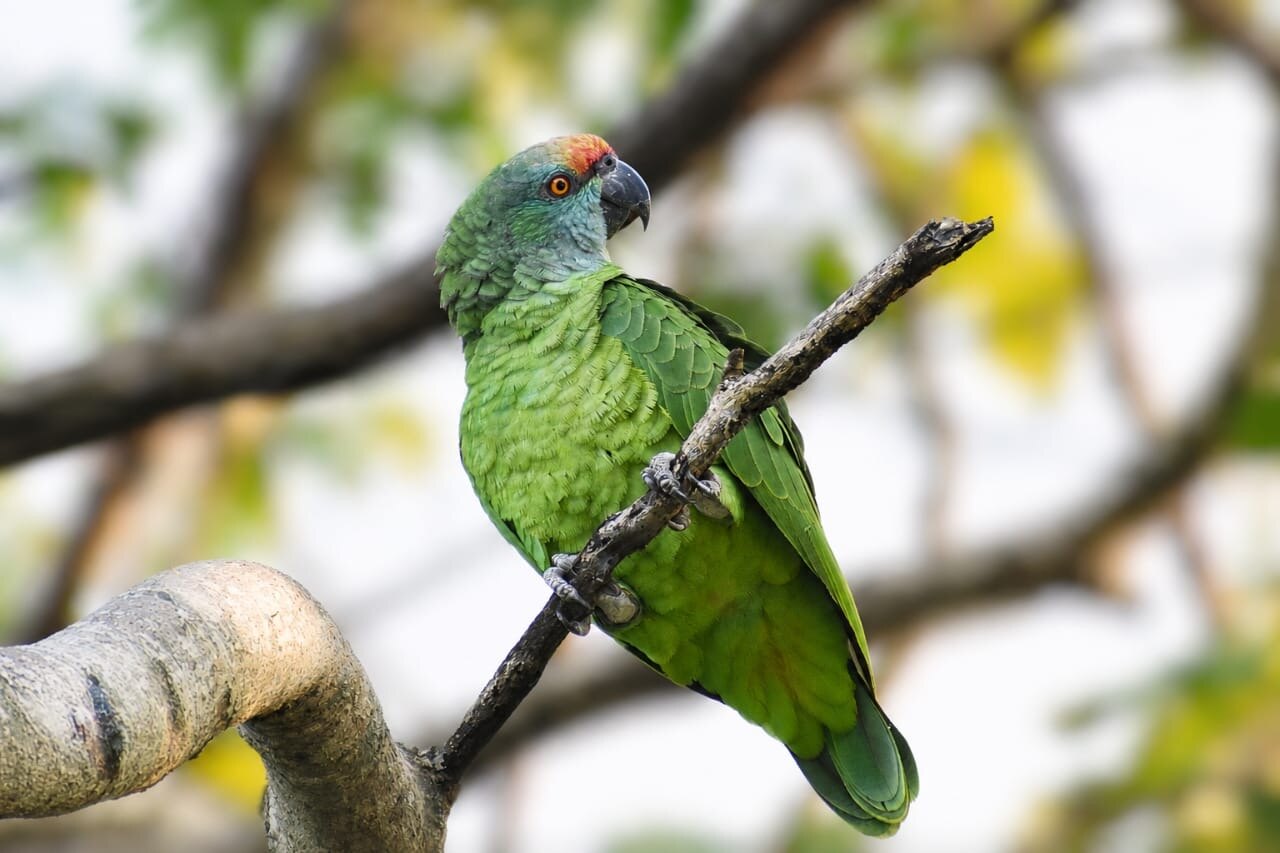
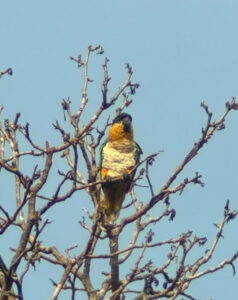
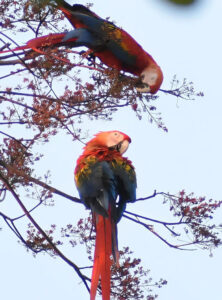
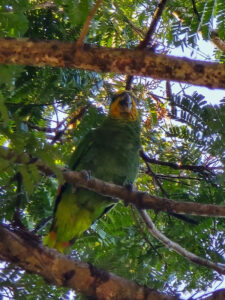
Guyana’s geographical isolation has served as a natural shield for its wildlife, yet the country now stands at a crossroads. While the legal trapping of parrots—a common practice in many South American nations—remains a reality within its borders, the intensity of this practice varies significantly by region. Unlike nations where habitat destruction has decimated avian populations, Guyana retains a relatively robust population of psittacines, including the Festive Amazon, the Black-headed Caique, and various species of macaws.
However, environmentalists and local stakeholders note that the threat to these species is shifting. The primary concern is no longer just local trade, but the large-scale industrialization of the landscape. The economic allure of gold and the macro-economic shifts brought by the nascent oil industry present significant risks to the interior’s ecological integrity. The challenge, according to conservationists involved in the recent expedition, is to integrate sustainable economic models, such as high-value, low-impact ecotourism, into the national consciousness before industrial infrastructure permanently alters the forest floor.
The Rewa Village Model: A Chronology of Success
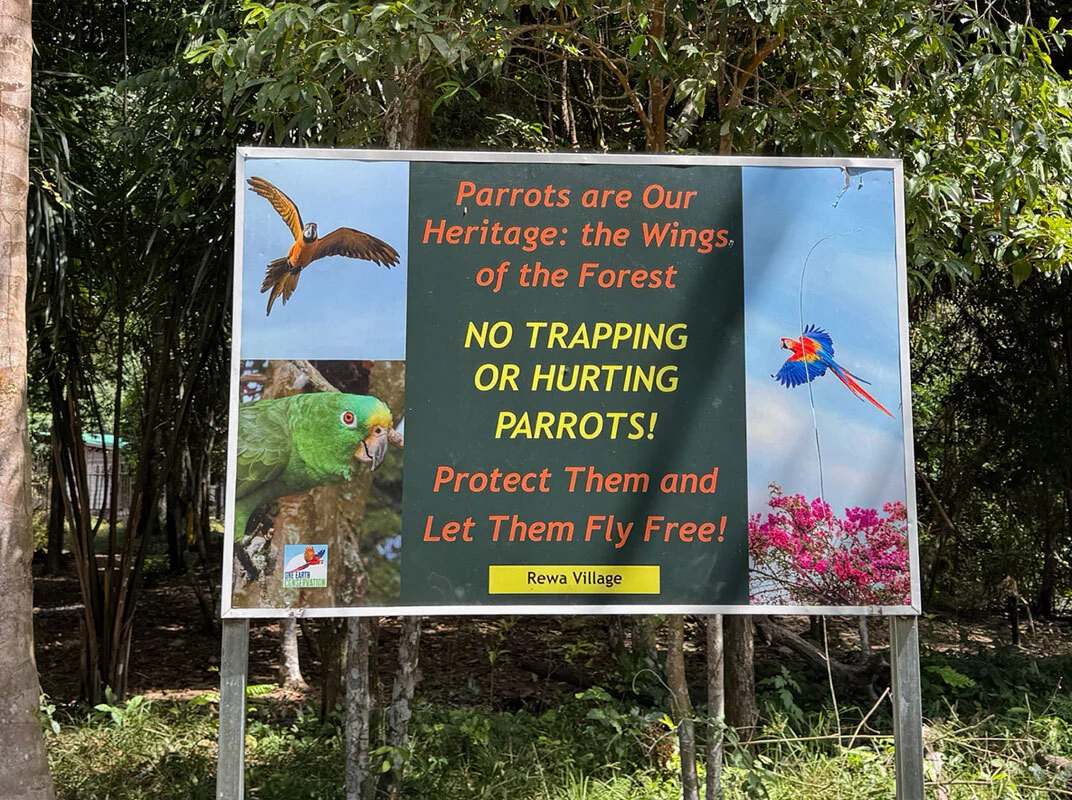
Deep within the Rupununi region, along the banks of the Rupununi River, the indigenous community of Rewa Village has emerged as a beacon of community-led conservation. The village’s path to environmental leadership began in the 1990s, when community elders, recognizing the potential long-term depletion of their natural resources, made the proactive decision to halt the trapping of parrots.
This local policy, established decades before international conservation organizations began focusing on the area, served as the foundation for a more formal scientific partnership. In 2018, the community entered a collaboration with the Rewa Ecolodge and the non-profit organization One Earth Conservation to quantify the success of their "No Trapping" policy.
The resulting monitoring program implemented a specialized methodology: river-based transects. Because the dense canopy and lack of extensive trails make traditional terrestrial population counts nearly impossible, the community adopted a strategy of monitoring parrot movements and density from the water. This approach has since been peer-reviewed and adopted as a standard for monitoring avian populations in tropical riverine ecosystems.
Scientific Findings and Population Data
Data collected over the past six years confirms that the community-led approach has yielded tangible results. Early surveys conducted at the inception of the formal partnership documented the presence of 20 out of Guyana’s 29 native parrot species within the vicinity of the village. As of the most recent annual count, that figure has risen to 22.
The presence of species such as the Red-Fan (Hawk-headed) parrot, the Orange-winged Amazon, and the elusive Sun Parakeet serves as an indicator of a healthy, functioning ecosystem. Experts note that these counts are not merely static numbers; they represent a thriving food chain and the presence of suitable nesting cavities. The data suggests that when local communities are empowered to govern their own lands, the recovery of vulnerable species can occur more rapidly than in areas where external regulation is imposed without community buy-in.
Integration of Indigenous Knowledge and Modern Conservation
The success of the Rewa initiative is largely attributed to the synthesis of traditional ecological knowledge and contemporary scientific rigor. During the Phoenix Landing expedition, guides from the Macushi indigenous lineage—including Ron Allicock and his protégé Ravi Alfred—demonstrated an intuitive ability to identify species through vocalization and subtle behavioral cues, often long before the birds were visible to the human eye.
This deep-seated connection to the land is a recurring theme in the history of the Rupununi. The grandfather of guide Ron Allicock was a central figure in the initial establishment of conservation projects in the 1990s, proving that the roots of modern sustainability in Guyana are indigenous.
The importance of this alliance between local practitioners and international organizations cannot be overstated. By providing the tools for data collection and supporting the infrastructure of the Rewa Ecolodge, organizations like One Earth Conservation are helping to build a sustainable economic engine that values a living parrot more than a captured one.
The Expansion of the Parrot Conservation Corps
The success observed in Rewa is now serving as a blueprint for wider national adoption. One Earth Conservation has officially launched a local chapter of its International Parrot Conservation Corps in Georgetown. This program is designed to bridge the gap between urban centers and rural conservation hubs, recruiting 15 participants for the inaugural phase. These individuals will undergo specialized training to execute mini-projects focused on community outreach, habitat restoration, and environmental education.
The leadership of Rewa Village has also signaled its intent to take a more active role in regional advocacy. Plans are currently underway for a series of outreach visits to neighboring communities, conducted in partnership with local Wildlife Clubs. The objective is to facilitate a cross-community dialogue regarding the long-term economic and environmental benefits of "No Trapping" zones.
Broader Implications for South American Biodiversity
The implications of the Guyanese experience extend well beyond its borders. Across the Amazon Basin, the struggle to balance development with conservation remains one of the defining challenges of the 21st century. The Guyanese model demonstrates that the most effective interventions are those that provide immediate, tangible value to local residents—whether through tourism, artisan development, or the formalization of local roles in conservation science.
However, the threat remains persistent. The lack of robust infrastructure for ecotourism means that many areas remain difficult to access, which has served as a de facto protection for wildlife. As the government explores ways to modernize, there is a critical window to ensure that ecotourism development is prioritized as a primary land-use strategy.
Conclusion and Future Outlook
As the expedition concluded, the participants noted that while the logistical challenges of trekking through the Guyanese savannah—such as the lack of modern amenities—are significant, the reward of observing wild, undisturbed animal behavior remains unparalleled.
The commitment from entities like Lafeber, which has pledged funding to support the expansion of One Earth Conservation’s efforts in Rewa and the development of the Parrot Conservation Corps, underscores the importance of private sector support for grassroots initiatives.
Ultimately, the future of Guyana’s parrots rests on the ability of the country to maintain its forest cover while elevating the role of its indigenous stewards. If the current trajectory of the Rewa model holds, Guyana may provide the global community with a successful, scalable template for preserving avian biodiversity in the face of rapid economic change. The next few years will be critical as the nation navigates the pressures of development, but for now, the quiet success in the Rupununi suggests that the most effective path forward is one paved by the communities who call the forest home.
