
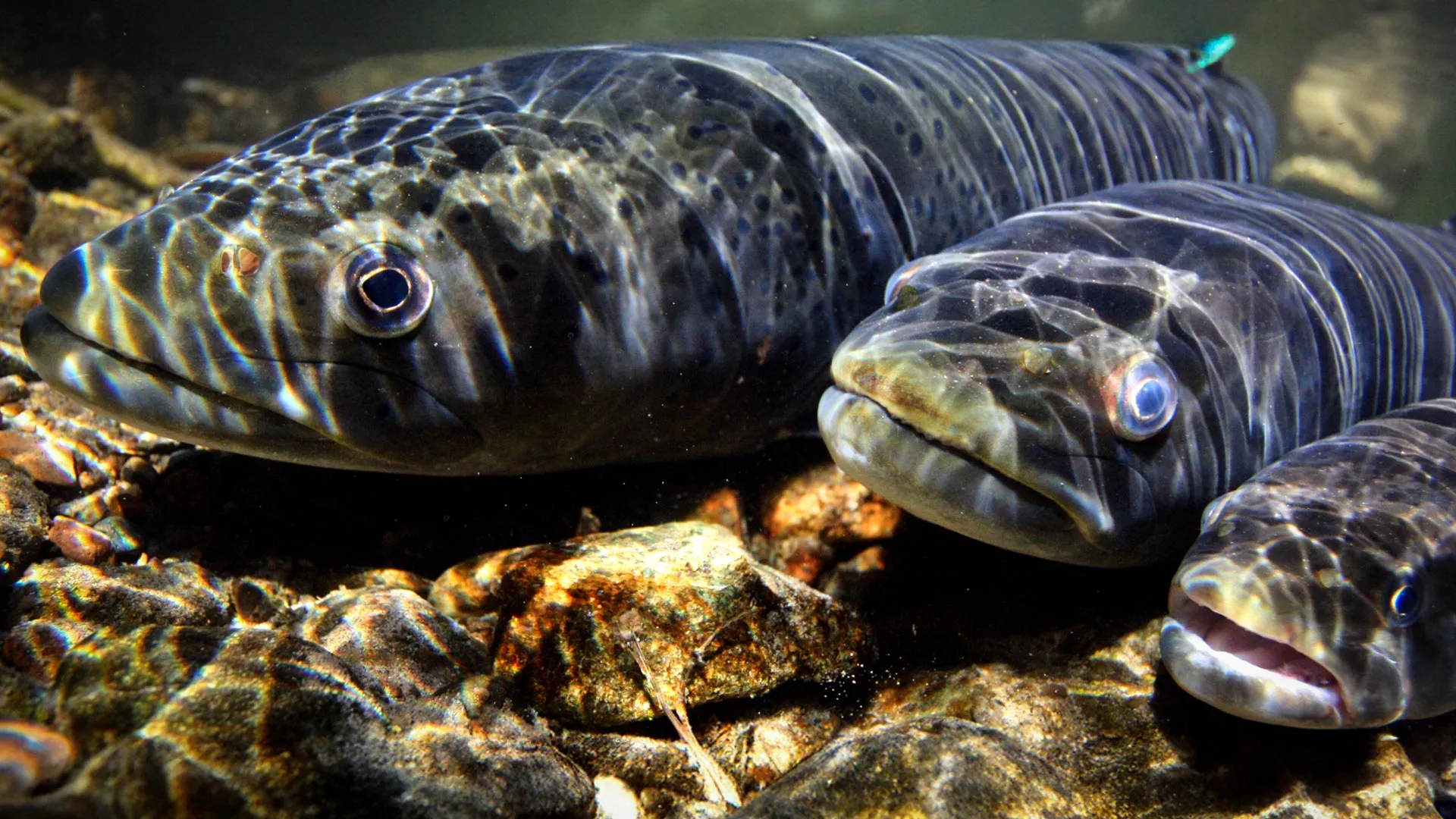
Beneath the seemingly placid surfaces of the world’s rivers, an unseen crisis is unfolding, threatening some of Earth’s longest and most vital animal migrations. A groundbreaking new report from the Convention on the Conservation of Migratory Species of Wild Animals (CMS), a United Nations environmental treaty, has issued a stark warning: these critical freshwater migrations are rapidly breaking down, signaling an urgent and largely overlooked biodiversity emergency. The findings, released at the CMS 15th Meeting of the Conference of the Parties (COP15) in Samara do Norte, Brazil, underscore the dire predicament of migratory freshwater fish, identifying them as among the planet’s most imperiled species.
The "Global Assessment of Migratory Freshwater Fishes" paints a sobering picture, revealing that these aquatic travelers are indispensable for maintaining the ecological integrity of river systems, sustaining vast inland fisheries, and providing essential food security and livelihoods for hundreds of millions of people worldwide. Yet, their populations have plummeted, facing a relentless barrage of human-induced threats that demand immediate, coordinated international intervention.
The Silent Catastrophe: An Unseen Decline
For decades, the global conservation spotlight has often focused on terrestrial megafauna or marine ecosystems, leaving the plight of freshwater biodiversity relatively obscured. This report forcefully pulls back the curtain on a silent catastrophe. Animals inhabiting freshwater environments are experiencing a faster rate of decline than their counterparts on land or in the oceans. The collapse of migratory freshwater fish populations, however, has received disproportionately little global attention, despite their foundational role in aquatic food webs and human economies.
These remarkable fish depend on long, uninterrupted river pathways that connect distant spawning grounds, vital feeding areas, and protective floodplain nurseries, often traversing multiple national borders. The integrity of these routes is paramount to their survival. When human activities introduce obstacles such as dams, alter natural water flows, or degrade critical habitats, these essential connections are severed, leading to swift and often irreversible population crashes. The report estimates a staggering 81% decline in migratory freshwater fish populations worldwide since 1970, indicating a systemic failure to protect these vital species. Alarmingly, nearly all (97%) of the 58 migratory fish species currently listed under CMS (which includes both freshwater and saltwater species) are now classified as threatened with extinction.
Identifying the Imperiled: Hundreds Need Protection
The assessment meticulously highlights hundreds of migratory fish species that are in desperate need of coordinated international action. It provides compelling evidence that species relying on interconnected rivers that span national jurisdictions are rapidly disappearing. In total, 325 migratory freshwater fish species have been identified as prime candidates for international conservation efforts, a number that starkly reveals a massive and largely unaddressed biodiversity crisis unfolding across shared river systems globally. This figure is in addition to the 24 migratory fish species already recognized and listed under the Convention’s Appendices.
The CMS Appendices serve as critical tools for international conservation: Appendix I lists species requiring strict protection due to their endangered status, while Appendix II includes species that require international cooperation for their conservation and management. The identification of 325 additional species underscores the urgent need to expand these protective frameworks. The distribution of these newly identified candidates for international protection is global, indicating that no continent is immune to this crisis. While specific regional breakdowns were not fully detailed in the provided context, the report implies a widespread distribution, with some species occurring across multiple continents, further emphasizing the transboundary nature of the problem.
Major River Systems at the Forefront of the Crisis
The report pinpoints several key river systems as immediate priorities for conservation intervention due to their immense biodiversity and the severe threats they face. These include South America’s iconic Amazon and La Plata-Paraná basins, Europe’s historic Danube River, Asia’s life-giving Mekong, Africa’s legendary Nile, and the Indian sub-continent’s sprawling Ganges-Brahmaputra system. Each of these rivers supports unique assemblages of migratory fish, and each is under immense pressure from a combination of human activities.
- Amazon and La Plata-Paraná: These South American giants are home to an unparalleled diversity of migratory fish, but are increasingly threatened by hydroelectric dam construction, agricultural expansion, and pollution.
- Danube: Europe’s second-longest river faces challenges from river engineering, pollution from industry and agriculture, and overfishing, impacting species like sturgeon and eels.
- Mekong: A lifeline for millions in Southeast Asia, the Mekong’s migratory fish are jeopardized by an cascade of hydropower dams, sand mining, and overexploitation.
- Nile: Africa’s longest river grapples with altered flow regimes from dams, pollution, and habitat degradation impacting its migratory species.
- Ganges-Brahmaputra: This vast system in South Asia faces intense pressure from pollution, water extraction for irrigation, and dam construction, affecting culturally significant species.
Based on extensive global datasets and rigorous assessments from the International Union for Conservation of Nature (IUCN) — which has evaluated nearly 15,000 freshwater fish species — the CMS report offers the most comprehensive overview to date of the conservation challenges confronting migratory freshwater fish. It also prudently outlines practical and immediate steps that governments can take to reverse these alarming trends.
The Convention on Migratory Species: A Framework for Cooperation
The Convention on the Conservation of Migratory Species of Wild Animals (CMS), also known as the Bonn Convention, is a United Nations environmental treaty established in 1979 and entered into force in 1983. Its primary objective is to conserve terrestrial, marine, and avian migratory species throughout their range. As the only global convention specializing in the conservation of migratory species, CMS plays a crucial role in coordinating international efforts, recognizing that migratory species often cross national boundaries and thus require a concerted approach to protection. The report’s release at COP15 in Brazil underscored the treaty’s commitment to addressing emerging and critical conservation challenges, particularly those impacting species that depend on shared natural resources.
Brazil’s Leadership: Focusing on the Amazon and La Plata Basins
As the host nation for COP15, Brazil took a leading role in proposing several ambitious conservation measures, specifically targeting South America’s most extensive river systems: the Amazon and La Plata-Paraná. The Amazon Basin, in particular, remains one of the planet’s last major strongholds for migratory freshwater fish, boasting an unparalleled array of species. However, this ecological richness is increasingly jeopardized by escalating development pressures, including planned hydroelectric projects, deforestation, and industrial expansion.
A detailed case study, released concurrently with the global assessment, identified 20 specific migratory fish species within the Amazon that meet the criteria for potential inclusion in CMS Appendix II. These long-distance migratory species are not merely ecological curiosities; they form the backbone of regional fisheries, accounting for approximately 93% of total fish landings and supporting an industry valued at an estimated US$436 million annually. The economic and social implications of their decline are therefore profound for local communities.
Among these remarkable species is the dorado (gilded) catfish ( Brachyplatystoma rousseauxii ), a bottom-dwelling fish with striking metallic gold/silver coloration and an impressive size, capable of reaching up to 2 meters (6.5 feet) in length. This species undertakes the longest known freshwater migration of any fish on Earth, its life cycle involving an astonishing journey of 11,000 kilometers from the headwaters of the Andes mountains to coastal nursery areas. The sheer scale of this migration highlights the immense spatial requirements of these species and their vulnerability to any disruption along their epic routes.
To bolster conservation efforts for these vital Amazonian species, Brazil and other regional countries are proposing a comprehensive Multi-species Action Plan for Amazonian Migratory Catfish (2026-2036). This ambitious plan, developed through extensive regional cooperation, aims to create a cohesive framework for protecting these iconic fish across their entire range.
Further demonstrating its commitment, Brazil has also proposed adding the spotted sorubim catfish ( Pseudoplatystoma corruscans ) to CMS Appendix II. This proposal emphasizes the urgent need for coordinated action within the La Plata Basin, where these fish face similar threats from dam construction, altered water flows, and intensive fishing pressure. These initiatives from Brazil represent some of the most ambitious international efforts to date aimed at protecting migratory freshwater fish, reinforcing the fundamental principle of CMS: effective conservation solutions must encompass the full geographic range of migratory species and are inextricably linked to robust international cooperation.
Voices for Action: Experts Call for Coordinated Global Response
The findings of the report have galvanized calls for immediate and concerted action from leading experts and conservationists. Dr. Zeb Hogan, the lead author of the assessment, articulated the profound nature of the crisis: "Many of the world’s great wildlife migrations take place underwater. This assessment shows that migratory freshwater fish are in serious trouble, and that protecting them will require countries to work together to keep rivers connected, productive, and full of life." His statement underscores the essential need for transboundary collaboration, recognizing that rivers and their inhabitants do not respect political borders.
Amy Fraenkel, the CMS Executive Secretary, highlighted the report’s significance in elevating a previously under-prioritized issue. "This new assessment highlights a major priority for the conservation of migratory species and their habitats, that has not had adequate focus to date. By aligning science, policy and international cooperation, governments can safeguard the world’s remaining great freshwater fish migrations and the communities and ecosystems that depend on them." Her comments emphasize the integrated approach required, marrying scientific understanding with effective policy and diplomatic engagement.
Michele Thieme, Vice President and Deputy Lead of Freshwater at the World Wildlife Fund-US, echoed the urgency with a stark warning: "Rivers don’t recognize borders — and neither do the fish that depend on them. The crisis unfolding beneath our waterways is far more severe than most people realize, and we are running out of time. Rivers need to be managed as connected systems, with coordination across borders, and investments in basin-wide solutions now before these migrations are lost forever." Her passionate plea for integrated river basin management and immediate investment underscores the critical window of opportunity that is rapidly closing.
Policy Pathways and Broader Implications
The report’s analysis of implications extends far beyond ecological concerns, touching upon profound socio-economic and policy challenges. The breakdown of these migrations jeopardizes food security for millions, particularly in regions where inland fisheries are a primary source of protein and income. The loss of these species also destabilizes riverine ecosystems, impacting nutrient cycling, water quality, and the health of countless other aquatic and terrestrial species reliant on these vibrant systems.
To address this multifaceted crisis, the report outlines practical steps governments can take, which include:
- Integrated River Basin Management: Moving away from fragmented management approaches to holistic, transboundary strategies that consider rivers as interconnected systems.
- Dam Removal and Modification: Prioritizing the removal of obsolete dams or implementing fish-friendly passage solutions for essential migrations.
- Pollution Control: Implementing stricter regulations and investing in technologies to reduce agricultural, industrial, and urban pollution entering freshwater systems.
- Sustainable Fisheries Management: Adopting and enforcing sustainable fishing quotas, combating illegal fishing, and protecting critical spawning and nursery habitats.
- Climate Change Adaptation: Developing strategies to mitigate the impacts of climate change on river flow regimes and water temperatures, which directly affect migratory fish.
- Strengthening International Cooperation: Enhancing collaborative efforts through treaties like CMS to share data, coordinate conservation actions, and develop joint management plans.
- Investment in Freshwater Conservation: Significantly increasing funding for freshwater research, habitat restoration, and conservation programs.
The findings serve as a clarion call for a renewed global focus on freshwater ecosystems, urging policymakers, communities, and industries to recognize the intrinsic value and fragility of these vital habitats. The future of hundreds of migratory fish species, the health of major river systems, and the livelihoods of millions of people hinge on the collective will to act decisively and cooperatively. The opportunity to safeguard these magnificent migrations is now, before the silent catastrophe beneath our rivers becomes an irreversible silence.
