
The remote reaches of southern South America recently served as the backdrop for a comprehensive photographic and ecological expedition, traversing the rugged landscapes of Argentine and Chilean Patagonia. Led by veteran guide and photographer Steve Ogle, the journey provided a rare, intimate look at one of the world’s most volatile and visually stunning environments. Despite logistical shifts that saw a reduced group size, the expedition successfully documented the peak of the autumnal transition, capturing critical data on glacier movement, rare avian species, and the elusive apex predators of the southern steppe.
Expedition Overview and Logistical Adaptations
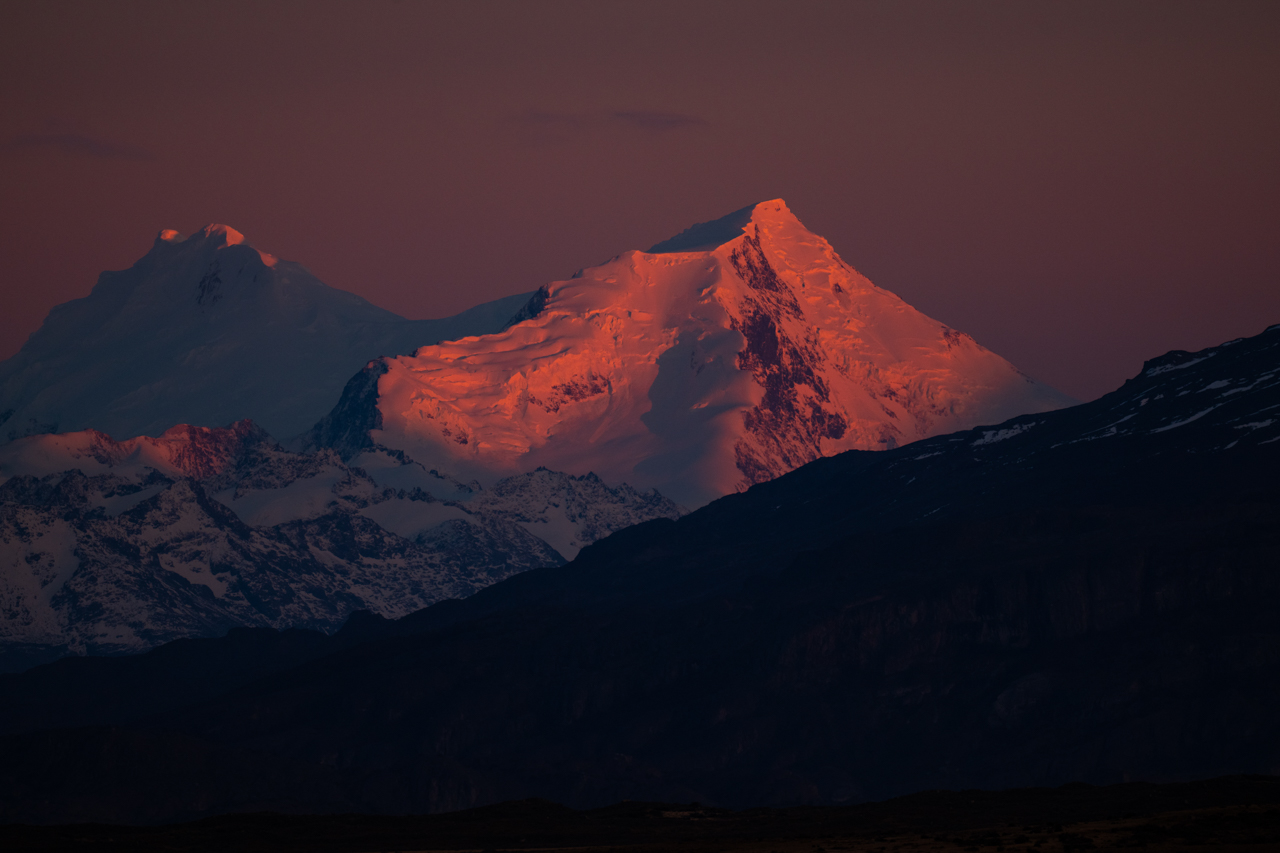
The expedition commenced in El Calafate, Argentina, under conditions that highlighted the region’s notorious meteorological unpredictability. Following a period of heavy precipitation and unseasonable snowfall, the Andes Mountains presented a stark, snow-dusted silhouette against the western horizon. While such weather is considered standard for the Patagonian interior, the tour itself faced unique challenges. Due to health-related cancellations, the typically larger group was reduced to a single participant, Alex Uram, resulting in a de facto private expedition.
This shift in group dynamics allowed for greater logistical flexibility, enabling the team to utilize a private rental vehicle for the Argentine leg of the journey before transitioning to a dedicated Chilean driver, Robert, for the duration of the trip in the Magallanes Region. This high-touch approach facilitated access to remote areas that are often difficult for larger commercial tours to navigate, particularly during the narrow window of the southern fall.

The Glacial Landscapes of Los Glaciares National Park
The first phase of the expedition focused on Los Glaciares National Park, a UNESCO World Heritage site since 1981. The primary objective was the Perito Moreno Glacier, one of the few glaciers in the world known for maintaining a state of equilibrium, though recent observations suggest shifting dynamics.
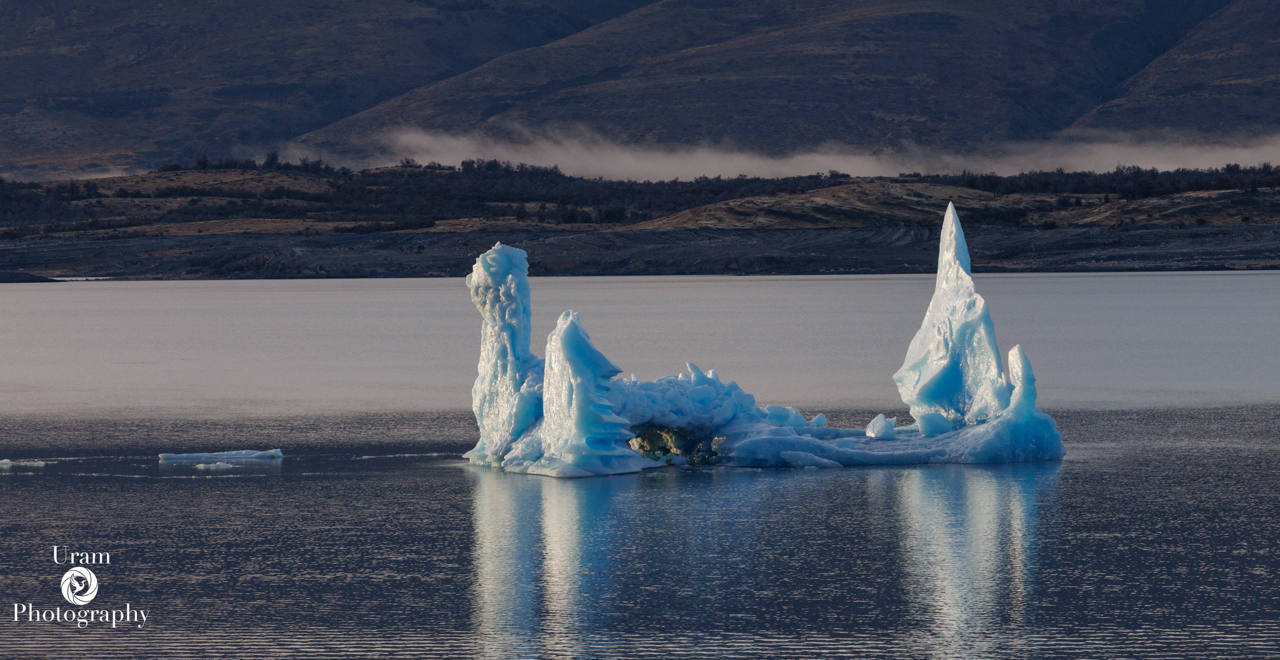
Field reports from the expedition noted that the front of the glacier appeared to be at its furthest distance from the primary viewing platforms in over two decades. This observation aligns with broader glaciological concerns regarding the impact of rising temperatures on the Southern Patagonian Ice Field. Despite these shifts, the team captured significant photographic evidence of "alpenglow" across the Andes and the deep cobalt hues of icebergs adrift in the south arm of Lago Argentina.
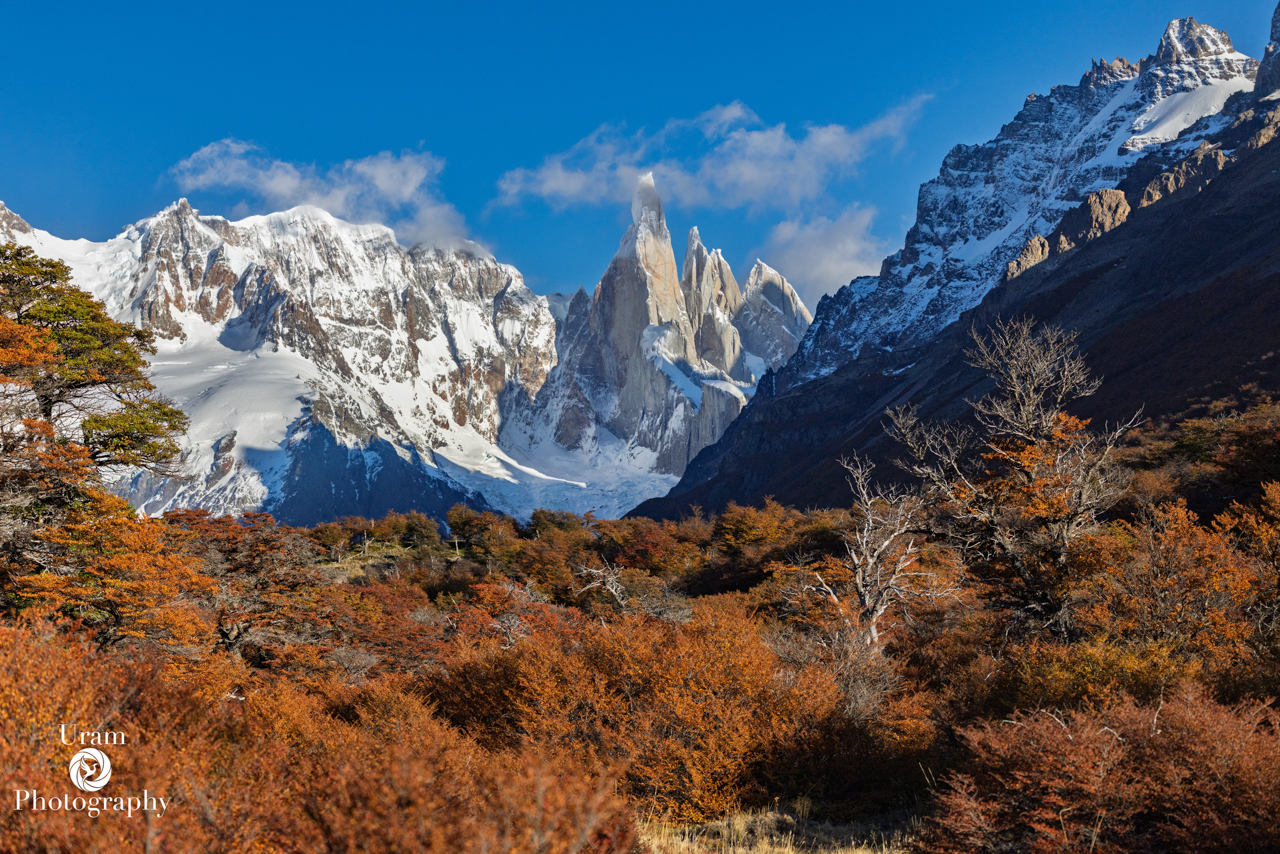
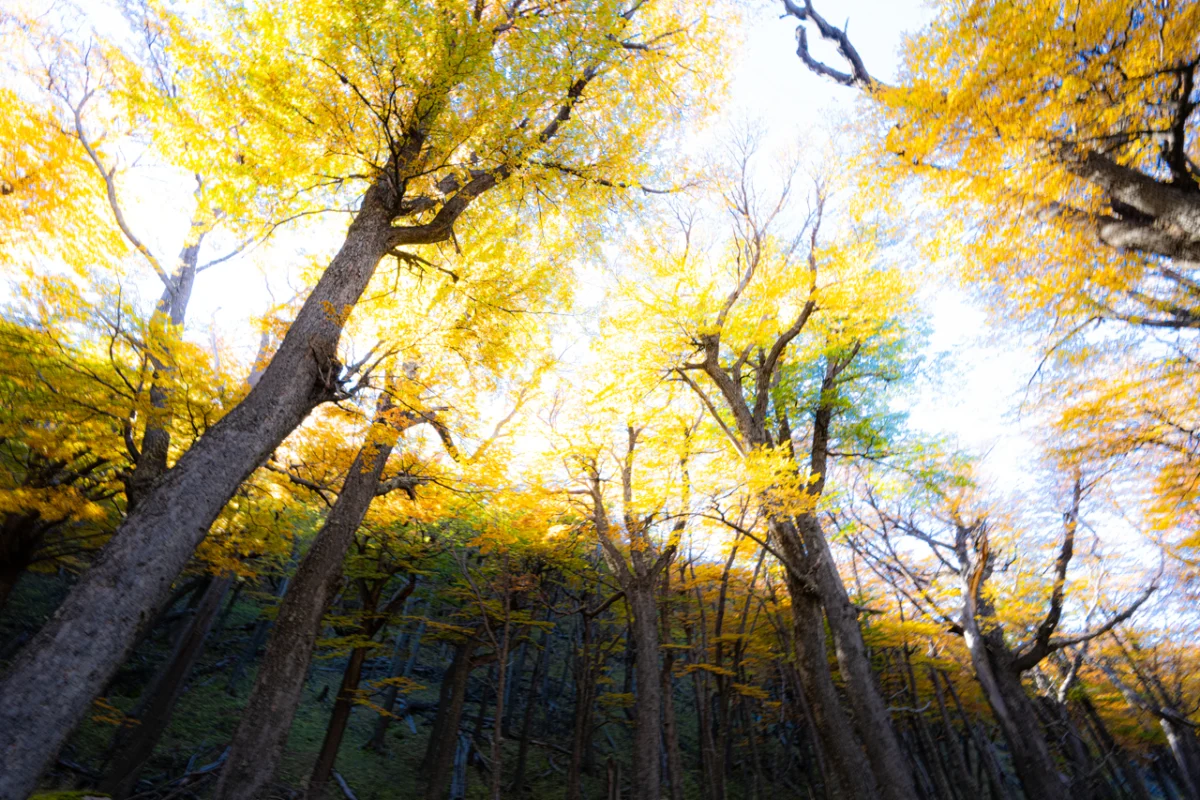
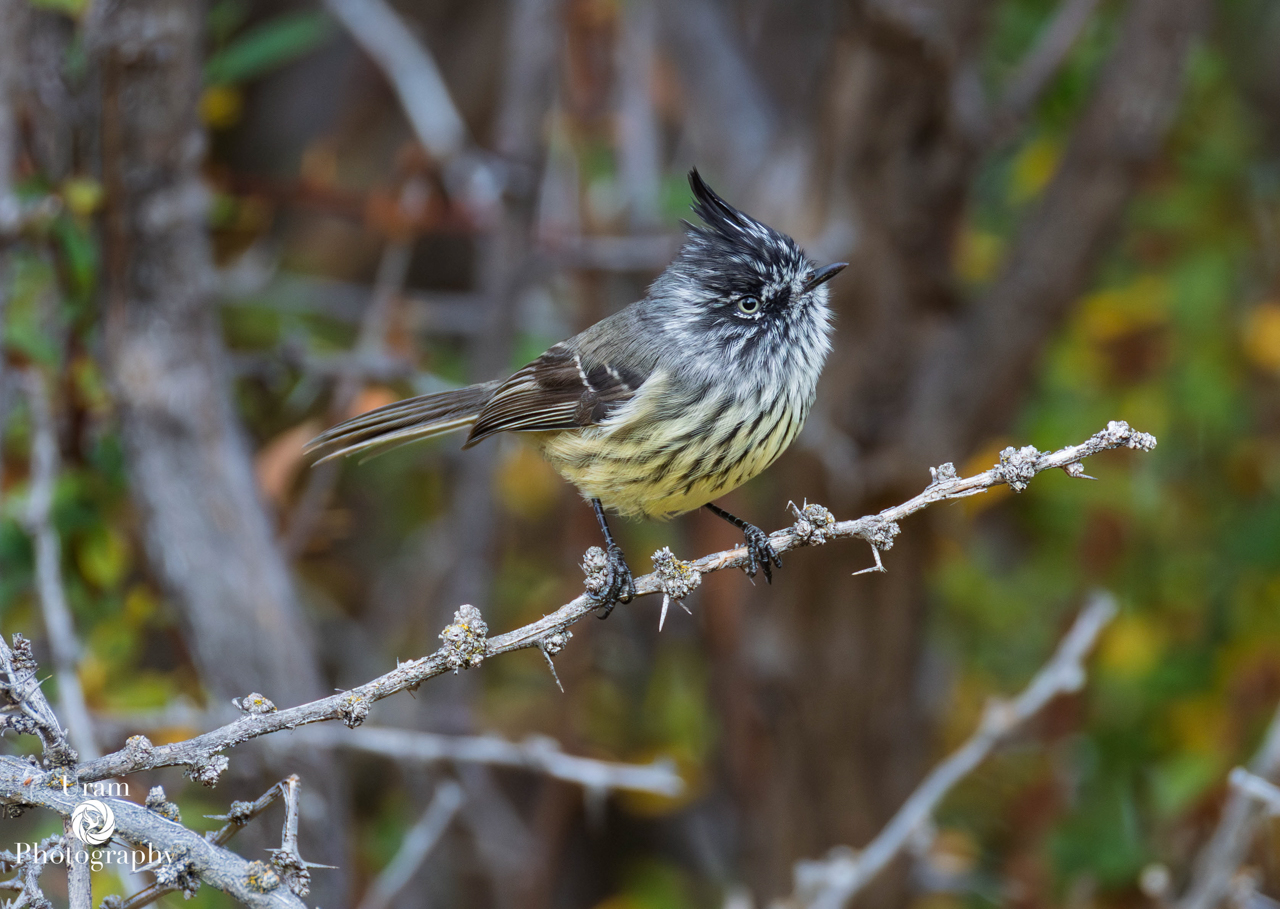
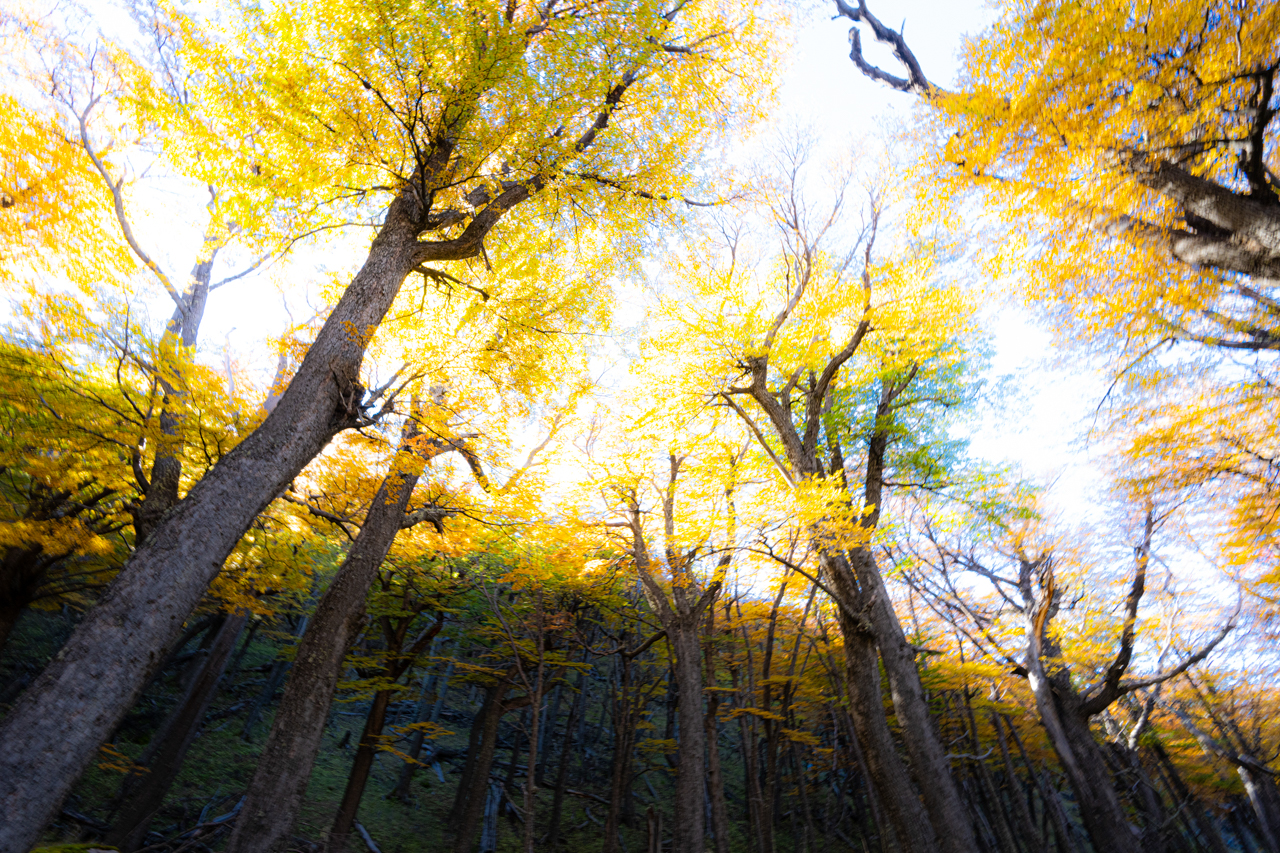
Ecologically, the park’s transition into autumn provided a vibrant backdrop of ochre and crimson lenga forests (Nothofagus pumilio). The expedition also documented an unusual abundance of the Patagonian Tyrant, a bird species typically known for its elusive nature. Other sightings in the park included flocks of Austral Parakeets and the Tufted Tit-Tyrant, indicating a healthy avian presence despite the approaching winter.

El Chaltén and the Granite Spires of the Fitz Roy Massif
Moving north to El Chaltén, the self-proclaimed trekking capital of Argentina, the expedition took advantage of a stable weather window to conduct high-altitude field observations. A 20-kilometer round-trip trek to Lago Torre was undertaken to document the iconic spire of Cerro Torre.
The team successfully photographed the "ice mushroom"—a precarious formation of rime ice that crowns the summit of Cerro Torre, created by the constant moisture-laden winds from the Pacific. The expedition’s early-morning departure allowed for the capture of mid-morning light, which is essential for geological photography in the deep valleys of the Fitz Roy range. During the return trek, the team recorded a surprise encounter with an Austral Pygmy-owl, a small but fierce predator of the Patagonian forests.

A secondary excursion to Estancia Huemul and the private reserves surrounding El Chaltén revealed the rising costs of ecological tourism in Argentina. Foreign entry fees have surged to approximately $50 USD per person for various park sectors, reflecting the country’s current economic volatility and the increasing demand for conservation funding. This sector of the trip yielded sightings of the Magellanic Woodpecker, the largest woodpecker in South America, known for its rhythmic drumming on decaying lenga trees.

Crossing the Frontier: Wildlife Dynamics in Torres del Paine
The expedition transitioned from Argentina to Chile via a trans-border bus service, a logistical choice designed to circumvent the complexities of international rental car permits. This segment of the journey provided one of the most significant wildlife sightings of the tour: a Puma (Puma concolor) scavenging a Guanaco carcass near the roadside.
While Torres del Paine National Park is globally renowned for its puma population, sightings have become increasingly difficult in recent years. Expedition leaders noted that despite the efforts of specialized "puma trackers" and guides, the cats are exhibiting more secretive behavior, possibly due to increased tourist traffic or shifts in the migratory patterns of their primary prey, the Guanaco.
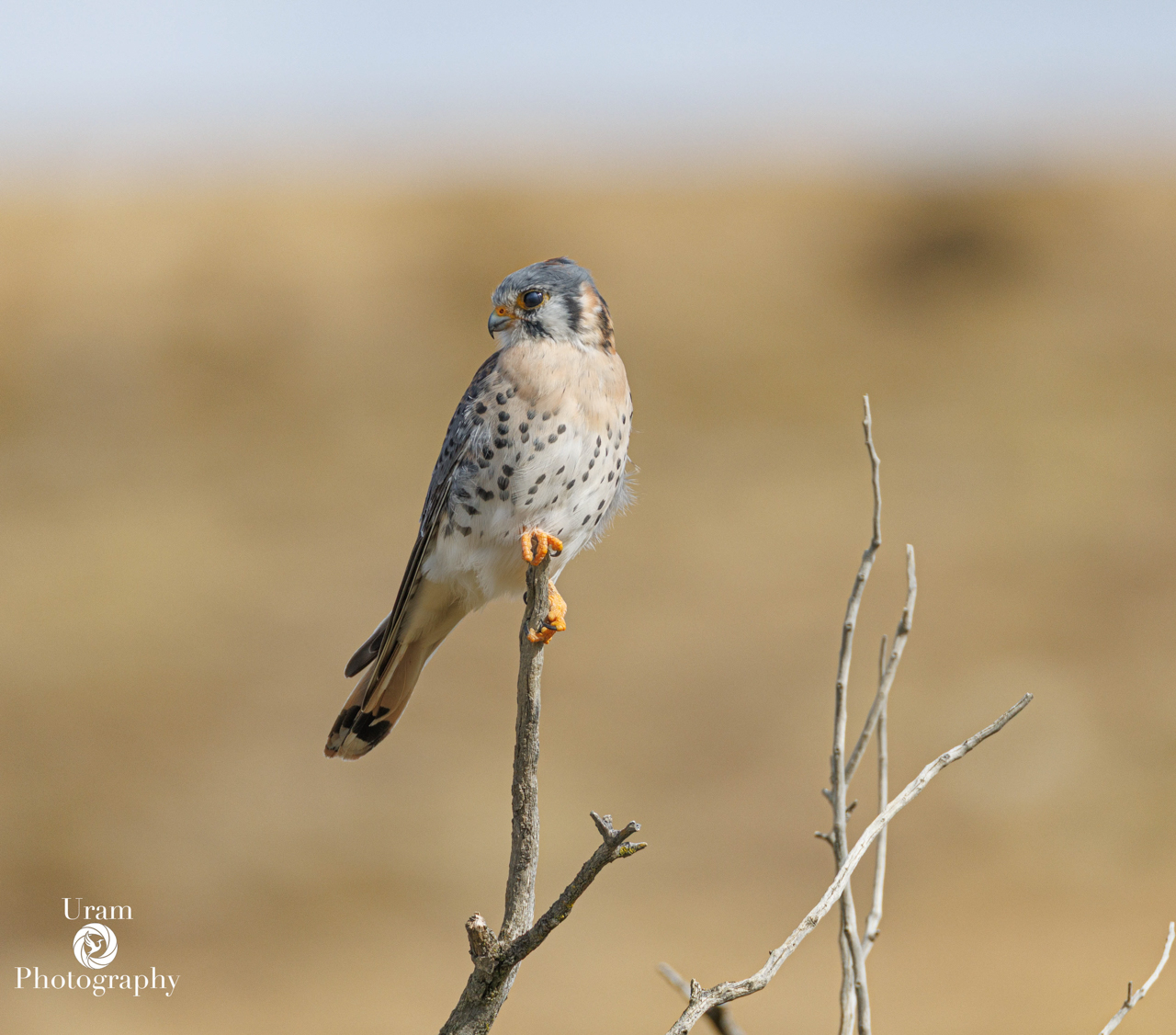
Beyond the apex predators, the park provided a wealth of biodiversity data. The team recorded the presence of:

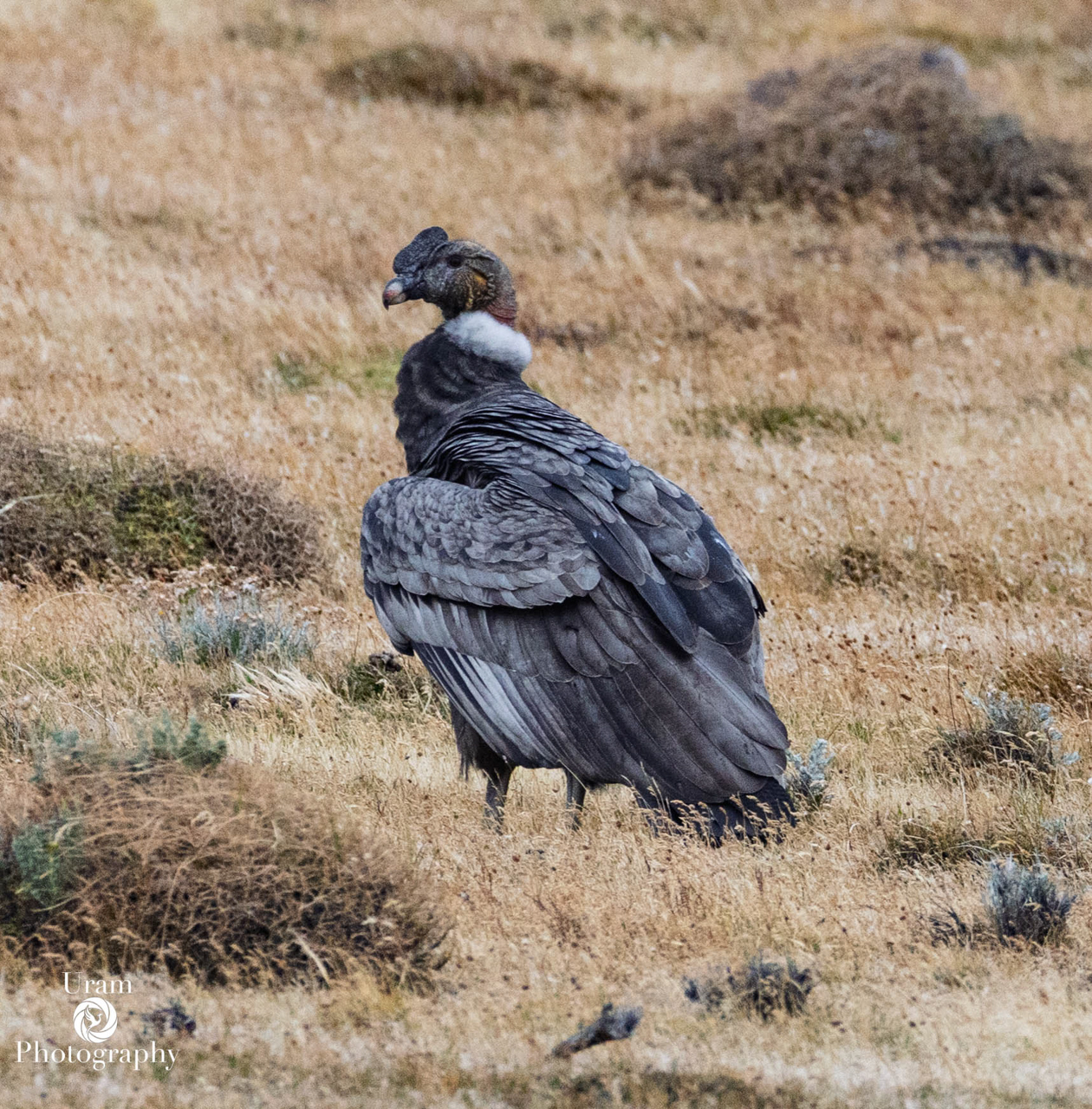
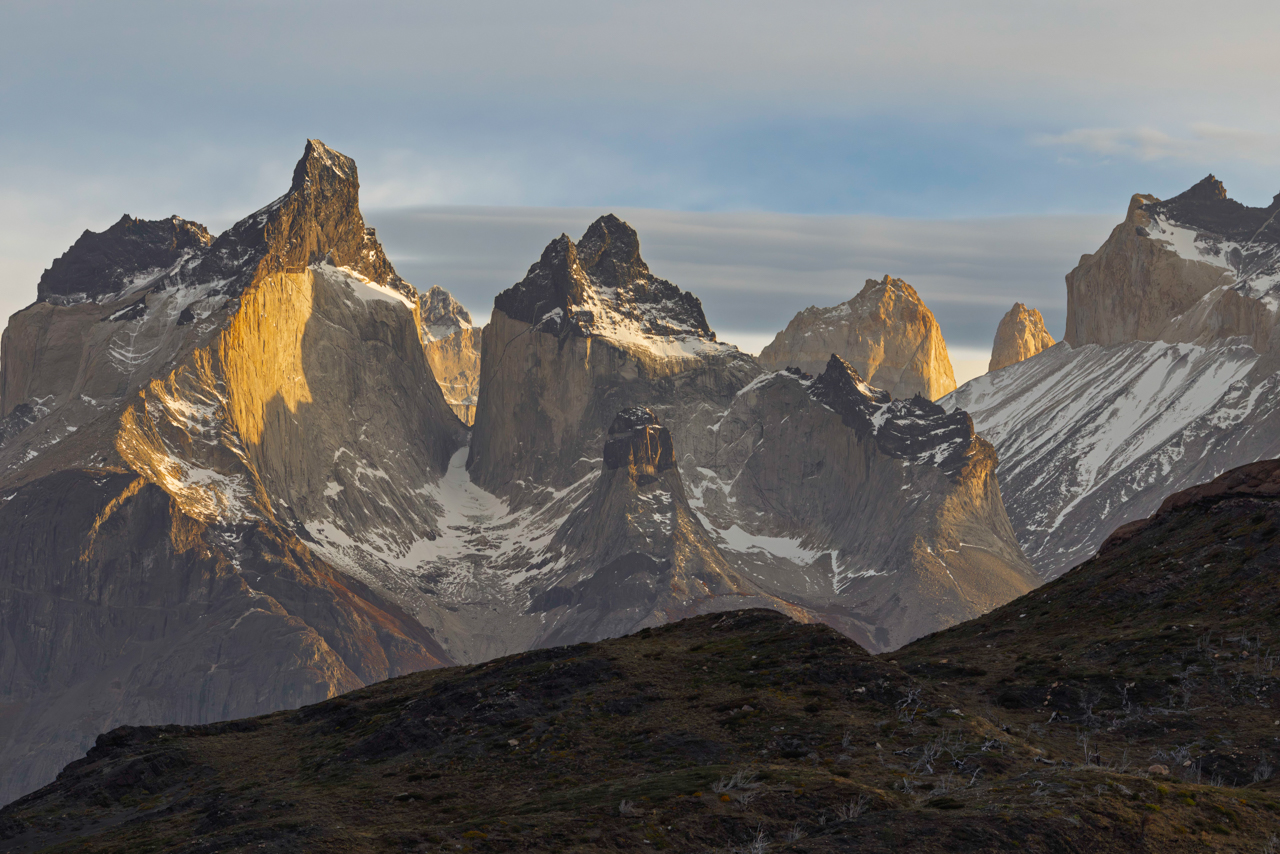
- Andean Condor: Utilizing the thermal updrafts of the Cuernos del Paine.
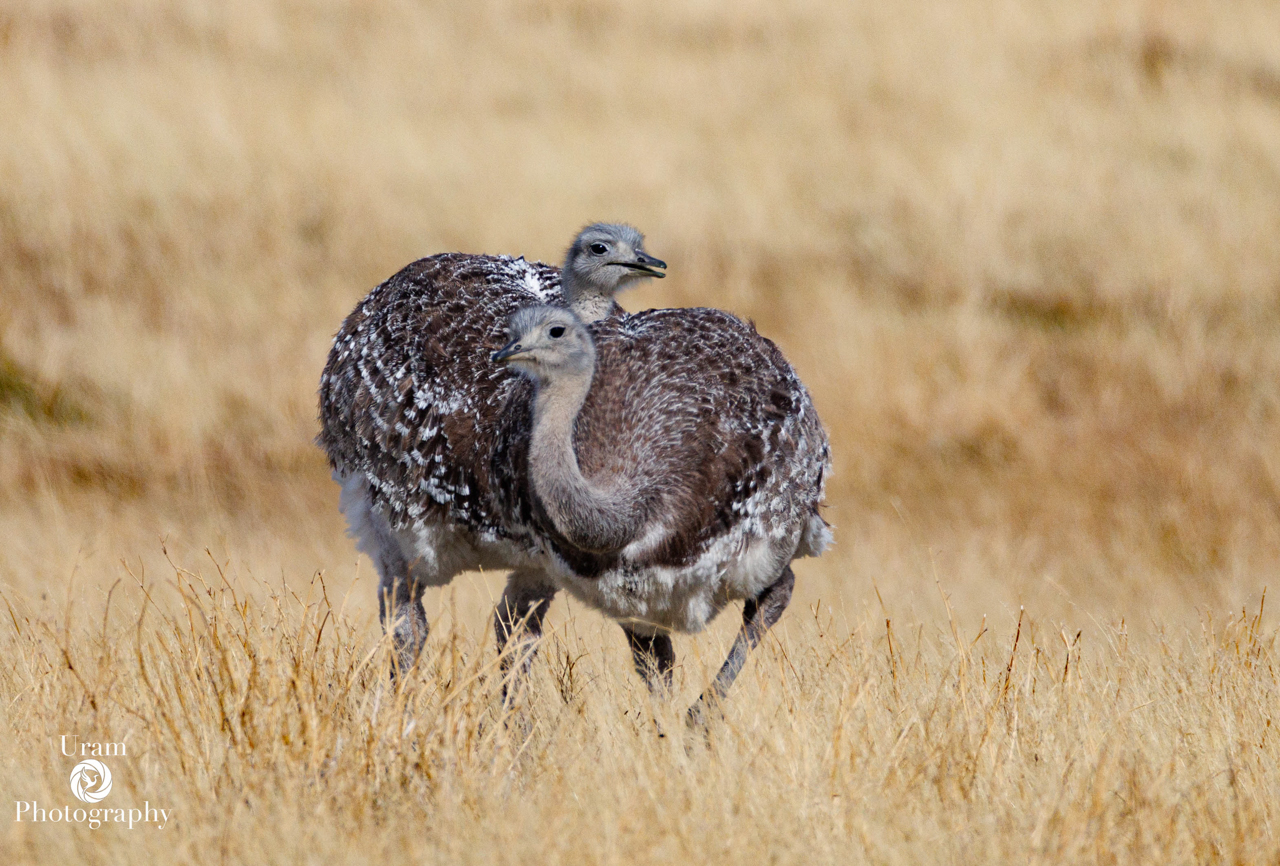
- Lesser Rhea: A flightless bird of the open steppe.
- Great Grebe: Observed in the park’s glacial lakes.
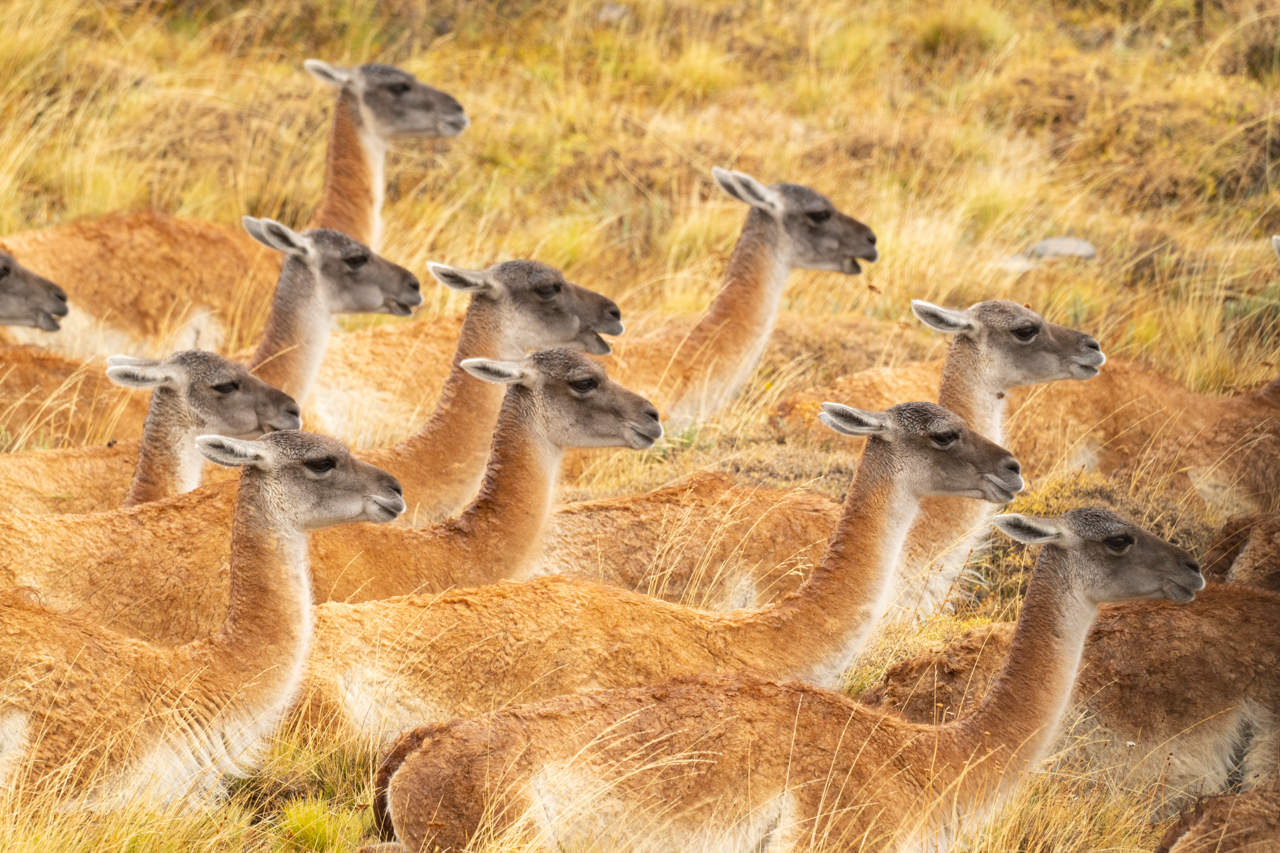
- Guanaco: High densities were noted, serving as the foundational herbivore for the park’s ecosystem.
The meteorological conditions in Torres del Paine shifted toward classic Patagonian "four seasons in a day," providing dramatic lighting for photography of the Paine Massif and the park’s numerous waterfalls.
The Maritime Ecosystems of Puerto Natales and Tierra del Fuego
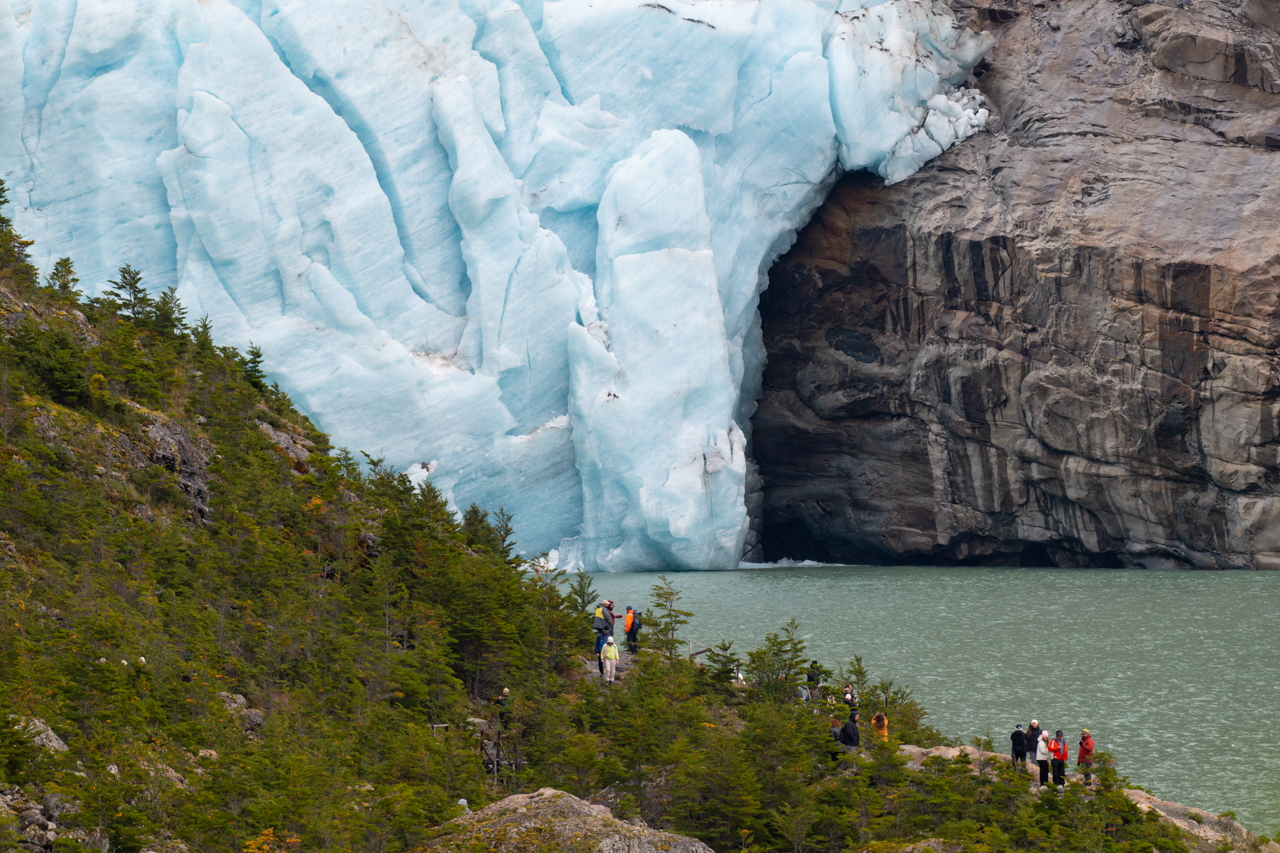
The final phase of the expedition focused on the fjords and maritime channels of the Magallanes Region. In Puerto Natales, the team embarked on a maritime survey of the Seno de Última Esperanza (Last Hope Sound), reaching the Serrano Glacier. This area highlights the intersection of glacial meltwater and marine environments, creating a unique habitat for waterfowl such as the Crested Duck.

Crossing the Strait of Magellan to Tierra del Fuego, the expedition targeted specific rare avifauna. At Buque Quemado, the team conducted a low-tide survey of the mudflats, documenting:
- Magellanic Plover: A rare and taxonomically unique shorebird.
- Hudsonian Godwit: Approximately 85 individuals were recorded, likely preparing for their long-distance migration to the Northern Hemisphere.
- White-rumped Sandpiper: Lingering populations were observed in the intertidal zones.
The journey culminated at the King Penguin colony at Bahía Inútil. This colony is the only one of its kind on the South American continent and serves as a critical site for the study of Aptenodytes patagonicus outside of sub-Antarctic islands. The expedition met with Aurora, the head biologist at the site, who reported on the ongoing conservation efforts and the challenges of managing a sensitive colony in an area subject to extreme weather and increasing human interest.
Chronology of the Expedition
- Arrival (Day 1-2): El Calafate, Argentina. Initial survey of Los Glaciares National Park and Perito Moreno Glacier.
- The Granite Spires (Day 3-5): Transfer to El Chaltén. 20km trek to Lago Torre; documentation of Cerro Torre and Fitz Roy.
- Border Transition (Day 6): Bus transfer from Argentina to Chile. Roadside Puma sighting.
- The Heart of the Massif (Day 7-10): Intensive wildlife and landscape documentation in Torres del Paine National Park.
- The Fjords (Day 11-12): Puerto Natales and the Serrano Glacier maritime expedition.
- The Southernmost Frontier (Day 13-15): Crossing the Strait of Magellan; survey of Tierra del Fuego and the King Penguin colony.
- Conclusion (Day 16): Final maritime observations in the Strait of Magellan and return flight from Punta Arenas to Santiago.
Broader Impact and Environmental Implications
The findings of the Ogle-Uram expedition underscore the delicate balance of the Patagonian ecosystem. The observation of receding glacial fronts in Los Glaciares National Park adds to the growing body of evidence regarding the acceleration of climate-driven changes in the Southern Hemisphere. Furthermore, the difficulty in locating pumas within Torres del Paine suggests a need for continued monitoring of predator-prey dynamics as tourism infrastructure expands.

The high cost of entry for international visitors in Argentina, while a barrier for some, remains a primary source of revenue for the maintenance of these vast wilderness areas. As Patagonia continues to attract high-end ecological tourism, the data gathered by private expeditions like this one provides valuable anecdotal and photographic evidence of the region’s health.

The successful documentation of rare shorebirds and the King Penguin colony also highlights the importance of the Strait of Magellan as a migratory corridor and a refuge for species that are increasingly threatened by habitat loss elsewhere. The expedition concluded with a final maritime survey during the ferry crossing back to Punta Arenas, recording Black-browed Albatrosses and Southern Fulmars, confirming the continued vitality of the Magellanic marine environment.
This journey, though smaller in scale than originally planned, demonstrated the resilience of ecological tourism and the profound importance of Patagonia as a living laboratory for both the natural sciences and the art of landscape photography.
