
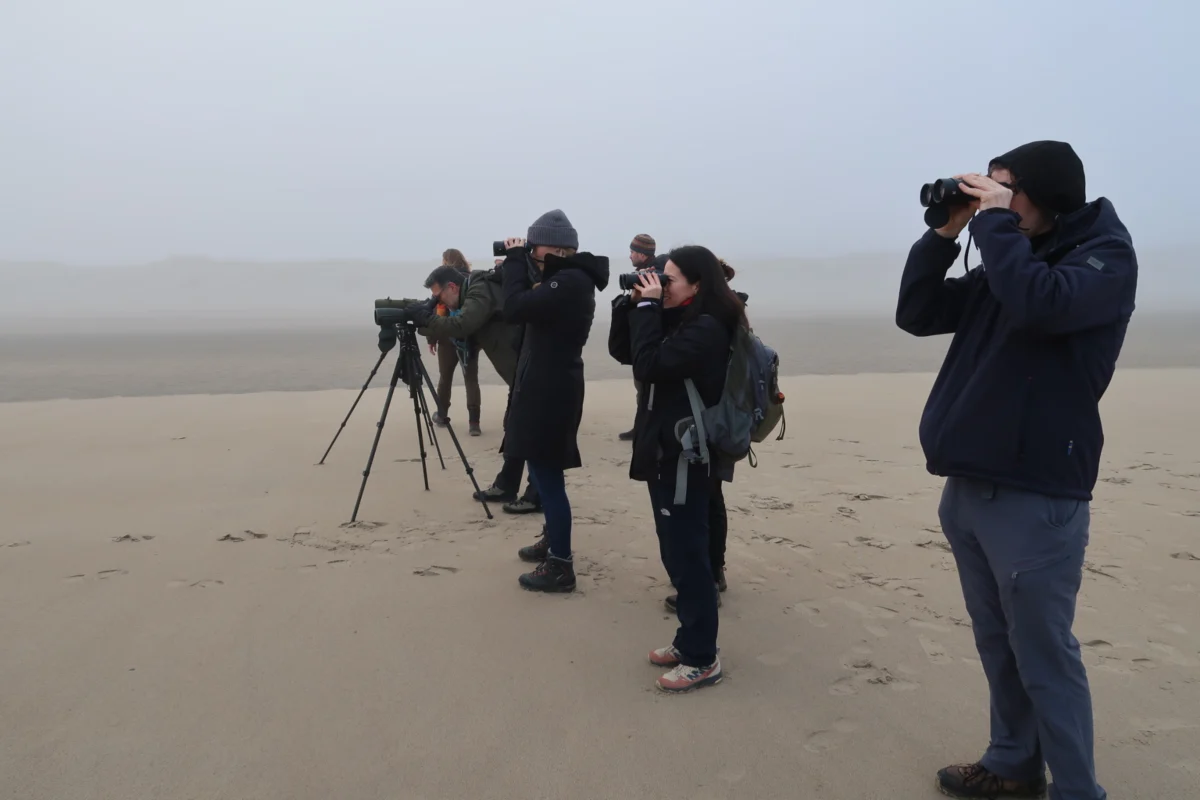
In January 2026, Afghanistan marked a significant return to the International Waterbird Census (IWC) for the first time in decades. This landmark event saw researchers and local communities surveying six vital sites along the Kabul River and the Amu Darya floodplains. The initiative focused on meticulously recording wintering waterbird populations, assessing habitat conditions, and engaging with local communities to understand the evolving environmental landscape. Afghanistan’s re-entry into the IWC network signifies a crucial reconnection to a global effort dedicated to tracking migratory waterbirds across their intricate flyways, providing invaluable data for conservation on an international scale.
The timing of Afghanistan’s participation aligns perfectly with the 2026 World Migratory Bird Day, which champions the theme "Every Bird Counts – Your Observation Matters." This theme powerfully underscores the indispensable role of community-based monitoring in fostering a comprehensive understanding and effective protection of migratory avian species. It also resonates deeply with the core mission of the International Waterbird Census, a program coordinated by Wetlands International. Earlier in 2026, the IWC celebrated its 60th count, a testament to its enduring legacy and expanding reach.
A Legacy of Citizen Science and Global Reach
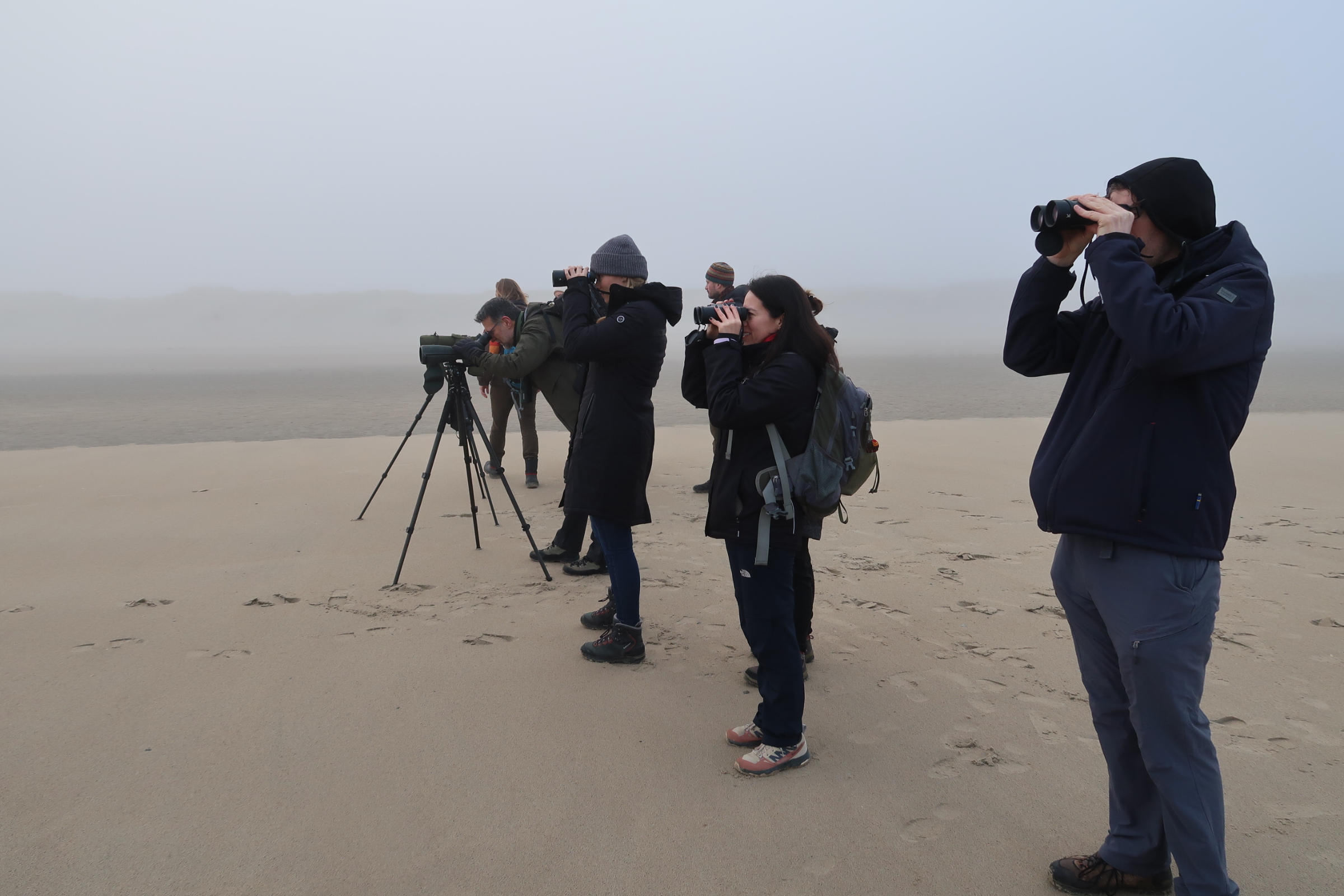
Launched in 1967, the International Waterbird Census has evolved into one of the world’s most extensive and long-standing citizen science biodiversity monitoring schemes. Annually, thousands of dedicated volunteers, driven by a passion for nature, meticulously count waterbirds across wetlands worldwide. These coordinated efforts generate a wealth of data crucial for understanding species distribution patterns, identifying population trends, and documenting habitat use. The insights gleaned from these counts directly inform conservation policy, guide site management strategies, and contribute to the protection of vital wetland ecosystems. The 60th iteration of the IWC in 2026 saw a surge in participation, building upon decades of accumulated knowledge and fostering a renewed commitment to avian conservation.
Funding the Flyways: The Waterbird Fund’s Crucial Role
The year 2026 saw the Waterbird Fund, expertly managed by Wetlands International, play an instrumental role in enabling IWC counts across numerous regions. This fund is specifically designed to support countries where ongoing monitoring efforts are contingent on external financial assistance. The contributions channeled through the Waterbird Fund were instrumental in facilitating counts not only in Afghanistan but also in a diverse array of nations, including Burundi, Ethiopia, Kenya, Indonesia, Rwanda, and Turkmenistan. For many of these countries, sustained participation in vital conservation monitoring programs hinges directly on the availability of such external support, highlighting the fund’s critical importance in ensuring global conservation continuity.
Case Studies: Diverse Landscapes, Shared Challenges
Afghanistan: A Beacon of Resurgence
Afghanistan’s re-engagement with the IWC after a prolonged hiatus is a poignant symbol of resilience and renewed focus on environmental stewardship. The surveys conducted along the Kabul River and Amu Darya floodplains offered a critical snapshot of the wintering bird populations in these ecologically significant areas. The engagement with local communities provided a vital human dimension to the ecological data, offering insights into local perceptions of environmental change, the impact of climate shifts, and the pressures on wetland habitats. The return of Afghanistan to the IWC underscores the interconnectedness of migratory bird populations and the need for inclusive, collaborative conservation efforts that transcend national borders.

Burundi: Promising Numbers Amidst Persistent Threats
In Burundi, the February 2026 IWC counts yielded remarkably positive results, recording over 13,000 waterbirds – a figure nearly double that of the previous year. Surveys conducted across key wetlands, including the ecologically vital Rusizi National Park and the northern lake regions, underscored the immense importance of these areas for both resident and migratory waterbird species. However, these encouraging figures were juxtaposed with the identification of ongoing challenges. Illegal fishing and hunting activities, coupled with disturbances arising from human encroachment and activities, continue to pose significant threats to these sensitive ecosystems. The data collected serves as a critical reminder of the delicate balance required for effective wetland conservation.
Ethiopia: Population Gains and Ecological Pressures
Ethiopia’s 2026 IWC initiative was a comprehensive undertaking, spanning 30 wetlands over a 30-day period and covering an impressive distance of over 7,000 kilometers. The extensive surveys revealed an encouraging increase in population sizes and a richer species composition across several wetlands. This positive trend is a testament to the dedicated conservation efforts in the region. However, the study also highlighted significant pressures facing Ethiopian wetlands. Agricultural expansion, extensive water abstraction for various uses, the invasive spread of water hyacinth, and pervasive pollution were identified as major threats. These findings emphasize the indispensable need for continuous monitoring to accurately track environmental changes and to develop targeted management recommendations for these crucial habitats.
Rwanda: A Flourishing Citizen Science Network
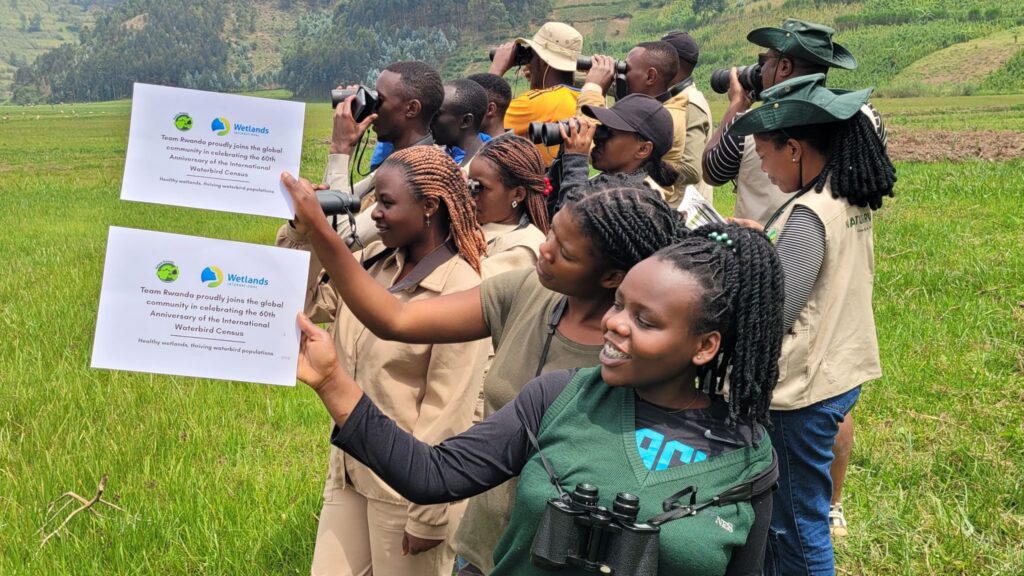
The 2026 Rwanda IWC count exemplified the remarkable growth and vitality of the burgeoning citizen science community. In January 2026, surveys across 12 wetlands recorded 2,871 individual waterbirds representing 58 distinct species. This represents a substantial expansion from the initial seven wetlands surveyed during Rwanda’s first IWC participation in 2021. A key factor in this growth has been the proactive capacity-building efforts undertaken by Nature Rwanda. Ahead of the 2026 count, a dedicated training session equipped 27 new counters with essential skills in standardized IWC field protocols, accurate species identification, and modern technology-based data collection methods. This investment in human capital has fueled the rapid expansion of Rwanda’s IWC network, which has grown from a mere 30 members in 2021 to an impressive 128 trained individuals by 2026. This diverse network now comprises participants from universities, conservation organizations, local guiding communities, rangers, boat captains, birding enthusiast groups, and dedicated community volunteers, showcasing the broad spectrum of individuals contributing to the IWC. The data generated through these concerted efforts has already led to tangible conservation outcomes, including the ongoing restoration of the degraded Gikondo and Gatsata Wetlands in Kigali, spearheaded by the Rwanda Environment Management Authority.
Uzbekistan: Quantifying Biodiversity and Conservation Needs
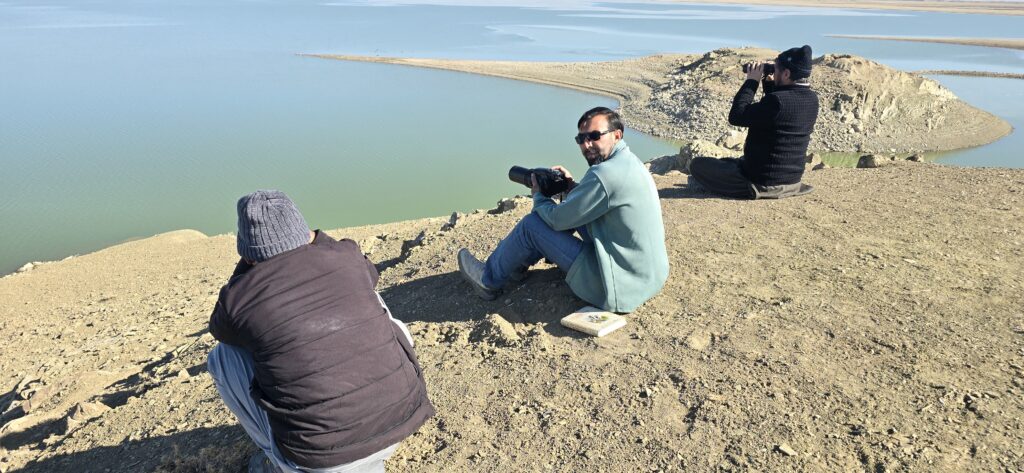
In Uzbekistan, the 2026 IWC count, expertly coordinated by the Uzbekistan Society for the Protection of Birds (UzSPB), further illuminated the scale and significance of coordinated monitoring endeavors. The surveys documented an impressive aggregation of over 90,000 waterbirds, encompassing 57 species across 17 wetlands. Notably, this included several Important Bird Areas (IBAs) and Key Biodiversity Areas (KBAs), highlighting their critical ecological value. The findings revealed the presence of 15 species listed in either the Uzbekistan Red Data Book or by the International Union for Conservation of Nature (IUCN), underscoring the profound conservation relevance of these monitoring initiatives. The detailed data provides a robust foundation for targeted conservation actions and policy development within the country.
The Power of Collective Observation: Implications and Future Outlook
The collective efforts witnessed across these diverse regions, from the resurgent participation of Afghanistan to the rapidly expanding citizen science network in Rwanda and the meticulous data collection in Uzbekistan, powerfully illustrate the indispensable value of public engagement in conservation. Initiatives like World Migratory Bird Day and the International Waterbird Census demonstrate how both large-scale organized surveys and individual observations can generate critical knowledge that would otherwise remain elusive. Every single observation, whether it’s a return to a long-monitored wetland or a new count from a previously unsurveyed area, contributes to a more profound understanding of migratory birds and the vital wetland habitats they depend upon for their survival.
The annual counts serve as an early warning system, flagging potential ecological distress signals that might otherwise go unnoticed. Without this consistent data stream, the alarm bells regarding habitat degradation, pollution, and the impacts of climate change would likely go unheard. The continuation of these vital monitoring efforts is therefore paramount, and their sustainability is intrinsically linked to consistent financial support, particularly through mechanisms like the Waterbird Fund.
A Call to Action: Investing in Avian Futures
In the spirit of "Every Bird Counts," every financial contribution plays a crucial role in sustaining the momentum of these essential monitoring programs. The most direct and impactful way to support these ongoing efforts is through donations to the global Waterbird Fund. Such contributions ensure that the vital work of counting, observing, and understanding migratory birds can continue, safeguarding these magnificent creatures and the irreplaceable wetland ecosystems they call home for generations to come. The future of countless bird species and the health of our planet’s wetlands depend on our collective commitment and investment.
