
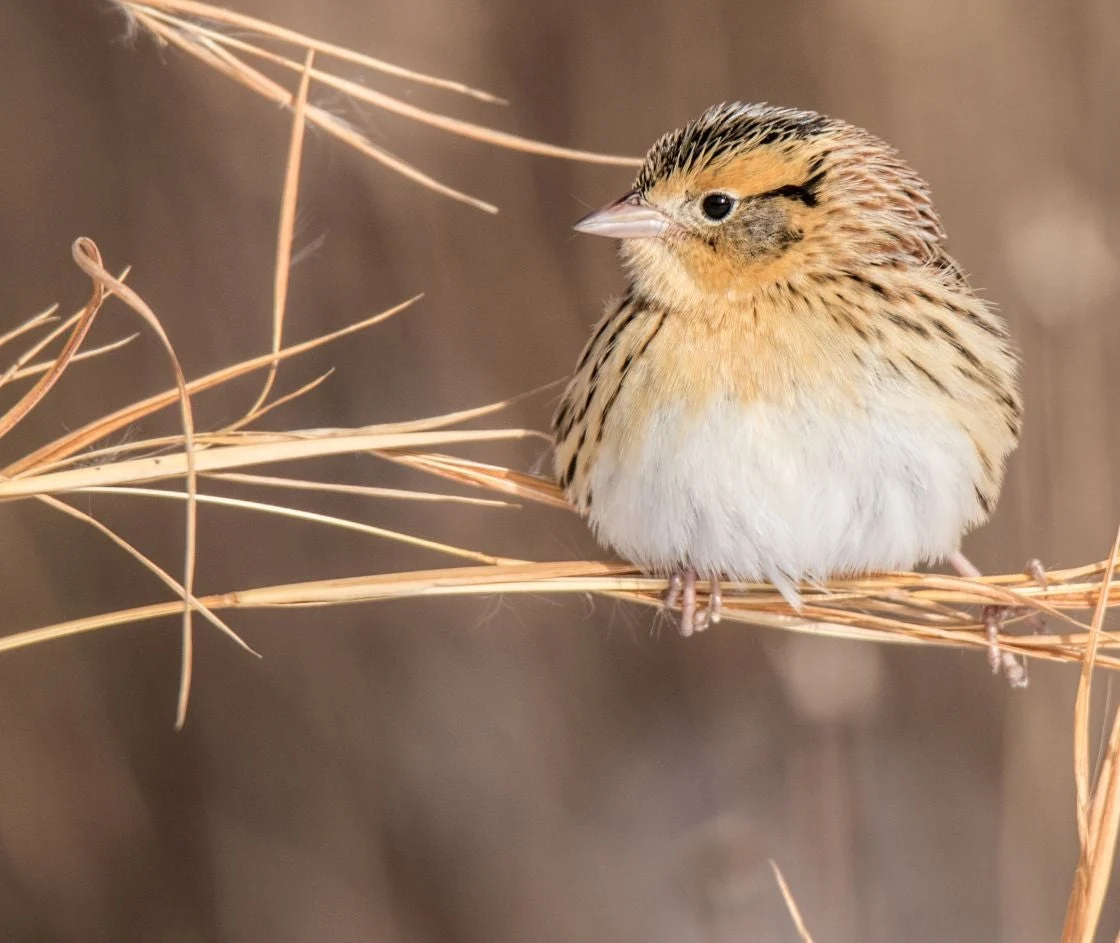
Now more than ever, ranchers and conservationists are working side by side to prove that working lands and wildlife can thrive together. In 2025, ranchers and conservationists with the Audubon Conservation Ranching (ACR) program continued that trend across Texas, teaming up to create yet another impactful year for grassland bird habitat. This collaborative model, which recognizes the indispensable role of private landowners in conservation, has demonstrated significant strides in restoring ecological balance while maintaining agricultural productivity. The year’s achievements underscore a growing recognition among diverse stakeholders that sustainable land management practices are not just environmentally beneficial but also economically viable, setting a precedent for conservation efforts across the nation and providing a critical framework for addressing the ongoing biodiversity crisis.
The Urgent Need for Grassland Conservation: A Historical and Ecological Perspective
The vast grasslands of North America, including those spanning Texas, are among the most imperiled ecosystems globally. Historically, these prairies were defined by complex interactions between native ungulates like bison, natural fire regimes, and a rich tapestry of flora and fauna. These dynamic conditions fostered an unparalleled diversity of life, particularly supporting a unique guild of grassland birds. However, over the past century, extensive agricultural conversion, urban and suburban development, and the suppression of natural fire cycles have fragmented and degraded these vital habitats at an alarming rate. Scientific research, prominently highlighted by organizations such as the National Audubon Society, Cornell Lab of Ornithology, and the U.S. Geological Survey, consistently points to a drastic decline in grassland bird populations. Estimates indicate a loss of over 50% of these avian species across North America since the 1970s, making them the fastest-declining bird group. Iconic species such as the Greater Prairie-Chicken, Grasshopper Sparrow, Western Meadowlark, Northern Bobwhite Quail, and Loggerhead Shrike face severe threats to their survival, with many experiencing population reductions exceeding 70% in recent decades.
Texas, with its immense land area and diverse ecoregions—from the Panhandle’s shortgrass prairies and the Edwards Plateau’s oak savannas to the Gulf Coast prairies—serves as a critical stronghold for numerous grassland-dependent species. Given that over 95% of Texas land is privately owned, the success of large-scale conservation efforts hinges almost entirely on voluntary participation and partnership with private landowners. The Audubon Conservation Ranching program was conceived precisely to address this challenge, offering a market-based conservation solution that integrates ecological restoration with profitable agricultural practices. By empowering ranchers to become proactive stewards of their land, ACR demonstrates that a symbiotic relationship between agricultural productivity and robust ecosystems is not only possible but mutually reinforcing. The program’s framework emphasizes improving habitat quality for birds, enhancing soil health, conserving water resources, and boosting overall biodiversity, all while supporting the economic viability of ranching operations.
2025: A Landmark Year for Bird-Friendly Land Expansion in Texas
The year 2025 represented a period of significant growth and expanded influence for the Texas ACR program, marking substantial progress in its mission to create and sustain bird-friendly landscapes. The initiative successfully integrated 13 new ranches into its network, collectively adding an impressive 363,044 acres of working lands under its conservation certification. This expansion brought the total number of certified ranches in Texas to 28, encompassing more than 439,000 acres of land actively managed for both agricultural output and ecological health. To provide context, 439,000 acres is equivalent to approximately 686 square miles, an area larger than the cities of Houston, Dallas, and Fort Worth combined, now dedicated to practices that support grassland birds, crucial pollinators, and the intricate web of life dependent on healthy, native range.
Each new acre brought into the ACR program signifies a landowner’s deliberate and proactive choice to manage their property with dual objectives: sustained agricultural productivity and rigorous ecological conservation. Participating ranches commit to implementing a suite of scientifically informed, high-standard land management practices. These include adaptive rotational grazing strategies that mimic natural disturbance patterns, targeted control of invasive species, active restoration of native plant communities, and meticulous management of riparian zones to enhance water quality and habitat diversity. The ACR certification process is comprehensive, involving initial ecological assessments by Audubon experts, the collaborative development of tailored ranch management plans, and ongoing monitoring to ensure consistent adherence to ACR’s stringent Bird-Friendly Land standards. This commitment not only directly benefits a myriad of wildlife species but also profoundly enhances the long-term sustainability and resilience of the ranching operations themselves, leading to improved forage quality, increased soil carbon sequestration, enhanced water retention, and greater resistance to extreme weather events such as droughts and floods.
"The remarkable growth we’ve achieved in 2025 is a powerful testament to the foresight and dedication of Texas ranchers who deeply understand the intrinsic connection between healthy land, thriving wildlife, and sustainable livelihoods," stated Dr. Elena Ramirez, Director of Conservation Programs for Audubon Texas. "Adding over 360,000 acres in a single year represents a monumental achievement that dramatically expands critical habitat corridors for numerous imperiled grassland birds. Crucially, it also underscores the increasing demand among producers for holistic solutions that offer both tangible economic advantages and significant ecological benefits, demonstrating a powerful synergy between conservation and commerce."
The Depth of Engagement: Hands-On Technical Assistance
While the quantitative metrics of certifications and acreage figures provide a clear measure of the program’s reach, they only tell part of the story of ACR’s profound impact. In 2025, the ACR team significantly intensified its provision of hands-on technical assistance, a critical component that underpins the long-term success of conservation efforts on the ground. This direct, personalized engagement is essential for supporting producers at various stages of their conservation journey, offering tailored guidance and practical solutions that are specific to each ranch’s unique ecological context and operational goals.
ACR staff, comprising a diverse team of highly skilled wildlife biologists, range scientists, and conservation specialists, worked extensively one-on-one with ranchers to address specific challenges and identify opportunities for ecological enhancement on their properties. This comprehensive assistance ranged from developing intricate prairie restoration guidance for severely degraded lands to crafting detailed, site-specific grassland management plans designed to optimize grazing patterns, improve forage quality, and significantly enhance biodiversity. For instance, technical support often involved advising on the selection of appropriate native seed mixes tailored to a particular ecoregion’s soil and climate, demonstrating effective and environmentally sensitive methods for brush control, or designing strategic water infrastructure to improve livestock distribution and mitigate localized overgrazing.
Elena Rodriguez, a third-generation rancher from the Trans-Pecos region of West Texas, who joined the ACR program in late 2024, shared her experience: "The Audubon team didn’t just hand us a generic checklist of rules; they came out to the ranch, walked every pasture with us, and truly listened to our needs. They helped us develop a practical plan that perfectly fit our unique landscape, our cattle, and our business model," Rodriguez explained. "Their expert guidance on adaptive rotational grazing has not only dramatically improved our forage quality and resilience to drought, but we’ve already started seeing a remarkable return of diverse bird species to areas that were previously less active. It’s truly a collaborative partnership that benefits everyone involved." This direct, collaborative approach ensures that conservation strategies are not only scientifically sound but also practical, economically sustainable, and seamlessly integrated into existing ranching operations, thereby fostering a deep sense of ownership and long-term commitment among participants.
Fostering Inclusivity: Engaging Diverse Producer Communities for Broader Impact
A particularly significant strategic focus for the ACR team in 2025 was the deliberate deepening of its commitment to reaching producers from all backgrounds. Recognizing that truly effective and equitable conservation requires broad participation and the integration of diverse perspectives, the team actively engaged with organizations representing women in ranching, indigenous land stewards, and small-scale farmers and ranchers. This proactive initiative aims to dismantle historical barriers and inequities in conservation outreach and ensure that the program’s substantial benefits are accessible to all who manage working lands, thereby enriching the conservation movement itself.
"For far too long, the invaluable voices, unique perspectives, and profound contributions of certain communities have been historically overlooked or marginalized in mainstream conservation efforts," Dr. Ramirez elaborated. "Women, for instance, play an absolutely pivotal and often understated role in ranching operations, frequently serving as primary decision-makers, financial managers, or key influencers in land management practices. Indigenous land stewards possess an unparalleled wealth of traditional ecological knowledge, meticulously passed down through countless generations, offering unique and time-tested insights into sustainable land management that are increasingly relevant today. Similarly, small-scale farmers and ranchers, while managing smaller acreage individually, collectively contribute significantly to local ecosystems, regional biodiversity, and vital food systems. Actively engaging these diverse groups not only makes our program inherently more equitable and just, but it also profoundly strengthens its overall effectiveness and long-term resilience by incorporating a much wider array of experiences, knowledge systems, and innovative perspectives."
New partnerships forged in 2025 included significant collaborations with organizations such as the Texas Women in Ranching Alliance, various tribal land management entities across the state, and associations representing small and diversified farms. These strategic alliances aim to co-develop culturally relevant outreach materials, host specialized workshops tailored to specific community needs, and establish mentorship programs that foster knowledge transfer and support networks. By proactively addressing and breaking down common barriers to participation—such as limited access to specialized information, financial resources, or culturally appropriate technical support—ACR seeks to cultivate a more inclusive and robust conservation movement. The overarching goal is to ensure that every land steward, irrespective of their background or scale of operation, has the equitable opportunity to contribute to and directly benefit from the creation and maintenance of healthy, thriving ecosystems. These innovative collaborations are poised to unlock entirely new conservation strategies and foster deeper, more resilient connections to the land, drawing on a richer tapestry of human experience and ecological wisdom.
Ecological and Economic Implications: A Symbiotic Relationship for a Sustainable Future
The expanded reach and deepened impact of the ACR program carry profound and far-reaching ecological and economic implications for Texas and beyond. Ecologically, the certification of nearly half a million acres represents a monumental victory for regional biodiversity. These actively managed lands serve as vital breeding grounds, critical migratory stopovers, and essential wintering habitats for dozens of grassland bird species, many of which are teetering on the brink of extinction. The enhancement of native plant communities through ACR practices provides crucial food sources, nesting sites, and protective cover for a diverse array of pollinators (e.g., native bees, butterflies), beneficial insects, and other wildlife, thereby bolstering ecosystem health and resilience from the foundational soil level upwards. Improved soil health, achieved through practices like adaptive grazing and cover cropping, dramatically enhances water infiltration, significantly reduces soil erosion, and increases carbon sequestration capacity, directly contributing to climate change mitigation and improving the overall health and function of vital watersheds.
From an economic standpoint, the ACR program offers tangible and substantial benefits to participating ranchers. The distinctive "Bird-Friendly Land" certification mark provides a powerful tool for producers to differentiate their products in an increasingly competitive marketplace, often allowing them to command premium prices for beef and other goods raised on sustainably managed lands. Modern consumers are increasingly discerning, actively seeking products that align with their ethical and environmental values, and the ACR label provides verifiable assurance of rigorous environmental stewardship. This market-based incentive strengthens the long-term economic viability and resilience of conservation-minded ranching, creating a powerful positive feedback loop where ecological health directly translates into enhanced financial success.
"Our ranch has experienced the tangible benefits of ACR certification, not just in the form of healthier, more productive pastures but also in expanded market access," commented Michael Chen, a rancher from the Texas Hill Country who joined the program in 2023. "Being able to confidently market our beef as ‘Bird-Friendly’ has opened entirely new doors with consumers who genuinely care about how their food is produced and its environmental footprint. It’s an undeniable win-win situation: demonstrably good for the land, immensely beneficial for the birds, and ultimately, great for our bottom line and the future of our ranch." Beyond direct market premiums, sustainable ranching practices often lead to reduced input costs (e.g., less reliance on expensive supplemental feed due to improved forage quality, reduced need for chemical herbicides), increased resilience to increasingly frequent and severe extreme weather events like prolonged droughts, and long-term appreciation in land value due to enhanced ecological capital.
Looking Ahead: The Future of Collaborative Conservation in Texas
The resounding success of the Audubon Conservation Ranching program in Texas in 2025 stands as a powerful and replicable model for collaborative conservation efforts not only across the nation but potentially globally. It unequivocally demonstrates that effective and lasting environmental protection does not have to be achieved at the expense of agricultural productivity; rather, it can be deeply and synergistically integrated with it. The program’s unwavering commitment to scientific rigor, its provision of invaluable direct technical assistance, and its proactive, inclusive engagement with diverse communities position it as a leading innovator in fostering resilient landscapes and securing sustainable livelihoods for future generations.
Future initiatives for the ACR program in Texas will likely focus on a multi-pronged approach: continued strategic expansion to reach even more private landowners across the state, while simultaneously deepening the ecological impact on existing certified ranches through the implementation of advanced management strategies and enhanced, long-term ecological monitoring protocols. There will also be a concerted emphasis on further expanding market opportunities for Bird-Friendly products, connecting an even broader base of conscientious consumers with sustainably raised goods. Furthermore, the invaluable lessons learned and best practices developed from engaging women in ranching, indigenous land stewards, and small-scale producers will be meticulously leveraged to refine outreach strategies and cultivate an even broader, more diverse, and more effective coalition of conservation advocates.
The overarching vision for the coming years is one of continuous growth, innovation, and strengthened partnerships, solidifying the profound idea that the future of conservation in Texas, and indeed across the entirety of North America, ultimately lies in the dedicated hands of those who actively work and manage the land. By empowering ranchers to serve as frontline conservationists, the Audubon Conservation Ranching program is doing far more than simply saving endangered birds; it is actively cultivating a more sustainable, equitable, and profoundly resilient future for all inhabitants. The ambitious goals that were not only set but comprehensively met in 2025 underscore the immense potential for even greater achievements as the program continues to expand its vital influence and transformative impact across the magnificent landscape of the Lone Star State. The steadfast commitment from private landowners, coupled with the specialized expertise and collaborative spirit of conservationists, continues to resoundingly prove that working lands and wildlife can not only coexist harmoniously but truly thrive together, forming the indispensable bedrock of a healthy ecosystem and a prosperous, sustainable agricultural economy.
